
Finding a reliable digital radio clock in Singapore requires looking beyond basic aesthetics. A truly trusted brand is defined by its compliance with local electrical safety standards, the robustness of its local warranty, and its performance in both timekeeping and audio reception. As more people seek to reduce screen time by keeping smartphones out of the bedroom, a dedicated bedside clock has reclaimed its place as an essential household item. Understanding how to evaluate these brands ensures you invest in a device that offers clear reception, intuitive controls, and long-term reliability.
When shopping in Singapore, navigating the wide array of international and local brands can be challenging. Some manufacturers focus heavily on audio fidelity, while others prioritize minimalist design or advanced timekeeping features. By establishing clear evaluation criteria, you can confidently identify which brands offer genuine quality and which ones rely merely on marketing appeal.
Core Criteria for Evaluating Brand Reliability
Evaluating the reliability of a digital radio clock brand begins with assessing its local support infrastructure. In Singapore, many consumer electronics are imported through various channels, including parallel imports. A trusted brand should have an authorized local distributor or an established service center. This presence ensures that if your device experiences a technical fault, you can easily access repairs, replacement parts, or a direct exchange under a valid local warranty. A standard 12-month local warranty backed by an official service center is a strong indicator of a brand’s commitment to product quality and customer satisfaction.
Products mentioned in this guide
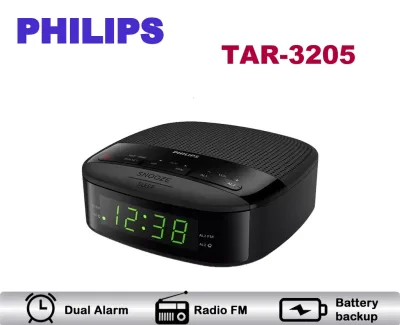
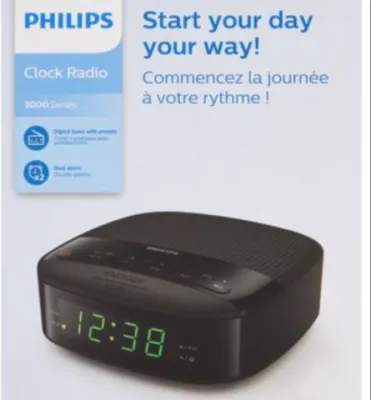
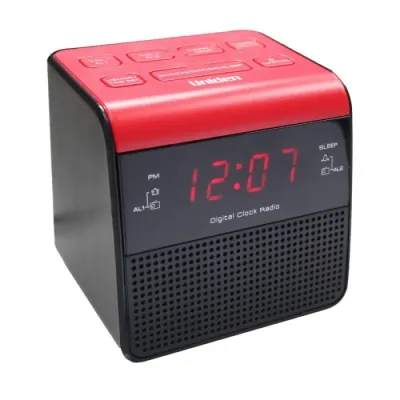
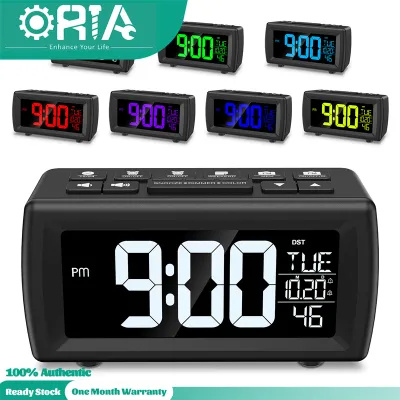
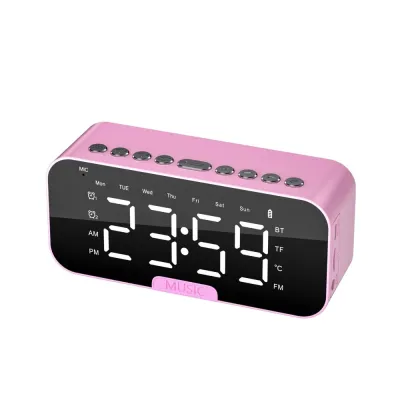
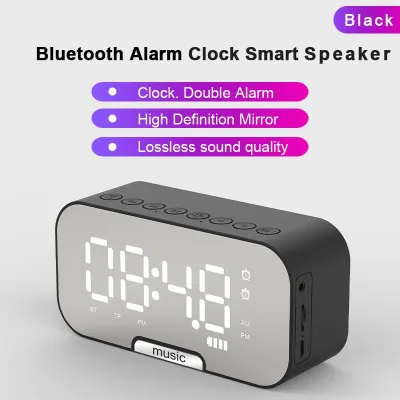
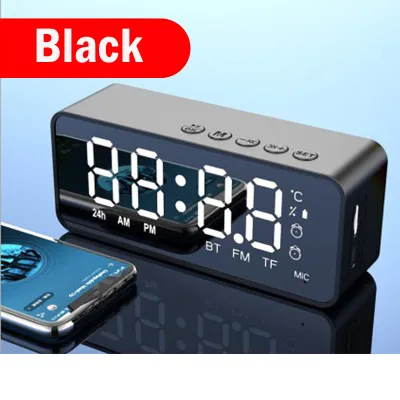
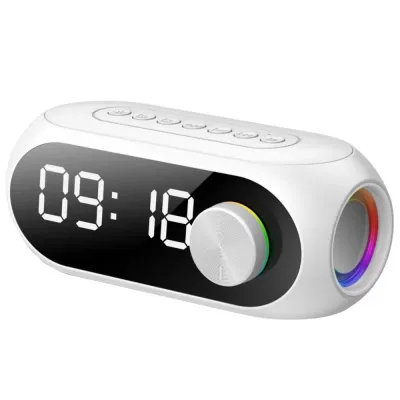
Prices are valid at publication and may change. Please refer to the product page for the latest price.
Historical presence in the consumer electronics, audio, or timepiece industries is another critical benchmark. Brands with decades of experience in these sectors have refined their manufacturing processes, component sourcing, and software stability. This experience translates directly into products with lower failure rates, more intuitive user interfaces, and better shielding against internal electronic noise. Conversely, generic or newly emerged brands often source cheap components that may fail prematurely or suffer from software glitches, such as losing time or failing to trigger programmed alarms.
Electrical safety compliance is paramount for any device that remains plugged into a wall outlet continuously. In Singapore, mains-powered household appliances and AC adapters must comply with the Consumer Protection (Safety Requirements) Registration Scheme. When evaluating a brand, verify that its power adapters carry the Safety Mark issued by Enterprise Singapore. This certification guarantees that the power supply has been rigorously tested against electrical hazards, short circuits, and overheating. Choosing a brand that prioritizes certified safety standards protects your home and provides peace of mind for a device positioned right next to your bed.
Understanding Brand Categories in the Market
To narrow down your options, it helps to categorize brands based on their primary manufacturing expertise. Traditional audio and electronics manufacturers focus heavily on sound quality and radio reception. These brands typically equip their clocks with superior speaker drivers, digital phase-locked loop (PLL) tuners, and advanced digital signal processing. If your primary goal is to enjoy clear, static-free music or morning news broadcasts from local FM stations, an audio-centric brand will deliver the acoustic performance and signal stability you require.

Home appliance and lifestyle brands take a different approach, emphasizing aesthetic design, modern materials, and multi-functional integration. Their products often feature minimalist profiles, fabric or wood-grain finishes, and integrated smart features such as wireless smartphone charging pads or Bluetooth connectivity. While these clocks serve as stylish decor pieces that blend seamlessly into contemporary Singaporean homes, their radio reception and speaker quality may be secondary to their visual appeal and smart capabilities. These brands are ideal for users who prioritize versatile utility and interior styling over high-fidelity audio.
Specialized timepiece and alarm clock makers prioritize timekeeping accuracy, display legibility, and sleep hygiene above all else. These manufacturers design their products with highly intuitive physical interfaces, dedicated alarm controls, and sophisticated display technologies. You will often find features like auto-dimming screens that adjust to room brightness, dual alarm schedules, and gradual wake-up buzzers. While their radio functions are usually basic, their primary strength lies in their absolute reliability as alarm clocks, ensuring you wake up on time without fail.
Key Features and Specifications to Compare
When comparing digital radio clocks, display readability is a crucial factor for nighttime comfort. A high-quality display should be easily legible from various angles and distances without casting an intrusive glare across a dark bedroom. Look for brands that offer multiple manual brightness steps or an integrated ambient light sensor that automatically dims the screen when the lights go out. Additionally, consider the display color; red, amber, or warm orange characters are far less disruptive to sleep cycles than bright blue or white light, which can interfere with melatonin production.
Radio reception capabilities vary significantly between models and brands. Digital PLL tuning is highly recommended over manual analog dials, as it locks onto exact station frequencies and prevents signal drift. Pay close attention to the antenna design; a trailing wire antenna is highly flexible and easy to conceal along a wall, whereas a telescopic metal antenna offers excellent directional adjustment but requires more physical clearance. If you live in an area with weak signal coverage, a brand known for high tuner sensitivity will make a noticeable difference in reducing background hiss and static.
Alarm functionality should align closely with your daily routine. If you and your partner wake up at different times, look for a model that supports dual alarms with independent volume and source settings. Gradual wake features, which slowly increase the volume of the radio or buzzer over several seconds, offer a much gentler and less jarring start to the morning. Furthermore, check the design of the physical buttons; a large, easily accessible snooze button is highly desirable, provided it operates quietly without a loud, disruptive click.
A robust backup battery system is an indispensable feature that protects against unexpected power interruptions. In the event of a brief power trip or if the clock is unplugged to be moved, an internal backup battery maintains the time, alarm settings, and radio presets. Some models use small coin-cell batteries (such as CR2032) solely for memory retention, meaning the display turns off but the settings are saved. Other models utilize AA or AAA batteries, which can sometimes power the basic buzzer alarm even when the main electrical supply is completely cut off.
Environmental and Setup Considerations Before Buying
Before finalizing your purchase, consider the physical and electrical environment of your home. Singapore operates on a standard mains voltage of 230V at 50Hz, utilizing the Type G three-pin plug. If you are purchasing a digital radio clock online, always verify that the power adapter is rated for this voltage and comes with a certified local plug. Avoid relying on cheap, uncertified travel adapters for long-term bedside installations, as they can pose a fire hazard or cause electrical noise that degrades radio reception.
Physical placement within your room can have a dramatic impact on radio performance. The reinforced concrete walls common in Singapore’s high-density housing, such as HDB flats, act as natural barriers to radio signals. To achieve the clearest reception, plan to position your clock near a window or away from large metal structures. Additionally, keep the device at a distance from other electronics that emit electromagnetic interference, such as Wi-Fi routers, wireless phone chargers, and cheap LED light drivers, as these can introduce significant static to your favorite FM stations.
Finally, evaluate the sensory impact of the clock in a completely dark, silent room. Some budget digital clocks emit a faint, high-frequency hum from their internal transformers or power adapters, which can be highly distracting to sensitive sleepers. Ensure the physical footprint of the clock fits comfortably on your nightstand without crowding other essentials, and verify that any integrated charging ports are easily accessible. Taking these environmental factors into account ensures that your new digital radio clock enhances your bedroom environment rather than disrupting it.
Frequently Asked Questions (FAQ)
Do digital radio clocks need a backup battery for power outages?
Yes, a backup battery is highly recommended to maintain your clock’s settings during power fluctuations or temporary electrical outages. Without a backup battery, a brief power trip overnight will reset the clock to its default factory time, causing your programmed alarms to fail. Most digital radio clocks utilize a small coin-cell battery or standard AA/AAA batteries to run the internal quartz movement and preserve your radio presets while the main power is disconnected. Note that during a power outage, the main display and radio playback typically shut down to conserve battery power, but the alarm settings remain safely stored in the device’s memory.
How can I improve FM radio reception on my bedside clock?
To optimize FM radio reception, start by fully unraveling and extending the built-in wire or telescopic antenna. Position the antenna away from the back of the clock and experiment with different angles, as even minor adjustments can significantly clear up static. Keep the clock and its antenna as far away as possible from potential sources of electromagnetic interference, such as smartphone chargers, computer power bricks, Wi-Fi routers, and television screens. If you live in a high-rise concrete building where signals are naturally weaker, placing the clock closer to a window will help capture a stronger, more stable broadcast signal.

Community discussion
Share your experience or ask a question. Comments are reviewed before publication.