
Selecting the ideal flat tactical torchlight for a Singapore Housing & Development Board (HDB) emergency kit requires moving past marketing buzzwords and focusing on verifiable reliability. The best brands for household emergency preparedness are those that provide documented technical specifications, reliable battery management systems, and authorized local warranty support within Singapore. Because emergency equipment must function flawlessly after months or even years of storage, choosing a brand involves evaluating physical build quality, battery shelf-life, and ease of operation in high-stress situations.
A flat tactical torchlight offers distinct advantages over traditional cylindrical models, particularly in the context of modern HDB flat layouts. These compact, rectangular, or low-profile designs are engineered to maximize space efficiency while delivering the rugged durability typically demanded by tactical professionals. By understanding how to evaluate these devices, homeowners can assemble a highly dependable emergency kit that ensures safety during unexpected power outages or localized emergencies.
Why Flat Tactical Designs Fit HDB Emergency Kits
Modern HDB flats are designed with optimized spatial layouts, meaning storage space is often at a premium. Traditional cylindrical flashlights are notoriously bulky and prone to rolling off flat surfaces, which can be incredibly frustrating during a sudden power outage. Flat tactical torchlights, with their rectangular or slim profiles, slide easily into shallow utility drawers, household shelter storage racks, or compact grab-and-go emergency bags. Their non-roll design ensures that when you place the light down on a table or shelf to illuminate a room, it remains exactly where you positioned it.
Products mentioned in this guide
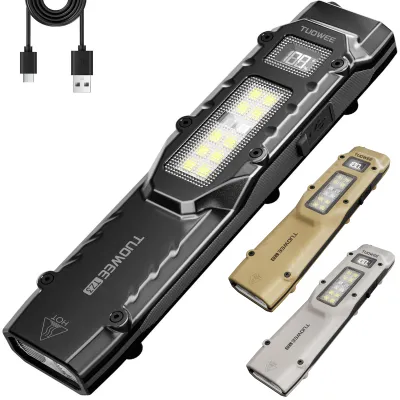
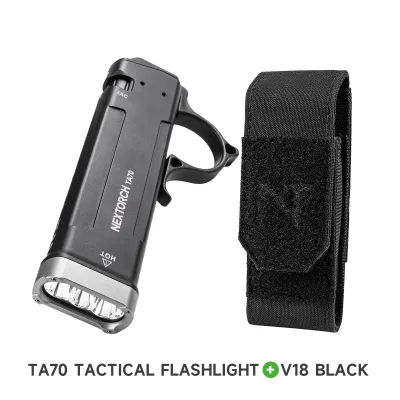
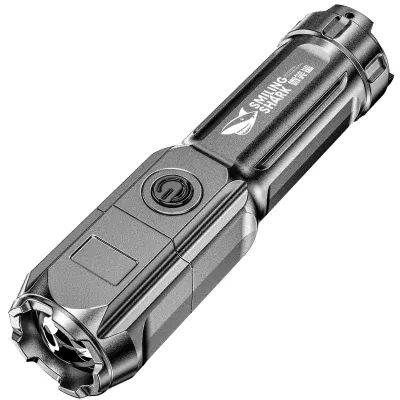
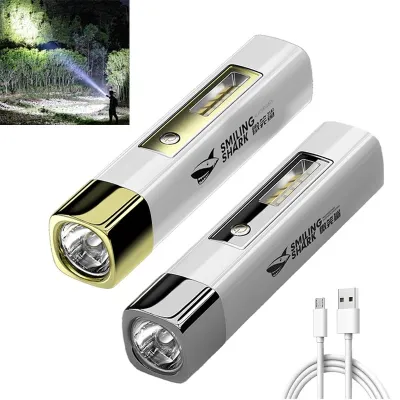
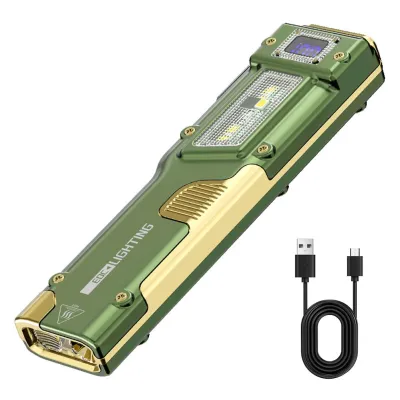
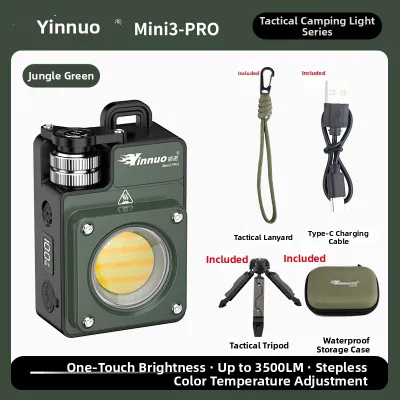
Prices are valid at publication and may change. Please refer to the product page for the latest price.
Beyond space efficiency, the structural integrity of a tactical-grade flat torchlight far exceeds that of standard plastic household flashlights. High-quality tactical brands construct their housings from aerospace-grade aluminum or high-strength polymer composites, which are designed to withstand significant impacts. If a torchlight is accidentally dropped onto hard terrazzo, ceramic, or vinyl flooring common in HDB flats, a tactical build ensures the internal circuitry and LED emitter remain completely undamaged. This level of impact resistance provides peace of mind that the device will function when an actual emergency arises.
The beam profile of a flat tactical torchlight is also uniquely suited for navigating confined indoor spaces. Unlike specialized long-range searchlights that project a tight, blinding spotlight over hundreds of meters, many flat tactical lights feature multi-emitter arrays or optimized optics that produce a wide, even floodlight. This wide beam angle, or ‘spill,’ is highly effective for illuminating entire hallways, kitchens, or bomb shelters without requiring constant panning of the light. It allows family members to see obstacles clearly, reducing the risk of trips and falls in the dark.
Key Specifications to Compare Across Brands
When comparing different flat tactical torchlight brands, technical specifications on the packaging must be carefully scrutinized rather than taken at face value. The most prominent metric is light output, measured in lumens, which indicates the total amount of visible light emitted. However, for indoor HDB emergency use, high lumen counts are not always beneficial; a beam that is too bright can cause blinding glare off light-colored walls. Homeowners should look for brands that offer a wide range of output modes, specifically a low-power ‘moonlight’ or ‘eco’ mode of 1 to 5 lumens, which is sufficient for navigating in the dark while preserving battery life.

Candela is another critical metric to compare, representing the peak beam intensity in a specific direction. A high candela rating relative to lumens indicates a highly focused beam (throw), while a lower candela rating indicates a broader, more diffused beam (flood). For indoor emergency preparedness, a balanced beam with a moderate candela rating is preferred, as it provides a comfortable mix of central illumination and peripheral visibility. Homeowners should check the manufacturer’s runtime specifications for each brightness level, ensuring the torchlight can run continuously on a medium or low setting for at least 24 to 48 hours during an extended outage.
Battery compatibility is a pivotal factor in long-term emergency readiness, and different brands utilize varying power systems. Many modern flat tactical torchlights feature built-in, rechargeable lithium-polymer or lithium-ion batteries, which offer high energy density and convenient USB-C charging. While rechargeable systems are excellent for regular use, they slowly lose charge over months of storage. Therefore, if choosing a rechargeable brand, it is vital to select one with a low self-discharge rate and a clear battery level indicator. Alternatively, some brands support primary lithium batteries (such as CR123A), which boast an exceptional shelf life of up to ten years, making them highly reliable for dedicated emergency kits.
Singapore’s tropical climate, characterized by high relative humidity throughout the year, poses a unique challenge for stored electronic devices. High humidity can accelerate the corrosion of internal electrical contacts and degrade seals over time. When evaluating brands, look for an Ingress Protection (IP) rating of at least IPX7 or IPX8. An IPX7 rating indicates the device can withstand accidental submersion in water up to one meter deep for 30 minutes, while IPX8 denotes even greater protection. This high level of sealing ensures that moisture, dust, and ambient humidity cannot penetrate the housing and compromise the torchlight’s functionality during long-term storage.
The user interface (UI) of the torchlight must be intuitive enough for any household member to operate under extreme stress or in complete darkness. Some tactical brands utilize complex programming with multiple button presses, strobe modes, and lockouts, which can be confusing during a real emergency. Ideally, the torchlight should feature a straightforward UI, such as a dedicated physical tail switch for instant activation or a simple side switch that cycles logically through brightness levels. Avoid brands that force the user to cycle through a flashing strobe mode just to turn the light off, as this can be disorienting and counterproductive indoors.
How to Verify Brand Authenticity and Local Support
The popularity of tactical lighting has led to an influx of counterfeit products and low-quality imitations on general online marketplaces. To ensure your household’s safety, it is essential to purchase tactical torchlights only from authorized local distributors or official brand stores in Singapore. Authorized sellers can verify the authenticity of the product, ensuring that the internal battery management systems and LEDs meet strict international safety standards. Buying from unverified third-party sellers increases the risk of receiving a sub-par imitation that may fail prematurely or present a thermal hazard during charging.
Local warranty support is a crucial safety net when investing in high-quality tactical gear. Reputable brands typically offer multi-year warranties, often ranging from two to five years, covering manufacturing defects and component failures. Before making a purchase, verify whether the brand has a physical service center or an authorized distributor office in Singapore where you can bring the device for inspection or replacement. A local warranty process is significantly faster and more reliable than having to ship a defective item overseas, which can incur high shipping fees and long waiting times.
Recognizing the physical indicators of counterfeit tactical lighting can protect you from purchasing a faulty device. Genuine tactical torchlights feature clean, precise laser engraving for brand logos, serial numbers, and safety certifications, whereas counterfeits often have blurry, misaligned, or chemically etched markings. The anodized finish on a genuine aluminum torchlight should be uniform, matte, and highly resistant to scratching, while cheap imitations often use thin paint that chips easily. Additionally, authentic packaging should include a detailed user manual, clear technical specifications matching the official website, and a unique serial number that can be registered online for warranty verification.
Integrating the Torchlight Into Your Emergency Plan
A flat tactical torchlight is a powerful tool, but its effectiveness depends heavily on how well it is integrated into your overall household emergency plan. While a directional tactical light is excellent for searching, navigating, or signaling, it is not ideal for hands-free room illumination over extended periods. To create a balanced lighting setup, pair your primary flat tactical torchlight with secondary ambient light sources, such as compact LED lanterns or silicone diffuser cones that slip over the bezel of your tactical light. This combination allows you to flood a room with soft, non-glare light while keeping your tactical torchlight ready for targeted tasks.
Establishing a strict battery maintenance and testing routine is essential to ensure your emergency lighting is always operational. Mark a specific date on your calendar every six months—such as during seasonal household cleaning—to inspect and test all emergency torchlights. For rechargeable models, check the battery level indicator and top up the charge to approximately 80% to 90%, which is the optimal level for long-term storage health. For devices that utilize disposable batteries, inspect the battery compartment for any signs of white powdery residue or leakage, and replace the cells immediately if any degradation is detected.
Safe storage practices are critical to preventing accidental damage to your torchlight while it sits in your emergency kit. Many tactical torchlights feature highly sensitive switches that can be easily depressed if the light shifts inside a tightly packed grab bag. To prevent the light from turning on accidentally—which can drain the battery completely or generate excessive heat—utilize the device’s physical or electronic lockout mode. If your torchlight does not have a lockout feature, slightly unscrewing the tail cap by a quarter-turn is a reliable physical method to break the electrical circuit and prevent accidental activation.
Frequently Asked Questions (FAQ)
How often should I test the torchlight in my emergency kit?
For a dedicated HDB emergency kit, you should perform a functional test of your tactical torchlight at least once every six months. During this biannual check, turn the light on and cycle through all brightness modes to ensure the switch and driver are functioning correctly. If your torchlight uses rechargeable lithium-ion batteries, check the charge level and recharge it to maintain readiness, as lithium batteries slowly self-discharge over time even when not in use.
If you store your torchlight with disposable alkaline or lithium batteries installed, it is highly recommended to remove them during long-term storage. Alkaline batteries are particularly prone to leaking corrosive potassium hydroxide over time, which can permanently ruin the internal contacts of an expensive tactical light. Inspect the battery compartment during your six-month check for any signs of corrosion, swelling, or white powdery deposits. If you observe any of these warning signs, safely dispose of the batteries and clean the contacts with a dry cotton swab before inserting fresh cells.
Are high-lumen tactical torchlights safe to use indoors during a blackout?
High-lumen tactical torchlights are safe to use indoors, provided they are operated with care and set to appropriate brightness levels. Using a beam of 1,000 lumens or more in a small, white-walled room like an HDB kitchen or bathroom can cause intense glare and temporary flash blindness. To navigate safely without straining your eyes, always start the torchlight on its lowest setting and gradually increase the brightness only as needed for the task at hand.
Another highly effective technique for indoor blackout situations is ‘ceiling bouncing.’ Instead of pointing the tactical beam directly at objects or walls, aim the torchlight straight up at the ceiling. The light will bounce off the flat, light-colored ceiling surface and disperse evenly throughout the room, creating a soft, ambient glow similar to a standard ceiling fixture. Additionally, purchasing a compatible silicone diffuser accessory can instantly transform a focused tactical beam into a 360-degree area light, making it much safer and more comfortable for family members during an extended power outage.

Community discussion
Share your experience or ask a question. Comments are reviewed before publication.