
Creating a warm, inviting ambiance in a Singapore living room requires more than just picking a visually appealing floor standing lamp. Because our homes often serve multiple functions—from a relaxed evening sanctuary to an active family hub—the right brand must offer a balance of structural stability, high-quality light diffusion, and compatibility with warm-toned bulbs. Evaluating lighting brands involves looking beyond aesthetic appeal to examine material durability under local tropical conditions, electrical safety certifications, and the versatility of the lamp’s design. By focusing on these structural and technical specifications, you can select a floor standing lamp that enhances your interior design while providing reliable, glare-free ambient warmth.
Core Criteria for Assessing Lighting Brands
Evaluating the build quality of a floor standing lamp is essential to ensure long-term durability and safety in your home. A high-quality lamp must have a substantial base weight to offset the height of the stem. In Singapore homes, where floor space is premium and household traffic is close, a tippy lamp is a safety hazard. Look for brands that specify the exact weight of the base and use solid metals like brass, steel, or heavy cast iron rather than thin, hollow aluminum or plastic shells filled with sand.
Examine the joints and adjustment mechanisms of the lamp carefully. If a brand uses plastic threading or loose tension screws, the lamp is highly likely to droop or wobble over time. Reliable manufacturers use machined metal threads, robust locking collars, or heavy-duty counterweights to keep the structure secure. These details are often visible in product diagrams or can be felt when handling the physical product in a showroom.
Products mentioned in this guide
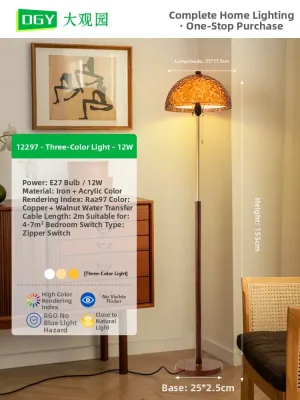
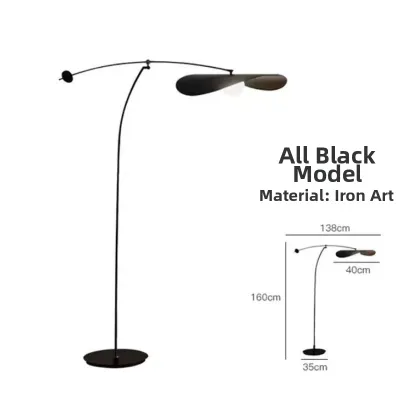
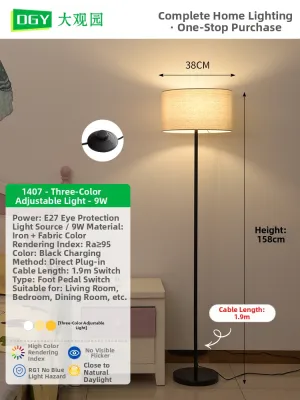
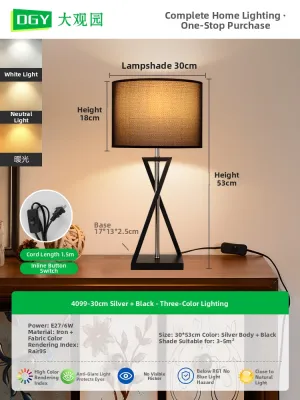
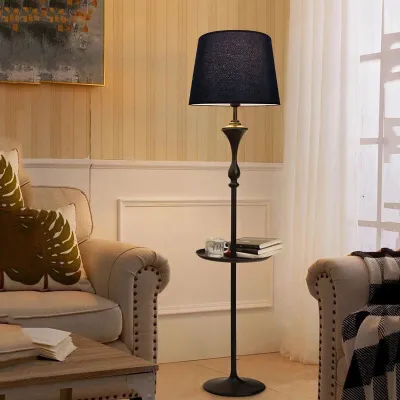
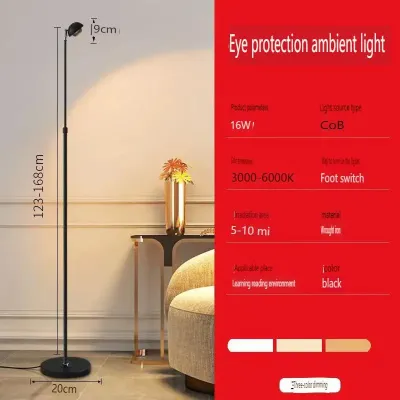

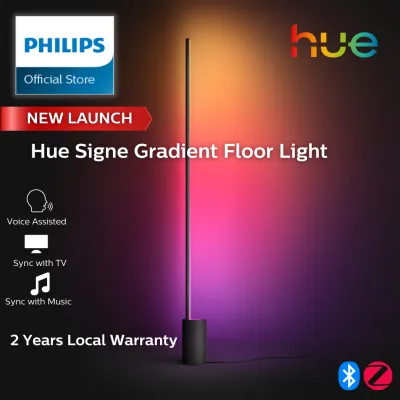
Prices are valid at publication and may change. Please refer to the product page for the latest price.
Warranty and post-purchase support are critical indicators of brand reliability. Check if the manufacturer offers at least a one-year warranty that covers electrical components, sockets, and switches. Furthermore, verify if the brand sells replacement parts. If a fabric shade stains or a glass globe cracks, a reputable brand should allow you to purchase a replacement shade directly, preventing the entire fixture from becoming obsolete.
Transparency in manufacturing standards is another hallmark of a trustworthy brand. Reputable lighting companies provide detailed technical datasheets, clear material compositions, and explicit safety certifications. Avoid brands that use vague descriptions like “premium metal finish” without specifying the base metal or the coating process, as these are more likely to degrade.
Aligning Design Aesthetics With Your Living Space
Singapore living rooms vary widely in layout, from compact Build-To-Order (BTO) flats to spacious open-plan condominiums. When evaluating a brand’s portfolio, look for a consistent design signature that complements your existing interior theme. For instance, minimalist brands often feature slender stems and integrated LEDs that disappear into the background, making them ideal for tight corners. Mid-century modern designs frequently utilize warm wood accents, brass details, and organic curves that add visual interest even when the lamp is switched off.

Consider the physical footprint and height proportions of the lamp relative to your furniture. A floor standing lamp that is too tall can create harsh shadows and look disproportionate next to a low-profile sofa. Conversely, a lamp that is too short might fail to distribute light effectively across the seating area. Measure the clearance around your walkways; arc lamps require significant overhead and lateral space, whereas straight-pole or torchiere designs occupy a minimal footprint, making them highly suitable for compact corners.
The tropical climate of Singapore introduces unique challenges for material durability. High relative humidity can cause low-grade metal finishes to rust, pit, or discolor over time. When assessing brands, prioritize those that use powder-coated finishes, electroplated metals, or treated woods that resist moisture damage.
Fabric shades also require careful consideration. In humid environments, cheap, untreated fabrics can attract dust and develop mold or mildew. Look for brands that utilize high-quality linen, parchment, or synthetic blends that are easy to dust and maintain, or opt for frosted glass and metal shades that can be easily wiped clean.
Verifying Light Quality and Bulb Compatibility
The primary purpose of an ambient floor standing lamp is to create a soft, glare-free glow rather than harsh, direct illumination. To achieve this, you must verify the brand’s specifications regarding bulb compatibility and maximum wattage. Look for fixtures that utilize standard bulb bases, such as E27 or E14, which are widely available in Singapore. This ensures you can easily source replacement bulbs in your preferred color temperature—ideally between 2700K and 3000K for a warm, cozy ambiance.
Check the maximum wattage rating of the socket. Using a bulb that exceeds the recommended wattage can damage the socket, degrade the shade, or pose a fire hazard. If you plan to use LED bulbs, ensure the fixture’s socket is rated for the equivalent lumen output you require.
Dimming capability is essential for adjusting the ambiance throughout the evening. Verify whether the floor lamp features an integrated dimmer switch or if it is compatible with external plug-in dimmers. If the lamp uses an integrated LED module, check if it supports triac dimming or if it requires a specific type of electronic dimmer. Some brands offer step-dimming via a foot switch, which provides basic level adjustments without complex wiring.
The material and design of the shade play a pivotal role in light diffusion. A completely opaque metal shade will direct light strictly upward or downward, creating dramatic pools of light. For a softer, more generalized ambient glow, look for brands that offer translucent fabric shades or frosted glass globes. These materials scatter the light evenly in all directions, reducing harsh shadows and preventing direct glare from the bulb from straining your eyes while seated.
Building and Comparing Your Brand Shortlist
To make an informed decision, compile a structured shortlist of potential brands and compare them side-by-side. Begin your research by visiting official brand websites to view their complete catalogs, technical specifications, and user manuals. Whenever possible, visit authorized lighting showrooms in Singapore to inspect the lamps in person. Seeing a lamp firsthand allows you to assess its true scale, feel the weight of the base, and observe how the shade diffuses light in a real-world setting.
Create a comparison matrix that lists each candidate lamp’s key specifications. Include the price range in S$, overall height, base diameter, shade material, switch type (such as a foot switch, inline cord switch, or rotary socket switch), and bulb requirements. This structured approach helps you identify which brand offers the best value and functionality for your specific budget and spatial constraints.
Be vigilant for red flags when reviewing product descriptions and specifications. Avoid brands that fail to list essential electrical details, such as voltage compatibility or maximum wattage limits. Vague material descriptions like “synthetic blend” or “metallic finish” without further elaboration often indicate lower-quality construction. Furthermore, a lack of clear contact information or customer support channels from the manufacturer is a strong indicator that sourcing replacement parts or resolving warranty claims will be difficult.
Essential Electrical and Safety Verifications
Before finalizing your purchase, you must verify that the floor standing lamp complies with local electrical and safety standards. In Singapore, the standard household electricity supply is 230V AC at 50Hz. Ensure the lamp is rated for this voltage; importing lamps designed for 110V systems without a proper transformer can lead to immediate product failure or electrical hazards. Additionally, verify that the lamp comes fitted with a compatible Type G plug (the standard three-pin plug used locally) or includes an approved, fused adapter.
Examine the power cord’s length and routing options. A cord that is too short may force you to use extension cords, which can create unsightly clutter and tripping hazards in high-traffic living areas. Look for brands that design their lamps with discrete cord routing—either running through the center of the stem or secured neatly along the back. Ensure the cord is positioned away from walkways, and use cord covers or clips if the lamp must be placed far from a wall outlet.
Pay close attention to the stability of the lamp on your specific flooring material. If you have thick rugs or uneven flooring, a lamp with a narrow or lightweight base is highly susceptible to tipping. Always place the lamp on a flat, level surface. If you encounter any conflicting instructions in the product manual, or if you are planning a complex setup involving integrated smart home relays or custom dimming systems, stop and consult a qualified electrician to ensure your installation is safe and compliant with local electrical codes.
Frequently Asked Questions (FAQ)
How do I know if a floor lamp will provide enough ambient light?
To determine if a floor standing lamp will provide sufficient ambient light, evaluate its lumen output and the design of its shade. For general ambient lighting in a standard living room, look for a bulb or integrated LED that delivers approximately 800 to 1,200 lumens. If the lamp features an opaque or dark-colored shade, it will direct light primarily upward or downward, creating localized accent lighting rather than broad ambient illumination. To maximize ambient light, choose a translucent fabric or frosted glass shade that diffuses light outward. Additionally, positioning the lamp in a corner or near a light-colored wall allows the light to bounce off the surfaces, effectively multiplying the ambient glow and making the entire room feel larger and warmer.
Are smart floor lamps better for creating ambiance?
Smart floor lamps offer significant advantages for ambiance control, but they come with specific trade-offs. The primary benefit of smart lighting is the ability to tune the color temperature dynamically, allowing you to transition from a bright, cool-white light during the day to a warm, golden glow in the evening. Many smart systems also allow you to save custom dimming presets and control the lamp via mobile apps or voice commands. However, traditional lamps paired with high-quality dimmable LED bulbs are often more reliable, as they do not depend on Wi-Fi stability or ongoing software updates from the manufacturer. When choosing between the two, consider whether you prefer the convenience of automated schedules or the simple, long-term reliability of a physical switch.

Community discussion
Share your experience or ask a question. Comments are reviewed before publication.