
Bringing the refreshing, spa-like aroma of lemongrass into your home is an excellent way to create a calming sanctuary, mask household odors, and enjoy an uplifting atmosphere. However, navigating the vast array of lemongrass diffusers available in Singapore can be challenging, as products vary widely in scent authenticity, diffusion efficiency, and overall durability. Finding a high-quality option requires looking beyond attractive packaging and low price tags to understand how different devices and oil formulations perform in local living conditions.
Rather than relying on generic brand rankings that may not suit your specific needs, this guide equips you with the practical criteria needed to evaluate options independently. By understanding the mechanics of different diffuser types, identifying genuine botanical ingredients, and calculating the true long-term cost of ownership, you can confidently build a personalized shortlist. This systematic approach ensures you select a lemongrass diffuser that delivers both an authentic sensory experience and excellent value.
Understanding Lemongrass Diffuser Types and Scent Profiles
To choose the right lemongrass diffuser, you must first understand the mechanism behind how the scent is dispersed into your living space. The three most common types available on the market are ultrasonic diffusers, nebulizing diffusers, and passive reed diffusers. Each of these methods interacts differently with lemongrass oil, altering both the intensity of the aroma and the frequency of maintenance required to keep the system running smoothly.
Products mentioned in this guide

![[Ideal Gift]SHIORA Aromatherapy Series Home Scent Reed Diffuser | 50/100ml/200ml | Essential Oil | Room Perfume | Cedarwood Citronella Lavender Lemongrass Sandalwood Peppermint](https://img.lazcdn.com/g/p/1a642e36894f4469e11652ce3c852217.png_400x400q80.png_.webp)
Prices are valid at publication and may change. Please refer to the product page for the latest price.
Ultrasonic diffusers operate by using water and high-frequency ultrasonic vibrations to break down essential oil into a fine, cool mist. Because the oil is diluted in water, the sharp, punchy citrus notes characteristic of raw lemongrass are softened, resulting in a more rounded, subtle, and refreshing scent profile. This type of diffuser is highly suitable for medium-sized rooms, such as bedrooms or study areas, where a gentle, continuous scent throw is preferred. However, because water is involved, you must clean the water tank and the ultrasonic plate regularly to prevent mineral buildup and mold, especially in Singapore’s warm climate.
Nebulizing diffusers do not use water or heat. Instead, they use pressurized air to atomize pure, undiluted essential oil directly into the air as a highly concentrated vapor. This process preserves the complete, unaltered olfactory profile of lemongrass, delivering an immediate, intense, and highly authentic aroma that is both herbaceous and deeply citrusy. Nebulizers are exceptionally effective for large, open-plan living areas or spaces with high ceilings where water-based mists might quickly dissipate. The trade-off is that nebulizers consume oil at a much faster rate and require regular flushing with rubbing alcohol to prevent the delicate glass or metal nozzles from clogging.
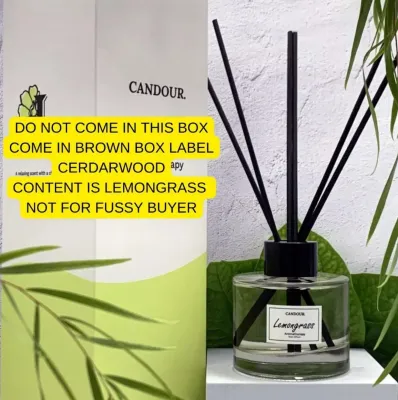
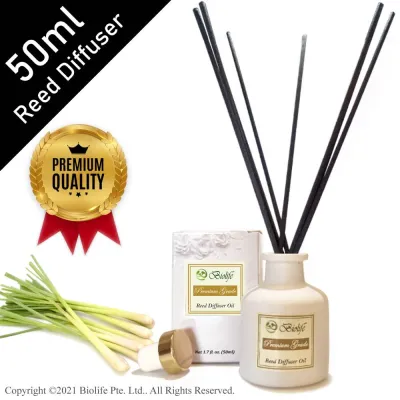
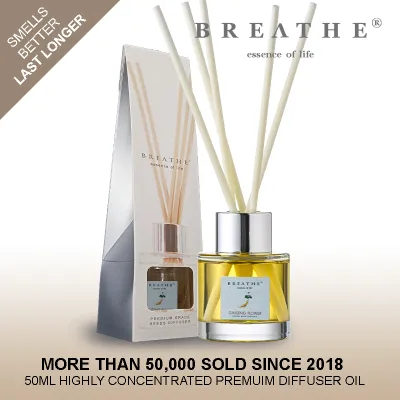
Reed diffusers offer a completely passive, electricity-free alternative that relies on porous reeds to draw up scented liquid and disperse it into the air via natural evaporation. This method provides a continuous, low-intensity background scent that is ideal for small, enclosed spaces such as bathrooms, entryways, or walk-in wardrobes. Because reed diffusers do not actively push scent into the room, their performance is highly dependent on local airflow and ambient conditions.
When matching a diffuser type to your home, consider the specific ventilation and layout of your space. Singapore’s residential architecture, characterized by a mix of naturally ventilated HDB flats and tightly sealed, air-conditioned apartments, plays a significant role in scent performance. In a room where the air conditioning runs frequently, the air is typically drier, which can accelerate the evaporation of reed diffusers but also trap heavy, concentrated mist from nebulizers. Conversely, in a naturally ventilated room with open windows and ceiling fans, a passive reed diffuser may struggle to maintain a noticeable scent throw as drafts carry the aroma away, making an active ultrasonic or nebulizing diffuser a more reliable choice to cut through the moving air.
Key Criteria for Evaluating Scent Quality and Authenticity
The quality of your aromatherapy experience depends heavily on the authenticity of the lemongrass scent itself. Many products marketed as lemongrass diffusers rely on synthetic fragrance oils rather than pure botanical extracts to cut manufacturing costs. Understanding how to read product labels and identify the physical characteristics of genuine lemongrass oil is essential to avoid synthetic alternatives that may fail to deliver the desired atmosphere.

The first step in evaluating scent quality is to inspect the ingredient list on the packaging or the manufacturer’s technical specifications. High-quality, authentic brands will explicitly state that they use 100% pure essential oil. In contrast, lower-grade products often use vague terms such as “fragrance oil,” “perfume oil,” “nature-identical oil,” or “aromatherapy blend.” These synthetic formulations are chemically synthesized in laboratories, often using petroleum derivatives, phthalates, and parabens to mimic the scent of lemongrass. While synthetic fragrances can be highly stable and inexpensive, they lack the therapeutic complexity of natural oils and can trigger headaches, sneezing, or respiratory discomfort in sensitive individuals.
To verify botanical authenticity, look for the official botanical name of the plant on the product label. Genuine lemongrass essential oil is typically derived from one of two main species: Cymbopogon citratus or Cymbopogon flexuosus. Cymbopogon citratus, often referred to as West Indian lemongrass, is known for a slightly sweeter, milder, and more citrus-forward aroma that closely resembles fresh lemon peel. Cymbopogon flexuosus, or East Indian lemongrass, tends to have a sharper, more herbaceous, and intensely earthy profile with a distinct grassy undertone. If a brand does not display the botanical name, the country of origin, or the extraction method (such as steam distillation) on its packaging, it is a strong indicator that the product is a synthetic blend rather than a pure botanical extract.
Developing an eye—and a nose—for the olfactory profile of authentic lemongrass will help you spot low-quality products instantly. True lemongrass essential oil has a complex, multi-layered aroma. It opens with a bright, crisp, and highly refreshing citrus top note, which quickly gives way to a warm, grassy, and slightly smoky or earthy middle note. It should smell clean, natural, and reminiscent of a professional spa environment. Synthetic alternatives, by comparison, often present a flat, one-dimensional sweetness that lacks any earthy or herbaceous undertones. If a lemongrass diffuser smells overly sweet, sugary, or has a harsh, chemical sharpness that reminds you of industrial household cleaners or dishwashing liquids, it is highly likely a synthetic formulation.
Assessing Value for Money Beyond the Initial Price Tag
When shopping for a lemongrass diffuser in Singapore, it is easy to fall into the trap of comparing only the upfront retail prices. However, the true cost of ownership is determined by ongoing operational expenses, device durability, and consumption efficiency. A cheap diffuser that consumes oil rapidly or breaks down after a few weeks of use will ultimately cost significantly more than a premium, well-engineered system.
To calculate the true value of a diffuser, you must evaluate its oil consumption rate alongside the cost of refills. Nebulizing diffusers, while highly effective at scenting large spaces, can consume between 1ml and 2ml of pure essential oil per hour of continuous operation. If you run a nebulizer for several hours a day, a standard 10ml bottle of essential oil can be depleted in less than a week, leading to high recurring costs. Ultrasonic diffusers are far more economical in terms of oil consumption, as they require only 5 to 10 drops of essential oil per 100ml of water, allowing a single 10ml bottle to last for several weeks of daily use. When comparing brands, look at the price per milliliter of their replacement oils or refills rather than the total bottle price, as larger refill bottles often offer a much lower unit cost.
Another critical factor is the relationship between the device’s coverage area, runtime, and upfront cost in S$. Manufacturers should provide clear specifications regarding the maximum effective coverage area (measured in square meters) and the continuous runtime of the device on a single fill. A budget-friendly ultrasonic diffuser with a small 80ml water tank may seem like a bargain, but if it requires manual refilling every two hours, it may prove highly inconvenient for daily use. Investing slightly more in a model with a 300ml or 500ml reservoir provides a much longer continuous runtime, allowing the device to operate safely throughout the night or an entire work-from-home day without constant attention.
Finally, consider the overall durability of the hardware and the availability of local support. Lemongrass essential oil contains high concentrations of citral, a natural compound that can actively degrade and crack cheap, low-grade plastics over time. High-quality diffusers utilize specialized, BPA-free plastics, glass, ceramic, or wood housings that resist chemical corrosion. Before making a purchase, check the manufacturer’s warranty terms—ideally looking for a minimum of a 6-month to 12-month local warranty—and verify whether the brand offers easily accessible replacement parts, such as power adapters, glass reservoirs, or replacement reeds, within Singapore.
Building Your Shortlist: Pre-Purchase Checks for Singapore Shoppers
Before finalizing your purchase and checking out your selected lemongrass diffuser, it is essential to perform a series of practical checks to ensure electrical safety, product compatibility, and seller reliability. Taking these precautionary steps will protect your home from potential hazards and ensure a hassle-free user experience.
For any plug-in electrical device, such as ultrasonic or nebulizing diffusers, verifying electrical safety is paramount. In Singapore, electrical appliances must comply with local safety standards. Look for the SAFETY Mark on the power adapter or the device itself, which indicates that the product has been tested and certified by an authorized body for safe use with Singapore’s standard voltage of 220V-240V at 50Hz. Avoid purchasing direct-import electrical devices from overseas sellers that do not feature this certification or require uncertified travel adapters, as incompatible voltage or poorly manufactured power supplies can lead to overheating, short circuits, or electrical fires.
When browsing e-commerce platforms or online marketplaces, take the time to verify the seller’s credentials. Prioritize official brand stores, flagship outlets, or authorized local distributors to ensure you receive genuine products and valid warranty coverage. Carefully read through verified customer reviews, paying close attention to feedback regarding hardware reliability. Look for recurring complaints about water leaks, cracked plastic casings, faulty buttons, or rapid scent fading, as these are common indicators of substandard manufacturing. Be cautious of reviews that seem overly generic or repetitive, and focus on detailed user experiences that describe the product’s performance over several weeks or months.
Lastly, verify the physical dimensions of the diffuser and the length of its power cord to ensure it fits safely in your intended placement area. Ultrasonic diffusers generate a fine mist that can settle on surrounding surfaces, so they should be placed on water-resistant furniture away from delicate electronics, untreated wood, or paper documents. Ensure the power cord is long enough to reach the wall outlet comfortably without being stretched tight, which can create a tripping hazard or put unnecessary tension on the device’s power port. If you plan to place the diffuser on a high shelf or a bedside table, ensure the device has a stable, non-slip base to prevent accidental tipping and water spills.
Exploring Room Sprays as a Quick-Action Alternative
While continuous diffusers are excellent for establishing a steady, long-term background aroma, they may not always be the most practical solution for every situation. In scenarios where you need an immediate burst of fragrance, a high-quality lemongrass room spray serves as an excellent complementary or alternative solution.
Room sprays are particularly useful when time is limited. For instance, if you have unexpected guests arriving in a few minutes, a room spray can instantly refresh your living room or entryway with a bright, welcoming lemongrass scent, whereas an ultrasonic or reed diffuser would take significantly longer to disperse a noticeable aroma. Sprays are also highly effective for targeted application, allowing you to quickly neutralize sudden odors in specific areas, such as the kitchen after cooking or the bathroom.
Before using a lemongrass room spray, it is important to check its formulation, particularly the alcohol content and the presence of synthetic carriers. High-alcohol sprays evaporate rapidly in the air, leaving a clean scent without leaving wet residue, but they can pose a risk to household surfaces. Direct contact with alcohol-based sprays can strip the protective varnish or polish off wooden furniture, cause discoloration on painted walls, or leave permanent stains on delicate fabrics such as silk, leather, or certain synthetic upholsteries. Always read the manufacturer’s instructions and perform a quick spot test on an inconspicuous area of any fabric or furniture before spraying widely.
To achieve the best results without overwhelming your living space, employ proper application techniques. Rather than spraying directly at eye level or toward specific objects, aim the nozzle upward and spray high into the center of the room. This allows the fine mist to drift slowly downward, dispersing the lemongrass aroma evenly throughout the air currents of the space. Avoid over-spraying in small, unventilated rooms, as highly concentrated lemongrass oil can become overly sharp and irritating to the eyes and throat if allowed to build up excessively.
Frequently Asked Questions (FAQ)
Can I use any lemongrass essential oil in my ultrasonic diffuser?
No, you should only use 100% pure essential oils in an ultrasonic diffuser. Avoid using oils that have been pre-mixed with heavy carrier oils, such as jojoba, sweet almond, or coconut oil, which are formulated strictly for topical skin application. These carrier oils are too dense to be atomized by ultrasonic vibrations and will quickly leave a greasy residue that clogs the delicate vibrating plate, permanently damaging the device. Additionally, always consult your diffuser’s instruction manual before using third-party oils, as some manufacturers specify that using non-proprietary oils will void the product’s warranty.
How does high humidity affect reed diffusers and scent throw?
Singapore’s high ambient humidity can significantly impact the performance of passive reed diffusers. When the air is already heavily saturated with moisture, the evaporation rate of the carrier liquid in the diffuser slows down considerably, resulting in a much weaker and less noticeable scent throw. To counteract this effect, you may need to flip the reeds more frequently—such as once a week—to expose fresh, oil-saturated reeds to the air. For optimal performance, place your reed diffuser in an area with consistent but gentle airflow, such as near a doorway or hallway, but keep it away from direct sunlight, which can degrade the essential oil, and direct air conditioning vents, which can dry out the reeds too quickly and cause uneven scent dispersion.

Community discussion
Share your experience or ask a question. Comments are reviewed before publication.