
Evaluating whether Love To Dream bamboo products are suitable for Singapore’s tropical climate requires looking closely at how fabric weight, weave, and indoor cooling methods interact. In a region characterized by year-round high temperatures and relative humidity levels that frequently exceed 80 percent, choosing the right sleep textile is essential for comfort and safety. Bamboo-derived fabrics, such as bamboo viscose or rayon, are widely recognized for their soft texture and moisture-wicking properties, making them highly appealing to local parents and homeowners. However, their performance in Singapore depends heavily on whether the sleeping environment is naturally ventilated or continuously air-conditioned. By understanding how to read Thermal Overall Grade (TOG) ratings and adjusting indoor setups, you can determine if these bamboo swaddles and blankets will provide a safe, comfortable sleep environment.
Understanding Bamboo Fabric Properties in Tropical Climates
To understand how bamboo fabric behaves in a tropical climate, it is helpful to examine the physical structure of the fibers. Most commercial bamboo textiles are processed into bamboo viscose or rayon. These regenerated cellulose fibers feature microscopic gaps and micro-holes along their surface. This physical structure allows the material to absorb moisture rapidly, drawing perspiration away from the skin through capillary action. In a warm environment, this moisture-wicking action helps maintain a dry microclimate next to the body, which is a key factor in overall comfort.
However, the effectiveness of this moisture-wicking process is closely tied to the ambient humidity of the room. In Singapore, where the air is often saturated with water vapor, sweat cannot evaporate from the fabric as quickly as it would in a dry climate. When the surrounding air is highly humid, the fabric can reach its moisture saturation point. Once saturated, the material may begin to feel damp and heavy against the skin rather than cool and dry. This makes air circulation within the room critical to helping the fabric release trapped moisture.
Products mentioned in this guide
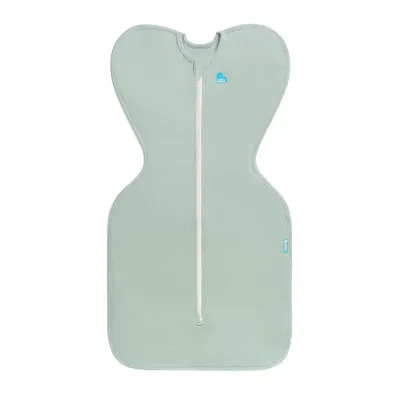
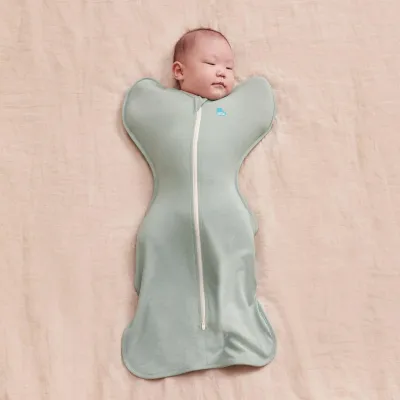
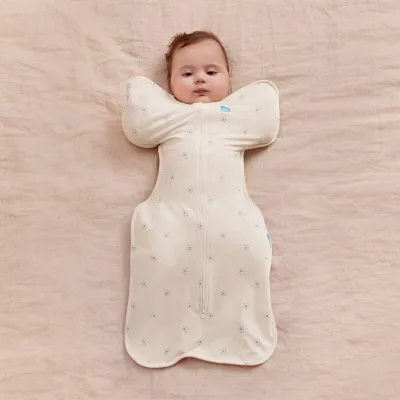
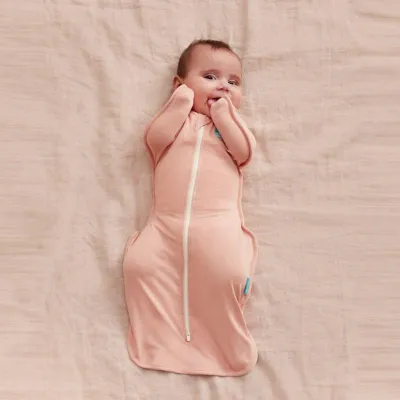
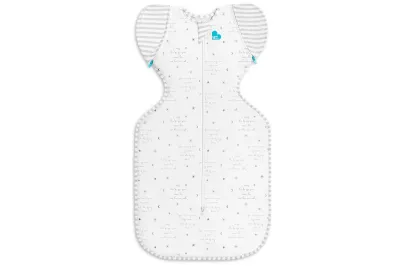
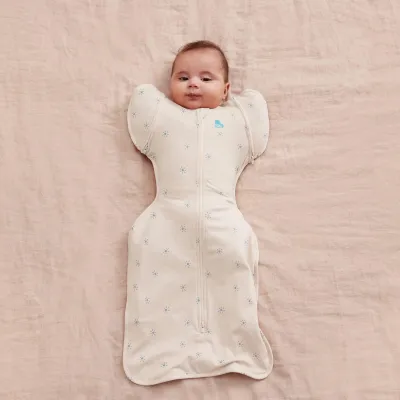
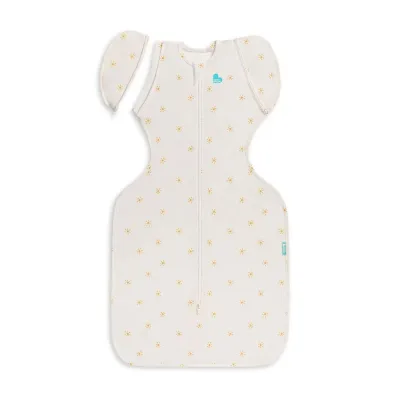
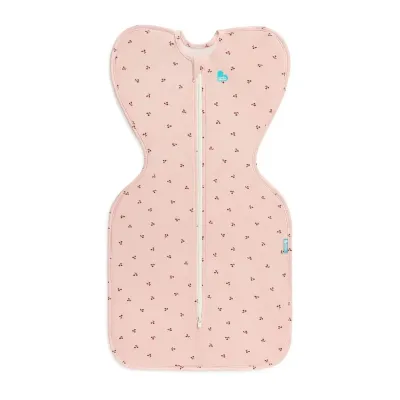
Prices are valid at publication and may change. Please refer to the product page for the latest price.
Fabric weave and weight also play a major role in heat retention. A loose, open weave allows air to flow freely through the fibers, facilitating convective cooling. Conversely, a tight weave or a heavier fabric weight traps a layer of warm air close to the body, which can quickly lead to discomfort in tropical heat. When evaluating bamboo textiles for warm weather, prioritizing lightweight, highly breathable weaves is essential to ensure that heat does not accumulate under the fabric.
Furthermore, the natural drape and softness of bamboo viscose can sometimes cause the fabric to cling to the skin when damp. If there is no active airflow in the room, this clinging effect can reduce the overall sensation of comfort. Therefore, while the fiber itself possesses excellent moisture-absorbing properties, its performance in a tropical climate is not entirely passive; it relies on environmental factors like humidity levels and air movement to function optimally.
Evaluating Love To Dream Bamboo Specifications
When assessing Love To Dream bamboo products for use in Singapore, the most reliable indicator of warmth and insulation is the Thermal Overall Grade (TOG) rating. The TOG rating is an industry-standard measure of thermal resistance; a lower TOG rating indicates a cooler, lighter fabric, while a higher rating signifies greater insulation. For tropical climates, manufacturers typically recommend ultra-lightweight options, such as those rated at 0.2 TOG or 0.5 TOG. Checking the product packaging or the sewn-in care label for these specific ratings is the first step in verifying suitability.

It is also important to verify the exact material composition of the product. Some items labeled as bamboo are actually blends, combining bamboo viscose with cotton or elastane. A blend that incorporates a high percentage of cotton may offer excellent structural durability and stretch, but it may also retain slightly more heat than a pure bamboo viscose fabric. Conversely, a higher percentage of bamboo viscose generally enhances the fabric’s initial cool-to-the-touch sensation and moisture absorption. Reviewing the fiber percentages on the label allows you to make an informed decision based on your specific cooling preferences.
Additionally, manufacturers provide guidelines that correlate TOG ratings with recommended room temperature ranges. For instance, a 0.2 TOG garment is often recommended for rooms heated between 24 degrees Celsius and 27 degrees Celsius, or even higher when paired with minimal undergarments. In Singapore, where ambient indoor temperatures in naturally ventilated rooms can easily hover around 28 to 30 degrees Celsius, comparing these manufacturer recommendations against your actual indoor thermometer readings is crucial for selecting the correct fabric weight.
Keep in mind that synthetic additives like elastane, which are often blended into swaddles to provide stretch, do not possess the same breathable properties as natural cellulose fibers. While a small percentage of elastane is common and helpful for movement, a high synthetic content can restrict airflow. Checking the detailed specifications ensures you do not accidentally purchase a garment that compromises on breathability in exchange for elasticity.
Adjusting for Air-Conditioned vs. Naturally Ventilated Rooms
The suitability of a Love To Dream bamboo swaddle or blanket in Singapore depends heavily on how you manage your indoor climate. In heavily air-conditioned bedrooms, where temperatures are maintained between 22 and 24 degrees Celsius, the indoor environment mimics a cooler seasonal climate. In these conditions, a slightly higher TOG rating, such as a 1.0 TOG, or a layered approach using a 0.2 TOG bamboo swaddle over a long-sleeved cotton sleepsuit, may be appropriate. The air conditioner also dehumidifies the room, which helps the bamboo fibers dry quickly and function at their peak moisture-wicking capacity.
For naturally ventilated rooms that rely on ceiling fans and open windows, the challenges are quite different. In these spaces, ambient temperatures remain high, and humidity levels fluctuate with the outdoor weather. Under these conditions, minimizing layers is essential. A 0.2 TOG bamboo swaddle worn over just a diaper or a very light sleeveless vest is typically the most suitable configuration. The constant airflow from a fan is necessary to assist the bamboo fabric in evaporating absorbed sweat, preventing the material from becoming clammy.
Many homes in Singapore, particularly high-rise HDB flats, feature concrete walls that absorb solar heat during the day and radiate it back into the rooms at night. This thermal mass effect means that indoor temperatures can remain high long after sunset, even if the outdoor air cools down. When using bamboo sleepwear in these rooms, relying on a ceiling fan to maintain continuous air movement across the fabric is vital to prevent heat from building up around the sleeping individual.
Regardless of the room setup, you must actively observe the user’s physical comfort signals to prevent overheating. Because infants and young children cannot regulate their body temperature as efficiently as adults, checking their physical state is more reliable than relying solely on room thermometers. Feel the back of the neck or the chest; if the skin feels hot, damp, or sweaty, the user is likely too warm. Other signs of thermal discomfort include flushed cheeks, rapid breathing, or heat rashes. If these signs appear, you should immediately transition to a lighter fabric weight or increase the room’s cooling and ventilation.
Care and Maintenance in High Humidity
Maintaining bamboo textiles in Singapore’s humid climate requires specific care to preserve the fibers and prevent the development of musty odors or mold. Bamboo viscose is a delicate fiber that can weaken when wet, making gentle washing practices essential. It is advisable to wash these items on a gentle cycle using cold water and a mild, liquid detergent. Avoid using fabric softeners or bleach, as these chemical agents can coat the fibers, reducing their natural breathability and moisture-wicking capabilities over time.
Drying the fabric thoroughly is the most critical step in preventing mildew in a damp environment. Line drying in a well-ventilated area with indirect sunlight is highly recommended, as it allows air to circulate through the weave without exposing the delicate fibers to excessive dryer heat. If you must use a tumble dryer, select a low-heat or air-dry setting to prevent shrinkage and fiber degradation. Never fold or store a bamboo swaddle or blanket while it is still slightly damp, as trapped moisture in dark closets quickly leads to mold growth.
Furthermore, the high humidity in Singapore can cause fabrics stored in closed wardrobes to absorb ambient moisture from the air. To combat this, avoid storing bamboo items in airtight plastic containers or vacuum-sealed bags, which can trap residual moisture and cause yellowing or musty smells. Instead, store them in breathable cotton storage bags or on open shelves in a well-ventilated wardrobe. If your home is prone to high humidity, placing moisture-absorbing sachets or dehumidifier packs in your closets can help maintain a dry environment, ensuring your bamboo bedding remains fresh and ready for use.
It is also beneficial to rotate your bamboo items regularly. Leaving a fabric sitting unused in a dark, humid closet for months increases the risk of fungal spores settling on the fibers. Regular use, combined with proper washing and complete drying, keeps the material clean and prevents the structural breakdown that can occur when delicate viscose fibers are exposed to prolonged dampness.
Frequently Asked Questions (FAQ)
Does bamboo fabric feel cool to the touch in high humidity?
Bamboo fabric often exhibits an initial cool-to-the-touch sensation due to its smooth fiber structure and high thermal conductivity. However, in conditions of high ambient humidity, this cooling sensation can diminish over time. If the air is saturated with moisture, the fabric’s ability to evaporate sweat is restricted, which can cause the material to retain body heat. To maintain a cool feel, the fabric requires adequate airflow, such as that provided by a fan or an air conditioner, to help dissipate trapped moisture.
How can I tell if the user is overheating under a bamboo blanket?
To determine if a baby or toddler is overheating, check the temperature of their chest or the back of their neck rather than their hands or feet, which naturally feel cooler. If the skin in these areas feels hot or sweaty, or if you notice flushed cheeks, damp hair, or rapid breathing, the user is too warm. In such cases, you should immediately remove the blanket, adjust the room’s ventilation or air conditioning, or dress them in a lighter, lower-TOG garment to help their body temperature return to a safe level.

Community discussion
Share your experience or ask a question. Comments are reviewed before publication.