
Selecting a wall lamp brand for indoor corridors in Singapore requires a systematic evaluation of electrical safety, material durability, and optical performance. Because corridors are high-traffic, transitional spaces, the ideal lighting solution must balance compact physical dimensions with comfortable, glare-free illumination. Rather than focusing on subjective brand popularity, homeowners should assess how manufacturers engineer their fixtures to withstand local environmental conditions and comply with national safety regulations. This guide establishes a practical framework for comparing wall lamp brands, verifying technical specifications, and planning a safe installation.
Key Criteria for Evaluating Wall Lamp Brands
When comparing lighting brands, electrical safety compliance is the primary consideration. In Singapore, electrical accessories and components like LED drivers are regulated controlled goods. Reputable brands supply products with drivers that carry the Safety Mark, issued by Enterprise Singapore. This certification indicates that the component has undergone rigorous testing to prevent electrical shocks, short circuits, and fire hazards under normal operating conditions. Purchasing from brands that bypass these certifications introduces unnecessary risks to your home’s electrical grid.
Material selection directly impacts how well a wall lamp performs over time in Singapore’s tropical climate. High relative humidity can cause low-grade metals to corrode, rust, or pit, while poor-quality plastics may become brittle and yellow. Superior brands construct their fixtures using die-cast aluminum, solid brass, or UV-stabilized polycarbonates. Aluminum is particularly valuable for integrated LED fixtures because it serves as an efficient heat sink. Efficient thermal management draws heat away from the sensitive LED chips, preserving their lifespan and preventing premature lumen depreciation or color shifting. Furthermore, look for brands that apply high-quality powder-coated or anodized finishes, which resist moisture and maintain their aesthetic appeal without bubbling or peeling.
Products mentioned in this guide
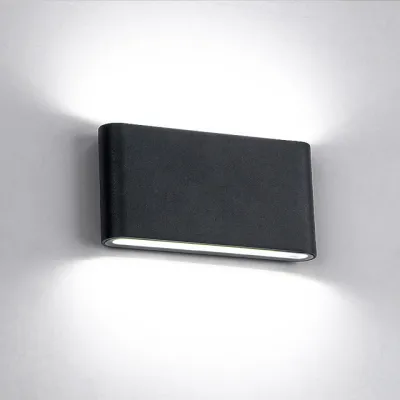
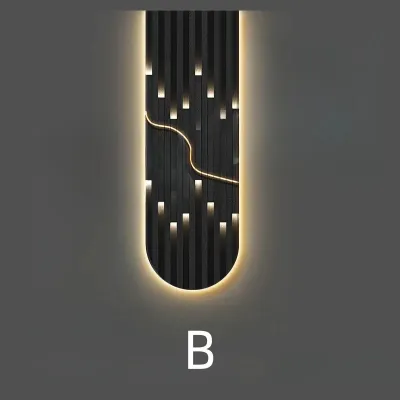
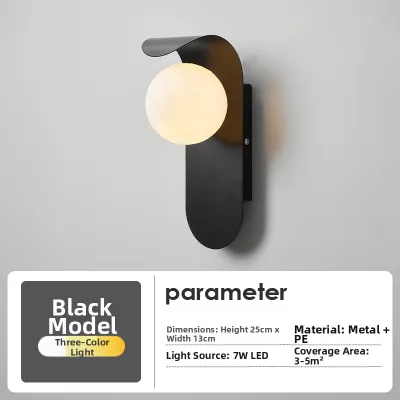
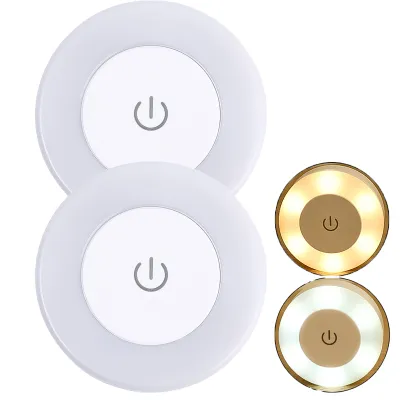
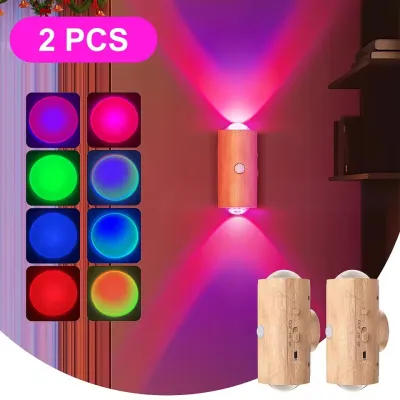
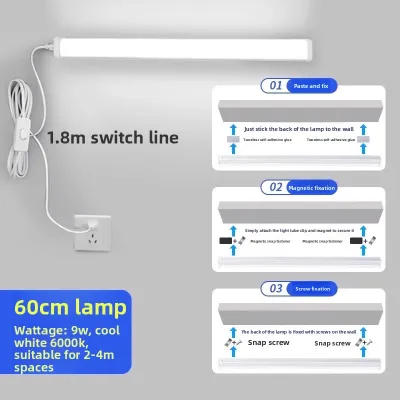
Prices are valid at publication and may change. Please refer to the product page for the latest price.
Optical engineering is another critical differentiator among wall lamp manufacturers. Corridors are narrow, meaning light sources are often in direct line of sight. Brands that prioritize optical comfort design fixtures with recessed light sources, indirect baffles, or high-quality frosted glass diffusers that distribute light evenly without causing harsh glare. Evaluate the Color Rendering Index (CRI) of the brand’s light sources; a CRI of 90 or higher is recommended to ensure that wall colors, artwork, and flooring are represented accurately. Additionally, check the color consistency rating, often expressed as a MacAdam ellipse step or SDCM (Standard Deviation of Color Matching). A rating of SDCM 3 or lower ensures that multiple lamps installed along the same corridor will emit an identical color temperature, avoiding distracting visual discrepancies.
Finally, assess the brand’s warranty terms and local after-sales support. A quality-focused manufacturer typically offers a comprehensive warranty of two to five years on both the LED light source and the internal driver. Verify whether the brand has an official local distributor, service center, or dedicated customer support team in Singapore. Local representation ensures that if a component fails prematurely, you can easily obtain a replacement or technical assistance without navigating complex international shipping procedures or facing prolonged delays.
Corridor Lighting Requirements and Spatial Constraints
The physical layout of Singaporean homes, such as HDB flats, executive condominiums, and private apartments, imposes specific spatial constraints on corridor lighting. Standard residential corridors are relatively narrow, often measuring between 90 and 120 centimeters in width. In these tight passages, any fixture that protrudes significantly from the wall can become a physical obstruction. Residents carrying large items, groceries, or moving furniture can easily bump into protruding lamps, causing damage to the fixture or injury. To maintain a clear path, select slim-profile or flush-mount wall lamps that protrude no more than 10 centimeters from the wall surface.

Achieving the right balance between wayfinding illumination and ambient light is essential for a comfortable corridor. Corridors do not require high-intensity task lighting; instead, they benefit from soft, uniform illumination that guides movement without creating dark corners or harsh shadows. Up-and-down wall sconces are highly effective in these spaces because they project light onto the ceiling and floor. This indirect lighting technique bounces light off reflective surfaces, making the narrow corridor feel wider and more open. When planning the layout, space the fixtures evenly along the wall, calculating the distance based on the lamp’s beam angle to ensure continuous light coverage without overlapping hot spots or dim gaps.
Control mechanisms and smart home integration are also key considerations for transitional spaces. Corridors are frequently used for short durations, making convenient switching or automation highly desirable. If you plan to integrate your corridor lighting with a smart home ecosystem, verify whether the wall lamp brand offers native smart compatibility or if the fixture can accommodate standard smart bulbs. For traditional wiring setups, ensure that the lamp’s driver is fully compatible with your wall switches, especially if you intend to use dimmers. Incompatible drivers can cause annoying issues such as high-pitched buzzing, visible flickering, or a limited dimming range, which detracts from the home’s comfort.
How to Verify Brand Claims and Product Specifications
To make an informed purchase, you must independently verify the technical specifications provided by wall lamp manufacturers. Begin by examining the physical product label or the official technical datasheet. The label must clearly state the rated voltage range, which should match Singapore’s standard mains supply of 230V AC at 50Hz. It should also list the power consumption in watts, the luminous efficacy (lumens per watt), and the power factor. A high-quality driver typically has a power factor close to 0.9, indicating efficient electrical consumption and lower heat generation.
The Ingress Protection (IP) rating is another critical specification to verify, depending on where the wall lamp will be installed. While standard dry corridors only require an IP20 rating, transitional zones require higher protection. If your corridor connects directly to a bathroom, a kitchen, or an open-air service yard where wind-blown rain or high humidity is common, look for fixtures with an IP44 rating or higher. This rating ensures the lamp is protected against solid objects larger than 1 millimeter and splashing water from any direction, preventing moisture from causing internal short circuits or corrosion.
Verify the lampholder type and interface standards of the fixture. Wall lamps generally fall into two categories: integrated LED fixtures and those with replaceable bulbs (such as E27, GU10, or G9 bases). Integrated LED fixtures allow manufacturers to create incredibly slim, modern designs because they do not need to accommodate a bulky bulb socket. However, if the LED module or driver fails, the entire fixture or driver must be replaced. Conversely, fixtures with replaceable bulbs offer simpler maintenance, as you can easily swap out a failed bulb or change the color temperature. Ensure that the chosen interface standard is widely available in Singapore retail stores to avoid sourcing difficulties later.
Before finalizing your selection, analyze long-term user reviews and feedback from local buyers. Look for recurring complaints regarding product reliability, such as drivers failing within the first year, audible buzzing during operation, or visible flickering. Pay attention to comments about the physical build quality, such as paint peeling, metal rusting, or acrylic diffusers yellowing over time. Yellowing diffusers are a common sign of low-grade plastics that degrade under UV exposure and heat, which significantly reduces light transmission and ruins the clean aesthetic of your corridor.
Sourcing and Purchasing Channels
Acquiring authentic wall lamps with valid warranties requires choosing the right purchasing channels in Singapore. Visiting physical lighting showrooms, which are concentrated in areas like Balestier, Jalan Besar, and Geylang, provides an invaluable opportunity for hands-on evaluation. In a showroom, you can observe the actual color temperature of the lamps—typically 2700K to 3000K for a warm, welcoming corridor atmosphere—and assess the physical build quality, finish, and protrusion of different models. Showroom staff can also provide technical advice regarding driver compatibility and installation requirements.
Large home improvement stores and established local hardware retailers are another reliable sourcing option. These retailers typically stock standardized products from reputable brands, ensuring that the items comply with local safety regulations. Purchasing from these physical stores offers the advantage of straightforward return policies, immediate product availability, and clear, locally enforceable warranty terms. If a fixture is defective out of the box, resolving the issue is usually as simple as returning to the store with your receipt.
E-commerce platforms and online marketplaces offer a vast selection of wall lamps, often at highly competitive prices. However, online shopping requires strict vigilance to avoid counterfeit products or parallel imports. Always purchase from official brand stores or authorized local distributors on these platforms. Verify that the online listing explicitly states compliance with Singapore’s electrical standards and includes local warranty coverage. Avoid buying fixtures directly from overseas sellers if they lack the necessary Safety Mark on the driver or are configured for different voltage standards, as these products may not function safely on Singapore’s electrical grid.
Installation Safety and Professional Boundaries
Installing wall lamps involves working with electrical circuits and mounting fixtures to structural surfaces, requiring strict adherence to safety protocols. Before commencing any installation, maintenance, or replacement, you must isolate the electrical power. Switch off the corresponding circuit breaker at the main Consumer Unit (DB box) and use a reliable, non-contact voltage tester at the wall box to confirm that no electrical current is present. Never rely solely on the wall switch to isolate the power, as improper wiring could leave the wires live even when the switch is in the off position.
Assess the structural integrity of the wall where the lamp will be mounted. Singapore homes feature various wall materials, and each requires a specific anchoring method. Structural walls in HDB flats and many condominiums are made of reinforced concrete, which requires a rotary hammer drill, masonry drill bits, and high-quality plastic or metal wall plugs to secure the mounting bracket. Non-structural partition walls, often found in bedrooms or newer apartment layouts, are typically made of gypsum plasterboard. These walls cannot support heavy fixtures using standard screws; instead, you must use specialized toggle bolts, hollow-wall anchors, or locate the internal timber or metal studs to secure the bracket safely.
Understanding professional boundaries is essential for both safety and legal compliance. In Singapore, the Energy Market Authority (EMA) regulates electrical works to protect consumers. While a homeowner can perform simple, like-for-like replacements of existing light fittings—provided the existing fixed wiring is not altered—any modification to the electrical installation must be carried out by a Licensed Electrical Worker (LEW) or a qualified electrician. This includes running new electrical wires, installing new lighting points along a corridor, or modifying the circuit breaker panel. Hiring a professional ensures that the installation complies with the Singapore Standard SS 638 (Code of Practice for Electrical Installations), minimizing the risk of electrical fires and ensuring your home insurance remains valid.
Frequently Asked Questions (FAQ)
Do indoor corridor wall lamps require a specific IP rating? (FAQ)
For standard, dry indoor corridors, an IP20 rating is perfectly adequate, as the fixture only needs protection against dust and finger contact. However, if the wall lamp is installed in a transitional corridor close to a bathroom door, a kitchen entrance, or an open service yard, it may be exposed to elevated humidity, steam, or occasional water splashes. In these specific locations, select a fixture with at least an IP44 rating to prevent moisture from penetrating the housing and causing electrical faults or corrosion.
How do I ensure the wall lamp voltage matches my home's electrical system? (FAQ)
To ensure compatibility, check the technical specifications label on the wall lamp or its driver before purchasing. The rated voltage must explicitly cover Singapore’s standard mains supply of 230V AC at 50Hz (often listed as 220V–240V, 50/60Hz). Avoid purchasing fixtures designed solely for 110V systems, which are common in other regions, as connecting them to Singapore’s mains supply will cause immediate, irreversible damage to the fixture and pose a severe fire hazard. If you are unsure about the voltage requirements or if the fixture uses a complex external transformer, consult a qualified electrician to verify compatibility before installation.

Community discussion
Share your experience or ask a question. Comments are reviewed before publication.