
Selecting reliable solar garden lights for Singapore’s outdoor spaces requires a careful look at technical specifications rather than relying on generic marketing claims. With frequent tropical downpours, sudden monsoonal storms, and year-round high humidity, outdoor fixtures face intense environmental stress. To ensure your garden lights solar setup survives these demanding conditions, you must evaluate specific Ingress Protection (IP) ratings, physical construction materials, and the integrity of internal seals.
While many products are labeled as “weatherproof” or “outdoor-safe,” these terms lack standardized definitions and often fail to guarantee protection against heavy rain. A truly resilient solar light must feature a certified waterproof housing that prevents moisture from reaching the sensitive battery and circuit boards. By understanding how to verify these claims and what design features to look for, you can make an informed purchase that offers long-term durability in Singapore’s wet climate.
Understanding Waterproof Ratings for Outdoor Solar Lights
To make an objective comparison between different solar garden light brands, you must understand the Ingress Protection (IP) rating system. This international standard classifies the degrees of protection provided against the intrusion of solid objects and liquids. The rating is always expressed as “IP” followed by two digits, where each digit represents a specific level of resistance.
Products mentioned in this guide
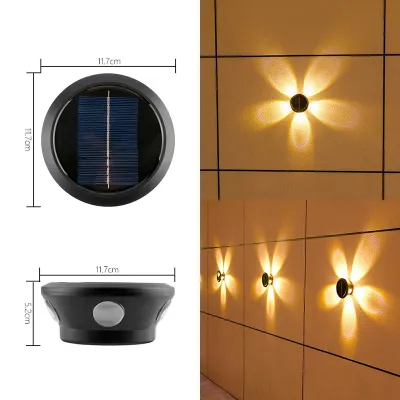
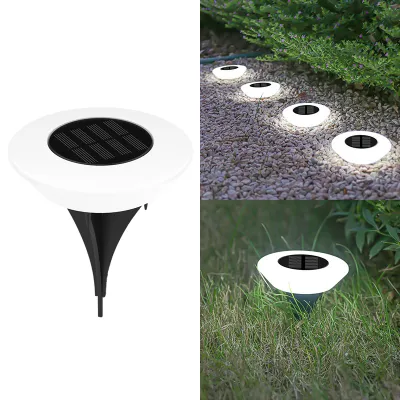
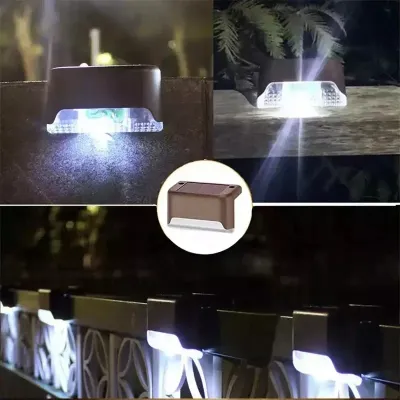
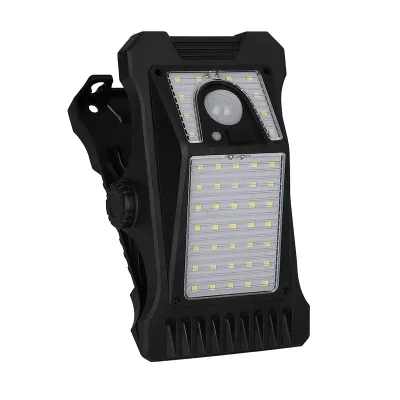
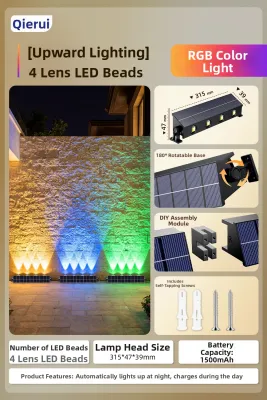
Prices are valid at publication and may change. Please refer to the product page for the latest price.
The first digit, ranging from 0 to 6, indicates protection against solid particles like dust, soil, and insects. For outdoor garden lights, a solid protection rating of 5 or 6 is standard, ensuring that fine dirt and debris cannot enter the housing and disrupt the electrical connections. In a garden environment, keeping soil and insects out of the fixture is crucial for maintaining long-term functionality.
The second digit, ranging from 0 to 9, is the most critical for Singapore’s rainy weather as it measures water resistance. A rating of 4 means the fixture can withstand splashing water from any direction, which is only sufficient for light drizzle. For reliable performance during heavy tropical downpours, you should look for a minimum liquid protection rating of 5, which protects against water jets projected by a nozzle. A rating of 6 offers protection against powerful water jets, while a rating of 7 indicates the fixture can withstand temporary immersion in water up to one meter deep for 30 minutes.
For ground-level installations, such as path lights or well lights that sit flush with the soil, an IP67 rating is highly recommended. During intense rainstorms in Singapore, water can quickly pool on lawns and garden beds before draining away. A light with an IP65 rating might succumb to water ingress if it becomes temporarily submerged in a puddle, whereas an IP67-rated light is specifically designed to survive these brief periods of submersion.
It is also important to recognize that a single IP rating might not cover the entire solar light assembly. Many solar garden lights feature a separate solar panel connected to the light fixture via a cable. In these configurations, the light fixture, the solar panel, and the connector joints may have different IP ratings. When evaluating a brand, verify that all exposed components—including the external battery compartment and wire connectors—carry an adequate waterproof rating to prevent localized short circuits.
When selecting your fixtures, also verify basic electrical specifications such as battery voltage, LED wattage limits, and safety certifications (such as CE or RoHS). Note that decorative style, perceived color temperature (such as warm white versus cool daylight), and spatial lighting effects are conditional aesthetic preferences; they do not influence the waterproof performance or physical durability of the fixture.
Key Design Features That Enhance Water Resistance
Beyond the official IP rating, the physical design and material composition of a solar garden light play a vital role in its ability to repel moisture over time. The choice of housing material directly impacts how the fixture handles constant exposure to high humidity and UV radiation. While cheap plastic housings may degrade, crack, and lose their seal within a few months under the intense tropical sun, high-quality materials maintain their structural integrity.

Acrylonitrile Butadiene Styrene (ABS) plastic and polycarbonate are excellent choices for durable, corrosion-resistant housings, provided they are UV-stabilized to prevent embrittlement. For a more premium aesthetic, anodized aluminum and marine-grade stainless steel offer exceptional resistance to rust and environmental wear. However, lower grades of stainless steel can still develop surface rust when exposed to constant moisture, so verifying the specific material grade is essential.
The method used to seal the joints and access points of the light housing is another critical factor. High-quality solar lights utilize thick, flexible silicone O-rings or gaskets at every seam, especially around the lens and the battery compartment cover. Silicone is preferred over standard rubber because it retains its elasticity and sealing properties under extreme temperature fluctuations and prolonged moisture exposure. The battery compartment should ideally be secured with stainless steel screws rather than simple plastic snap-clips, as screws provide even pressure across the gasket to maintain a tight seal.
The design of the solar panel itself also influences water resistance. Monocrystalline or polycrystalline solar panels protected by tempered glass are far more durable than those with a cheap resin or PET coating. Resin-coated panels tend to delaminate, turn cloudy, and allow moisture to seep into the solar cells over time, which permanently reduces charging efficiency. Additionally, the solar panel should be designed with a sloped surface to encourage rapid water runoff and prevent debris, such as fallen leaves or dirt, from pooling on top.
Inside the fixture, the electronic components require specialized protection against the high humidity levels typical of Singapore. Reliable brands often apply a conformal coating—a thin, protective polymer film—to the printed circuit board (PCB). This coating acts as a barrier against moisture, dust, and corrosive elements, preventing short circuits even if minor condensation manages to penetrate the outer housing. Furthermore, look for fixtures that use rust-proof internal hardware and coated electrical contacts to prevent galvanic corrosion at the battery terminals.
Evaluating Brand Reliability and Waterproof Warranties
When comparing different solar garden light brands, looking past the marketing claims on the packaging is essential. Many manufacturers use terms like “100% waterproof” or “all-weather resistant” without backing them up with certified testing or robust warranty coverage. To assess the true reliability of a brand, you should carefully examine their warranty terms and customer support structure.
A key indicator of a brand’s confidence in its product’s water resistance is the length and scope of its warranty. Standard warranties for outdoor solar lights typically range from six months to two years. However, you must read the fine print to check for water-damage exclusions. Some brands offer a warranty but explicitly state that damage caused by water ingress, flooding, or extreme weather is not covered. A brand that stands behind its IP65 or IP67 certification will cover water-related failures, provided the light was installed and maintained according to the instructions.
Having access to local customer service and support in Singapore is another major advantage. If a solar light fails due to water ingress, resolving the issue through a local distributor or an official brand store is much easier than dealing with overseas sellers on online marketplaces. Local support often means faster replacements, clearer communication, and a more straightforward return process, saving you from wasting money on unbacked products.
User reviews and community feedback can provide valuable real-world insights into how a brand’s lights perform over time. When browsing reviews on ecommerce platforms or home improvement forums, look for recurring complaints regarding moisture buildup inside the lens, rapid battery degradation after heavy rain, or lights that stop working after a few weeks of outdoor use. While occasional isolated failures can occur with any electronic product, a pattern of water-ingress complaints indicates poor quality control or design flaws.
Be cautious of brands that sell products at extremely low prices while claiming high waterproof ratings. Achieving genuine IP65 or IP67 certification requires rigorous testing, high-quality materials, and precise manufacturing standards, all of which add to the production cost. If a deal seems too good to be true, such as a multi-pack of lights for under S$10, the product may lack the necessary internal seals and conformal coatings required to survive Singapore’s intense wet season.
Installation and Maintenance Tips for Humid Climates
Proper installation and regular maintenance are crucial for maximizing the lifespan of your solar garden lights, even if you purchase high-quality, well-sealed fixtures. The placement of your lights can significantly affect their exposure to water and moisture accumulation. When planning your garden layout, avoid installing lights in low-lying areas of your lawn or garden beds where water tends to pool during heavy downpours.
If a light is placed in a depression, it may remain submerged for hours after a storm, which can overwhelm the seals of an IP65-rated fixture. Instead, position the lights on slightly elevated ground, well-drained soil, or gravel beds that facilitate rapid drainage. Additionally, keep solar lights away from the direct path of automatic garden sprinklers. Sprinkler systems often project water at high pressure and from angles that can force moisture past the seals of fixtures designed only to withstand natural rainfall.
While solar lights are generally low-voltage, DIY-friendly fixtures, some setups involve fixed wiring, such as remote solar panels mounted on roofs or high walls. For any installation that requires working at height, routing cables through building structures, or connecting to a hybrid mains-power backup, always isolate the power supply before starting work. If you are unsure about handling electrical connections or structural mountings, consult a qualified professional to ensure safety and compliance with local building standards.
Routine maintenance is simple but essential for keeping your solar lights functioning efficiently. Dust, dirt, pollen, and bird droppings can accumulate on the solar panel surface, blocking sunlight and reducing the battery’s ability to charge fully. Clean the panels every few weeks using a soft, damp microfiber cloth and plain water. Avoid using abrasive scrubbing pads, harsh chemical cleaners, or high-pressure water hoses, as these can scratch the panel surface, degrade the protective coatings, and damage the weather seals.
In Singapore’s humid climate, minor condensation can occasionally form inside the light lens due to temperature shifts between the hot day and cool night. If you notice persistent moisture buildup, turn off the light, carefully open the housing on a dry day, and wipe the interior with a dry cloth. Inspect the silicone O-ring for any signs of cracking, dirt, or misalignment. Applying a thin layer of silicone grease to the seal before reassembling the housing can help restore its waterproof integrity.
However, there are limits to DIY maintenance. If you open a fixture and find heavy rust on the circuit board, bloated batteries, or corroded wiring, the water damage is likely irreversible. In such cases, attempting to repair the unit is not recommended, and the light should be replaced. Continuing to use a severely water-damaged solar light can lead to battery leakage or complete electrical failure, making replacement the safest and most practical option.
Frequently Asked Questions (FAQ)
Can solar garden lights be left out during continuous heavy rain?
Yes, high-quality solar garden lights with a certified rating of IP65 or higher are designed to remain outdoors during continuous heavy rain. However, prolonged wet weather usually comes with heavy cloud cover, which significantly reduces the amount of sunlight reaching the solar panel. While the physical fixture will remain protected against water ingress, the battery will not receive a full charge, resulting in shorter operating times or the light failing to turn on at night until sunny conditions return.
Does high humidity affect the battery life of solar garden lights?
Yes, persistent high humidity can accelerate the degradation of internal batteries and electronic components. If a light lacks high-quality silicone seals or a conformal coating on its circuit board, moisture can slowly seep inside over time. This moisture leads to terminal corrosion, increased self-discharge of the battery, and potential short circuits. Choosing fixtures with fully sealed battery compartments and robust weatherproofing is essential to protect the internal electronics from humidity-induced wear.

Community discussion
Share your experience or ask a question. Comments are reviewed before publication.