
Selecting a reliable wireless LED wall light for a corridor involves more than just picking a recognizable name. Because corridors are high-traffic transition spaces, the ideal fixture must balance adequate illumination, sensor responsiveness, and battery longevity. In Singapore’s residential landscape—characterized by concrete HDB walls, compact condominium layouts, and high tropical humidity—selecting a brand involves verifying technical specifications, safety certifications, and physical mounting requirements. By focusing on objective performance metrics rather than brand popularity, you can establish a reliable lighting system that enhances safety and convenience in your home.
Defining Corridor Lighting Needs Before Choosing a Brand
Before comparing different brands on online marketplaces or in local lighting showrooms, you must define the specific functional and environmental requirements of your corridor. Corridors are not uniform; a long, windowless hallway in a condominium requires a different lighting strategy than a short transition space near an HDB entrance that receives natural light during the day. Understanding these spatial dynamics prevents you from purchasing fixtures that are either underpowered or excessively bright.
First, differentiate between the need for continuous ambient lighting and motion-activated task lighting. If your goal is to maintain a soft, continuous glow throughout the night to guide family members to the bathroom, you will need a brand that offers low-lumen, high-efficiency continuous modes. Conversely, if you require bright, immediate illumination only when someone steps into the hallway, prioritize brands that specialize in highly responsive passive infrared (PIR) motion sensors.
Products mentioned in this guide
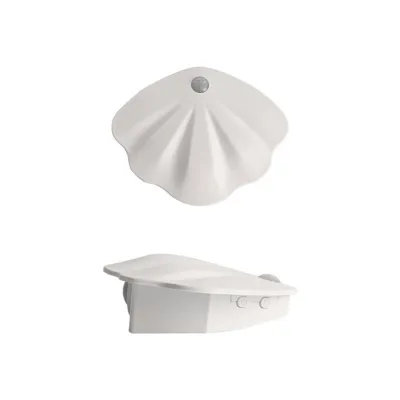
![[Local Seller] LED Smart Sensor Night Light Wireless USB Rechargeable Sensor Wall Light With Motion Sensor Suitable For Bedroom Hallway Cabinet Bathroom](https://img.lazcdn.com/g/ff/kf/S5c5c9fc1e688492aa1f2712a47792cf3L.jpg_400x400q80.jpg_.webp)
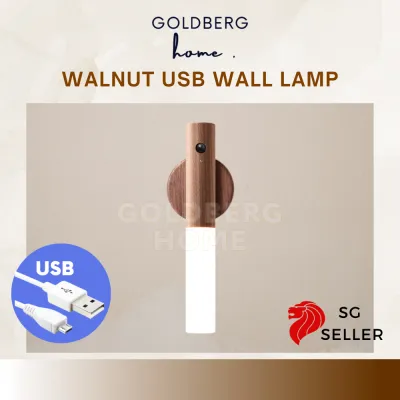
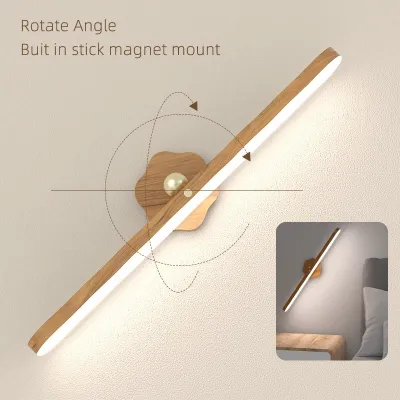
Prices are valid at publication and may change. Please refer to the product page for the latest price.
Second, assess the natural light availability in the corridor. Hallways that remain dark even during midday require fixtures with higher lumen outputs or adjustable brightness levels. The color temperature of the light also plays a significant role in night navigation. A warm white light (around 2700K to 3000K) is generally preferred for residential corridors as it is gentle on the eyes during late-night wakeups, whereas cool white light (4000K to 5000K) may be more suitable for utility corridors or transitional entryways where high visibility is paramount.
Finally, identify the physical constraints of your corridor. Measure the wall width and ceiling height to ensure the fixtures do not protrude into the walking path. Take note of any doors, built-in cabinets, or decorative items that could block the light distribution or obstruct the sensor’s field of view. If your corridor has multiple doorways opening into it, you may need a brand that offers wide-angle sensors or multi-directional light paths to ensure complete coverage without blind spots.
How to Evaluate Wireless LED Brand Reliability
Evaluating the reliability of a wireless LED wall light brand requires looking past subjective user reviews and focusing on verifiable engineering standards. Because these fixtures are self-contained electrical devices containing lithium-ion batteries and LED drivers, safety and build quality are critical.

Start by verifying the electrical safety and electromagnetic compatibility certifications of the brand’s products. For wireless lighting sold in Singapore, look for compliance with international safety standards such as CE, FCC, and RoHS. While low-voltage battery-operated devices do not always require the mandatory Consumer Protection Safety Mark applicable to mains-powered appliances, reputable brands will still subject their products to rigorous third-party testing. This ensures the internal charging circuitry, battery cells, and LED modules operate safely under continuous use.
Next, evaluate the brand’s transparency regarding sensor technology. Reliable manufacturers provide detailed specifications for their motion sensors, including the exact detection angle (typically between 100 and 120 degrees), the maximum detection range (usually 3 to 5 meters), and the sensor response time. Brands that use high-quality PIR sensors often include ambient light sensors as well, ensuring the light only activates in dark conditions to conserve battery power. Avoid brands that use vague terms like “smart sensing” without providing these technical parameters.
Thermal management is another critical indicator of brand quality. LED chips and lithium batteries degrade rapidly when exposed to excessive heat. In Singapore’s warm climate, enclosed wireless fixtures can trap heat during operation or while charging. Reliable brands design their fixtures with effective heat dissipation paths, using materials like aluminum or high-grade thermal plastics. Check the manufacturer’s documentation for mentions of thermal protection circuits or heat-sink designs, which prevent premature battery degradation and maintain consistent light output over the fixture’s lifespan.
Navigating Battery Life and Brightness Trade-offs
One of the most significant challenges with wireless LED wall lights is managing the inherent trade-off between brightness and battery life. Because these fixtures rely on internal power sources, higher lumen outputs naturally lead to faster battery depletion. Understanding how different brands manage this balance is key to selecting a practical lighting solution.
Analyze the relationship between battery capacity, measured in milliampere-hours (mAh), and the rated wattage of the LED. A fixture with a 2000mAh battery powering a 2-watt LED will deplete its charge much faster than a similar battery powering a 0.5-watt LED. However, the actual runtime depends heavily on the operating mode. For motion-activated lights, brands often calculate battery life based on a specific number of daily activations (for example, 10 activations per day for 15 seconds each). If your corridor experiences high foot traffic, the actual battery life will be significantly shorter than the manufacturer’s maximum estimate.
You must also compare the maintenance burden of different power designs. Some brands feature integrated, non-removable batteries that require you to take the entire fixture off the wall to charge via a USB cable. Other brands utilize removable battery packs or magnetic mounting systems that allow you to detach only the light unit or battery cartridge, leaving the base plate fixed to the wall. For high-traffic corridors where recharging occurs frequently, magnetic mounts or removable batteries offer a substantial convenience advantage.
Be cautious of proprietary low-power or “eco” modes advertised by some brands. While these modes successfully extend battery life, they often do so by drastically reducing the lumen output or shortening the sensor activation time. In a dark corridor, an excessively dimmed light may fail to provide sufficient illumination for safe navigation, defeating the purpose of the fixture. Look for brands that allow you to manually adjust the brightness levels and sensor durations so you can customize the balance between performance and power conservation.
Installation Constraints and Safety Checks in Singapore
Installing wireless wall lights in Singapore residential properties presents unique physical and regulatory considerations. Unlike drywall partitions common in Western countries, HDB flats and many condominiums feature solid concrete or structural brick walls. This material choice directly influences how you can mount your fixtures.
Assess the weight of the fixture and the compatibility of the mounting method. Many wireless LED wall lights are marketed as “no-drill” solutions that rely on double-sided adhesive pads. While adhesive mounting is convenient, heavy fixtures containing large battery packs may eventually fall, especially when applied to textured paint, wallpaper, or dusty concrete surfaces. Singapore’s high humidity can also weaken adhesive bonds over time. For heavier fixtures, prioritize brands that provide a mechanical mounting option, such as screw slots and wall plugs, to ensure the light remains securely anchored.
Safety regulations must also guide your installation choices. If you are installing lights in a shared common corridor outside your HDB flat, you must comply with local town council regulations. Fixtures must not protrude excessively into the walkway, as this can obstruct emergency evacuation routes or hinder the movement of wheelchairs and stretchers. Keep the profile of the wall light as slim as possible, and ensure it is mounted at a height that does not present a head-strike hazard.
Additionally, consider the environmental exposure of your corridor. Many HDB corridors are open-air or semi-enclosed, exposing fixtures to wind-blown rain, dust, and high ambient humidity. If your corridor is semi-outdoor, you must select a brand that offers fixtures with an appropriate Ingress Protection (IP) rating. A standard indoor wireless light will quickly fail if exposed to moisture, so verifying the environmental rating is essential for long-term durability.
Pre-Purchase Checklist: Reading Specs and Labels
To make an informed decision when browsing online marketplaces or visiting local retailers, use this structured checklist to evaluate and compare specific wireless LED wall light models:
- Lumen Output and Lux Levels: Look for verified lumen ratings (typically 50 to 150 lumens for corridor pathfinding) rather than subjective descriptions like "super bright." If available, check the lux rating at a distance of one meter to understand the actual light intensity on the floor.
- Color Rendering Index (CRI): Select fixtures with a CRI of 80 or higher. A higher CRI ensures that colors appear natural, which helps with spatial awareness and depth perception in narrow corridors.
- Ingress Protection (IP) Rating: For indoor, fully enclosed corridors, an IP20 rating is sufficient. For semi-outdoor or open-air corridors, look for at least an IP44 rating to protect against dust and splashing water.
- Battery Specification and Charging Port: Confirm the battery chemistry (lithium-ion or lithium-polymer are standard) and capacity. Prioritize fixtures that use modern USB-C charging ports over older Micro-USB ports, as USB-C offers faster charging times and better durability.
- Warranty and Local Support: Verify the warranty terms offered by the brand or local distributor. Ensure the warranty covers both the LED module and the battery component, and check if there is a local service center in Singapore to handle replacements or repairs. While budget options may cost under S$15, premium models with robust warranties can range from S$30 to S$60.
Frequently Asked Questions (FAQ)
Can wireless LED wall lights provide enough brightness for a dark corridor?
Yes, wireless LED wall lights can provide sufficient illumination for safe navigation, but they are generally designed for pathfinding rather than full-room ambient lighting. Because battery-powered fixtures must conserve energy, their maximum lumen output is lower than that of hardwired alternatives. To illuminate a long or dark corridor effectively, the best strategy is to distribute multiple lower-output, motion-activated fixtures along the length of the wall. This creates a continuous path of light as you walk, rather than relying on a single, high-output fixture that would rapidly drain its battery.
Are adhesive mounts safe for heavy battery-powered wall lights?
Adhesive mounts can be safe for lightweight fixtures, but they carry risks when used for heavier, battery-integrated wall lights. In Singapore’s warm and humid climate, the adhesive backing can degrade over time, leading to the fixture falling and sustaining damage. If you choose to use adhesive mounts, ensure the wall surface is thoroughly cleaned with isopropyl alcohol and is completely smooth. For any fixture weighing more than a few hundred grams, or those installed in high-traffic areas, it is highly recommended to use screw mounts and wall plugs for a secure, permanent installation.

Community discussion
Share your experience or ask a question. Comments are reviewed before publication.