
Transforming a bedroom into a cozy, personalized sanctuary often begins with the perfect set of fairy lights. To create a dreamy girl’s room aesthetic, the best fairy lights are those that align with the room’s design theme—whether that is a whimsical princess canopy, a clean minimalist desk, a textured bohemian corner, or a vibrant K-pop display—while meeting essential safety and power requirements. Selecting the right option involves evaluating bulb shapes, wire materials, power sources, and installation methods to ensure the final setup is both visually enchanting and completely safe for daily use.
By focusing on how the lighting interacts with the room’s existing elements, you can avoid common pitfalls like messy cabling, mismatched color temperatures, or wall damage. A thoughtful approach to selection ensures the lights serve as a seamless extension of the room’s personality rather than an afterthought. This guide provides a comprehensive framework to help you navigate the technical and stylistic choices involved in curating the ultimate bedroom lighting setup.
Defining the Room Aesthetic and Lighting Goals
Before purchasing any string lights, it is essential to define what you want the lighting to achieve in the space. Fairy lights generally fall into two categories: ambient background lighting and focal decorative accents. Ambient lighting, such as full-wall curtain lights, provides a soft, overall glow that can replace harsh overhead fixtures during evening wind-down routines. Focal accents, like shaped bulbs wrapped around a mirror or headboard, draw attention to specific features and add depth to the room’s layout.
Products mentioned in this guide
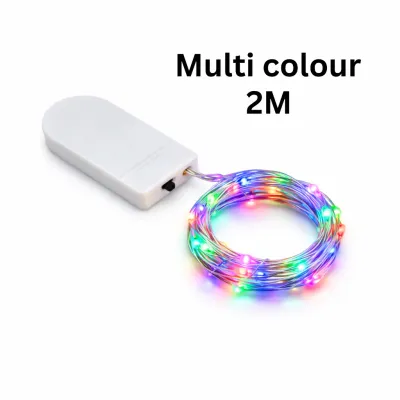
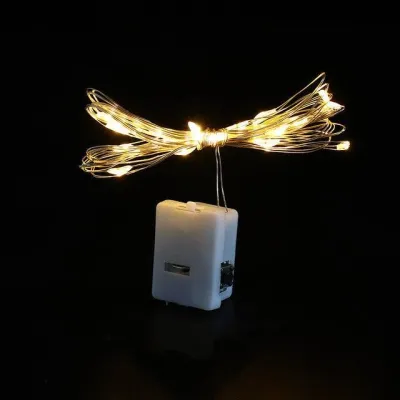
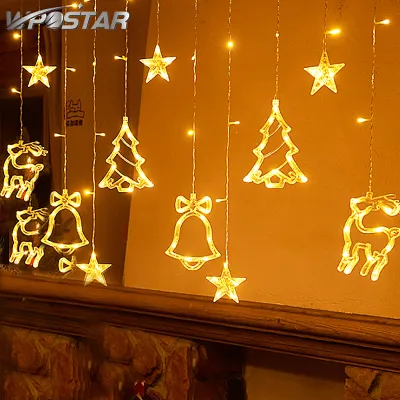
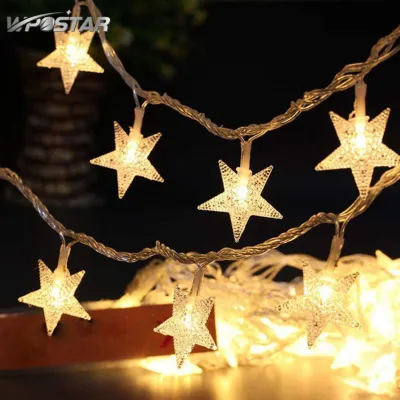
Prices are valid at publication and may change. Please refer to the product page for the latest price.
Evaluating the room’s existing color palette and furniture style is a crucial step in preventing visual clutter. If the bedroom features busy patterns, colorful wallpaper, or a high volume of decor items, opting for ultra-thin, delicate micro-LED copper wires can keep the space looking tidy. Conversely, in a room with neutral walls and simple furniture, larger decorative bulbs or textured string lights can provide the necessary visual interest to make the space feel complete.
Color temperature plays a defining role in establishing the room’s mood. Warm white lights (typically between 2700K and 3000K) emit a cozy, golden glow that promotes relaxation and sleep, making them ideal for traditional, rustic, or romantic themes. Cool white lights (4000K to 5000K) offer a brighter, cleaner light that works well for modern, minimalist spaces or study areas where clarity is preferred. Always check the product specifications for the exact color temperature to ensure consistency across all light sources in the room.
Matching Fairy Light Features to Popular Room Styles
Different bedroom themes require distinct lighting characteristics to look cohesive. By matching bulb shapes, wire materials, and color options to specific design movements, you can create a highly curated look. The following sections break down how to select the right light features for four of the most popular bedroom aesthetics.

Princess and Fairy-Tale Themes
To achieve a magical, romantic atmosphere reminiscent of a classic fairy tale, look for soft, delicate lighting elements. Warm white or pastel-tinted bulbs shaped like stars, moons, or delicate florals add a whimsical touch to the space. These decorative shapes work beautifully when woven through sheer bed canopies, draped over headboards, or hung alongside lightweight tulle curtains.
For these delicate setups, flexible copper or thin silver wires are highly recommended. These micro-wires are incredibly lightweight and virtually disappear when wrapped around bed frames or fabric, leaving only the glowing points of light visible. This creates the illusion of floating fireflies or stars suspended in the air.
Because these lights are often used as a comforting night light or bedtime companion, choosing a dimmable option is highly beneficial. Look for sets that include a remote control or inline dimmer switch, allowing you to lower the brightness to a soft whisper of light that does not disrupt sleep patterns.
Minimalist and Modern Aesthetics
Minimalist spaces thrive on clean lines, uncluttered surfaces, and functional design. For this aesthetic, avoid bulky decorative bulb shapes or colorful novelty designs. Instead, opt for uniform, tiny LED beads—often called dewdrop or micro-LED lights—mounted on straight, taut wires that can be aligned neatly along shelves, bed frames, or desk edges.
Neutral color temperatures are essential for maintaining a calm, modern environment. A neutral white (around 3500K to 4000K) or a very soft warm white complements clean white walls, grey tones, and metallic accents without making the room feel overly yellow or clinical. Ensure the wire color matches the mounting surface; silver wire blends seamlessly with white or grey walls, while black or copper wire suits darker wood or metal frames.
To preserve a serene and focused atmosphere, avoid light sets with aggressive flashing, chasing, or blinking modes. Instead, look for lights that offer a simple, steady-on function. If the lights do feature multiple modes, ensure the controller has a memory function so it defaults to your preferred steady setting every time you turn it on.
Boho and Rustic Vibes
Bohemian and rustic bedrooms rely heavily on natural textures, earthy tones, and a relaxed, lived-in feel. To enhance this warmth, select string lights that incorporate tactile materials. Cotton ball lights, rattan-wrapped spheres, or vintage-style Edison LED filaments on thick, textured cords add a beautiful organic element to the room even when turned off.
These textured lights pair naturally with bohemian decor staples such as macrame wall hangings, wooden headboards, woven tapestry backdrops, and indoor plants. Draping a string of warm amber lights loosely over a wooden ladder or weaving them through a hanging plant display emphasizes the cozy, hand-crafted nature of the style.
When selecting lights for a rustic space, pay close attention to the wire color. Bright silver or stark white plastic wires can look jarring against natural wood and earthy fabrics. Instead, choose copper wires, brown cords, or green wire options that blend effortlessly into natural materials and foliage.
K-Pop and Idol-Inspired Rooms
K-Pop and idol-inspired bedrooms are dynamic, expressive, and highly personalized, often serving as creative backdrops for photos or videos. To create a vibrant, high-energy space, look for color-changing RGB (Red, Green, Blue) LED strips or addressable pixel lights. These allow you to customize the color scheme to match your favorite group’s official colors or change the mood of the room instantly.
Incorporating curtain lights or specialized photo-clip string lights is an excellent way to display polaroids, concert tickets, and album covers. Photo-clip lights feature small, transparent pegs illuminated by LEDs, turning a blank wall into an interactive, glowing gallery of memories that can be easily updated over time.
When choosing smart or RGB lighting, verify that the controller offers robust customization. Look for systems that allow you to save custom color presets, adjust brightness levels, and control the lights via a smartphone app or a dedicated remote. This ensures you can transition from a bright, colorful photo setup to a calm, dim study environment with a single tap.
Choosing the Right Power Source and Placement
Selecting the appropriate power source is critical for both the functionality and the visual neatness of your installation. The three primary options are USB-powered, battery-operated, and plug-in mains adapters, each suited to different areas of the room.
USB-powered fairy lights are exceptionally versatile and ideal for desk setups, vanity mirrors, or headboards located near modern electronics. They can be plugged directly into computer monitors, gaming consoles, USB wall chargers, or even portable power banks. This power source is highly efficient and eliminates the need for bulky wall adapters, keeping your workspace or study area clean and organized.
Battery-operated options are the best choice for portable setups, temporary decorations, or hard-to-reach areas where no electrical outlets are nearby, such as inside a closet or on a high floating shelf. However, because constant use can drain batteries quickly, it is wise to use rechargeable batteries to minimize waste and ongoing costs. For permanent daily use, battery packs can become inconvenient, so reserve them for accent areas that are only turned on occasionally.
For large-scale, permanent installations—such as full-wall curtain lights, ceiling drapes, or extensive canopy setups—plug-in mains adapters are the most reliable option. They provide a consistent, bright power supply without the risk of dimming over time. When planning a plug-in installation, measure the distance from your desired starting point to the nearest wall outlet, and ensure the light set features a sufficiently long lead wire (the unlit portion of the wire between the plug and the first bulb) to avoid using unsightly extension cords.
Safety Checks and Electrical Compatibility
Electrical safety should always be your top priority when installing any lighting in a bedroom. Before purchasing, check the product label to ensure it is compatible with local electrical standards. In Singapore, plug-in electrical appliances must be compatible with a 230V, 50Hz power supply and should ideally carry recognized safety certifications, such as the Enterprise Singapore Safety Mark, to guarantee they have been tested for electrical safety.
If you plan to place fairy lights near humidifiers, indoor plant misters, or open windows where tropical rain might blow in, you must verify the product’s Ingress Protection (IP) rating. Standard indoor fairy lights are typically rated IP20, which offers no protection against moisture. For areas exposed to high humidity or occasional water droplets, look for lights rated IP44 or higher, which indicates they are protected against splashing water from any direction.
Inspect the physical build quality of the lights before installation. Look for thick, well-insulated wires and sturdy adapter casings. Low-quality, ultra-thin plastic wires can easily degrade, crack, or overheat, posing a fire hazard. Running your hand along the wire while the lights are on can help you check for unusual heat buildup; quality LED lights should remain cool to the touch even after several hours of continuous operation.
Wall-Safe Mounting and Maintenance
Installing fairy lights in a bedroom—especially in rental properties or HDB flats with painted plaster or concrete walls—requires damage-free mounting solutions. Avoid using nails, tacks, or heavy-duty mounting tape, which can chip paint, crack plaster, or leave stubborn adhesive residue that is difficult to remove.
Instead, use high-quality, removable adhesive hooks or clips specifically designed for delicate surfaces. Because Singapore’s tropical climate brings high indoor humidity, standard adhesive backings can sometimes lose their grip over time, causing the lights to fall. To prevent this, clean the wall surface thoroughly with rubbing alcohol to remove dust and oils, let it dry completely, and apply moisture-resistant adhesive strips, pressing firmly for at least thirty seconds before hanging the lightweight wires.
When positioning your lights, ensure they do not come into direct, prolonged contact with highly flammable materials such as lightweight paper decorations, synthetic fabrics, or bedding. While quality LEDs emit very little heat, maintaining a small clearance space around the bulbs is a fundamental safety practice that prevents heat trapping.
Finally, establish a simple maintenance routine to keep your setup looking pristine and operating safely. Dust can accumulate on delicate wires and bulbs over time, dulling their brightness and creating a potential allergen hazard. Periodically turn off and unplug the lights, then gently wipe the wires and bulbs with a dry, static-collecting microfiber cloth. During this cleaning, take a moment to inspect the entire length of the wire for any signs of fraying, loose connections, or animal damage, replacing the set immediately if any defects are found.
Frequently Asked Questions (FAQ)
Can I leave fairy lights on all night?
It is generally not recommended to leave fairy lights running unattended all night, even though modern LED bulbs produce significantly less heat than traditional incandescent bulbs. To ensure absolute safety and prolong the lifespan of your lights, always refer to the manufacturer’s guidelines regarding maximum continuous run times. A highly practical and safe solution is to plug your lights into a smart plug or use a set with a built-in timer function. This allows you to program the lights to automatically shut off an hour or two after you go to sleep, conserving energy and eliminating any safety risks while you rest.
How do I untangle and store string lights without breaking them?
To untangle string lights without damaging them, lay the bundle on a flat surface and work slowly from the plug end outward, gently loosening knots rather than pulling them tight. Pulling forcefully on a knotted wire can easily snap the delicate internal copper filaments, rendering the entire string useless. When storing your lights, avoid stuffing them loosely into a drawer or box. Instead, wrap the wire neatly around a sturdy piece of cardboard, a clean plastic spool, or the original packaging, securing the ends with a twist tie to ensure they remain tangle-free and ready for your next decorating project.

Community discussion
Share your experience or ask a question. Comments are reviewed before publication.