
Finding a reliable decorative mirror in Singapore requires looking far beyond the initial surface reflection. In a market filled with diverse home furnishing options, the ideal mirror must balance striking design with robust build quality capable of withstanding local environmental conditions. High relative humidity and specific residential wall structures mean that a mirror is not merely a decorative accessory, but a significant structural addition to your living space. By focusing on material integrity, glass specifications, and strategic placement, you can select a piece that elevates your interior design while remaining safe and durable for years to come.
Key Criteria for Assessing Mirror Design and Build Quality
Evaluating the physical and structural markers of a decorative mirror is essential to distinguish durable, high-quality pieces from those that only look appealing on a showroom floor. The frame material serves as the primary structural support and aesthetic boundary of the mirror. Solid wood frames offer timeless warmth and character, but they require careful sealing to prevent warping in Singapore’s humid climate. Hardwoods like teak, oak, or mahogany that have been treated with moisture-resistant finishes are highly durable, whereas untreated softwoods may expand and contract, compromising the frame’s integrity.
Medium-density fiberboard (MDF) is frequently used in modern, intricate frame designs due to its stability and resistance to splitting. However, standard MDF is highly susceptible to moisture absorption; when shopping for mirrors intended for bathrooms, entryways, or semi-outdoor spaces, verify that the manufacturer has utilized moisture-resistant MDF (MR MDF) sealed with high-quality lacquer. Metal frames, particularly those crafted from stainless steel, powder-coated aluminum, or solid brass, offer exceptional structural rigidity and a sleek, contemporary aesthetic. When inspecting metal frames, closely examine the corners to ensure the joints are welded smoothly, polished, and treated with anti-rust coatings to prevent oxidation over time.
Products mentioned in this guide
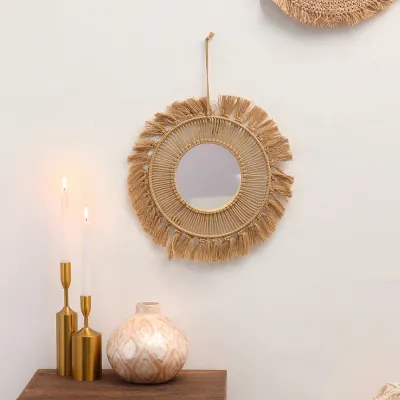
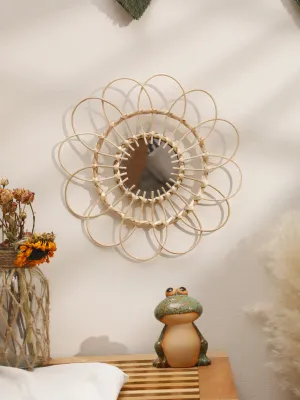
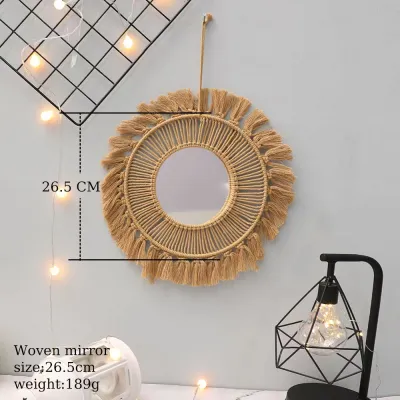
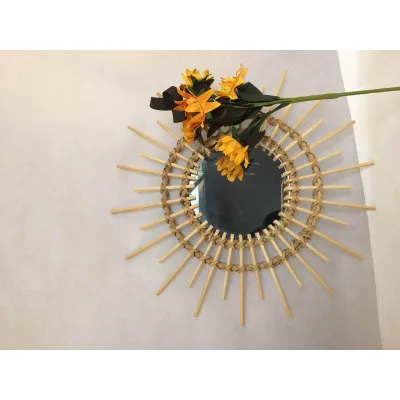
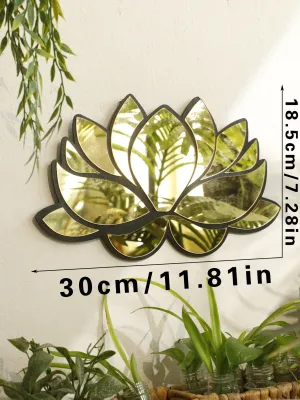

Prices are valid at publication and may change. Please refer to the product page for the latest price.
Beyond the frame material, the stability of the joinery determines the mirror’s lifespan. High-quality frames utilize reinforced miter joints, heavy-duty corner brackets, or robust wood screws rather than simple glue, staples, or plastic clips. A loose or poorly secured joint not only compromises the aesthetic alignment of the frame but also poses a safety risk if the glass slips out of its housing. Turn the mirror over in the showroom to inspect the back; a well-constructed frame will feature a neat, tightly fitted backing board that holds the glass firmly against the front lip.
The glass itself is the core of the mirror and dictates the clarity of the reflection. Standard household mirrors should ideally be 5mm or 6mm thick. Thinner 3mm glass is highly flexible and prone to bending under its own weight or frame pressure, resulting in a distorted “funhouse” reflection that can cause visual fatigue. Look for float glass that has been silvered using copper-free processes. Traditional mirrors use a copper layer that easily oxidizes when exposed to atmospheric moisture, leading to unsightly black edge corrosion (desilvering). Copper-free mirrors are significantly more resistant to humidity, ensuring the reflective backing remains pristine for decades.
Edge finishing is another key indicator of manufacturing standards. Beveled edges, where the glass is ground and polished at an angle around the perimeter, refract light beautifully and add a classic, sophisticated touch to the decor. Flat, highly polished edges offer a clean, minimalist look suitable for contemporary frames. Finally, assess the backing material and the pre-installed hanging hardware. A premium mirror features a solid, sealed backing board—often made of moisture-resistant engineered wood or heavy-duty plastic—to protect the silvering from scratches and humidity. The hanging hardware, such as heavy-duty D-rings or French cleat brackets, should be screwed directly into the frame or backing board rather than relying on flimsy wire or single-point hangers.
Maximizing Space and Light with Strategic Mirror Placement
Using mirror decor strategically is one of the most effective ways to visually expand rooms and enhance lighting in typical Singaporean apartments. Many local homes, particularly HDB flats and compact condominiums, feature deep layouts where natural light struggles to reach the inner corridors or dining areas. Placing a large decorative mirror directly opposite a primary light source, such as a sliding balcony door or a large living room window, effectively doubles the incoming daylight. This placement bounces natural light deep into the living space, creating a brighter, more inviting atmosphere during the day and reducing the need for artificial lighting.

To visually expand a compact room, consider using an oversized floor-standing mirror or a series of tall, vertical wall mirrors. Placing a tall mirror at the end of a narrow hallway or adjacent to a dining table draws the eye upward and outward, breaking the physical boundaries of the walls. The reflection creates a convincing illusion of an adjacent room, making tight spaces feel significantly more open and airy. For low-ceilinged apartments, vertical orientation is particularly effective, as it emphasizes the height of the room and distracts from the limited floor area.
While mirrors are excellent tools for spatial enhancement, improper placement can create visual discomfort and disrupt the harmony of your home. Avoid positioning a mirror where it directly reflects high-traffic clutter, such as an open kitchen utility area, a shoe rack, or a cluttered workspace. Reflecting clutter only doubles the visual noise in the room, defeating the purpose of creating a spacious feel. Furthermore, be mindful of direct glare; placing a mirror opposite a west-facing window can bounce harsh afternoon sunlight directly into your seating area, causing discomfort. Ensure the mirror reflects a pleasing view, such as indoor plants, a clean accent wall, or a soft lighting fixture, to maintain a harmonious flow.
Consider the scale of the mirror in relation to the furniture below or around it. A mirror placed above a sideboard or console table should ideally be slightly narrower than the furniture piece itself—typically around 60% to 80% of the furniture’s width. This ratio prevents the mirror from looking top-heavy while still providing a substantial visual impact. For a balanced look, hang the mirror so that its center point sits at eye level, which is approximately 1.5 meters from the floor, adjusting slightly depending on the height of the surrounding furniture.
Pre-Purchase Checklist: Verifying Specifications and Safety
Before committing to a purchase, it is crucial to verify that your selected mirror fits your intended space, aligns with your decor style, and meets safety requirements. Measure your intended wall space precisely, accounting for the entire frame width and depth rather than just the glass dimensions. Leave at least 10 to 15 centimeters of “breathing room” between the mirror frame and adjacent furniture, door frames, or electrical switches to prevent the wall from looking overcrowded. If you are placing a mirror in a high-traffic hallway, ensure the frame depth does not protrude too far into the walking path.
Verify the structural composition of your wall, as this dictates how a heavy mirror must be mounted. Most HDB flats feature reinforced concrete or solid brick walls, which require a rotary hammer drill and appropriate masonry plugs to secure heavy loads safely. In contrast, newer condominiums and partitioned rooms often use drywall or gypsum boards. Drywall cannot support heavy mirrors on its own; you must locate the internal timber or metal studs using a stud finder or use specialized heavy-duty toggle bolts. Always verify the weight of the mirror against the load capacity of your wall anchors and brackets before proceeding with installation.
Because mirrors are highly fragile and often heavy, review the retailer’s delivery and return policies carefully. Ensure the brand offers specialized white-glove delivery services that handle fragile items with care, rather than relying on standard courier services. Check if the shipping includes insurance against transit damage and verify that the packaging standards involve robust wooden crates or thick high-density foam corner protectors. A reliable brand will have clear, hassle-free policies for replacing items damaged during delivery, giving you peace of mind during the checkout process.
Additionally, consider the tools and hardware required for installation. A complete pre-purchase checklist should include verifying whether the mirror comes with the necessary mounting brackets, screws, and wall plugs, or if you need to purchase them separately. Having a spirit level, a measuring tape, and a pencil on hand is essential for ensuring the mirror is hung perfectly straight. If the installation involves drilling into concrete or working at height, ensure you have access to the correct safety equipment, or plan to hire a professional handyman to complete the task safely.
Where to Find and Evaluate Decorative Mirror Brands in Singapore
While online shopping offers convenience, visiting physical home decor showrooms in Singapore is the most reliable way to evaluate mirror quality before making a purchase. Showrooms in design hubs like the Tan Boon Liat Building, Ubi, or the Outram area allow you to inspect the frame finishes up close and tactilely assess the structural rigidity of the pieces. Walk slowly past the mirror from a distance of two to three meters; any warping or distortion in your reflection indicates low-quality glass that should be avoided. Feel the weight of the frame and inspect the backing and joinery firsthand to ensure they meet your standards.
Multi-brand home furnishing retailers and boutique design galleries are excellent places to discover reliable mirror brands. These retailers often vet their suppliers for manufacturing standards, ensuring that the frames and glass meet premium quality benchmarks. Staff at these establishments can also provide detailed technical specifications regarding the materials used and recommend professional installation services. When visiting these showrooms, do not hesitate to ask about the origin of the glass, the warranty on silvering, and the recommended maintenance procedures for the specific frame materials.
When researching brands online, look past the initial five-star ratings that only praise the aesthetic appeal. Focus on detailed customer reviews on independent forums or online marketplaces that discuss long-term durability, resistance to humidity, and the condition of the product upon delivery. Pay close attention to feedback regarding the pre-installed hanging hardware and whether customers experienced any issues with desilvering or frame warping after several months of exposure to Singapore’s climate. This balanced approach ensures you invest in a decorative mirror that is both beautiful and built to last.
Frequently Asked Questions (FAQ)
How do I clean and maintain decorative mirrors without damaging the frame?
To keep your decorative mirror pristine, use a soft, lint-free microfiber cloth. Dampen the cloth slightly with a mild, non-ammonia glass cleaner or a simple mixture of distilled water and white vinegar. Never spray any liquid cleaner directly onto the mirror surface, as the overspray can run down the glass and seep behind the frame. This trapped moisture can attack the silver backing, leading to irreversible black edge corrosion. Avoid using abrasive sponges, paper towels, or harsh chemical solvents that can scratch the glass or strip the protective finish off wood and metal frames. For delicate frames with gold leafing or antique finishes, use a dry, soft feather duster or a dry microfiber cloth to gently remove dust.
What is the safest way to hang a heavy decorative mirror on a drywall partition?
Hanging a heavy decorative mirror on a drywall partition requires careful planning to prevent structural failure. First, determine the exact weight of the mirror using a scale. Use a stud finder to locate the vertical timber or metal studs behind the drywall, as anchoring directly into these studs provides the strongest support. If the studs do not align with your desired mirror placement, you must use heavy-duty drywall anchors, such as steel toggle bolts or hollow wall anchors, which expand behind the drywall board to distribute the weight. Ensure the combined weight rating of the anchors exceeds the mirror’s weight by a safe margin. If the mirror is exceptionally heavy, or if you are unsure of the wall’s internal structure, stop immediately and hire a qualified professional handyman to complete the installation safely.

Community discussion
Share your experience or ask a question. Comments are reviewed before publication.