
Finding reliable decorative lights for your home in Singapore requires looking beyond aesthetic appeal to verify electrical safety certifications, build quality, and environmental suitability. Because Singapore homes operate on a standard 230V electrical supply, choosing uncertified or poorly insulated lights poses real risks of short circuits, electrical shocks, or fire hazards. A truly reliable brand is defined by its transparency, compliance with local safety regulations, and clear product specifications rather than marketing buzzwords or low price points.
By understanding how to evaluate technical specifications, inspect physical components, and match product features to your specific living spaces, you can confidently select decorative lights that are both beautiful and safe. This guide provides a practical framework to help you evaluate brands, understand key safety standards, and navigate purchasing channels to ensure your home decoration project is a long-term success.
Key Criteria for Evaluating Fairy Light Brand Reliability
Electrical Safety and Local Certifications
When shopping for decorative lights in Singapore, safety must be your primary consideration. Mains-powered decorative lights, as well as the AC adapters used for low-voltage LED strings, are classified as controlled goods under the Consumer Protection (Safety Requirements) Registration Scheme. This means they must be tested to specified safety standards and carry a valid Safety Mark issued by Enterprise Singapore. The Safety Mark features a unique registration number that can be verified on the official government database, ensuring the product has undergone rigorous testing for insulation, heat resistance, and electrical stability.
Products mentioned in this guide
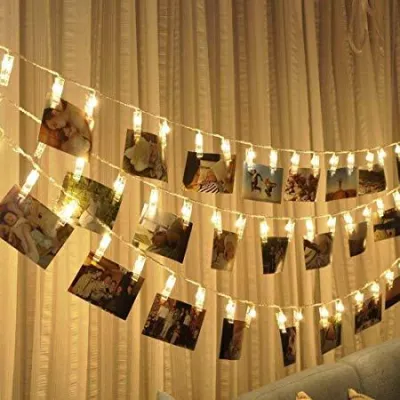
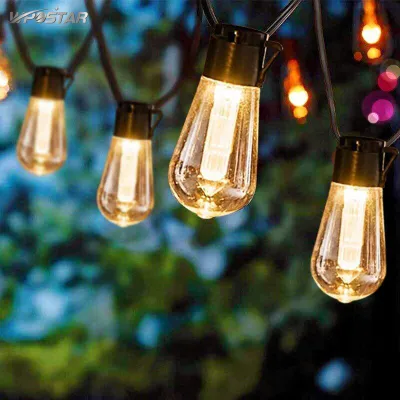
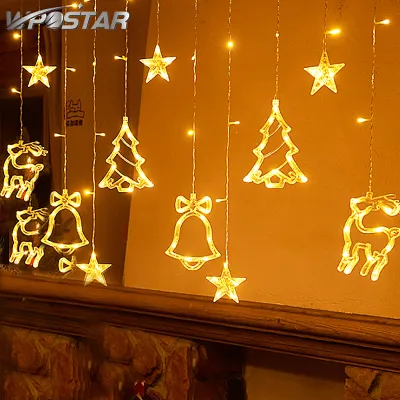
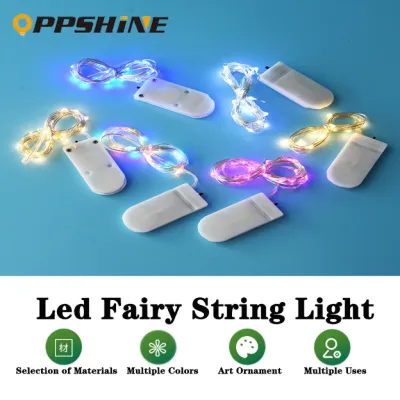
Prices are valid at publication and may change. Please refer to the product page for the latest price.
In addition to the Safety Mark, you must verify that the voltage rating matches Singapore’s standard electrical grid, which operates at 230V AC with a frequency of 50Hz. Using lights designed for lower voltage systems (such as 110V systems common in other regions) without a proper transformer will cause immediate product failure and severe electrical hazards. Furthermore, look for products that feature a standard Type G three-pin plug or a certified USB connector. Avoid relying on flimsy, uncertified travel adapters for long-term decorative installations, as these connections can easily overheat or loosen over time.
Physical Build Quality and Materials
The physical construction of a fairy light string is a direct indicator of its reliability and lifespan. High-quality brands use thick, multi-stranded copper wire cores that can withstand bending and tension during installation. The insulation surrounding these wires should be robust yet flexible; cheap brands often use thin, brittle PVC plastic that cracks easily when bent, exposing live copper wires. For safety, look for double-insulated cables, which feature an extra layer of protective sheathing over the individual insulated wires.
LED chip consistency and housing construction also set reliable brands apart. Reputable manufacturers use high-grade LED chips that deliver uniform brightness and color temperature across the entire length of the string. Cheap alternatives often exhibit noticeable color shifts or varying brightness levels from one bulb to the next. Additionally, the plastic or epoxy resin casings housing the LED chips must be securely sealed to prevent moisture ingress and physical damage. Proper heat dissipation design is equally critical; while LEDs naturally run cooler than traditional incandescent bulbs, poorly designed internal circuitry can still generate excessive heat at the connection points, shortening the lifespan of the lights and posing a safety risk.
Warranty and After-Sales Support
A brand’s confidence in its product is reflected in its warranty terms and customer support infrastructure. Reliable brands typically offer a clear, written warranty period—often ranging from six months to a year or more—covering manufacturing defects and premature component failure. They also provide accessible customer service channels and clear return policies, allowing you to easily exchange a defective item.
In contrast, generic or unbranded decorative lights sold on online marketplaces rarely come with any warranty beyond a basic return window. If a segment of an unbranded light string fails after a few weeks of use, you are often left with no recourse but to discard the entire product. Choosing a brand with a local presence or established distribution network in Singapore ensures that you can access replacement parts, such as compatible power adapters or extension cables, without having to purchase a completely new set of lights.
Matching Brand Features to Your Decoration Needs
Indoor vs. Outdoor Environmental Ratings
Before purchasing decorative lights, you must determine whether they will be installed indoors or outdoors, as the environmental demands of these spaces are vastly different. Singapore’s tropical climate, characterized by high humidity, frequent heavy rainfall, and intense sunlight, is exceptionally harsh on electrical components. To ensure safety and longevity, you must verify the Ingress Protection (IP) rating of the lights.

For indoor environments, standard decorative lights with a basic IP20 rating are generally sufficient, as they are protected against solid objects but offer no protection against water. However, for outdoor installations—such as balconies, patios, gardens, or building facades—you must select lights with a minimum rating of IP44, which protects against splashing water from all directions. For fully exposed outdoor areas subject to heavy downpours, look for IP65 or IP67 ratings, which indicate complete dust protection and resistance to water jets or temporary immersion. Never use indoor-rated lights in an outdoor setting, even under a covered porch, as ambient humidity can quickly corrode the internal wiring and cause a short circuit.
Power Source Configurations
Fairy lights are available in several power configurations, each suited to different installation scenarios and usage patterns. Mains-powered (plug-in) lights are ideal for permanent, high-brightness installations where a power outlet is easily accessible. They provide a consistent, uninterrupted power supply, making them perfect for large Christmas trees, wall displays, or outdoor patio lighting. However, they require careful cable management to ensure the power cord reaches the outlet safely without creating a tripping hazard.
USB-powered lights offer a versatile middle ground, operating at a lower, safer voltage (typically 5V) and allowing you to power them using wall adapters, power banks, or computer ports. This makes them highly portable and convenient for temporary setups or areas without nearby wall outlets. Battery-operated lights, usually powered by AA or AAA batteries, offer maximum portability and are excellent for small tabletop centerpieces, wreaths, or temporary event decorations. However, they are less suitable for continuous, long-term use due to the ongoing cost of replacement batteries and the gradual dimming of the LEDs as the battery power depletes.
Smart Integration and Aesthetic Customization
Modern decorative lights often feature advanced control options, allowing you to customize the lighting effect to match your mood or home decor. Many reliable brands offer dimming capabilities, color-changing options (RGB), and pre-programmed lighting patterns. When choosing dimmable lights, ensure that the dimming method (such as an inline controller, a dedicated remote, or a mobile app) is fully compatible with the product’s power adapter to prevent flickering or buzzing.
Smart home compatibility is another increasingly popular feature, enabling you to integrate your decorative lights with platforms like Apple Home, Google Home, or Amazon Alexa. This allows you to set schedules, control the lights remotely, or link them to motion sensors. While these features add convenience, they also introduce additional electronic components that must be manufactured to high standards. Ensure that the smart controller and its associated mobile application are regularly updated by the manufacturer to maintain security and compatibility with your home network.
Where to Buy and How to Verify Product Authenticity
Choosing Verified Purchasing Channels
To ensure you are purchasing genuine, safe, and high-quality decorative lights, you should prioritize authorized retail channels. Buying directly from official brand websites, physical showrooms, or authorized local distributors in Singapore is the most reliable way to guarantee product authenticity. These retailers are legally obligated to comply with local consumer protection laws and safety standards, giving you peace of mind that the products have been properly vetted.
If you prefer shopping on online marketplaces, look for verified flagship stores or official brand malls within the platform. These sellers are authenticated by the platform and are directly managed by the brand or its authorized distributors. Avoid purchasing from third-party sellers with vague descriptions, extremely low prices, or a lack of clear contact information, as these listings are highly likely to feature counterfeit, uncertified, or substandard products.
Inspecting the Product Upon Delivery
Once your decorative lights arrive, perform a thorough physical inspection before plugging them into an electrical outlet. Start by checking the packaging for essential information, including the manufacturer’s name, model number, electrical specifications (voltage, wattage, and frequency), and the Singapore Safety Mark on the power adapter. The Safety Mark should be clearly printed, legible, and accompanied by its unique registration number.
Next, examine the physical plug and power adapter. The plug pins should be straight, sturdy, and properly aligned to fit securely into a standard Singapore wall socket. The adapter casing should be made of thick, flame-retardant plastic and feel solid to the touch; it should not rattle or have loose internal components when gently shaken. Inspect the entire length of the wire string, ensuring that the insulation is intact, the LED connections are secure, and there are no exposed copper strands or sharp edges.
Identifying Common Red Flags
Being able to spot red flags can save you from purchasing hazardous electrical products. One of the most common warning signs is an unusually low price. If a 10-meter string of mains-powered decorative lights is being sold for a fraction of the price of established brands, it is highly likely that the manufacturer has cut corners on safety, wire thickness, or insulation quality.
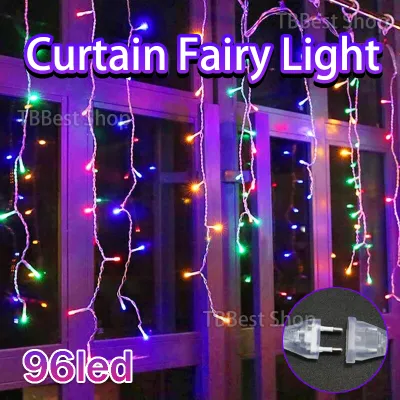
Other red flags include generic, unbranded packaging that lacks manufacturer contact details, batch numbers, or safety instructions. Be wary of products that arrive with foreign plug types (such as two-pin flat plugs) accompanied by cheap, uncertified travel adapters, as these do not meet Singapore’s electrical safety standards for permanent home use. Additionally, if the product description on an online marketplace contains contradictory information regarding its IP rating or voltage compatibility, avoid purchasing it, as this indicates a lack of quality control and product verification.
Essential Installation and Safety Checks Before Use
Pre-Use Inspection Checklist
Before installing your decorative lights, always perform a quick safety check to ensure the product has not been damaged during storage or transit. Unroll the light string completely and lay it flat on a non-conductive surface, such as a wooden floor or table. Visually inspect the entire length of the cable for any signs of wear, including frayed insulation, exposed wires, or pinched sections.
Check each LED bulb housing to ensure it is not cracked, loose, or missing. If your lights feature a controller box or an inline switch, inspect the casing for cracks or loose buttons. Once the visual inspection is complete, plug the lights in and turn them on for a few minutes while they are still laid out. Observe the string for any flickering, uneven brightness, or unusual heat buildup. If you notice any of these issues, unplug the lights immediately and do not proceed with the installation.
Safe Cable Routing and Placement
Proper cable routing is essential to prevent physical damage to the lights and eliminate safety hazards in your home. Avoid running cables across high-traffic walkways where they can become tripping hazards or be stepped on, which can damage the internal copper wires over time. Never route cables through doorways, window frames, or under heavy furniture where they can be pinched, crushed, or severed.
Keep decorative lights away from direct heat sources, such as heaters, stoves, or high-power appliances, as excessive heat can melt the wire insulation and cause a short circuit. When securing the lights to walls, furniture, or outdoor structures, use plastic cable clips, zip ties, or non-conductive hooks. Never use metal staples, nails, or tacks to secure the wires, as these can easily pierce the insulation and contact the live wires inside, creating a severe shock or fire hazard.
When to Call a Professional
While most decorative light installations are straightforward DIY projects, certain scenarios require professional expertise to ensure safety. If your decoration plans involve integrating fairy lights into your home’s fixed electrical wiring, installing high-load lighting systems that exceed standard circuit capacities, or mounting heavy suspended light fixtures at a significant height, you must consult a qualified professional.
For complex outdoor installations, especially those near water features, swimming pools, or exposed garden areas, a licensed electrical worker (LEW) should be hired to install dedicated outdoor-rated power outlets with Residual Current Circuit Breaker (RCCB) protection. Always isolate the power supply at the main circuit breaker before attempting any installation work near existing electrical wiring. If you are ever unsure about the electrical load calculations, wiring safety, or structural support required for your lighting display, stop the installation immediately and seek professional assistance.
Frequently Asked Questions (FAQ)
Can I use indoor fairy lights outdoors if they are under a covered patio?
No, you should never use indoor-rated fairy lights in any outdoor environment, even if they are placed under a covered patio or balcony. Indoor lights typically carry an IP20 rating, meaning they offer no protection against moisture or water ingress. Singapore’s ambient outdoor humidity is exceptionally high, and wind-blown rain or condensation can easily penetrate the unsealed LED housings and wire connections. This moisture accumulation will lead to rapid corrosion of the internal copper wiring, causing short circuits, electrical shocks, or potential fire hazards. Always verify that the lights carry an appropriate outdoor rating, such as IP44 or higher, before installing them in any semi-outdoor or outdoor space.
Do battery-operated fairy lights from reliable brands last longer than plug-in ones?
In terms of physical product lifespan, the high-quality LED chips used in both battery-operated and plug-in lights from reliable brands have a similar operational life, often rated for tens of thousands of hours. However, their daily performance and maintenance requirements differ significantly. Plug-in lights provide a consistent, uninterrupted power supply, maintaining uniform brightness indefinitely. Battery-operated lights, on the other hand, experience a gradual decline in brightness as the batteries discharge. Additionally, battery-operated setups carry the risk of battery acid leakage if left unused for extended periods, which can permanently damage the battery box and internal circuitry. For long-term, high-brightness installations, plug-in or USB-powered options are generally more practical and cost-effective.

Community discussion
Share your experience or ask a question. Comments are reviewed before publication.