
Selecting the right wall sconce brands for your corridor in Singapore requires balancing spatial constraints, local safety regulations, and material durability against the tropical climate. Corridors in local apartments, whether Housing & Development Board (HDB) flats or private condominiums, often present unique architectural challenges such as limited natural light, narrow walkways, and concrete structural walls. To ensure your lighting fixtures are safe, durable, and visually effective, you must focus on verifying brand credentials, material specifications, and local electrical compatibility.
This guide provides a comprehensive framework to help you evaluate wall sconce brands and select the perfect fixtures for your hallway. By understanding your space’s physical limits and the technical standards required in Singapore, you can make an informed purchase that enhances both the safety and style of your home.
Understanding Corridor Lighting Requirements
Corridors are transitional spaces that require careful lighting planning to avoid a tunnel-like atmosphere. In Singapore, hallway layouts vary significantly; some are completely enclosed interior passages, while others open up to semi-outdoor service yards or entryways. You must first measure your corridor’s width and ceiling height. A narrow hallway of less than 1.2 meters wide requires low-profile fixtures to prevent residents from accidentally bumping into them.
Products mentioned in this guide
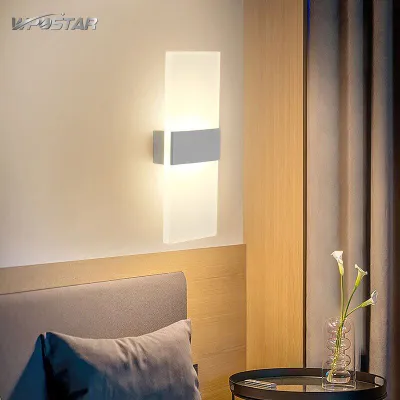
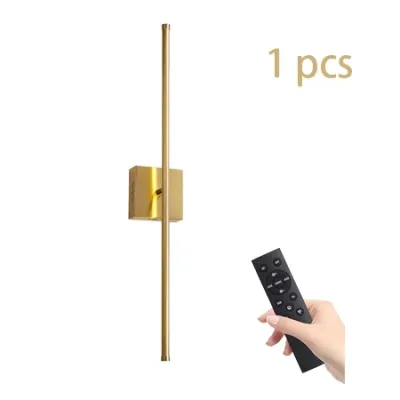
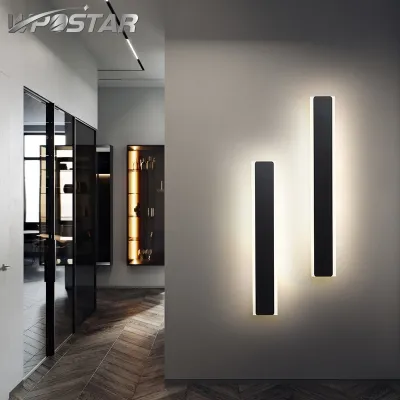
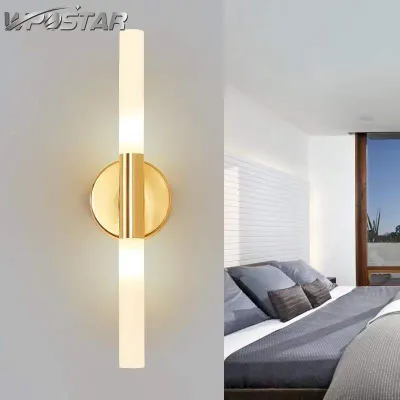
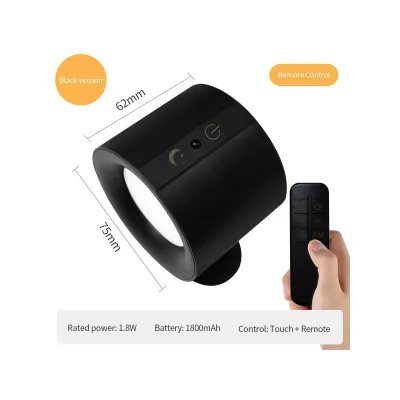
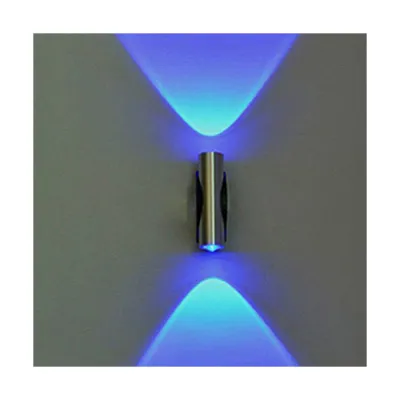
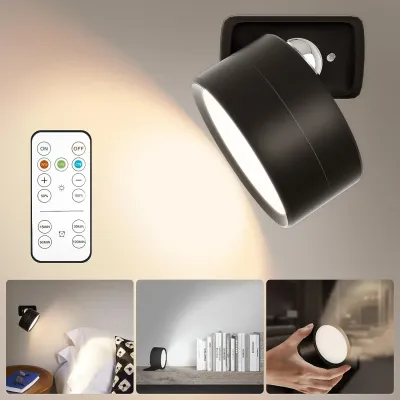
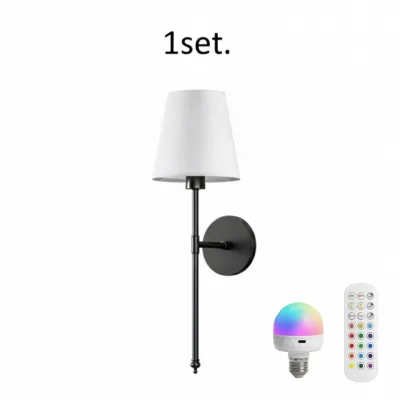
Prices are valid at publication and may change. Please refer to the product page for the latest price.
Brightness levels, measured in lumens, should be sufficient for safe navigation without causing visual discomfort. For a standard residential corridor, a light level of 100 to 150 lux at floor level is generally recommended. To achieve this, look for sconces that distribute light evenly rather than focusing a harsh beam on a single spot.
Color temperature also plays a critical role in setting the mood. Warm white (2700K to 3000K) creates a welcoming, cozy ambiance, whereas cool white (4000K) offers a cleaner, more modern look that can make a small space feel larger. Your choice should align with the existing color palette of your walls and flooring.
Glare is a common issue in narrow corridors where light sources are positioned close to eye level. To mitigate this, prioritize brands that offer fixtures with integrated diffusers, frosted glass, or indirect optical designs. Sconces that direct light upward (uplights) or downward (downlights) use the wall surface to reflect and soften the illumination, effectively eliminating harsh glare while highlighting the texture of your walls.
Key Criteria for Evaluating Wall Sconce Brands
When assessing wall sconce brands in Singapore, safety compliance must be your primary filter. All electrical appliances and light fittings sold locally should comply with the safety standards set by Enterprise Singapore. Look for brands that carry the Safety Mark, which indicates the product has been tested and certified safe for use with Singapore’s standard 220V-240V, 50Hz electrical grid. Avoid purchasing unbranded or uncertified fixtures from overseas online marketplaces, as they may lack proper insulation or surge protection.

Singapore’s high relative humidity, which often hovers around 80% or higher, poses a significant challenge for metal light fixtures. Cheaply plated metals or low-grade steel can quickly tarnish, rust, or pit when exposed to the humid air, even indoors. When evaluating brands, look for those utilizing high-quality materials such as solid brass, anodized aluminum, powder-coated steel, or copper. Brands that apply superior anti-corrosion coatings to their indoor fixtures ensure long-term aesthetic appeal.
A brand’s reliability is also reflected in its warranty terms and after-sales support. Trustworthy manufacturers typically offer a minimum of a one-year warranty on the fixture itself, with some extending this to three or five years for integrated LED modules. Verify whether the brand has a local distributor or service center in Singapore. This ensures you can easily source replacement parts, such as proprietary LED drivers or matching glass shades, without having to wait weeks for international shipping.
Finally, reputable brands provide comprehensive technical documentation. When browsing a brand’s catalog, look for detailed specification sheets that include precise dimensions, wattage limits, compatible bulb bases (such as E27 or GU10), and photometric data. Photometric charts, which show the light distribution pattern, are invaluable for planning how many sconces you need and how far apart they should be spaced to achieve uniform illumination.
Design and Functional Styles for Hallways
The physical profile of a wall sconce is a critical design consideration for narrow Singaporean corridors. Flush-mount or low-profile sconces, which protrude less than 10 centimeters from the wall, are highly recommended for tight spaces. These designs minimize the risk of snagging clothing or blocking the passage of bulky furniture. If your corridor is wider, you have more flexibility to choose semi-flush designs that project further out to make a bolder design statement.
The direction of light emission determines the spatial effect of the sconce. Uplights direct illumination toward the ceiling, making low ceilings appear higher by drawing the eye upward. Downlights cast a pool of light on the floor, which is excellent for highlighting beautiful flooring materials or guiding footsteps safely. Bi-directional sconces, which cast light both up and down, create a dramatic hourglass pattern on the wall, adding visual interest and architectural depth to an otherwise plain corridor.
Functionality should also adapt to different times of day. A corridor that requires bright, clear light during the day may benefit from softer, low-level lighting at night. Consider brands that offer dimmable sconces or fixtures compatible with smart dimming protocols. This allows you to transition from functional daytime lighting to a gentle nightlight mode, preventing sudden eye strain when navigating the hallway in the dark.
To maintain visual harmony throughout your home, match the finish and style of your wall sconces with existing architectural hardware. If your interior doors feature matte black handles or brass hinges, selecting sconces with matching metallic accents creates a cohesive, curated look. Whether your home style is Scandinavian, industrial, or modern luxury, the sconce should complement, rather than clash with, the surrounding decor.
Where to Source and Verify Brands in Singapore
While online shopping offers convenience, visiting physical lighting showrooms in Singapore is highly recommended before making a final decision. Showroom hubs, such as those located along Balestier Road or in the Jalan Besar district, allow you to inspect the build quality of different brands firsthand. You can feel the weight of the metal, examine the seamlessness of the joints, and observe the actual color rendering index (CRI) of the light source under realistic conditions.
If you prefer to shop online, stick to official brand stores or authorized local distributors on reputable e-commerce platforms. Always verify the seller’s credentials and check if the product listing explicitly states compliance with local safety standards. Be cautious of listings with vague specifications or suspiciously low prices, as these often indicate counterfeit products or grey-market imports that do not carry the necessary local warranties or safety certifications.
For unique or high-end designer brands, consulting an interior designer can grant you access to trade-only showrooms and exclusive catalogs. Designers often have direct relationships with distributors and can recommend niche brands known for exceptional durability and design innovation. They can also assist in verifying that the chosen fixtures match your home’s electrical layout and overall design scheme.
Before finalizing your purchase, cross-reference user reviews and forum discussions from local homeowners. Look for feedback that specifically mentions how the fixtures perform over time in Singapore’s climate. Pay attention to comments regarding color shifting in LED modules, driver failures, or signs of corrosion on the metal housing, as these real-world insights can help you avoid unreliable brands.
Installation and Safety Considerations
Proper installation is crucial for the safety and longevity of your corridor wall sconces. Before purchasing any fixture, you must verify the existing wiring and junction box conditions in your hallway. If you are replacing old sconces, check if the new fixtures match the mounting hole patterns of your existing junction boxes. If you are installing sconces on a bare wall, new wiring will need to be run, which requires careful planning to conceal the conduits.
The structural material of your corridor walls dictates the installation method and weight limits. In Singapore, HDB flats typically feature solid concrete or masonry walls, which require heavy-duty wall plugs and masonry drill bits to secure the fixtures safely. Conversely, some condominium units and landed properties utilize drywall partitions. Drywall installations require specialized hollow-wall anchors to distribute the weight of the sconce and prevent the fixture from pulling loose over time.
Electrical work in Singapore must always prioritize safety. For any fixed wiring installations, adding new electrical points, or integrating smart switches, you should hire a Licensed Electrical Worker (LEW) certified by the Energy Market Authority (EMA). A professional electrician ensures that the wiring complies with local electrical codes, prevents circuit overloads, and guarantees that the power is safely isolated during the installation process.
Lastly, consider the environmental conditions of your corridor. If your hallway connects directly to an open-air balcony, a semi-outdoor service yard, or is adjacent to a bathroom, standard indoor fixtures may not suffice. In these areas, look for sconces with an appropriate Ingress Protection (IP) rating. An IP44 rating, for example, ensures the fixture is protected against splashing water and solid objects larger than 1 millimeter, preventing moisture from causing short circuits or internal corrosion.
Frequently Asked Questions (FAQ)
How high should wall sconces be installed in a standard corridor?
For a standard residential corridor, wall sconces are typically installed between 1.5 meters and 1.8 meters above the finished floor level. This height range positions the light source near eye level for most adults, providing effective illumination while keeping the fixture out of the direct line of sight to prevent glare. If your corridor has exceptionally low ceilings, you may want to mount the sconces slightly lower, around 1.5 meters, to maintain a balanced visual proportion.
When installing multiple sconces along a long hallway, spacing is key to achieving uniform light distribution. A general rule of thumb is to space the fixtures approximately 1.8 meters to 2.4 meters apart. This spacing prevents dark spots between the lights while ensuring the corridor does not feel overly crowded with fixtures. Adjust the spacing slightly based on the light output (lumens) of your chosen sconces to maintain a comfortable, continuous flow of light.
Can I use smart bulbs in standard corridor wall sconces?
Yes, you can use smart bulbs in standard wall sconces, provided the fixture features a compatible, replaceable bulb base such as E27 or GU10. Before purchasing, check the physical dimensions of the smart bulb, as they are often slightly larger than traditional bulbs due to internal wireless components. Ensure the sconce’s shade or housing offers sufficient space and ventilation, as heat buildup can shorten the lifespan of smart bulb electronics.
If you plan to use smart bulbs, you must also consider how they interact with your physical wall switches. Leaving a traditional wall switch turned off will cut power to the smart bulb, rendering its smart features useless. To resolve this, you can install smart switch guards, use wireless smart buttons, or replace the physical wall switch entirely with a compatible smart switch. Additionally, ensure your sconce is connected to a non-dimming circuit, as standard wall dimmers can cause smart bulbs to flicker or malfunction.

Community discussion
Share your experience or ask a question. Comments are reviewed before publication.