
Scented tea lights offer a compact, versatile way to introduce ambient lighting and delicate fragrance into your living space. Choosing the best scented tea lights for your home depends on matching the right fragrance family—floral, woody, citrus, or fresh—to your specific room layout, daily activities, and personal sensitivities. By understanding how these scent profiles interact with your home’s airflow and temperature, you can curate a welcoming atmosphere that enhances your daily routines without overwhelming your senses.
Understanding Fragrance Families for Home Aromatherapy
Fragrance families categorize scents based on their dominant olfactory characteristics, providing a reliable framework for designing your home’s sensory environment. The four primary fragrance families—floral, woody, citrus, and fresh—each exert a distinct influence on the mood and perceived temperature of a room. Floral scents bring a soft, comforting elegance, while woody notes offer grounding warmth. Citrus aromas provide a bright, energizing lift, and fresh scents deliver a crisp, clean sensation that mimics open air.
Matching these scent families to specific rooms maximizes their benefits while respecting the function of each space. For instance, a relaxing bedroom or a quiet bathroom benefits immensely from the soothing qualities of floral or soft woody notes, which encourage rest and recovery. Conversely, a lively living room or a home office is better served by energizing citrus or crisp, fresh profiles that promote focus and vitality.
Products mentioned in this guide
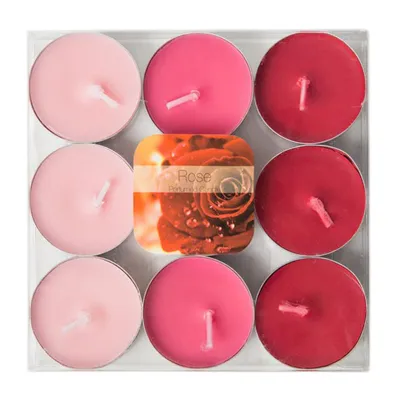
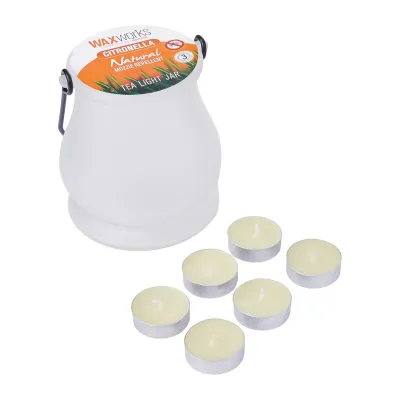
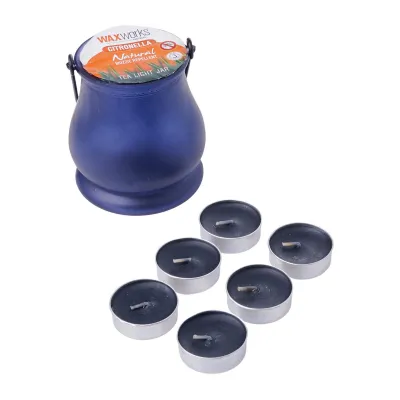
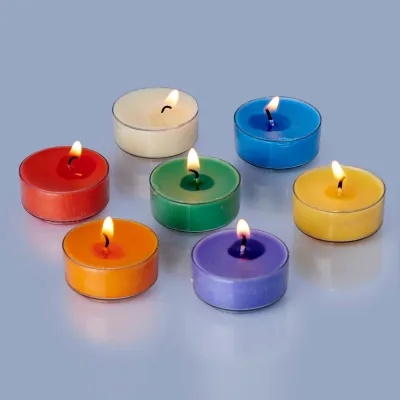
Prices are valid at publication and may change. Please refer to the product page for the latest price.
When selecting a fragrance family, it is crucial to consider the sensitivities of everyone in your household, including young children and pets. Animals have highly sensitive olfactory systems, meaning strong or highly concentrated scents can cause them discomfort. Opting for milder scent profiles and burning them in well-ventilated areas ensures a pleasant experience for all residents.
How to Evaluate Scented Tea Lights Before Buying
Evaluating the quality of a tea light requires looking beyond the packaging design to examine its physical and chemical composition. The wax type is the most critical factor influencing how cleanly a candle burns and how effectively it disperses fragrance. Soy wax, coconut wax, and beeswax are popular natural options known for burning cleanly with minimal soot production, making them excellent choices for enclosed indoor spaces. Paraffin wax, while highly effective at carrying strong scents, can produce more soot if the wick is not properly maintained.

The source of the fragrance also plays a vital role in the overall experience and safety of the candle. Essential oils offer authentic, botanically derived aromas but can sometimes be subtle and sensitive to high heat. Synthetic fragrance oils, when formulated safely, provide a wider variety of complex, long-lasting scents and are often more stable under high temperatures. Checking labels for phthalate-free and allergen-disclosed formulations helps ensure a safer burn.
Wick quality and burn time are key indicators of a well-constructed tea light. High-quality wicks are typically made of braided cotton, paper, or wood, which promote an even melt pool across the tiny metal or plastic cup. A standard tea light should ideally offer a consistent burn time of three to five hours, depending on the wax density and wick size. Checking the manufacturer’s specifications on the packaging helps you gauge whether the candle will last through a typical evening dinner or a relaxation session.
Finally, always verify the safety labeling and compliance marks before making a purchase. Reputable brands clearly list safety warnings, usage instructions, and ingredient disclosures on their packaging. In Singapore, look for clear safety symbols indicating proper usage, and ensure the tea light cups are made of heat-resistant materials like flame-retardant polycarbonate or sturdy aluminum to prevent surface damage.
Building Your Shortlist by Fragrance Family
Creating a curated shortlist of scented tea lights involves filtering products based on ingredient transparency and scent descriptions. Look for brands that clearly state their wax blends and fragrance sources rather than relying on vague marketing terms. High-quality tea lights often feature complex scent profiles with top, middle, and base notes that harmonize beautifully. Avoid products that exhibit a harsh, chemical smell even before they are lit, as this cold throw is often a strong indicator of low-quality synthetic ingredients that may cause headaches or sensory fatigue.
Floral Scents
When selecting floral tea lights, prioritize botanical notes that mimic the true essence of flowers rather than heavy, artificial perfumes. Look for specific ingredients like lavender, jasmine, rose, or chamomile, and check if the product utilizes natural extracts or high-grade, safe synthetics. High-quality floral candles should smell delicate and airy, evoking the feeling of a fresh garden rather than a dense cosmetic counter.
Avoid tea lights with overly sweet, generic descriptions such as “floral paradise” or “sweet blossom” without any specific ingredient disclosures. These often contain low-grade synthetic compounds that can quickly become cloying and cause sensory fatigue in smaller rooms.
Floral scents are exceptionally well-suited for bedrooms, guest rooms, or bathrooms. In these spaces, the gentle, calming properties of lavender or chamomile help create a serene, spa-like environment perfect for winding down after a long day in a bustling city like Singapore.
Woody Scents
Woody tea lights are perfect for adding a sense of warmth, depth, and sophistication to your home. Seek out grounding notes such as sandalwood, cedarwood, vetiver, or amber. To prevent the aroma from feeling too heavy or suffocating, look for blends that balance these deep base notes with lighter top notes like citrus or soft herbs.
It is essential to verify that woody tea lights use clean-burning waxes. Because woody fragrances rely on heavy, complex molecules, poor-quality waxes can easily distort these rich scents into acrid, smoky, or chemical odors when heated. A clean soy or coconut wax base ensures the woody notes remain smooth and true to life.
These warm, grounding scents are ideal for living rooms, study areas, or home libraries. They create a cozy, inviting atmosphere during rainy afternoons or provide a focused, calming backdrop for evening work sessions.
Citrus Scents
To keep your home feeling bright and energized, look for citrus tea lights featuring notes of lemon, bergamot, grapefruit, or mandarin. Prioritize products that mention cold-pressed essential oils or natural citrus extracts, which deliver a crisp, authentic zest rather than a harsh, household-cleaner chemical sharpness.
Because citrus top notes are highly volatile and evaporate quickly, they can sometimes lose their potency mid-burn. To ensure a sustained scent throw, choose citrus tea lights that are blended with stabilizing base notes like light wood, vanilla, or green tea, which help anchor the bright citrus notes throughout the candle’s lifespan.
Citrus fragrances are highly effective in kitchens, home offices, or dining areas. They excel at neutralizing cooking odors, boosting morning alertness, and creating a refreshing, vibrant atmosphere that helps combat midday sluggishness.
Fresh Scents
Fresh scents encompass clean, aquatic, herbal, or green notes such as eucalyptus, mint, sea salt, sage, or fresh linen. When shopping for this family, look for clean, crisp descriptions and ensure the formula does not rely on harsh, ammonia-like synthetic undertones that can irritate the respiratory tract.
The key to a great fresh tea light is subtlety. The fragrance should conceptually purify and lighten the air, making the room feel breezy and open, rather than masking existing odors with a heavy blanket of perfume.
These breezy scents are highly recommended for high-traffic areas, entryways, or utility spaces. They provide an immediate sense of cleanliness and hospitality as soon as you step through the front door, making them perfect for refreshing compact apartment layouts.
Safe Usage and Maximizing Scent Throw
Operating tea lights safely is just as important as selecting the right fragrance. Always place your tea lights on a stable, heat-resistant surface, well away from drafts, open windows, and flammable materials like curtains or paper. Because of their small size, it is easy to underestimate their heat; always keep them completely out of reach of children and curious pets to prevent accidental tips.
To maximize the scent throw and ensure an even burn, allow the tea light to burn until the wax pool completely melts across the entire surface of the cup. This prevents tunneling and ensures that the fragrance oils are dispersed efficiently. Avoid burning tea lights for excessively long periods beyond their rated capacity, and never leave a burning candle unattended.
Maintaining proper ventilation is crucial for preserving indoor air quality, especially in modern, tightly sealed apartments. While you want to enjoy the fragrance, keeping a window slightly ajar or ensuring gentle airflow prevents the buildup of combustion byproducts and keeps the scent from becoming overwhelmingly concentrated.
When it is time to extinguish your tea light, use a candle snuffer or gently blow out the flame while shielding the surrounding area to prevent hot wax from splashing. Never use water to extinguish a wax fire, as this can cause a dangerous steam explosion. Ensure the wick is completely extinguished and no longer glowing before leaving the room.
Frequently Asked Questions (FAQ)
How long should a standard scented tea light burn?
The burn time of a standard scented tea light typically ranges between three to five hours. This duration depends heavily on the type of wax used, the size and material of the wick, and the manufacturer’s specific formulation. Natural waxes like soy or beeswax often burn more slowly and evenly than paraffin wax. To get the most out of your candle, always check the packaging for the manufacturer’s stated burn hours and avoid burning them in drafty areas, which can cause the wax to consume too quickly or unevenly.
Can I use scented tea lights in unventilated rooms?
It is highly discouraged to burn scented tea lights, or any candles, in completely sealed or unventilated rooms. Burning candles consumes oxygen and releases trace amounts of particulate matter and organic compounds into the air. In a closed space, these particles can accumulate rapidly, potentially causing respiratory irritation, headaches, or allergic reactions. This is particularly important for individuals with asthma, allergies, or chemical sensitivities. To enjoy your scented tea lights safely, always ensure there is some degree of active airflow or ventilation in the room.

Community discussion
Share your experience or ask a question. Comments are reviewed before publication.