
Finding the right desk clock in Singapore depends entirely on your environment, as a clock designed for aesthetic appeal rarely meets the silent, functional demands of a bedroom or the high-readability needs of an office. By understanding how different clock categories align with your daily routines, you can select a timepiece that serves as a reliable tool rather than a source of distraction.
Quick Guide: Matching Desk Clock Brands to Your Daily Needs
Selecting a desk clock requires balancing functionality with the specific demands of your space. A clock that excels in a brightly lit office may fail miserably on a bedside table, while an intricate decorative piece might prove too difficult to read during a fast-paced workday. Defining your primary environment is the first step toward making a successful purchase.
Three main use cases dictate desk clock design: office productivity, bedroom sleep hygiene, and decorative styling. Because these environments have conflicting requirements, manufacturers rarely attempt to build a single model that serves all three perfectly. For instance, a bedroom clock requires dim lights and silent gears, whereas an office clock prioritizes high-contrast visibility and multi-functional displays.
Products mentioned in this guide
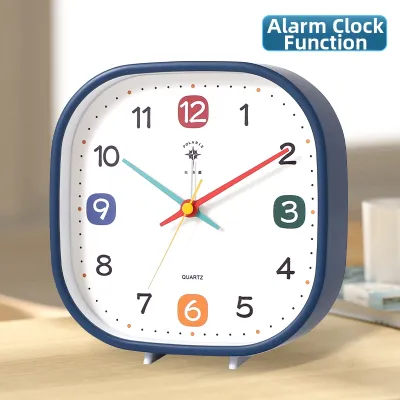

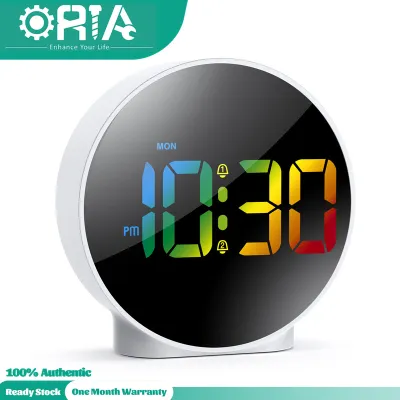
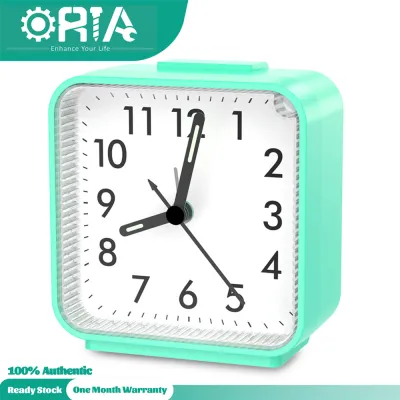
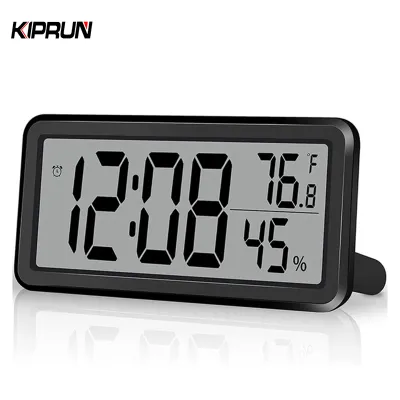
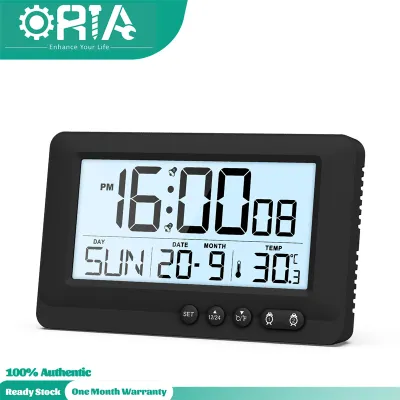
Prices are valid at publication and may change. Please refer to the product page for the latest price.
To evaluate your options effectively, focus on a core decision matrix. Consider the noise level of the movement, the display technology, the power source, and the physical footprint. Balancing these four factors against your daily routine will quickly narrow down the market to the most suitable categories.
Evaluating Brands for Office Professionalism and Productivity
In a professional workspace, a desk clock should enhance focus rather than disrupt it. Brands that cater to corporate and home office environments prioritize clean layouts, high-contrast dials, and distraction-free operation. A quick glance should tell you the exact time without forcing you to squint or shift your posture.

Silent sweep movements are highly recommended for workspaces. Traditional quartz movements produce a stepped ticking sound that can become highly irritating during quiet periods of deep concentration. Look for brands that explicitly specify a continuous sweep mechanism, which glides smoothly and silently around the dial.
When choosing between digital and analog displays, consider your workflow. Digital displays offer precise, down-to-the-second tracking and often integrate secondary productivity tools like calendars, temperature sensors, or dual-time zone displays for international collaboration. Analog clocks, on the other hand, provide a visual representation of passing time, which many professionals find helpful for pacing tasks and managing meetings.
Be mindful of the trade-offs associated with advanced office clocks. Models with unshielded digital screens can catch glare from overhead office lighting, making them difficult to read. Conversely, cheap analog options may claim to be silent but can still emit a faint, high-pitched hum under quiet conditions, so verifying user feedback on noise levels is essential.
Selecting Brands for Bedroom Functionality and Sleep Hygiene
The bedroom demands strict control over light and noise pollution to protect your sleep quality. Clock brands designed for nightstands focus heavily on non-disruptive displays and gentle waking mechanisms that respect your body’s natural circadian rhythms.
Light management is the most critical feature of a bedside clock. Many standard digital clocks utilize bright blue or white LED backlights, which can interfere with melatonin production and disrupt sleep. Look for brands that offer adjustable brightness levels, auto-dimming ambient sensors, or warm-toned orange or red displays. Some models keep the screen completely dark until you tap the top of the clock, ensuring a pitch-black sleeping environment.
For analog bedroom clocks, a completely silent sweep movement is non-negotiable. Even a soft, rhythmic tick can prevent you from falling asleep or wake you during light sleep cycles. Always verify that the clock uses a silent quartz movement rather than a standard stepping motor.
Alarm functionality also varies significantly across brands. Avoid models with abrupt, loud alarms that startle you awake, as these can spike your heart rate and leave you feeling groggy. Instead, seek out brands featuring progressive alarms that start softly and gradually increase in volume, paired with an easily accessible, tactile snooze button that you can find without opening your eyes.
Finding Brands for Decorative Appeal and Interior Styling
When a clock is intended for a living room mantel, a study bookshelf, or a stylish reception desk, its aesthetic value often takes precedence over advanced features. Decorative clock brands focus on premium materials, classic design heritages, and physical presence.
Material selection plays a massive role in how a clock complements your interior styling. Mid-century modern designs often feature warm, bent plywood or solid walnut casings that pair well with organic, minimalist spaces. For industrial or modern classic interiors, look for brands utilizing brushed metals, polished brass, or heavy mineral glass that catch the light beautifully.
Keep in mind that highly decorative clocks often trade readability for style. Skeleton clocks with exposed, moving brass gears are visually mesmerizing but can make the hands difficult to distinguish at a distance. Similarly, minimalist dials that omit numbers or hour markers require a moment of mental calculation to read. Accept these trade-offs if your primary goal is to create a visual focal point.
Scale and proportion are vital when placing a decorative clock. A massive, heavy vintage clock will overwhelm a small, modern floating shelf, while a tiny minimalist clock will get lost on a grand executive desk. Measure the visual weight of the clock against your existing decor, and always check user reviews or visit local showrooms to verify the actual weight and finish quality, as promotional photos can sometimes make lightweight plastic look like solid metal.
Essential Checks Before Buying a Desk Clock in Singapore
Before finalizing your purchase, it is important to verify several technical and practical details to ensure the clock functions correctly in your local environment. Taking a few minutes to check these specifications will save you from potential compatibility issues.
First, verify the power requirements. Singapore operates on a 230V electrical grid at 50Hz, utilizing Type G three-pin plugs. If you are purchasing a mains-powered desk clock, ensure the included adapter is compatible with this standard. For USB-powered models, check whether the package includes a wall adapter or if you need to supply your own certified USB power source.
If you prefer a battery-operated model, identify the exact battery type required. While most clocks run on standard AA or AAA batteries, some specialized or ultra-thin models require button cells. Additionally, check if the manufacturer recommends a specific battery chemistry, as some high-precision quartz movements perform poorly with high-drain alkaline batteries and require standard carbon-zinc cells instead.
Measure your available surface space before buying. A nightstand must accommodate a phone, a lamp, and perhaps a glass of water alongside the clock, while a busy office desk has limited real estate between monitors and keyboards. Ensure the clock’s base is stable and slip-resistant so it won’t easily slide off the table when you reach for it.
Finally, consider warranty coverage and purchasing channels. When investing in a premium desk clock, check if the seller offers a local Singapore warranty. Buying from authorized local distributors or official brand stores ensures you receive genuine products and reliable after-sales support, whereas purchasing from unauthorized overseas sellers on online marketplaces may leave you without recourse if the clock arrives damaged or develops a defect.
Frequently Asked Questions (FAQ)
How do I clean and maintain a wooden or metal desk clock?
Regular maintenance preserves both the appearance and the internal mechanics of your clock. Use a dry, clean microfiber cloth to gently wipe away dust and fingerprints. For stubborn smudges on metal or glass, slightly dampen the cloth with water, but avoid letting any moisture seep into the seams of the casing.
Never use harsh chemical solvents, glass cleaners containing ammonia, or abrasive pads. These can strip away protective lacquers, tarnish polished brass, or discolor natural wood finishes. Always refer to the manufacturer’s specific care guidelines for high-end materials.
Why is my battery-operated desk clock losing time or stopping frequently?
The most common culprit behind a lagging quartz clock is the battery. Many high-precision quartz movements are designed to run on low-drain carbon-zinc batteries rather than high-drain alkaline batteries. Using the wrong battery type can sometimes cause the delicate gears to slip or experience inconsistent power delivery.
Additionally, inspect the battery compartment for any signs of white powdery corrosion or loose metal contacts. Clean any minor corrosion with a dry cotton swab and ensure the battery fits snugly. If the clock continues to lose time with a fresh, manufacturer-recommended battery, the internal movement may require professional servicing.

Community discussion
Share your experience or ask a question. Comments are reviewed before publication.