
Finding the right vintage mirror for a Singapore home is less about chasing a single, mass-market brand and more about understanding historical craftsmanship, verifying material authenticity, and matching the piece to your specific living environment. In Singapore’s unique residential landscape, where compact layouts and high humidity are common, a well-chosen vintage mirror does more than reflect light. It serves as a focal point that visually expands a room, enhances natural illumination, and introduces historical character. Whether you are searching for a mid-century teak frame or an ornate gilded French piece, navigating this market requires a systematic approach to sourcing, inspecting, and installing these delicate treasures.
Because authentic vintage mirrors are one-of-a-kind items with fluctuating availability, relying on static brand recommendations can be impractical. Instead, a successful acquisition depends on your ability to evaluate the construction methods of different eras, assess the reputation of specialized dealers, and understand the structural requirements of your walls. By focusing on these practical verification steps, you can confidently select a mirror that elevates your interior design while ensuring long-term durability and safety.
Defining Your Vintage Style and Spatial Needs
Before beginning your search, it is essential to identify the specific design eras that complement your home’s aesthetic. Mid-Century Modern mirrors, often originating from British or Scandinavian makers, are characterized by clean lines, organic shapes, and warm wood tones like teak or rosewood. These minimalist designs integrate seamlessly into contemporary Singaporean interiors, offering a warm, understated elegance. In contrast, Art Deco mirrors from the 1920s and 1930s feature bold geometric shapes, bevelled edges, and sometimes tinted glass in peach or blue hues, adding a dramatic, retro-glamorous touch to entryways or dining areas.
Products mentioned in this guide
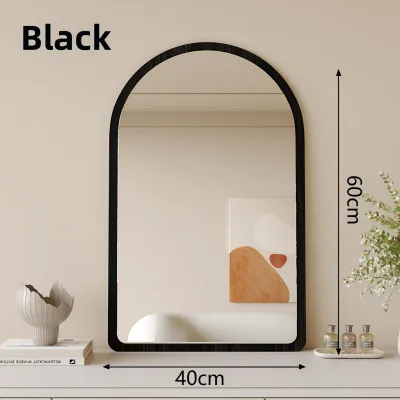
![[OKLIFE.SG]Simple solid wood cloud makeup mirror/Home desktop large vintage vanity mirror/portable desktop mirror](https://img.lazcdn.com/g/p/8e73d4f5eca033af329d2a7ad563d9ad.jpg_400x400q80.jpg_.webp)
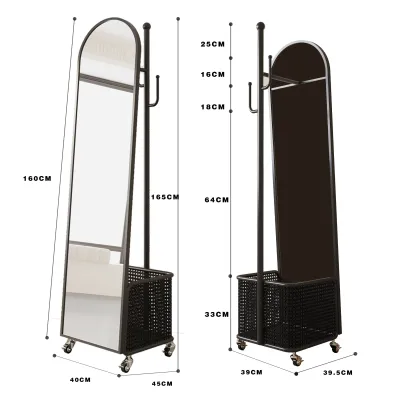
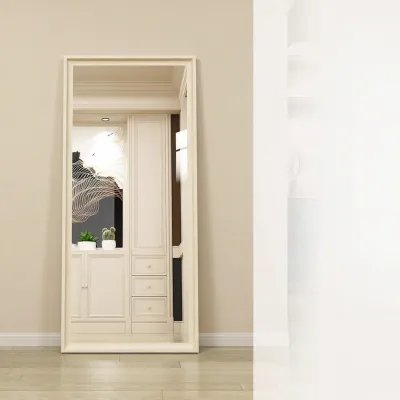
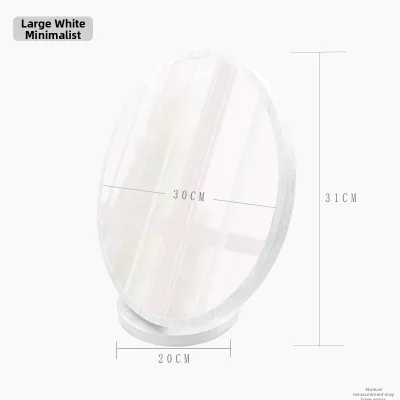
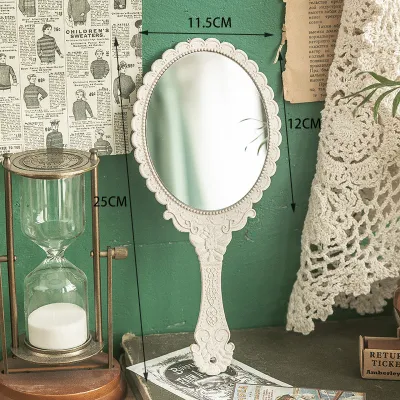
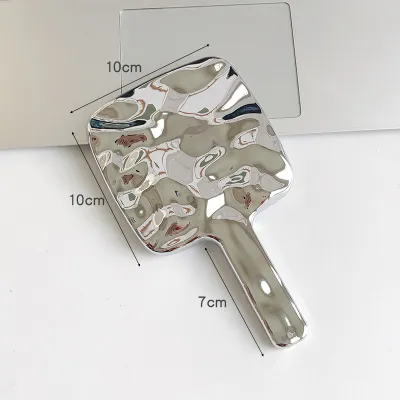
Prices are valid at publication and may change. Please refer to the product page for the latest price.
For those seeking a more classical or romantic aesthetic, French Provincial or Baroque-style mirrors offer ornate, hand-carved frames with plaster, gesso, or gold leaf detailing. These pieces often feature arch tops or elaborate crests, making them ideal statement pieces. While these decorative styles are highly subjective, their spatial impact is a practical tool for interior design. Placing a large mirror opposite a window allows you to capture and bounce natural light deep into a room, which can help soften the transition between indoor and outdoor spaces in high-rise apartments.
However, the actual spatial effect of a mirror depends heavily on your room’s layout, window placement, and wall colors. In smaller apartments, a mirror that is too large can overwhelm the space, while one that is too small will fail to create the desired illusion of depth. You must also decide between a wall-mounted mirror and a freestanding floor mirror. Freestanding mirrors require sufficient floor space and must be secured with anti-tip hardware, whereas wall-mounted mirrors demand a careful assessment of your wall’s load-bearing capacity.
How to Evaluate Vintage Mirror Brands and Sellers
When evaluating vintage mirrors, verifying material authenticity is your primary defense against modern, mass-produced reproductions. Authentic vintage frames are typically constructed from solid wood, genuine brass, or wrought iron, which carry a distinct weight and texture. Examine the back of the frame; original vintage pieces rarely use modern materials like medium-density fibreboard (MDF) or plastic backings. Instead, you should expect to see aged plywood, solid wood panels, or exposed metal brackets that show natural signs of oxidation.

For gilded frames, look closely at the surface finish. Genuine vintage gilding, whether gold leaf or high-quality bronze powder, develops an uneven, rich patina over decades. Modern reproductions often feature a uniform, sprayed-on gold paint that lacks depth and shows no wear in high-contact areas. Additionally, look for maker’s marks, paper labels, or stamps on the reverse side of the frame. Renowned mid-century furniture manufacturers often stamped their logos directly onto the wood backing, providing a reliable trace of origin.
Seller transparency is equally critical when purchasing high-value vintage items. A reputable dealer should provide clear information regarding any restoration work, replacement parts, or repairs. Ask specifically if the glass is original or if it has been replaced. While original glass preserves the historical value and often features a charming, slight distortion, high-quality replacement glass may be preferred if you require a perfectly clear reflection for daily use.
If you are purchasing from regional online marketplaces or specialized international antique platforms, review the seller’s shipping and return policies thoroughly. Vintage mirrors are exceptionally fragile and require custom wooden crating to survive transit. Ensure the seller offers comprehensive shipping insurance that covers transit damage, and verify who bears the cost of return shipping if the item arrives damaged or does not match the description.
Reliable Sourcing Channels in Singapore
Sourcing a quality vintage mirror in Singapore involves exploring a mix of physical showrooms, curated online platforms, and custom artisan services. Visiting local brick-and-mortar antique shops and specialized interior curators in design districts like Dempsey Hill, Outram, or the industrial estates of Kallang allows for a hands-on inspection. In-person viewing enables you to run your hands along the frame, check the weight, and observe how the glass behaves under different lighting conditions. Local curators also do the heavy lifting of sourcing pieces from Europe or Japan, ensuring they are cleaned and structurally sound before they reach the showroom.
For a wider selection, regional online marketplaces and dedicated vintage e-commerce platforms connect buyers with international dealers. When navigating these platforms, filter your search by verified vintage tags and focus on sellers who specialize exclusively in antiques rather than general home decor. Always request additional high-resolution photos of the frame joints, the backing, and any visible wear. Engaging directly with the seller via messaging can clarify shipping arrangements and help you gauge their expertise and reliability.
Another excellent avenue is collaborating with local framing artisans. If you discover a beautiful vintage frame with damaged or missing glass at a flea market, you can purchase the frame independently and have a local specialist fit a new mirror. This approach allows you to customize the mirror type—such as choosing a modern distressed or “antiqued” glass—while preserving the authentic historical frame. Local framing shops can also reinforce the frame’s backing and install professional-grade hanging hardware, ensuring the piece is ready for safe installation.
Pre-Purchase Inspection and Safe Maintenance
Before finalizing any vintage mirror purchase, conduct a thorough physical inspection to ensure the piece is structurally sound. One of the most common characteristics of old mirrors is “desilvering,” which appears as dark spots, cloudiness, or peeling along the edges of the glass. This occurs when the silver backing oxidizes due to moisture exposure. While minor desilvering adds authentic vintage character and does not affect structural integrity, extensive black spots in the center of the glass can make the mirror non-functional. Ensure the backing paint behind the silvering is intact, as exposed silvering will degrade rapidly in Singapore’s humid climate.
Next, inspect the frame’s joints and backing boards. For wooden frames, check for signs of wood rot or structural separation at the corners. For plaster or gesso frames, look for deep cracks that could lead to crumbling. The hanging hardware must be scrutinized carefully; original wire, string, or D-rings are often fatigued and should be replaced with modern, heavy-duty hardware rated for the mirror’s specific weight. Never rely on aged hanging wire to support a heavy mirror.
Once the mirror is safely installed, establishing a proper maintenance routine is vital to preserving its beauty. Never spray liquid glass cleaner directly onto a vintage mirror. The liquid can run down the glass, pool in the bottom of the frame, and seep behind the backing, which rapidly accelerates desilvering. Instead, spray a microfiber cloth lightly with water or a mild, ammonia-free glass cleaner, and gently wipe the surface. For delicate gilded or wooden frames, avoid damp cloths and commercial wood polishes entirely; use a dry, soft-bristled brush or a static duster to remove dust without stripping the original finish.
Frequently Asked Questions (FAQ)
How can I tell if a vintage mirror is an original or a reproduction?
Original vintage mirrors can be identified by examining the glass, backing, and hardware. Older glass, particularly from the 19th and early 20th centuries, was hand-poured or drawn, resulting in slight waves, tiny air bubbles, or minor distortions not found in perfectly flat modern float glass. The backing of an original piece will typically show aged wood, oxidation on metal brackets, and traditional joinery like dowels or mortise-and-tenon joints. Modern reproductions often use Phillips-head screws, staples, and uniform MDF or plastic backings.
Are vintage mirrors safe to hang on standard drywall?
Vintage mirrors can be hung on drywall, but only if proper safety precautions are taken. Because vintage mirrors are often significantly heavier than modern equivalents due to thicker glass and solid wood frames, they should never be hung directly onto drywall using standard nails or plastic expansion plugs. You must locate the wooden or metal studs behind the drywall using a stud finder and secure your heavy-duty screws directly into them. If the studs do not align with your desired placement, use heavy-duty toggle bolts rated for at least double the mirror’s weight. For exceptionally heavy or oversized mirrors, or when installing in high-traffic areas, it is highly recommended to hire a qualified professional installer to ensure a secure and stable mount.

Community discussion
Share your experience or ask a question. Comments are reviewed before publication.