
Selecting the right frame stand is the key to transforming a simple art print into a deliberate, gallery-worthy display. Rather than mounting every piece of art directly to the wall, utilizing a frame stand allows you to layer your decor on console tables, sideboards, and floating shelves, creating depth and visual interest. The ideal stand style acts as a visual anchor, bridging the gap between the artwork itself and the surface it rests upon. By matching the material, finish, and silhouette of the stand to the specific aesthetic of your art, you can enhance the overall impact of your display while ensuring structural stability.
In Singapore’s diverse interior landscapes—where modern high-rise apartments often blend clean architectural lines with tropical warmth—thoughtful decor choices make a significant difference. A mismatched stand can distract from a beautiful print, while a well-chosen one elevates it. Whether you are showcasing a sleek minimalist line drawing, a textured mixed-media piece, or a delicate vintage botanical print, understanding how different frame stand styles interact with your art is the first step toward creating a cohesive and sophisticated home aesthetic.
Understanding Frame Stand Materials and Finishes
The material and finish of a frame stand dictate its visual weight, durability, and compatibility with different decor styles. Wood, metal, and acrylic are the three primary materials used in stand construction, each offering distinct aesthetic and practical properties. Wood stands bring natural warmth and organic texture to a space. Depending on the grain and cut, wood can range from rustic and earthy to refined and mid-century modern. However, because Singapore experiences high relative humidity year-round, untreated or poorly sealed wood stands can be susceptible to moisture absorption, warping, or mold over time. When selecting a wooden stand, it is wise to verify that it has been treated with a protective sealant or lacquer to withstand local environmental conditions.
Products mentioned in this guide
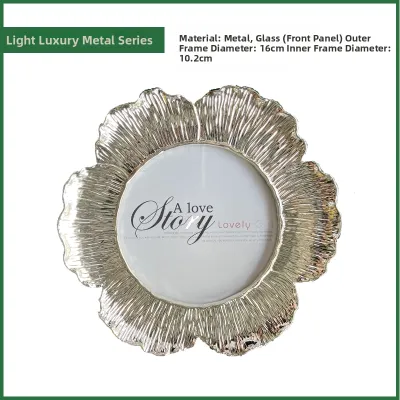



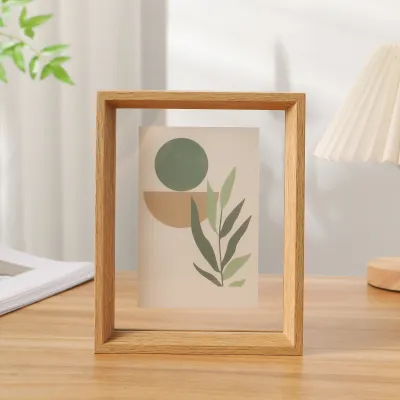

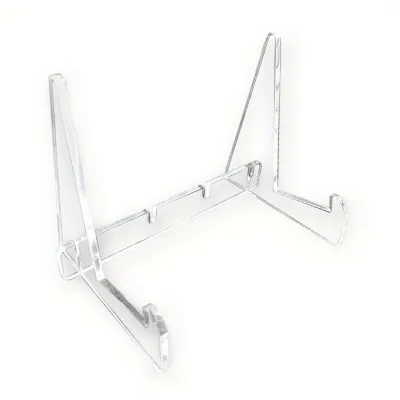
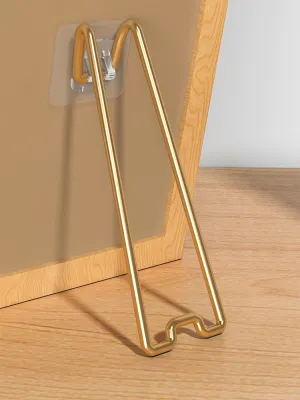
Prices are valid at publication and may change. Please refer to the product page for the latest price.
Metal stands offer a wide spectrum of design possibilities, from ultra-modern industrial looks to classic, ornate styles. The visual impact of a metal stand depends heavily on its finish. Matte finishes, such as matte black powder coating, absorb light and provide a clean, contemporary boundary that does not compete with the artwork. Glossy or polished finishes, like chrome or polished brass, reflect light and draw attention, making them excellent for adding a touch of luxury or contrast. Brushed finishes, such as brushed steel or satin brass, offer a softer, more understated elegance that diffuses light gently. For coastal homes or areas with high humidity, choosing rust-resistant metals or powder-coated finishes is essential to prevent corrosion and maintain a pristine appearance.
Acrylic stands provide an exceptional degree of visual lightness. Because they are completely transparent, they virtually disappear on the shelf, allowing the artwork to take center stage without any visual interruption. This makes acrylic an excellent choice for small spaces or highly detailed prints where you want to minimize clutter. However, acrylic is prone to static electricity, which can attract dust, and it can scratch easily if handled roughly. When cleaning acrylic stands, avoid harsh chemical cleaners or abrasive cloths; instead, use a soft microfiber cloth and a mild, specialized acrylic cleaner to preserve its clarity.
Matching Frame Stands to Modern and Minimalist Art
Modern and minimalist art relies on simplicity, clean lines, and a sense of spaciousness. To complement this aesthetic, a frame stand should mirror these design principles rather than compete with them. Look for stands with slim profiles, sharp geometric angles, and minimalist structures that support the frame from behind with minimal front-facing hardware. A stand that is too bulky or ornate will disrupt the clean visual flow of a minimalist print, making the display feel heavy and unbalanced.

Color and finish play a crucial role in contemporary art displays. Matte black stands are a classic choice, offering a sharp, graphic contrast that pairs beautifully with black-and-white photography, line art, or monochrome prints. Brushed steel and titanium finishes provide a cool, industrial edge that complements abstract digital art or architectural prints. If you prefer a completely seamless look, clear acrylic stands are highly effective. They support the frame securely while remaining almost invisible, giving the illusion that your modern art is floating effortlessly on your console or shelf.
While visual lightness is desirable, you must balance it with structural stability, especially when displaying larger or heavier modern pieces. Minimalist stands often have smaller footprints, which can compromise stability if the frame is top-heavy or thick. Before committing to an ultra-slim stand, check the depth of the support ledge and the angle of recline. A stand that holds the frame too upright may tip forward easily, while one with too deep an angle might require more surface depth than your shelf allows. Ensure the stand’s base is wide enough to distribute the weight of the frame evenly, preventing any wobbling or accidental tipping.
Pairing Frame Stands with Vintage and Classic Prints
Vintage and classic prints—such as antique botanical illustrations, oil painting reproductions, or historical maps—benefit from frame stands that share their sense of history, craftsmanship, and warmth. Unlike modern art, which favors invisibility, classic art displays often embrace the stand as an active decorative element. Look for stands that feature traditional design details, such as turned wood spindles, ornate scrollwork, or classic easel-style frames with decorative hinges.
The finishes for these stands should evoke a sense of age and character. Distressed wood finishes, which reveal hints of the grain and subtle wear, pair beautifully with rustic or farmhouse-style prints. Antique gold, burnished brass, and oil-rubbed bronze finishes add a rich, historic depth that complements the warm tones often found in classic oil paintings and aged paper prints. These finishes catch the light in a soft, muted way, enhancing the nostalgic appeal of the artwork without looking overly shiny or modern.
However, there are visual risks to using highly detailed or heavy stands. If you are displaying a delicate, faded, or small-scale vintage print, an overly ornate or bulky stand can easily overwhelm the artwork, making the entire setup look cluttered rather than curated. To avoid this, scale the complexity of the stand to the size and detail of the print. For a small, delicate sketch, a simple brass wire stand with clean but classic curves is often more effective than a heavy, carved wooden easel. Keep the focus on the art by ensuring the stand’s decorative elements support, rather than overshadow, the print’s subtle details.
Styling Eclectic and Mixed-Media Art Displays
An eclectic or mixed-media art display is all about celebrating contrast, texture, and individuality. When styling a gallery-style arrangement on a sideboard or deep shelf, you do not need to stick to a single frame stand style. In fact, mixing different materials and designs can create a dynamic, curated look that feels collected over time rather than purchased all at once. The key to successful eclectic styling is finding a balance between contrasting elements so the display feels cohesive rather than chaotic.
One effective strategy is to pair contrasting materials to create visual tension. For example, you can place a raw, industrial metal stand next to a warm, natural wood stand. The cool, hard lines of the metal contrast beautifully with the organic warmth of the wood, making each piece of art stand out individually. To keep this mix from looking messy, establish a sense of visual flow across the display. You can achieve this by keeping the stand heights relatively consistent, or by choosing stands that share a similar base shape, even if their materials and finishes differ.
Another technique is to use a unifying color accent to tie disparate styles together. If you have a collection of varied art prints—ranging from colorful abstract paintings to vintage postcards—using stands that all feature a touch of black or brass can create a subtle visual thread that connects them. When combining multiple eclectic elements on a single surface, be mindful of the visual clutter threshold. If every single stand is highly detailed and every frame is unique, the eye won’t know where to rest. Balance highly decorative stands with simpler, low-profile options to give the viewer’s eyes a place to pause, ensuring the overall arrangement remains sophisticated and harmonious.
Practical Checks Before Buying a Frame Stand
Before purchasing a frame stand, conducting a few practical checks will ensure your display is both visually appealing and structurally safe. The first step is to verify the weight capacity and dimensional compatibility of the stand. Not all stands are designed to hold heavy glass-fronted frames or thick canvas wraps. Measure the thickness of your frame’s bottom edge and compare it to the depth of the stand’s holding ledge. If the frame is thicker than the ledge, it will not sit securely and could easily slide off. Additionally, check the manufacturer’s weight limits to ensure the stand can support your artwork without bending or collapsing.
Next, evaluate the base footprint of the stand in relation to your display surface. If you plan to display your art on a narrow floating shelf, you will need a stand with a shallow depth and a highly stable, low-profile base. For deeper surfaces like console tables or sideboards, you have more flexibility to use easel-style stands that require more rear clearance. Ensure that the stand’s base provides adequate stability, especially in high-traffic areas of the home where accidental bumps might occur.
Environmental factors should also influence your choice. In Singapore, homes often experience varying levels of humidity and sunlight exposure depending on their layout. If your display is near a window that receives direct afternoon sun, be aware that certain materials, like low-grade acrylics, can yellow over time, while untreated woods may fade or crack. Ensure the stand you select is rated for the specific environmental conditions of the room.
Finally, recognize the limits of standard tabletop frame stands. If you are planning to display exceptionally heavy, oversized, or structurally complex art installations—especially those that are suspended or placed at a significant height—standard consumer stands may not provide sufficient safety. In these scenarios, it is advisable to stop and consult a qualified professional installer. They can recommend specialized mounting hardware, heavy-duty floor easels, or custom structural supports that ensure your valuable art remains securely in place without risking damage to your home or injury to your household.
Frequently Asked Questions (FAQ)
Can I use a picture ledge instead of individual frame stands?
Yes, picture ledges are an excellent alternative to individual frame stands, particularly if you enjoy frequently changing your art display or have limited tabletop surface space. A picture ledge is mounted directly to the wall, requiring a one-time installation effort but offering immense flexibility afterward. You can easily lean, layer, and swap out frames of various sizes without drilling new holes. However, picture ledges require dedicated wall space and a secure installation into studs or appropriate wall anchors. Individual frame stands, on the other hand, require no wall mounting and are ideal for permanent, focused arrangements on existing furniture like consoles, desks, or mantels, where you want to highlight a single, specific piece of art.
How do I prevent a frame stand from scratching my furniture?
To protect your furniture surfaces from scratches, start by inspecting the bottom of the frame stand’s base. Many metal or wooden stands have rough edges or exposed screws from the manufacturing process that can easily gouge wood, lacquer, or glass surfaces. You can easily prevent damage by applying self-adhesive protective pads to the contact points of the stand. For lightweight stands, small felt pads work beautifully to cushion the base and allow for smooth adjustments. For heavier stands or slick surfaces like glass and polished marble, silicone or rubber bumper pads are preferable, as they provide excellent grip and prevent the stand from sliding or shifting accidentally.

Community discussion
Share your experience or ask a question. Comments are reviewed before publication.