
To create the illusion of a larger room in Singapore’s compact apartments, a high-quality full length mirror wall is one of the most effective tools. The best brands and custom options are those that offer high-clarity glass, minimal or frameless designs, and secure mounting systems suitable for local wall types.
Maximizing space in modern HDB flats and condominiums requires strategic design choices. While physical square footage is fixed, visual boundaries are highly malleable. A well-placed, oversized mirror does not simply decorate a room; it alters how your brain processes the physical dimensions of your living space.
Sourcing the right mirror involves understanding how glass quality, frame profiles, and installation methods interact with your specific home layout. From ready-made retail options to bespoke local glass fabricators, Singapore offers a wide range of solutions to help you achieve a brighter, more open home environment.
Products mentioned in this guide
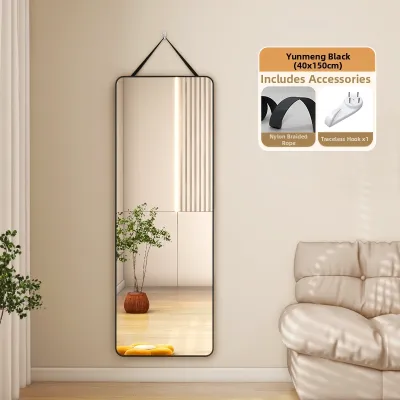
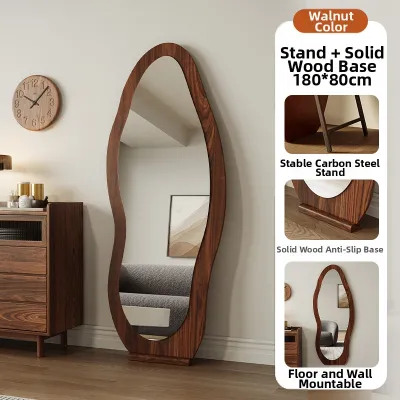
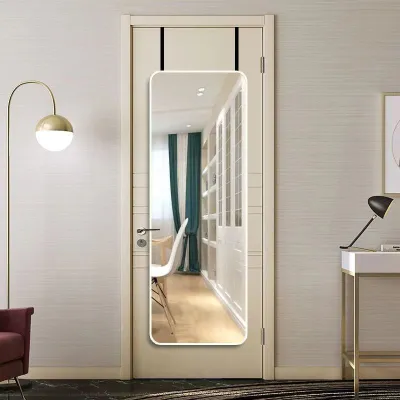
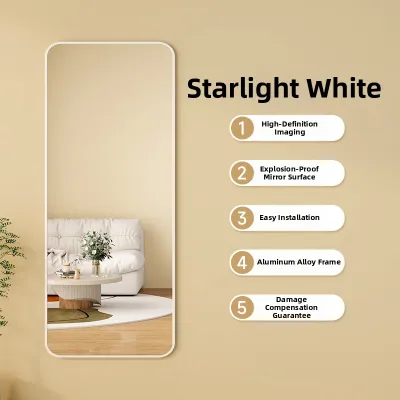
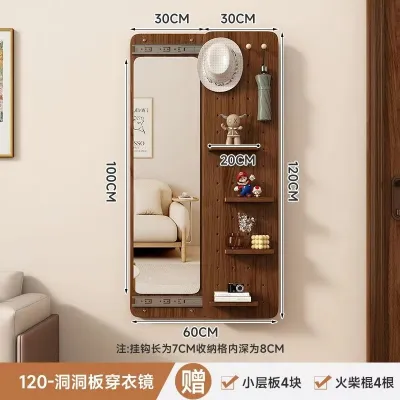
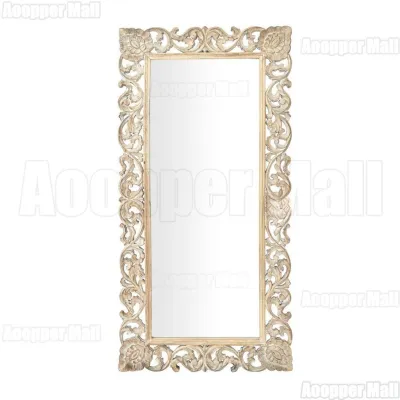
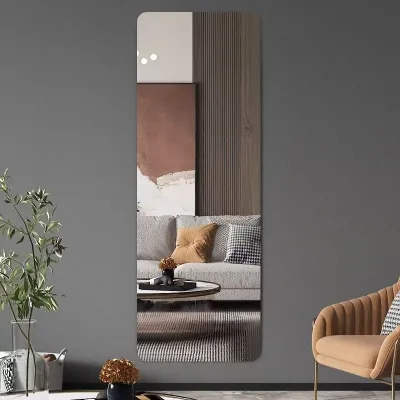
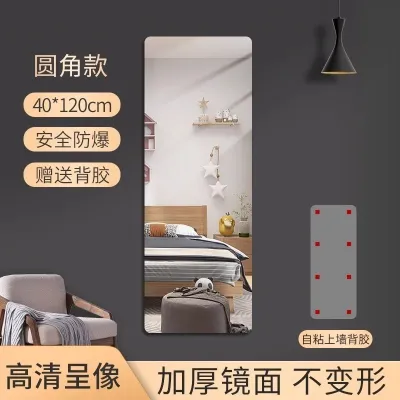
Prices are valid at publication and may change. Please refer to the product page for the latest price.
The Optical Science: How Full-Length Mirrors Expand Small Rooms
The visual expansion created by a large mirror relies on fundamental principles of optics and human depth perception. When light hits a highly reflective glass surface, it bounces back into the room at the same angle it arrived. This reflection creates a virtual image behind the plane of the mirror, tricking the brain into perceiving a continuation of the physical room rather than a solid wall.
This depth perception trick effectively doubles the visual length of your floor and ceiling lines. When your eyes trace the floorboards or skirting boards into the reflection, the brain registers an extended spatial plane. This immediate visual feedback breaks the box-like sensation common in smaller living rooms or narrow entryways.
In typical Singapore apartments, ceiling heights generally range from 2.6 to 2.8 meters. A standard-sized hanging mirror often falls short of creating a cohesive spatial illusion because it leaves too much empty wall space above and below. A true full-length mirror interacts directly with these vertical limits, drawing the eye upward and emphasizing the vertical volume of the room.
To transition from a simple reflection to a genuine window-like illusion, the mirror must cover a significant portion of the wall’s field of view. When a mirror is large enough to eliminate peripheral distractions, the frame lines mimic window mullions. This makes the solid wall feel like an opening into an adjacent, sunlit room rather than a structural barrier.
Key Design Features That Maximize the Illusion of Space
Not all mirrors are equal when it comes to expanding a room. Specific design features dictate how successfully a mirror integrates with your walls and how effectively it manipulates light and depth.

Frameless vs. Thin Frames
Heavy, ornate frames act as strong visual boundaries. They draw attention to the mirror as an independent, heavy object hanging on the wall, which can actually make a small room feel more cluttered. Frameless mirrors, on the other hand, allow the reflection to blend seamlessly with the surrounding paint, making the boundary between the physical room and the reflected space almost invisible.
If you prefer a framed look, opt for ultra-thin profiles made of slim aluminum, brass, or matte black steel. A frame width of 10 millimeters or less provides structural support and a clean accent without creating a heavy visual block. These minimalist borders frame the reflection like a clean modern window, maintaining the illusion of extended depth.
Beveled and Polished Edges
For frameless installations, the treatment of the glass edge is crucial for both safety and aesthetics. A polished edge is flat and clean, allowing multiple mirror panels to be joined together with minimal seams for a continuous mirror wall. This is the preferred choice for a seamless, modern look.
Beveled edges feature a slight slope cut into the outer perimeter of the glass, typically ranging from 10 to 25 millimeters. This slope acts as a prism, catching and refracting natural light to create subtle highlights along the border. While beveled edges add a touch of classic elegance, they do introduce a slight visual boundary, so they are best used on standalone accent mirrors rather than multi-panel wall installations.
Size and Proportions
To maximize spatial expansion, scale is your most important variable. A mirror that is too small looks like an afterthought and fails to bounce enough light to impact the room’s atmosphere. For vertical placement, choose a mirror that stands at least 1.8 meters tall, allowing residents to see their full reflection with ample headroom.
In dining areas or behind sofas, horizontal orientation can work wonders. Stretching a wide mirror horizontally across a wall mimics the effect of a wide panoramic window. This lateral expansion visually widens narrow dining rooms, making hosting and daily living feel significantly less cramped.
Glass Clarity and Tinting
Standard float glass often contains iron impurities, which give the reflection a subtle green tint. In a small room, this green cast can absorb light and make the reflected space look slightly darker or colder. Low-iron glass, often marketed as ultra-clear glass, removes these impurities to deliver a highly accurate, bright reflection that matches the true colors of your home.
Avoid heavily tinted glass, such as bronze or grey mirrors, if your primary goal is spatial expansion. While tinted mirrors offer a moody, luxurious aesthetic, they absorb a significant amount of light. They are excellent for creating a cozy, intimate atmosphere, but they will not make a small room feel brighter or larger.
Where to Find Reliable Mirror Brands and Custom Options in Singapore
Finding the right sourcing channel in Singapore depends on your budget, your wall dimensions, and whether you require professional installation services.
Mass-Market Furniture Retailers
For straightforward, budget-friendly solutions, mass-market retailers offer a variety of standard-sized options. Brands like IKEA provide popular, large-format mirrors such as the Hovet or Toftbyn series, which are highly accessible and cost-effective, typically ranging from S$100 to S$300. These ready-made options are excellent for renters or homeowners looking for a quick, non-permanent spatial upgrade.
However, off-the-shelf mirrors come in fixed dimensions. They may not align perfectly with your skirting boards, structural beams, or electrical outlets. Additionally, the glass thickness on budget retail mirrors is often around 3mm to 4mm, which can sometimes result in minor visual warping over very large spans.
Custom Glass and Mirror Specialists
To achieve a flawless, wall-to-wall or floor-to-ceiling fit, local custom glass fabricators are the gold standard. Specialists located in Singapore’s industrial estates, such as Ubi, Defu Lane, Toa Payoh, and Woodlands, can cut copper-free mirrors to your exact specifications. They can accommodate cutouts for light switches, power sockets, and wall DB boxes.
Custom fabricators typically use high-quality 5mm or 6mm thick glass, which provides a perfectly flat, distortion-free reflection. They also handle the complex logistics of delivery and professional wall mounting. Prices for custom installations generally range from S$300 to over S$1,000, depending on the glass type, edge treatments, and installation complexity.
Premium Home Decor Boutiques
If you are looking for a statement piece with unique design elements, premium furniture boutiques like Castlery, Soul & Tables, or local designer showrooms offer curated collections. These brands focus on high-quality backing materials, sustainable wood or metal frames, and superior glass clarity.
While these designer mirrors carry a higher price tag—often between S$400 and S$1,200—they serve as beautiful focal points. They are ideal for living rooms or entryways where the mirror frame itself is meant to complement high-end interior styling.
E-commerce Platforms
Online marketplaces offer an extensive selection of affordable full-length mirrors, often featuring trendy arched or capsule shapes. When purchasing large, fragile items online, it is vital to read customer reviews carefully to assess the seller’s packaging quality. Look for listings that specify wooden crate packaging to protect the glass during transit.
Always verify the technical specifications before purchasing online. Ensure the glass thickness is at least 5mm for larger frames to prevent a “funhouse” warping effect. Confirm the seller’s return and refund policies regarding transit damage, as returning a damaged oversized mirror can be highly inconvenient.
Safe Placement and Wall-Mounting Strategies for HDBs and Condos
Mounting a heavy full-length mirror requires careful planning, a clear understanding of your home’s structural walls, and strict adherence to safety protocols.
Strategic Placement
To maximize the spatial illusion, position your mirror opposite a primary light source, such as a balcony sliding door or a large window. This placement allows the mirror to capture incoming natural light and bounce it deep into the darker corners of the room, instantly brightening the entire floor plan.
In narrow entryways or transition zones, placing a mirror along one of the side walls visually pushes the wall back, making the passage feel wider. In dining spaces, positioning a mirror adjacent to the dining table creates a convivial, spacious atmosphere by reflecting the movement and light of shared meals.
Wall Types and Load-Bearing Capacity
Singapore residential walls generally fall into two categories: concrete structural walls and lightweight drywall partitions. Concrete walls, which include structural columns, external walls, and HDB household shelter walls, are incredibly strong. They can easily support heavy mirrors, but they require a rotary hammer drill, masonry drill bits, and high-quality plastic or metal wall plugs to secure the mounting screws.
Drywall partitions, common in newer HDB bedrooms and condominium layouts, consist of plasterboard mounted over internal metal or timber studs. Drywall has strict weight limits and cannot support a heavy mirror on plasterboard alone. You must locate the internal studs using a stud finder and anchor your mounting hardware directly into these structural supports. If stud alignment is not possible, specialized heavy-duty toggle bolts or hollow-wall anchors must be used, keeping the mirror’s weight within the anchor manufacturer’s specified limits.
Mounting Hardware and Brackets
Never rely on standard wire or cheap plastic hangers for a heavy full-length mirror. For framed mirrors, French cleats are the most secure mounting option. A French cleat consists of two interlocking metal or wood brackets; one is mounted level on the wall, and the other is secured to the back of the mirror. This design distributes the weight evenly across the wall and prevents the mirror from swinging or shifting.
For frameless mirrors, J-channels or heavy-duty mirror clips are ideal. These metal channels support the bottom edge of the mirror and hold the top edge securely against the wall. When using mirror adhesives (often used in combination with mechanical brackets), ensure you use a specialized, non-acidic mirror mastic. Standard acidic silicone adhesives will corrode the silver reflective backing of the mirror over time, resulting in unsightly black spots and structural degradation.
Safety and Professional Installation
If your mirror weighs more than 15 kilograms, or if you are planning a complex floor-to-ceiling installation, DIY mounting is not recommended. Oversized glass sheets are difficult to handle, and incorrect mounting can lead to catastrophic failure, causing severe property damage or personal injury. Hiring a professional handyman or a specialist glass contractor ensures the correct anchors are used and the installation is perfectly level.
If you are installing a modern backlit or LED-integrated mirror, electrical safety is paramount. Always isolate the power supply at the main distribution board before beginning any wiring work. Ensure that all electrical connections comply with local safety standards, and consider hiring a licensed electrician to handle the final connection to your home’s power supply.
Essential Pre-Purchase Checks for Heavy Wall-Mounted Mirrors
Before finalizing your purchase and arranging delivery, run through this practical checklist to ensure a smooth, safe, and successful installation.
- Verify Total Weight: Check the manufacturer's specifications for the exact weight of the mirror. Ensure your chosen wall structure and mounting hardware are rated to support at least twice this weight for an adequate safety margin.
- Confirm Safety Backing: Ensure the mirror is equipped with an explosion-proof or safety vinyl backing film. In the rare event of an accidental impact, this film holds the broken glass shards together, preventing them from scattering and causing injury.
- Inspect for Delivery Damage: Inspect the mirror immediately upon arrival, before the delivery team leaves. Check the corners and edges carefully for hairline cracks, chips, or desilveration, and do not sign the acceptance form if you detect any defects.
- Measure Wall Obstructions: Double-check your wall measurements, taking into account the height of skirting boards, the location of light switches, power outlets, and the swing path of nearby doors or cabinet panels.
- Assess Room Humidity: If you are installing the mirror in a bathroom or near a damp area, ensure the frame and backing materials are moisture-resistant. Unprotected wood backings can warp in high humidity, which can distort the glass reflection over time.
Frequently Asked Questions (FAQ)
Can a mirror make a dark HDB corridor look bigger?
Yes, placing a full-length mirror along a narrow, dark HDB corridor is an excellent way to create a sense of width and depth. To maximize this effect, position the mirror on a side wall rather than at the very end of the hallway. Placing it on the side wall visually pushes the boundary outward, making the passage feel wider.
To improve illumination, try to position the mirror opposite a doorway that leads into a bright room, or near a wall sconce. This allows the mirror to capture and redirect light into the darker sections of the corridor. Avoid placing a large mirror directly facing your bedroom door or at the end of a dark hallway, as sudden reflections in low light can sometimes startle residents at night.
How do I clean a large wall mirror without leaving streaks?
To clean a large mirror surface effectively, use a clean, lint-free microfiber cloth and a dedicated glass cleaner or a simple mixture of water and white vinegar. Avoid using paper towels, which can leave behind lint residues, or abrasive scrubbing pads that can scratch the glass surface.
Spray the cleaning solution directly onto the microfiber cloth rather than spraying it onto the mirror itself. When you spray liquid directly onto the glass, it can run down and pool along the bottom edge or seep behind the frame. Over time, this trapped moisture can attack the silver reflective backing, leading to permanent black edges and desilveration. Wipe the mirror in a consistent S-pattern from top to bottom to ensure a streak-free, crystal-clear finish.

Community discussion
Share your experience or ask a question. Comments are reviewed before publication.