
When choosing a seat cooling pad for Singapore’s hot and humid climate, there is no single universally superior material. Gel provides immediate surface coolness but may trap heat over time; cooling fabrics rely on airflow and moisture-wicking; phase-change materials (PCM) offer regulated cooling but require specific recharging conditions. The most effective choice depends entirely on your seating environment, desired cushion firmness, and maintenance preferences. This guide compares these three materials to help you match the right pad to your specific daily needs.
To make an informed decision, it is essential to look beyond marketing claims of instant relief. Singapore’s unique climate—characterized by high relative humidity and consistently warm ambient temperatures—directly impacts how these materials behave over hours of continuous use. By understanding the physical properties and limitations of each material, you can avoid the frustration of a cushion that starts cold but ends up feeling like a heat trap.
Understanding How Each Cooling Material Works
Gel seat cooling pads operate primarily on the principle of high thermal conductivity and thermal mass. When you first sit on a gel pad, the material quickly conducts heat away from your body, creating an immediate and noticeable drop in temperature at the contact surface. However, passive gel has a finite capacity for heat absorption. Once the gel reaches equilibrium with your body temperature, the cooling sensation stops, and the dense material can begin to retain heat unless you stand up to let the thermal mass dissipate its warmth back into the surrounding air.
Products mentioned in this guide
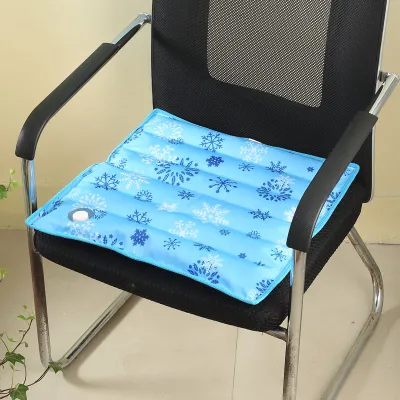

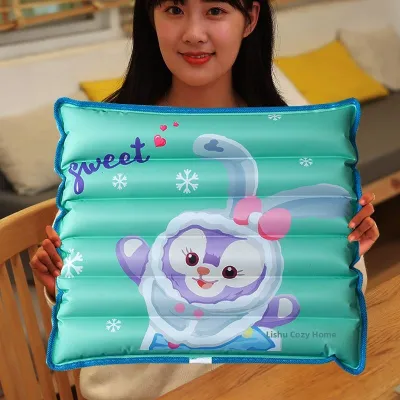
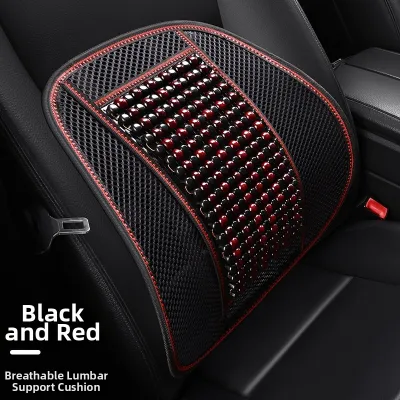
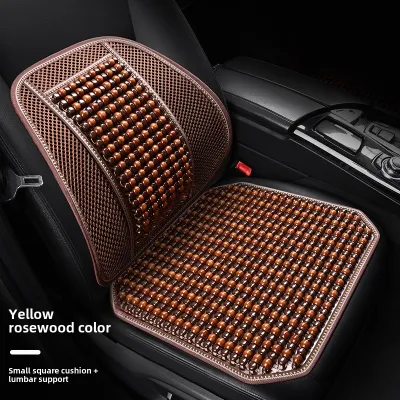
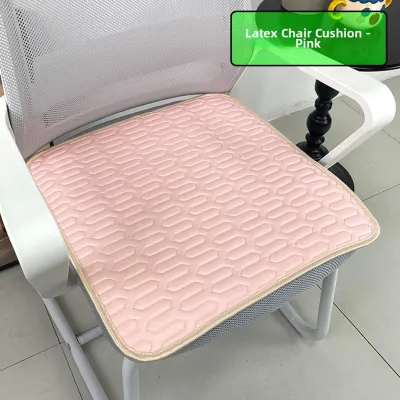
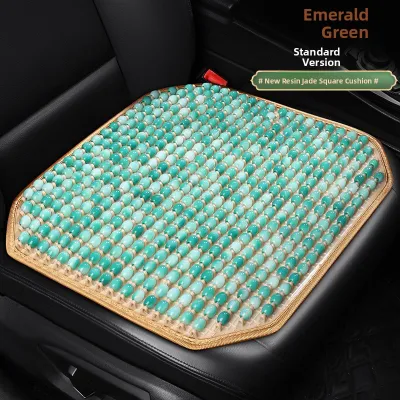
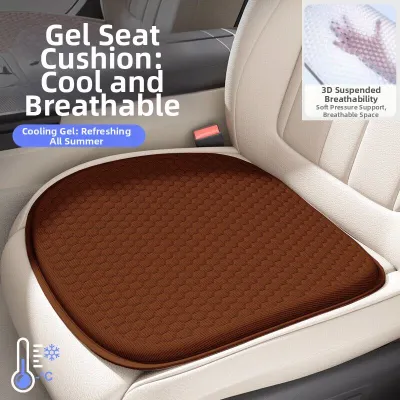
Prices are valid at publication and may change. Please refer to the product page for the latest price.
Cooling fabrics take a completely different approach by focusing on moisture management and ventilation rather than heat absorption. These pads are typically constructed from specialized synthetic yarns, such as nylon or polyester blends, woven with unique cross-sections that maximize surface area. This structure promotes rapid moisture-wicking, drawing sweat away from your skin to facilitate evaporative cooling. Additionally, many fabric pads feature open-weave or mesh designs that allow ambient air to circulate freely, preventing the buildup of stagnant, warm air between your body and the chair.
Phase-change materials represent a more advanced class of temperature-regulating technology. These substances absorb, store, and release heat by transitioning between solid and liquid states at specific temperature thresholds, usually calibrated around 28°C to 32°C. When your body temperature exceeds this threshold, the PCM absorbs your body heat to melt from a solid into a liquid, maintaining a stable, comfortable temperature throughout the transition. Once the material has completely liquefied, its active cooling phase ends, requiring you to place the pad in a cooler environment—such as an air-conditioned room or a refrigerator—to allow the material to solidify and recharge.
Comparing Performance in Hot and Humid Conditions
Singapore’s high relative humidity plays a critical role in how these materials perform during daily use. High humidity naturally slows down the rate of evaporation, which can directly reduce the effectiveness of cooling fabrics that rely heavily on moisture-wicking to keep you dry. If you sit in a room without air conditioning, a fabric pad may eventually feel damp if your body produces sweat faster than the humid air can carry it away. For gel pads, rapid temperature shifts in humid environments can occasionally cause minor surface condensation, making a protective, breathable cover highly desirable.

When evaluating the duration of cooling, the distinction between initial touch coolness and sustained temperature regulation becomes clear. Gel pads excel at providing an instant, refreshing chill the moment you sit down, making them highly satisfying for short sitting sessions. However, for long office hours, their cooling effect typically diminishes after the first thirty minutes. In contrast, phase-change materials offer a much flatter temperature curve, providing moderate, consistent cooling for several hours as long as the material is actively undergoing its phase transition.
Environmental dependence is another crucial factor to consider. Passive gel and PCM pads are highly sensitive to the ambient temperature of the room in which they are stored. In a non-air-conditioned Singapore home where indoor temperatures can hover around 30°C, a PCM pad may already be partially or fully melted before you even sit on it, rendering its phase-change cooling ineffective. To get the best performance from gel and PCM, they generally require a starting environment that is cooler than your body temperature, whereas cooling fabrics remain functional in any environment as long as there is active airflow from a standing fan or open window.
Comfort, Ergonomics, and Daily Usability
Beyond temperature control, the physical structure of each pad significantly affects your sitting posture and overall comfort. Gel pads are typically heavy, dense, and relatively thick, which adds substantial cushioning to a hard chair. While this can relieve pressure points, the added height can alter your ergonomic alignment, requiring you to adjust your chair’s gas lift and armrest heights to maintain a proper posture. Fabric pads, on the other hand, are incredibly thin and lightweight, adding virtually no bulk to your seat but offering no additional physical support or pressure relief.
Surface texture and direct skin feel are equally important for daily usability. Uncovered gel pads can sometimes feel sticky, rubbery, or overly cold against bare skin, which is why many models feature a textured fabric sleeve or a non-slip bottom to keep the pad securely in place. Cooling fabrics offer a familiar, soft textile feel that is highly comfortable for direct skin contact and does not cling to your legs in warm weather. PCM pads can feel somewhat stiff, firm, or lumpy when they are in their fully solid state, gradually softening and conforming to your body shape as they absorb heat and transition to liquid.
Portability is a key consideration if you plan to move your cooling pad between your home office, dining chair, and car. Fabric pads are highly flexible and can be easily folded or rolled up to fit into a backpack for hot-desking or commuting. Gel pads are floppy and heavy, making them cumbersome to transport frequently; they are best suited for a dedicated spot on an office chair. PCM pads require careful handling when solid to avoid bending or folding them in ways that could stress the internal sealed chambers, meaning they are less ideal for highly mobile lifestyles.
Maintenance, Cleaning, and Durability Checks
Keeping your seat cooling pad clean and hygienic is essential in Singapore’s warm climate, where sweat and skin oils can quickly accumulate. Gel pads with waterproof outer shells are incredibly easy to maintain, requiring only a quick wipe down with a damp cloth and mild soap to remove surface dust and sweat. If your gel pad comes with a removable fabric cover, check the care label to see if it can be machine washed, and ensure it is completely dry before slipping it back over the gel core to prevent mold growth.
Cooling fabrics generally require regular washing to maintain their moisture-wicking performance, as accumulated body oils can clog the specialized fiber structures over time. Most fabric pads are machine washable, but you must avoid using fabric softeners, which leave a coating on the fibers that destroys their ability to wick moisture. For PCM pads, the maintenance routine is more delicate; the outer protective sleeve can usually be washed, but the inner pouches containing the phase-change chemical must never be submerged in water or machine washed, as this can compromise the seals.
Durability checks are vital to ensure your pad remains safe and functional over years of use. Regularly inspect gel pads for any signs of splitting, cracking, or leaking along the seams, as exposed gel can stain clothing and damage chair upholstery. For PCM pads, check the integrity of the individual sealed chambers to ensure no liquid is escaping. When storing your pads, always keep them out of direct sunlight and away from extreme heat sources; prolonged exposure to high temperatures can degrade the polymers in gel, weaken fabric elasticity, and cause PCM pouches to expand and rupture.
Decision Framework: Which Seat Cooling Pad Should You Choose?
To find the right seat cooling pad for your daily routine, consider how your specific environment and comfort preferences align with the strengths of each material:
- Choose Gel if: You work primarily in an air-conditioned office or study, appreciate a firm and highly supportive cushion that relieves tailbone pressure, and want immediate, intense cooling relief when you first sit down.
- Choose Fabric if: You sit in naturally ventilated rooms with a fan, prefer a lightweight and highly breathable layer that does not alter your chair's ergonomics, and want a low-maintenance pad that is easy to machine wash.
- Choose PCM if: You require prolonged, regulated temperature control for long sitting sessions, have access to a cool space or refrigerator to regularly solidify the material, and do not mind a slightly firmer initial feel.
Before making a final purchase, always verify the physical dimensions of the cooling pad against your chair’s seat pan to ensure a proper fit without overhang. Check the weight limits of both the pad and your chair, especially if you are opting for a heavy gel model that adds substantial weight to the seat. If you are considering any active or electric cooling pads that feature built-in fans, always verify the voltage, interface compatibility, power consumption, and electrical safety certifications to ensure safe operation in your home or office.
Frequently Asked Questions (FAQ)
Can I leave a gel or PCM cooling pad in a parked car?
Leaving a gel or PCM cooling pad inside a parked car under the intense Singapore sun is highly discouraged. Temperatures inside a closed vehicle can quickly rise to extreme levels, which can degrade the structural integrity of gel materials, causing them to lose their shape or leak. For PCM pads, excessive heat can cause the liquid inside the pouches to expand beyond their design limits, potentially rupturing the seals and permanently damaging the pad. Always check the manufacturer’s safety guidelines regarding maximum temperature exposure and store the pad in the trunk or bring it indoors when not in use.
Do cooling seat pads work without air conditioning?
Passive cooling pads have limited effectiveness in hot, non-air-conditioned rooms where the ambient temperature is close to body temperature. Because gel and PCM rely on a temperature differential to absorb heat from your body, they cannot shed their stored warmth efficiently if the surrounding air is also warm. In these conditions, a gel pad will quickly reach body temperature and may begin to feel warm, while a PCM pad may already be melted and unable to provide active phase-change cooling. Cooling fabrics remain the most functional option in non-air-conditioned spaces, as they do not rely on temperature differentials but instead work with ambient airflow from a fan to assist sweat evaporation.
How do I know if a cooling pad is safe for my office chair?
To ensure a cooling pad is safe and compatible with your office chair, start by measuring the seat dimensions to ensure the pad fits entirely within the seat pan without hanging over the edges, which can cause slipping. Consider the thickness of the pad; a thick gel or PCM cushion will raise your seating height, so you must verify that your chair has enough height adjustment to maintain an ergonomic posture where your feet remain flat on the floor. Finally, check the weight of the pad, particularly for heavy gel models, to ensure it does not exceed the weight capacity of your chair’s gas lift mechanism or interfere with the operation of the adjustment levers.

Community discussion
Share your experience or ask a question. Comments are reviewed before publication.