
Sitting for extended periods in a warm, humid climate can quickly lead to discomfort, sweat, and heat buildup. Whether you are working at an office desk, driving through daily traffic, or spending hours in a gaming chair, finding the right seat cooling pad is essential for maintaining comfort and focus. The three primary technologies available—gel, mesh, and fan-powered pads—each offer distinct mechanisms to manage temperature, and the right choice depends entirely on your specific environment, seating duration, and comfort preferences.
To make an informed decision, you must look beyond marketing claims of instant cooling and understand how these materials interact with your body heat over time. Gel pads provide immediate, cool-to-the-touch relief but eventually reach a thermal saturation point. Mesh pads offer continuous, passive ventilation that prevents moisture buildup but do not actively lower temperatures. Fan-powered pads use active mechanical airflow to continuously sweep away heat, though they require a power source and introduce mechanical noise. By comparing these technologies across cooling performance, physical comfort, and daily maintenance, you can select the ideal solution for your seating setup.
Understanding the Core Technologies
To evaluate which option suits your daily routine, it is helpful to first examine the physical science behind each material and design.
Products mentioned in this guide
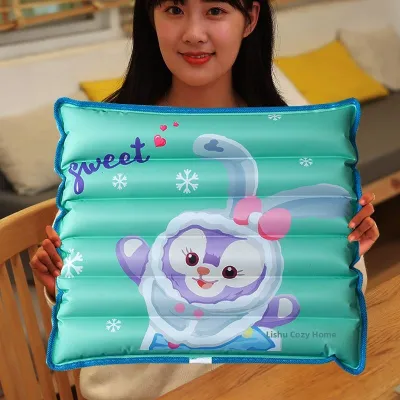
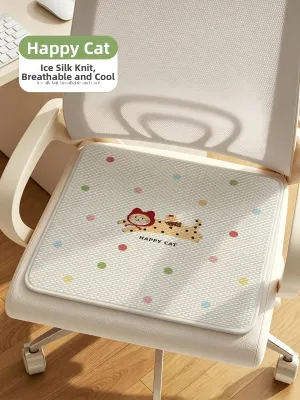
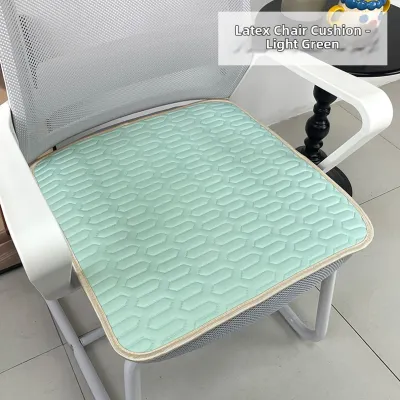
Prices are valid at publication and may change. Please refer to the product page for the latest price.
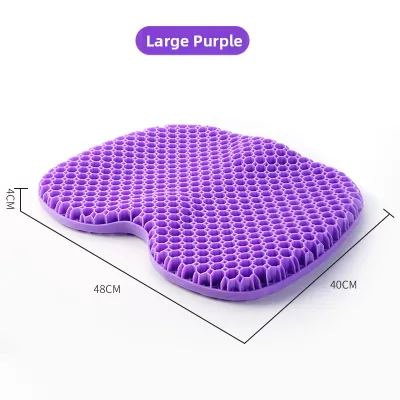
Gel seat pads typically utilize solid gel, gel-infused memory foam, or a molded honeycomb polymer structure. These materials possess a high specific heat capacity, meaning they can absorb a significant amount of heat from your body before they begin to feel warm themselves. The primary function of a gel pad is conduction; it draws heat directly away from your skin and clothing upon contact, providing a rapid cooling sensation when you first sit down.
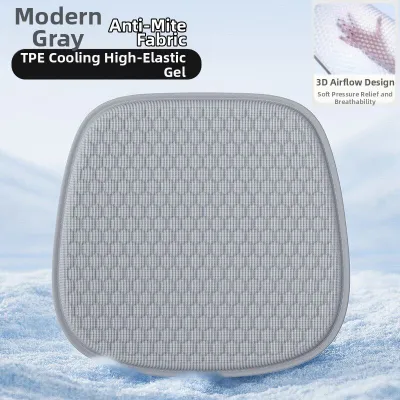
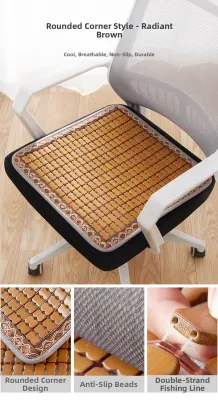
Mesh seat pads rely entirely on passive convection and ventilation. Constructed from tightly woven synthetic fibers like nylon or polyester, these pads feature an open, porous structure suspended over a lightweight frame. Instead of absorbing heat, mesh pads minimize the surface area in direct contact with your body, allowing ambient air to circulate freely beneath you. This continuous airflow helps sweat evaporate naturally, preventing the sticky, humid feeling often associated with leather or dense foam chairs.
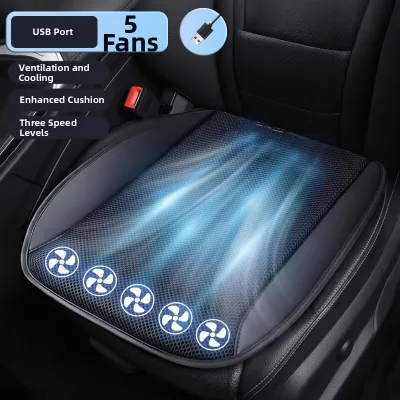
Fan-powered seat pads represent active cooling technology. These cushions feature integrated electric fans, usually positioned at the base of the pad, which draw in ambient air and distribute it through internal channels. The moving air is forced upward against your body, actively carrying away heat and moisture. Because they rely on mechanical components, these pads require an external power source, typically drawing electricity via a USB cable connected to a computer, a wall adapter, or a portable power bank.
Comparing Cooling Effectiveness and Comfort
Choosing between passive and active cooling requires balancing how long you sit with how much physical support you need from a cushion.

The cooling performance of gel pads is highly effective but time-limited. During the first thirty to sixty minutes of use, the gel efficiently pulls heat away from your body, creating a noticeable cooling effect. However, once the gel reaches thermal equilibrium—matching your body temperature—it can no longer absorb heat effectively. Without a break to let the pad dissipate its stored warmth, a solid gel cushion can act as an insulator, trapping heat beneath you. Honeycomb gel designs mitigate this by adding air channels, but they still rely on passive heat dissipation.
Mesh pads do not actively lower your skin temperature, but they excel at long-term temperature regulation. Because they do not store heat, they never reach a saturation point. If your room has active air conditioning or a ceiling fan, a mesh pad allows cool ambient air to reach your body, maintaining a neutral temperature indefinitely. However, in a stagnant, hot room without air circulation, a mesh pad is less effective, as it relies on the surrounding air to facilitate heat transfer.
Fan-powered pads offer high cooling potential in warm environments because their active airflow continuously disrupts the boundary layer of hot, humid air next to your skin. As long as the fans are running, they provide consistent heat dissipation, making them highly suitable for non-air-conditioned spaces or long drives. However, they only circulate ambient air; if the surrounding room is hot, the fans will blow warm air, though the evaporative cooling effect of the moving air still provides relief.
From an ergonomic standpoint, the physical feel of these pads varies. Gel cushions are dense, heavy, and provide a firm, supportive seating surface that conforms to your body shape, helping relieve pressure points. Mesh pads offer a springy, suspended feel that distributes weight evenly but may lack the deep cushioning some users prefer. Fan-powered pads are often the least cushioned; housing plastic fan units, wiring, and air distribution channels means they can feel somewhat rigid or bulky, requiring careful positioning to avoid discomfort.
Noise and power requirements are also critical differentiators. Gel and mesh pads are completely silent, require zero electricity, and can be placed on any chair instantly. Fan-powered pads generate a continuous hum from the spinning fan blades and motor. While many manufacturers design these fans to operate quietly, the noise may still be noticeable in a silent study environment. Additionally, you must manage the power cable, ensuring a USB port or power bank is within reach, which can limit mobility.
Practicality and Maintenance for Daily Use
A cooling pad must fit seamlessly into your daily routine, meaning cleaning, portability, and long-term durability are key factors to consider before purchasing.
Cleaning routines differ significantly based on the materials used. Gel pads with waterproof or vinyl covers are incredibly easy to maintain, requiring only a quick wipe with a damp cloth and mild soap to remove dust and sweat. Mesh pads often feature removable, machine-washable fabric covers, making it simple to keep them smelling fresh and free of allergens. Fan-powered cushions require the most cautious maintenance; because they contain electrical wiring, motors, and fan blades, they cannot be submerged in water. Users must spot-clean the fabric surface carefully, ensure no moisture enters the fan housing, and periodically use compressed air to clear dust buildup from the intake vents.
Portability and weight can influence how easily you can transition your cooling pad between your home office, workplace, and vehicle. Gel pads are notoriously heavy and floppy, often weighing several kilograms, which makes them cumbersome to carry around in a backpack. Mesh pads are exceptionally lightweight and, depending on the frame design, can sometimes be folded or rolled up, making them highly portable for commuters. Fan-powered pads fall in the middle; while not as heavy as gel, their rigid internal structures and dangling power cables make them less convenient to pack and transport frequently.
Understanding the lifespan indicators of each material will help you maximize your investment. Over years of continuous use, gel pads can suffer from material degradation, where the gel may lose its elasticity, bottom out under your weight, or, in the case of liquid-gel designs, develop leaks. Mesh pads are prone to gradual sagging or stretching, especially if subjected to weights near or above the manufacturer’s recommended limit, which reduces both comfort and airflow. Fan-powered pads face mechanical wear; the fan motors can degrade over time, leading to increased noise, reduced airflow, or complete mechanical failure, particularly if dust is allowed to accumulate inside the housing.
Decision Framework: Which Seat Cooling Pad Fits Your Needs?
To select the right cooling pad for your specific situation, evaluate your environment and seating habits against this structured framework.
Choose a gel cooling pad if you sit for relatively short intervals—such as commuting or brief study sessions—and prefer a firm, pressure-relieving cushion. Gel is ideal for those who prioritize absolute silence, want a low-maintenance product that is easy to wipe clean, and do not want to deal with power cables or batteries. It is also a great option if you prefer a heavy, stable cushion that stays firmly in place on your chair without sliding.
Choose a mesh cooling pad if you work in an air-conditioned office or a well-ventilated room and require continuous, all-day comfort without heat buildup. Mesh is highly suitable for users who want a lightweight, highly portable, and breathable solution that requires minimal upkeep. It is also highly suitable for those who prefer a springy, flexible seating surface and want to avoid the weight of gel or the mechanical complexity of fans.
Choose a fan-powered cooling pad if you sit for long hours in high-heat, humid environments without air conditioning, or if you experience heavy sweating while sitting. This active option is ideal for long-distance drivers or gamers who have easy access to a USB power source and do not mind a mild fan hum in exchange for continuous, active heat dissipation.
Before making a purchase from any online marketplace or local retailer, always verify the product specifications against your setup. Check the manufacturer’s stated weight limits to ensure the pad will maintain its structural integrity and cooling channels under your weight. For fan-powered options, verify the voltage and power interface requirements (such as USB-A or USB-C) to ensure compatibility with your power bank or computer ports, and look for recognized electrical safety certifications to ensure safe operation during long hours of use.
Frequently Asked Questions (FAQ)
Can I use a gel seat cooling pad in a car?
Yes, but you must take specific precautions regarding temperature exposure. While gel pads can provide excellent comfort during short drives, leaving them inside a parked car under direct sunlight can cause the gel to absorb extreme heat, making the pad hot to the touch when you return. In high-temperature environments, some gel materials can degrade or soften excessively. Always check the manufacturer’s temperature guidelines, and consider storing the pad in the trunk or out of direct sunlight when the vehicle is parked.
How do I clean a fan-powered cooling cushion safely?
To clean a fan-powered cushion safely, always unplug the device from its power source first to eliminate any electrical hazards. Never submerge the cushion in water or wash it in a washing machine, as this will permanently damage the fan motor and internal wiring. If the cushion has a removable outer cover, unzip and wash it according to the care label instructions. For the non-removable parts and fan housing, use a slightly damp cloth with mild detergent to spot-clean the surface, and use a can of compressed air to gently blow dust and lint out of the fan blades and intake vents.
Do mesh cooling pads actually lower the temperature?
Mesh cooling pads do not actively lower the ambient temperature or generate cold air. Instead, they function by facilitating passive ventilation and heat dissipation. By creating a breathable barrier between your body and the dense foam of your chair, mesh allows air to circulate and sweat to evaporate naturally. This prevents heat and humidity from becoming trapped, helping you maintain a comfortable, neutral body temperature rather than actively chilling the seat. For optimal results, use mesh pads in rooms with active air conditioning or fan circulation.

Community discussion
Share your experience or ask a question. Comments are reviewed before publication.