
Finding the perfect flower vase glass design is more than a functional choice; it is an intentional design decision that bridges the gap between nature and your interior architecture. The ideal glass vase acts as a visual frame, elevating both the botanical arrangement and the room it inhabits. By aligning the shape, color, and texture of your glassware with your home’s established design language, you turn a simple tabletop accessory into a cohesive focal point.
In modern living spaces, where layout and lighting define the atmosphere, glass is uniquely valuable. It filters and refracts light, adding depth without contributing visual clutter. Whether you are styling a compact high-rise apartment or a spacious landed property, selecting a vase style that complements your existing furniture, materials, and color palette will instantly elevate your home’s aesthetic appeal.
Quick Guide to Matching Glass Flower Vases and Decor
To quickly identify the best glass flower vase for your space, consider how specific glass characteristics align with popular design themes:
Products mentioned in this guide
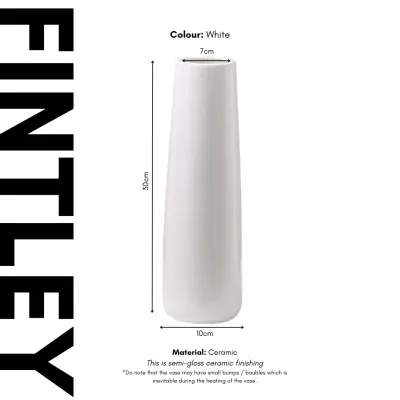
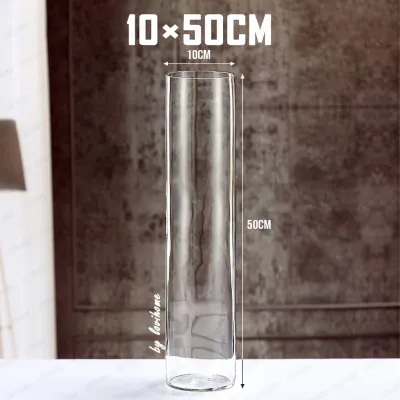
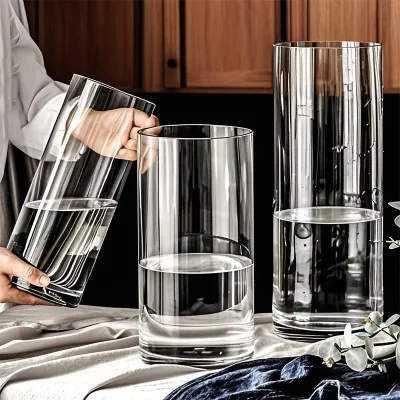
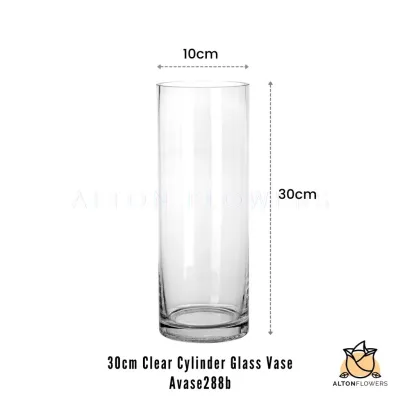
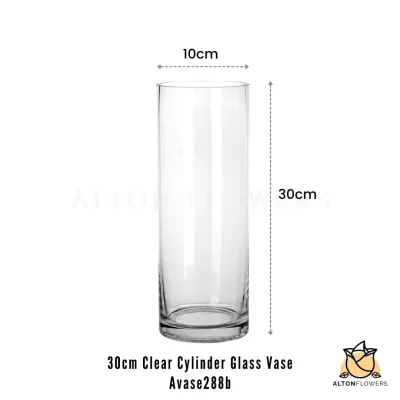
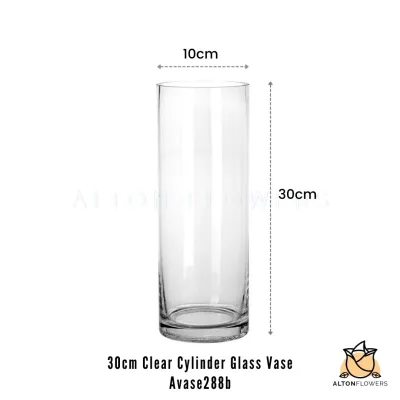
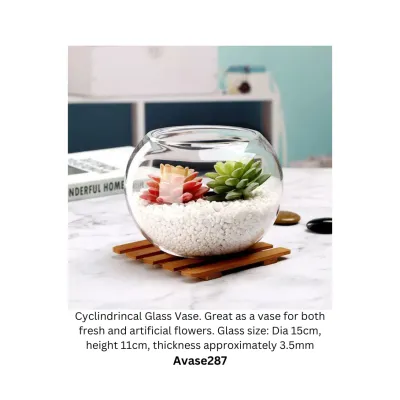
Prices are valid at publication and may change. Please refer to the product page for the latest price.
- Minimalist & Scandinavian: Clear, geometric cylinders, spheres, or delicate ribbed glass. Pair with single-stem monstera, eucalyptus, or local orchids.
- Modern & Contemporary: Sculptural, asymmetrical, heavy-bottomed, or smoked glass. Pair with structural heliconias or bold tropical foliage.
- Vintage & Traditional: Cut crystal, pressed glass, amber tints, or mercury glass. Pair with full bouquets of roses, hydrangeas, or carnations.
- Bohemian & Eclectic: Recycled glass, hand-blown shapes with bubbles, or vibrant stained glass. Pair with wildflowers, dried pampas grass, or trailing vines.
Choosing the right piece ensures that your floral display looks intentional. The sections below explore how to evaluate your space, select the ideal glass characteristics for your interior theme, and maintain your glassware for long-lasting clarity.
How to Identify Your Existing Home Decor Style
Before purchasing a new flower vase glass piece, take a moment to evaluate the dominant visual cues of your room. Look at the prevailing lines of your furniture—are they sharp, clean, and angular, or are they soft, rounded, and ornate? Observe the color palette, noting whether your space leans toward neutral, earthy tones, cool monochromes, or vibrant, saturated hues.

Material finishes also play a major role in defining your style. A room dominated by matte black metal, polished concrete, and sleek laminates demands a different glass texture than a space filled with warm teak wood, woven rattan, and textured linen. Identifying these elements helps you pinpoint the design language of your home.
Next, identify the “anchor” pieces in the room, such as a large dining table, a media console, or an entryway sideboard. In many Singaporean homes, spaces are transitional, blending elements of modern functionality with warm, natural textures. Understanding this blend allows you to choose accessories that bridge these styles seamlessly.
Finally, decide on your styling strategy: do you want the glass vase to blend in or stand out? A clear, minimalist cylinder will disappear elegantly into a quiet corner, letting the flowers do the talking. Conversely, a bold, amber-tinted sculptural vase will immediately draw the eye and create a striking focal point on a central dining table.
Glass Flower Vase Styles Matched to Popular Interior Aesthetics
Glass is one of the most versatile materials in home decor, capable of shifting from completely invisible to highly dramatic depending on how it is treated. The way light interacts with glass—whether it passes straight through, diffuses softly, or reflects off patterned facets—determines how well a piece integrates into your living space.
Minimalist and Scandinavian Interiors
Minimalist and Scandinavian designs prioritize light, simplicity, and uncluttered spaces. In these environments, home accessories must justify their presence through clean lines and functional beauty.
- Recommended Styles: Look for clear glass flower vase options, simple geometric cylinders, perfect spheres, or subtle ribbed and fluted textures.
- Why it Works: These styles emphasize light transmission, ensuring that the vase does not visually crowd a compact room or disrupt the clean sightlines of a Scandinavian-inspired interior.
- Best For: Single-stem statements, delicate foraging branches, or monochromatic floral arrangements such as white lilies or single palm leaves.
- Limitations to Note: Clear glass offers absolutely no concealment. Water lines, sediment, and decaying stems are visible instantly, meaning you must change the water daily to maintain the clean aesthetic.
Modern and Contemporary Spaces
Modern and contemporary spaces thrive on bold architectural forms, high contrast, and artistic expression. Accessories in these homes often double as standalone sculptures.
- Recommended Styles: Seek out asymmetrical silhouettes, thick solid glass bases, smoked or opaque finishes, and abstract hand-blown shapes.
- Why it Works: A sculptural glass vase functions as an art piece even when empty, complementing the sleek lines and sophisticated materials of modern furniture.
- Best For: Large, structural blooms like calla lilies, birds of paradise, or dramatic tropical ginger flowers.
- Limitations to Note: Thick, heavy glass vessels can be cumbersome to move and clean. Additionally, dark smoked or frosted glass can make it difficult to monitor water levels and clarity, which may lead to neglected stems.
Vintage and Traditional Homes
Traditional and vintage-inspired interiors celebrate craftsmanship, history, and intricate detail. Glassware in these spaces should evoke a sense of heritage and refined elegance.
- Recommended Styles: Choose cut crystal, mercury glass with an antique mirrored finish, pressed glass featuring intricate geometric patterns, or warm amber and pastel tints.
- Why it Works: The multi-faceted surfaces of cut and pressed glass catch and refract light beautifully, echoing the detailed carpentry, moldings, and classic textures of traditional rooms.
- Best For: Lush, rounded, and full bouquets such as classic roses, hydrangeas, or carnations.
- Limitations to Note: Intricate cut glass and detailed patterns require meticulous hand-washing to prevent dust and mineral buildup in the crevices. Furthermore, delicate mercury glass finishes are highly sensitive and can degrade or flake if water is left inside for extended periods.
Bohemian and Eclectic Rooms
Bohemian and eclectic spaces are defined by their relaxed, layered, and collected-over-time atmosphere. These rooms embrace organic textures, vibrant colors, and global influences.
- Recommended Styles: Opt for recycled glass featuring organic bubbles and imperfections, vibrant stained or mosaic glass, irregular hand-blown shapes, and rich jewel tones like cobalt blue, emerald green, or deep plum.
- Why it Works: The natural imperfections and rich colors of artisanal glass add a tactile, human element that complements the relaxed, earthy textiles of a bohemian home.
- Best For: Wildflower arrangements, dried florals, fluffy pampas grass, or trailing vines like devil's ivy.
- Limitations to Note: Highly textured, bubbled, or narrow-necked recycled glass can be incredibly fragile and challenging to clean thoroughly on the inside, often requiring specialized cleaning tools.
Practical Sizing and Proportion Rules for Glass Vases
While aesthetic alignment is crucial, a flower vase glass piece must also perform its primary job: supporting and showcasing your floral arrangements safely. Understanding basic proportion rules prevents your arrangements from looking awkward or tipping over.
The Rule of Proportion
As a general rule of thumb, the height of your glass vase should be roughly one-third to one-half the total height of your complete floral arrangement. For example, if you have stems that stand 60 centimeters tall, your vase should ideally be between 20 and 30 centimeters high. This ratio ensures that the arrangement looks balanced and visually grounded rather than top-heavy or swallowed by the container.
Neck Width and Opening Dynamics
The width of the vase’s neck dictates how your flowers will sit:
- Narrow Necks: Ideal for single stems, delicate bud arrangements, or sparse branches. The tight opening holds the stems upright, creating a clean, structured look.
- Wide Mouths: Best suited for dense, heavy bouquets. However, a wide opening can cause loose stems to splay outward, leaving a hollow center. To counter this, you can use a reusable metal floral frog (kenzan) or create a grid across the mouth using clear waterproof floral tape.
Base Weight and Stability
When displaying top-heavy tropical flowers—such as heavy ginger lilies or large monstera leaves—the weight of the vase’s base is critical. Look for glassware with a thick, solid base that lowers the center of gravity. This is especially important in high-traffic areas of the home or in households with curious pets and young children.
Surface Scale and Sightlines
Always match the footprint of the vase to the furniture piece it sits upon. A narrow console table in an entryway benefits from a slim, tall vase that stays out of the walkway. On a dining table, choose a low, wide glass bowl or a series of small bud vases. This keeps the overall height of the arrangement below eye level (typically under 30 centimeters from the tabletop), allowing guests to maintain clear sightlines and converse easily during meals.
How to Clean and Maintain Glass Vases Without Scratching
The transparency of glass is its greatest asset, but it also means that dirt, algae, and mineral deposits have nowhere to hide. Keeping your glass flower vase sparkling clean requires gentle, non-abrasive maintenance techniques.
Routine Cleaning Steps
For everyday maintenance, wash your glass vase with mild dish soap and lukewarm water. Use a soft sponge or a flexible silicone bottle brush to reach the bottom. Avoid using abrasive scrubbing pads, steel wool, or harsh plastic brushes, as these can create microscopic scratches on the glass surface. Over time, these tiny scratches collect dirt and bacteria, leading to permanent cloudiness.
Removing Hard Water Stains and Cloudiness
In municipal water systems, dissolved minerals can leave stubborn white rings inside your glassware. To dissolve these deposits safely and reversibly, use a simple vinegar and baking soda solution:
- Fill the vase with warm water and add two tablespoons of white vinegar.
- Let the solution sit for 15 to 30 minutes to break down the mineral bonds.
- For stubborn spots, add a tablespoon of baking soda to create a gentle, effervescent scrubbing action.
- Swish the mixture around, gently wipe with a soft cloth, and rinse thoroughly with clean water.
Drying and Storage
To prevent unsightly water spots from forming as the vase dries, air-dry the glass upside down on a clean, lint-free microfiber towel. Once dry, store your glassware in a stable, padded cabinet or shelf where it is protected from accidental bumps and temperature swings.
Safety and Finish Boundaries
Before applying any acidic cleaning agents like vinegar, always check the manufacturer’s care instructions, especially for specialty glassware. Acidic solutions can strip or tarnish delicate finishes, such as hand-painted gold rims, exterior frosted coatings, or the metallic interior layers of antique-style mercury glass. For these delicate items, stick to gentle hand-washing with mild soap and immediate hand-drying.
Frequently Asked Questions (FAQ)
Can I use a clear glass vase for any interior style?
Yes, clear glass is highly adaptable and can transition seamlessly across almost any interior style. Its neutrality allows the botanical arrangement to remain the primary focus without clashing with existing decor. In highly ornate or colorful rooms, a simple, unadorned clear glass vase acts as a visual resting point, balancing the surrounding patterns and textures.
How do I stop my glass vase from tipping over with heavy flowers?
To secure a glass vase holding heavy or tall arrangements, select a vessel designed with a wide, thick, and heavy base. You can also add weight to the bottom of the vase by placing clean glass marbles, polished river stones, or decorative acrylic gems inside before adding water. Always ensure the vase sits on a completely level, stable surface away from high-traffic edges.
Why does my glass vase look cloudy even after washing?
Cloudiness is usually caused by either hard water mineral buildup (limescale) or permanent glass etching. If the cloudiness is mineral-based, a mild acid like white vinegar will dissolve it. However, if the glass has been etched—often caused by harsh automatic dishwasher detergents, extremely hot water, or abrasive scrubbing—the damage is microscopic and permanent. To prevent etching, always hand-wash decorative glassware in lukewarm water.

Community discussion
Share your experience or ask a question. Comments are reviewed before publication.