
Glass terrariums serve as captivating miniature ecosystems that bridge the gap between indoor living spaces and the natural world. Far more than simple plant containers, these glass vessels act as sculptural design elements that can define or elevate a room’s aesthetic. Selecting the ideal glass terrarium requires a thoughtful balance between visual style and practical function. By understanding how different designs—ranging from sharp geometric frames to soft, frameless minimalist spheres—interact with your home’s existing furniture, color schemes, and lighting, you can create a harmonious display. Additionally, matching the vessel’s structure to the specific environmental needs of your chosen plants ensures that your miniature garden remains vibrant and healthy over time.
Exploring the Main Glass Terrarium Styles
Geometric terrariums are defined by their sharp angles, clean lines, and architectural presence. Constructed from individual glass panes soldered together with metal seams, these vessels often feature brass, copper, or matte black metal frames. The faceted surfaces catch and refract light, making them striking focal points even when empty. Their structured form brings a sense of order and modern sophistication to any surface. Because of their distinct metal lines, they function almost like small-scale sculptures, drawing the eye to their precise craftsmanship.
For those drawn to classic elegance and historical character, vintage and antique-style terrariums offer a timeless appeal. These designs frequently incorporate ornate details, such as embossed metal bases, distressed finishes, and decorative finials. Classic glass cloches, bell jars, and apothecary jars fall into this category, evoking the spirit of Victorian-era botanical collections. Often resting on wooden or metal pedestals, these vessels add a sense of drama and nostalgia to a room, making them ideal for showcasing delicate ferns or rare plant specimens.
Products mentioned in this guide
![[PF Sora] Paludarium / Terrarium Crystal Glass Tank](https://img.lazcdn.com/g/p/dfd42f564f397d02fdab353d6acfb405.jpg_400x400q80.jpg_.webp)
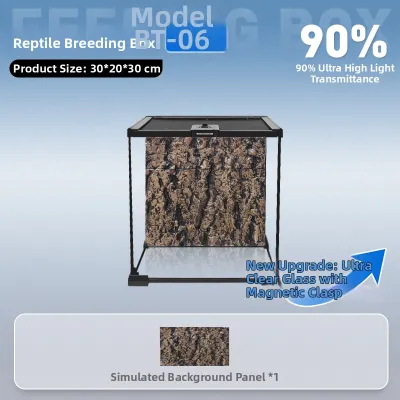
![[ReptiZoo] MINI Glass Reptile Habitat Tank for Fish Crabs Turtle Reptiles Insects and Plants (AK03B AK10B)](https://img.lazcdn.com/g/p/ef755c708d907e67d6a92a2eed9502a8.jpg_400x400q80.jpg_.webp)
Prices are valid at publication and may change. Please refer to the product page for the latest price.
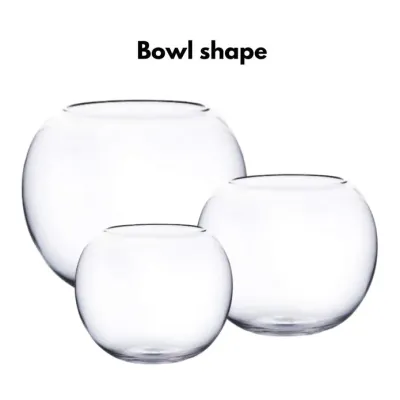
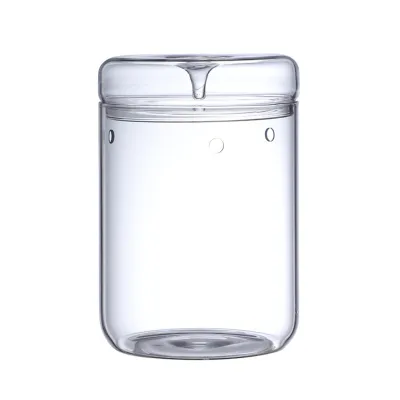
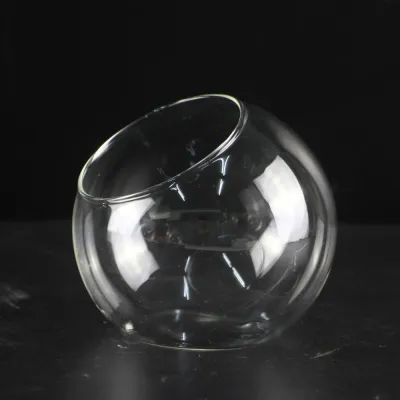
Minimalist terrariums strip away all unnecessary ornamentation to focus entirely on the natural beauty of the plants and soil layers within. These frameless vessels are typically made from high-clarity, hand-blown glass in simple shapes like cylinders, bowls, or perfect spheres. Without metal solder lines or decorative bases to distract the eye, the organic textures, colors, and shapes of the foliage take center stage. This clean aesthetic feels light and airy, making it an excellent choice for smaller rooms where visual clutter must be kept to a minimum.
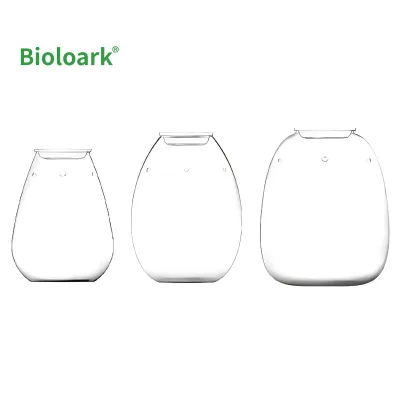
Hanging terrariums introduce dynamic movement and utilize vertical space that might otherwise remain empty. These suspended glass vessels, often shaped like teardrops, globes, or lightbulbs, are designed to hang from ceiling hooks, wall brackets, or dedicated stand-alone frames. Some styles are cradled in woven macrame hangers, adding a soft, textured element to the display. By lifting the plants off flat surfaces, hanging terrariums create a sense of weightlessness and can help draw the eye upward, making a room feel taller and more spacious.
Matching Terrarium Aesthetics to Your Interior Design
Integrating a glass terrarium into your home begins with identifying the dominant design theme of your space. Geometric terrariums, with their bold metal lines and architectural shapes, pair exceptionally well with modern, industrial, or mid-century modern interiors. The metallic frames complement industrial elements like exposed brick, concrete, or matte black fixtures. Vintage and antique terrariums, on the other hand, find their natural home in traditional, rustic, or bohemian spaces. The distressed finishes and ornate details of a classic cloche harmonize with rich wood tones, vintage textiles, and eclectic decor. For Scandinavian, minimalist, or highly contemporary rooms, frameless minimalist glass vessels are ideal. Their clean, unobtrusive profiles align with the simple lines and functional focus of these design movements.

A common decorating mistake is choosing a terrarium that is either dwarfed by its surroundings or completely overwhelms the space. Before purchasing, measure the surface area of the tabletop, shelf, or mantel where the vessel will sit. Consider the depth of your shelves; a wide geometric terrarium may overhang a narrow bookshelf, creating a safety hazard. Pay attention to the negative space around the terrarium. A large, complex vessel needs breathing room to be fully appreciated, while a cluster of smaller minimalist globes can fill a void without feeling heavy. Ensure the height of the terrarium is proportional to nearby objects, such as table lamps, books, or framed art, to maintain a balanced visual rhythm.
The materials and finishes of your terrarium should coordinate with the existing color palette and hardware in your room. If your space features warm tones, brass or copper-framed geometric terrariums can echo these hues beautifully, especially when placed near warm-toned lighting fixtures. Conversely, black metal frames offer a sharp, high-contrast look that pairs well with monochrome color schemes or cool-toned rooms. For spaces dominated by soft pastels or neutral wood tones, clear, frameless glass minimalist vessels maintain a soft, cohesive look without introducing competing metallic elements.
Where you place your terrarium determines how it interacts with the room’s layout. A large, intricate geometric or vintage piece makes an excellent tabletop centerpiece for a dining or coffee table, serving as a conversation starter. On bookshelves or console tables, try layering smaller minimalist terrariums alongside books and ceramic pieces to add depth and organic texture. If floor and surface space are limited, hanging terrariums can be suspended near windows or in empty corners, transforming unused vertical areas into lush, green focal points. This is particularly effective in compact urban apartments, such as those in Singapore, where maximizing floor space is essential.
Essential Checks Before Buying a Glass Terrarium
Before selecting a terrarium style, evaluate the natural light available in your intended placement spot. Different plants require different light levels, and the design of the glass vessel directly impacts the internal climate. Closed terrariums trap moisture and create a high-humidity environment, making them perfect for moisture-loving plants like ferns, mosses, and fittonias. However, placing a closed terrarium in direct sunlight can cause heat to build up rapidly, potentially damaging the plants inside. Open terrariums, such as geometric designs with open panels or wide-mouthed bowls, allow for excellent airflow and lower humidity, which is essential for arid-loving plants like succulents and cacti.
The physical safety of your terrarium setup is paramount, particularly in households with pets or young children. Geometric terrariums with pointed angles or top-heavy shapes require a completely flat, stable surface to prevent tipping. For hanging terrariums, safety is even more critical. Suspended glass loads require secure overhead anchoring. If you are drilling into concrete ceilings—a common feature in many modern apartments—ensure you use appropriate expansion shields or masonry anchors. Always verify the weight capacity of your hooks and chains, keeping in mind that the terrarium will become significantly heavier once filled with soil, rocks, and water. If you are working at height or are unsure about the structural integrity of your ceiling, consult a qualified professional to handle the installation.
A beautiful terrarium can quickly become a source of frustration if it is difficult to maintain. When choosing a style, examine the size of the opening or access panels. Intricate geometric designs or narrow-necked vintage bottles may have very small openings that make planting, pruning, and cleaning a challenge. Ensure you can comfortably reach inside with long tweezers, scissors, or a cleaning cloth. If the opening is too small, tasks like removing dead leaves or wiping condensation off the glass can become incredibly tedious, leading to a neglected display.
Long-term durability depends heavily on the quality of the materials used. For closed terrariums or setups that require frequent misting, ensure the metal frames are rust-resistant. Poorly soldered or untreated metal frames can corrode over time when exposed to constant moisture, leading to structural failure and unsightly staining. Check the thickness of the glass as well; very thin glass is highly fragile and prone to cracking during planting or cleaning. Opting for sturdy, well-constructed vessels ensures your miniature ecosystem remains safe and beautiful for years to come.
Glass Terrarium Style Comparison
To help streamline your decision-making process, the table below summarizes the key differences between the main glass terrarium styles, including their ideal design pairings and plant compatibility.
| Style | Best Suited Decor | Ideal Plant Types | Maintenance Level |
|---|---|---|---|
| Geometric | Modern, Industrial, Mid-Century | Succulents, Cacti (Open); Ferns (Closed) | Moderate |
| Vintage | Traditional, Bohemian, Rustic | Ferns, Mosses, Ivy, Selaginella | Moderate to High |
| Minimalist | Scandinavian, Contemporary | Fittonias, Air Plants, Peperomia | Low |
| Hanging | Eclectic, Small Spaces, Transitional | Air Plants, Trailing Succulents, Mosses | Low to Moderate |
While each style offers distinct aesthetic advantages, they also come with practical trade-offs. Hanging terrariums, for example, free up valuable surface space but require secure overhead anchors and careful watering to avoid spills. Intricate vintage frames with detailed metalwork or textured glass can collect dust easily, requiring more frequent cleaning to maintain their clarity. Minimalist glass vessels are the easiest to clean but lack the structural drama of geometric designs. Balancing these practical considerations with your design preferences will lead to a more satisfying and sustainable choice.
Frequently Asked Questions (FAQ)
Can I mix different terrarium styles in the same room?
Yes, mixing different terrarium styles can create a dynamic and curated look if done intentionally. To maintain visual harmony, use unifying elements across the different vessels. For instance, you can plant similar varieties of greenery, such as soft ferns or bright mosses, in both a vintage cloche and a minimalist cylinder. Alternatively, you can match the soil and drainage layers, using the same color of decorative sand or pebbles in each container. Keeping the frame colors consistent, such as choosing only black metal accents, also helps tie disparate shapes together.
Do hanging glass terrariums require special installation?
Yes, hanging glass terrariums require careful installation to ensure safety and prevent accidents. Because glass is fragile and the added weight of soil, plants, and water can be substantial, you must use load-rated hooks and chains. Avoid hanging terrariums from simple adhesive hooks or thin drywall anchors. Instead, locate a solid ceiling joist or use heavy-duty toggle bolts designed for your specific ceiling material. For concrete ceilings, masonry anchors are required. Always follow the manufacturer’s weight limits and instructions, and consider consulting a qualified professional if you are working at height or drilling into structural concrete.

Community discussion
Share your experience or ask a question. Comments are reviewed before publication.