
Choosing the right bedside clock is a highly personal decision that directly impacts your sleep quality and morning routine. The ideal choice depends on your specific bedroom priorities, such as display brightness, alarm gentleness, and power reliability. While Glowlite typically focuses on integrated ambient lighting and essential clock features, competing brands may prioritize advanced smart home integration or minimalist design aesthetics.
Before making a purchase, it is highly recommended to verify the current model specifications on official brand sites or authorized online retailers. This ensures the features align with your daily habits and bedroom layout.
Key Dimensions to Compare Glowlite Against Other Brands
When shopping for a bedside clock, it is easy to get overwhelmed by the sheer variety of options available on the market. From basic digital displays to advanced smart hubs, the choices can seem endless. However, the primary purpose of a bedside clock remains the same: to help you maintain a healthy sleep schedule and wake up feeling refreshed. To achieve this, the clock must integrate seamlessly into your bedroom environment without causing unnecessary disruptions.
Products mentioned in this guide

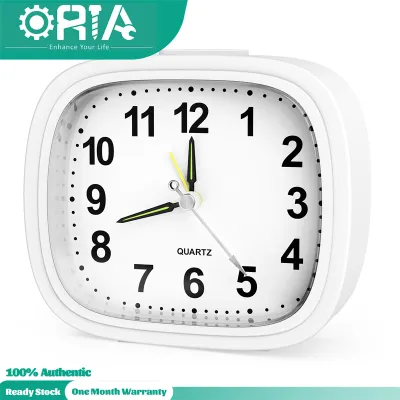
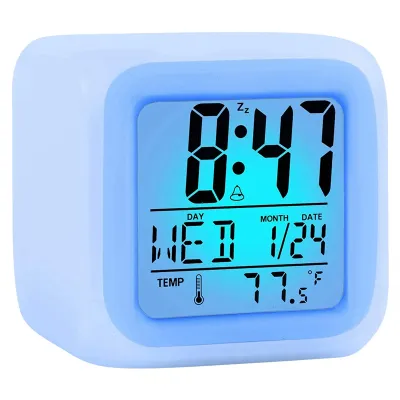
Prices are valid at publication and may change. Please refer to the product page for the latest price.
Comparing raw specifications on paper is rarely sufficient without considering your physical bedroom environment. A clock that looks perfect in a bright showroom might prove distracting or impractical on a dark nightstand. To make an informed choice, you must evaluate how each brand performs across three main pillars: display and lighting, alarm acoustics, and power connectivity.
Display Visibility and Nighttime Lighting
When evaluating screen readability, look closely at the manufacturer specifications for adjustable brightness levels and auto-dimming sensors. A high-quality bedside clock should offer multiple dimming steps to prevent the screen from illuminating the entire room at night. Some models feature ambient light sensors that automatically adjust the display based on the room’s lighting conditions, which is highly convenient.
Different display technologies also affect nighttime comfort. For instance, traditional LED displays emit direct light that can be harsh in pitch-black rooms, whereas LCD screens with adjustable backlights or e-paper displays offer a softer appearance. Color temperature is another critical factor to consider. Warm colors like orange, red, or soft yellow are generally preferred for nighttime viewing as they are less disruptive to sleep patterns compared to cool blue or bright white lights.
Determine whether the clock’s built-in light is designed to function as a bright reading lamp or merely as a subtle, warm nightlight. For light-sensitive sleepers, it is essential to verify if the display can be turned off completely while keeping the alarm active, allowing you to sleep in total darkness.
Alarm Functions and Sound Customization
The way you wake up sets the tone for your entire day, making alarm flexibility a key differentiator between brands. Check if the clock offers gradual wake-up features, such as sunrise simulation that slowly brightens before the audio starts, or alarms that progressively increase in volume. These features provide a much gentler transition from sleep than sudden, loud buzzing.
Consider the variety of built-in sounds and whether the clock supports custom audio options or dual alarms, which are highly useful for couples with different schedules. Additionally, pay attention to the physical design of the clock. A large, easily accessible snooze button on top is much easier to locate in a half-awake state than a tiny button hidden on the back of the device.
Some brands also allow you to customize the snooze duration, whereas others hardcode it to a standard nine minutes. You should also verify if the alarm automatically shuts off after a certain period of time to prevent it from ringing indefinitely if you happen to leave the house without turning it off.
Power Sources and Smart Features
Power reliability ensures you never miss an alarm due to an unexpected outage. Compare mains-powered models that include a battery backup against purely battery-operated or USB-rechargeable alternatives. A battery backup is highly recommended for mains-powered clocks, as it preserves your time and alarm settings during temporary power disruptions.
If you are considering smart features like Wi-Fi connectivity, app control, or voice assistant integration, keep in mind that these capabilities often increase power consumption and may require a continuous mains connection. For safe operation in Singapore, always verify that the clock’s power adapter matches local voltage standards (220V-240V) and features the appropriate plug type.
USB-powered models offer flexibility, but you must ensure your USB wall adapter provides the correct amperage specified by the manufacturer. Some smart clocks also require a stable internet connection to keep the correct time, which can be a drawback if your home Wi-Fi occasionally drops overnight.
How to Evaluate Value and Bedroom Compatibility
To determine the true value of a bedside clock, compare the retail price in S$ against the build quality, warranty coverage, and after-sales support offered by the manufacturer. A slightly higher upfront investment in a reputable brand often yields better physical buttons, more durable plastics, and reliable internal components that last for years.

When assessing the overall value of a bedside clock, it is also helpful to look at the materials used in its construction. Clocks made with premium materials like real wood, brushed metal, or high-quality matte plastics tend to feel more substantial and are less prone to showing fingerprints or attracting dust. Fabric-covered grilles can add a cozy, modern touch to your bedroom decor, but they may require occasional vacuuming to keep them clean.
Warranty terms can vary significantly between brands. While some budget-friendly options may only offer a basic 3-month warranty, more established brands often provide a full 12-month or 24-month warranty that covers manufacturing defects. Checking the availability of local customer support in Singapore is also a wise step, as it makes the resolution process much smoother if you ever encounter a technical issue with your device.
Additionally, consider the ease of setup and daily operation. A clock with intuitive physical buttons or dials is often much easier to adjust in the dark than one that requires navigating complex menus on a small screen or opening a smartphone app. If you frequently change your alarm times, look for a model with dedicated dials or buttons for quick adjustments.
Physical dimensions and footprint are equally important when selecting a clock. Measure your nightstand beforehand to ensure the clock fits comfortably alongside other essentials like a water glass, phone charger, or book without causing clutter. A compact footprint is especially valuable if you have limited space next to your bed.
Safety and build standards should never be overlooked. Check the user manual or product labels for material safety certifications and heat dissipation details, particularly for models that incorporate high-brightness LEDs or wireless charging pads. These features can generate mild warmth, so proper ventilation and quality construction are necessary for peace of mind.
Remember that a higher price tag or an abundance of smart features does not automatically translate to better sleep hygiene. When comparing options, prioritize features that actively reduce nighttime disruptions and support a restful environment over unnecessary digital distractions. For example, a clock with a physical switch to disable all wireless signals at night can be highly beneficial for those looking to minimize electromagnetic exposure in their sleeping area.
Decision Framework: When to Choose Glowlite or Alternatives
To finalize your decision, consider how your daily routine aligns with the specific strengths of each brand:
- Choose Glowlite if: Your priority is a specific combination of ambient lighting and basic timekeeping, and the current model's verified specs meet your brightness and alarm needs.
- Choose a Competing Brand if: You require advanced smart home integration, specific minimalist aesthetics, or specialized acoustic alarms not offered by Glowlite.
- Verify First if: You are buying for a shared bedroom requiring dual alarms, or if you have strict light-sensitivity requirements that need confirmed auto-dimming capabilities.
Before completing your purchase, always check the return and exchange policies on your chosen e-commerce platform. This provides a safety net in case the physical size, screen glare, or alarm tone does not suit your actual bedroom environment once set up.
Frequently Asked Questions (FAQ)
Do Glowlite bedside clocks emit blue light that disrupts sleep?
To determine if a specific clock emits sleep-disrupting blue light, you must check the manufacturer’s specifications regarding display technology and color temperature settings. Look for models that explicitly feature warm-light modes, amber backlights, or blue-light filtering options. If a model lacks native warm settings, you can apply a physical dimming sheet or amber light filter over the screen to reduce sleep interference.
How do I ensure the alarm volume is loud enough for heavy sleepers?
Before buying, check the manufacturer’s stated decibel range or maximum volume specifications to ensure the alarm meets your needs. If standard audio alarms are consistently insufficient to wake you, look for specialized models that support physical vibration pads or bed shakers. These accessories are often sold separately and connect directly to the clock to provide a physical alert alongside the audio alarm.

Community discussion
Share your experience or ask a question. Comments are reviewed before publication.