
Selecting the perfect photo frames for a modern home in Singapore requires a thoughtful balance of aesthetic appeal, material durability, and structural safety. In a contemporary interior, a frame is not merely a protective border; it is an architectural element that defines how art and photography interact with your living space. Given Singapore’s unique tropical climate and typical residential construction—characterized by high humidity and solid concrete walls—choosing the right framing solutions involves more than just picking an attractive design off a shelf. By understanding the core principles of modern framing design and knowing what quality markers to look for, you can curate a sophisticated gallery that elevates your home’s interior.
To achieve a truly modern look, you must look beyond generic options and focus on brands and workshops that emphasize clean lines, archival-grade materials, and robust construction. Whether you are decorating a cozy HDB flat or a spacious condominium, the frames you select should harmonize with your existing decor while protecting your cherished memories from environmental wear. This guide explores the essential design characteristics, material evaluations, sourcing channels, and practical installation methods necessary to make informed framing decisions for your contemporary Singaporean home.
Defining Modern Aesthetics in Photo Frames
Modern framing aesthetics are rooted in the philosophy of minimalism, where the frame serves to enhance and focus attention on the artwork rather than compete with it. The most prominent characteristic of contemporary frames is a slim, low-profile bezel. Typically measuring between 5mm and 15mm in width, these narrow borders provide a clean, crisp edge that defines the boundaries of the image without adding unnecessary visual weight. The lines of the frame should be perfectly straight and sharp, contributing to an overall sense of architectural order and precision within the room.
Products mentioned in this guide

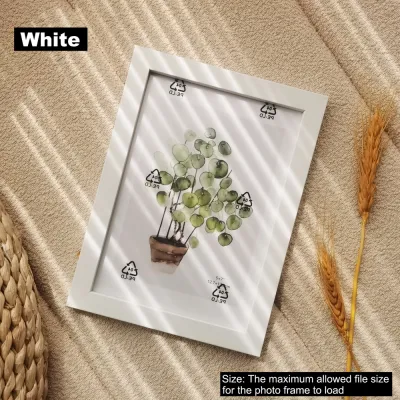
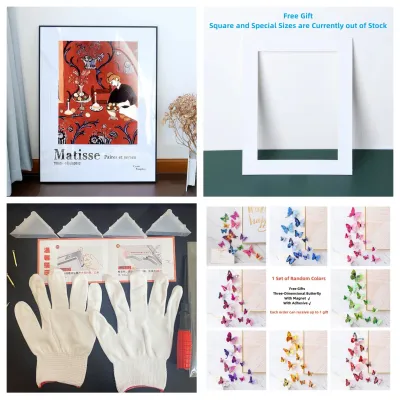
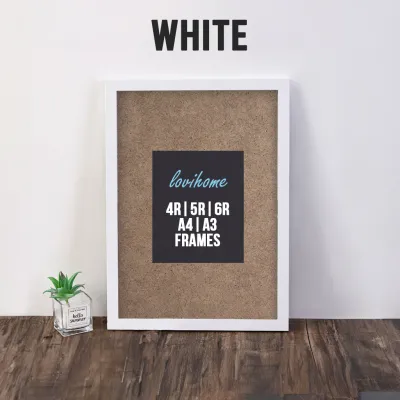
![[SG Stock]4R/5R/6R/A4 Wooden Photo Frame Picture Frame Wood White Black Simple Picture Frame Birthday Gift present Christmas gift](https://img.lazcdn.com/g/p/90c8cf15b9d834f250e5f719c443c585.jpg_400x400q80.jpg_.webp)

Prices are valid at publication and may change. Please refer to the product page for the latest price.
Color palettes in modern framing favor monochromatic tones and subtle, understated finishes. Matte black and crisp white remain the gold standards for contemporary spaces, offering a timeless contrast that suits almost any photographic style. For a touch of warmth or industrial sophistication, subtle metallic finishes such as brushed brass, anodized aluminum, or satin nickel are excellent choices. These finishes should always be matte or satin rather than highly polished, as reflective surfaces can create distracting glares and detract from the understated elegance of modern design.
Beyond traditional borders, modern framing frequently incorporates innovative structural styles that challenge conventional presentation. Frameless designs, often utilizing polished-edge glass or acrylic sheets held together by minimalist metal clips, offer an exceptionally clean look that blends seamlessly into the wall. Floating mount styles are another highly popular contemporary option; in these setups, the artwork is suspended between two layers of clear glazing, creating the illusion that the image is hovering in mid-air. These styles emphasize transparency and lightness, making them particularly effective in smaller rooms where heavy frames might feel restrictive.
Key Criteria for Evaluating Photo Frame Brands
When evaluating photo frame brands, material integrity should be your primary consideration, especially considering Singapore’s year-round high humidity. Solid hardwoods, such as oak, walnut, ash, and maple, are highly superior to engineered alternatives like medium-density fibreboard (MDF) or plastic-wrapped composites. While MDF frames are often more budget-friendly, they are highly susceptible to moisture absorption, which can cause the frame to swell, warp, or delaminate over time. Solid wood, when properly sealed and finished, offers excellent structural stability and a natural grain pattern that adds organic texture to your walls.

The choice of glazing—the protective front cover of the frame—is another critical factor that impacts both aesthetics and safety. Standard float glass is highly scratch-resistant and offers excellent optical clarity, but it is heavy and fragile, making it a potential hazard for large-format frames or in homes with active children and pets. Optical-grade acrylic, on the other hand, is lightweight, virtually shatterproof, and offers comparable clarity. However, acrylic is more prone to static buildup and scratching, meaning it requires specialized care and cleaning products to maintain its pristine surface over time.
Examine the joinery and backing mechanisms of any frame brand before making a purchase. High-quality frames feature tight, seamless mitered corners that are reinforced internally with v-nails, wood splines, or metal corner brackets to prevent the joints from separating under tension. The backing board should be sturdy and held in place by secure, reusable fasteners such as metal turn buttons or spring clips. Avoid frames that rely on flimsy, bendable metal tabs, as these are prone to snapping after only a few adjustments, rendering the frame difficult to reuse or seal properly.
Finally, preservation features are essential if you are framing valuable prints, original artwork, or irreplaceable family photographs. Look for brands that offer acid-free, archival-grade mat boards and backing materials. Standard paper mats contain lignin, an organic compound that releases acids over time, leading to yellowing and deterioration of the artwork—a phenomenon known as “mat burn.” Additionally, consider investing in UV-protective glazing that blocks a high percentage of harmful ultraviolet rays, shielding your prints from the fading effects of ambient tropical sunlight streaming through your windows.
Where to Source Quality Photo Frames in Singapore
Finding high-quality photo frames in Singapore involves exploring a variety of retail channels, each catering to different design needs, budgets, and customization requirements. Specialty custom framing studios and local artisanal workshops represent the pinnacle of quality and personalization. These establishments allow you to collaborate directly with framing professionals to select bespoke dimensions, premium wood species, and specialized museum-grade glazing. While custom framing requires a higher initial investment—often ranging from S$100 to several hundred dollars depending on size—it is the ideal choice for non-standard print sizes, valuable art, or when you require a truly unique design statement.
For high-quality, ready-made frames that align with contemporary design trends, established furniture showrooms and curated home decor boutiques are excellent options. Many of these retailers carry style-matched decor collections that feature minimalist frames designed to complement modern furniture lines. Shopping in physical showrooms allows you to inspect the frame’s construction firsthand, feel the texture of the wood or metal, and verify the quality of the joinery before purchasing. This is highly beneficial when you want to ensure that the frame’s finish perfectly matches other wooden or metallic elements in your home.
If you prefer the convenience of online shopping, reputable online marketplaces and specialized home decor e-commerce platforms offer a vast selection of modern frames. However, purchasing frames online requires a cautious approach to avoid disappointment. Always prioritize sellers with high ratings and detailed customer reviews, paying close attention to feedback regarding packaging quality, as glass and acrylic are highly vulnerable to damage during transit. Additionally, review the platform’s return and exchange policies carefully. If you plan to create a large gallery wall, it is highly recommended to order a single sample frame first to verify its material quality and color accuracy before committing to a bulk order.
Matching Frame Materials and Styles to Your Interior
To create a cohesive and visually appealing home, it is essential to match your frame materials and styles to the specific interior design theme of your living space. In industrial or ultra-minimalist interiors, characterized by exposed concrete, metal fixtures, and clean architectural lines, sleek metal frames are highly effective. Anodized aluminum or matte black metal frames provide a sharp, graphic contrast against neutral walls, echoing the functional, structured aesthetic of the space. These frames work exceptionally well with black-and-white photography, architectural sketches, or minimalist graphic prints.
For homes designed around Japandi or Scandinavian aesthetics, which emphasize natural light, organic textures, and a sense of calm, wooden frames in light, warm tones are the ideal choice. Frames crafted from light oak, natural ash, or rich walnut add a touch of organic warmth without overwhelming the room’s minimalist sensibility. These natural wood finishes harmonize beautifully with indoor plants, linen textiles, and light-colored wooden furniture, creating a serene and cohesive environment. When using wooden frames in these styles, opt for matte, low-sheen finishes that preserve the natural texture and grain of the wood.
If you are designing a contemporary, layered gallery wall, incorporating frameless acrylic frames or thick glass blocks can add a modern, dynamic dimension to your display. These transparent options allow the wall color to show through around the edges of the artwork, creating an airy, floating effect that prevents a dense arrangement of frames from feeling heavy or cluttered. To maintain a sophisticated look when mixing different frame styles and materials, establish a unifying element—such as a consistent color palette for the artwork, matching mat board widths, or a shared metallic accent—to tie the diverse elements together cohesively.
Practical Considerations for Sizing, Hanging, and Care
Achieving a professional, gallery-quality look in your home requires careful attention to sizing, mounting safety, and ongoing maintenance. When determining the size of your frame, the proportions of the mat board play a crucial role in the overall visual impact. For a modern, sophisticated presentation, consider using wide, oversized mat boards. A small 10x15cm photograph placed within a large frame with a 10cm-wide mat board instantly gains visual importance and a contemporary, artistic feel. Ensure that the mat board is perfectly centered and that its color complements both the artwork and the frame, with crisp white, off-white, and warm gray being the most versatile modern choices.
Proper installation is critical for both aesthetic precision and structural safety, particularly given the construction of Singaporean homes. Most residential walls in Singapore are made of solid concrete or masonry, which require a hammer drill, plastic wall plugs, and sturdy screws to hang heavy frames securely. For drywall partitions, which are common in newer condominiums and renovated HDB flats, you must use specialized drywall anchors or toggle bolts to distribute the weight safely. Always verify the weight of your fully assembled frame and ensure that your selected hanging hardware is rated to support that load. For large or heavy frames, use two hanging points spaced apart to distribute the weight evenly, and always use a spirit level to ensure perfect alignment. If you are mounting exceptionally heavy frames or working at height, it is highly recommended to engage a qualified professional handyman to ensure a secure and safe installation.
Maintaining your photo frames involves protecting them from environmental factors and cleaning them with appropriate methods. Avoid hanging frames in areas exposed to direct, intense sunlight, as UV radiation will rapidly fade prints and degrade mounting materials over time. Additionally, keep frames away from direct air conditioning drafts to prevent rapid temperature changes that can cause moisture condensation inside the glass. When cleaning, never spray liquid cleaners directly onto the frame, as moisture can seep under the edges and damage the artwork. Instead, spray a small amount of ammonia-free glass cleaner onto a microfiber cloth and gently wipe the surface. For acrylic fronts, use only specialized, non-abrasive acrylic cleaners and an ultra-soft cloth to avoid creating fine scratches that dull the surface.
Frequently Asked Questions (FAQ)
How do I choose the right mat board size for a modern look?
Choosing the right mat board size is essential for creating a balanced, contemporary presentation. For a modern, gallery-style aesthetic, opt for wide, oversized borders that provide ample breathing room around the artwork. A general guideline is to select a mat board that is at least 5cm to 8cm wide for medium-sized prints (such as A4 or 20x30cm), and up to 10cm or more for smaller images. This generous spacing draws the viewer’s eye directly to the artwork and prevents the frame from crowding the image. Ensure the mat is proportional; the border should generally be equal on all four sides, though some modern designs utilize a slightly wider bottom border—known as bottom-weighting—to create a pleasing visual balance when hung on a wall.
Are acrylic fronts better than glass for large photo frames?
For large-format photo frames, acrylic fronts offer several distinct advantages over traditional glass, though there are trade-offs to consider. The primary benefit of acrylic is its lightweight nature; it weighs less than half of what standard glass weighs, significantly reducing the load on your wall anchors and making installation much safer. Acrylic is also highly shatter-resistant, making it the preferred choice for high-traffic areas, children’s bedrooms, or earthquake-prone regions. However, acrylic is highly susceptible to scratching and static buildup, which attracts dust easily. Glass, while heavy and fragile, offers superior scratch resistance and is easier to clean with standard household products. If you choose acrylic for a large frame, ensure it is optical-grade and clean it only with specialized anti-static, non-abrasive cloths.
What is the best way to arrange a gallery wall with mixed frame styles?
Arranging a gallery wall with mixed frame styles requires a careful balance of variety and cohesion to look intentional rather than chaotic. Start by selecting a unifying element that ties the collection together, such as a consistent color palette in the artwork, matching mat board colors, or a shared frame material finish (for example, mixing different shapes of light oak frames). Before drilling any holes in your concrete walls, lay the frames out on the floor to experiment with different arrangements. Maintain consistent spacing between frames—typically 5cm to 8cm—to create a sense of order. You can choose a structured grid layout for a clean, formal look, or an organic, asymmetrical cluster where you start with the largest frame in the center and build outwards with smaller pieces, ensuring the visual weight is balanced across the entire display.

Community discussion
Share your experience or ask a question. Comments are reviewed before publication.