
Deciding whether a Hanky House diffuser is the right choice compared to other popular brands in Singapore depends on matching your specific room size, aesthetic preferences, and feature requirements against available alternatives. While Hanky House has gained visibility in Singapore for its minimalist designs and accessible price points, other brands might offer larger tank capacities, advanced smart home integrations, or different material builds. By evaluating key specifications like mist output, water capacity, and safety certifications, you can determine which device best suits your living space.
In Singapore’s tropical climate, indoor spaces are frequently air-conditioned, which can lead to dry indoor air. An ultrasonic diffuser serves a dual purpose by adding light moisture to the air while dispersing essential oils. Comparing brands requires looking past marketing aesthetics to examine physical specifications, electrical safety, and daily usability. This guide provides a structured framework to compare build quality, mist output, usability, and purchasing conditions so you can make an informed decision based on manufacturer specifications and observable product traits.
Core Comparison Criteria for Essential Oil Diffusers
Evaluating any essential oil diffuser requires understanding the baseline metrics that govern its performance and safety. The primary factor is tank capacity, which dictates how long the device runs without a refill. Standard capacities range from 100ml to 500ml. A smaller tank is suitable for a study desk, while larger living areas benefit from higher capacities that operate continuously for several hours.
Products mentioned in this guide
![[Aroma Gift] Premium Reed Diffuser 240ml Hotel Home Resort Fragrance |SENSE AROMATHERAPY](https://img.lazcdn.com/g/p/5fc09b3b5c0bd432e194590d872c7948.png_400x400q80.png_.webp)
![[KIRONA SCENT] Spa White Reed Diffuser 110ml | Aromatherapy Home & Office Fragrances Decor Gifts | Luxurious Hotel Mall & Perfume Scents](https://img.lazcdn.com/g/p/5c602c185770fdadda7ba184536b27b6.png_400x400q80.png_.webp)
![[KIRONA SCENT] Blazing Fire Aroma Diffuser 240ml | 7 LED Lights | Remote Control | Free 30ml Essential Oil | Aromatherapy Decor & Gifts](https://img.lazcdn.com/g/p/8f89259bade4287f7ac28b567cbfa63f.jpg_400x400q80.jpg_.webp)
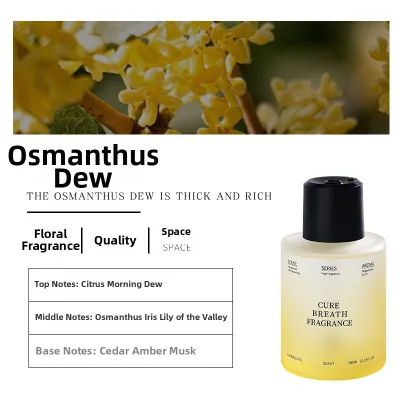

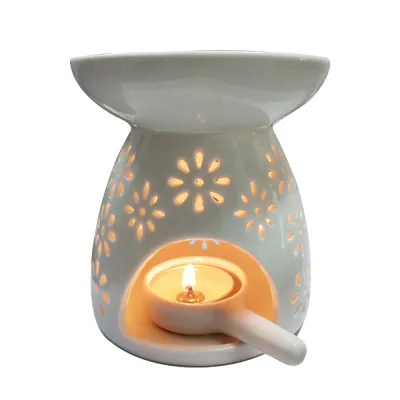
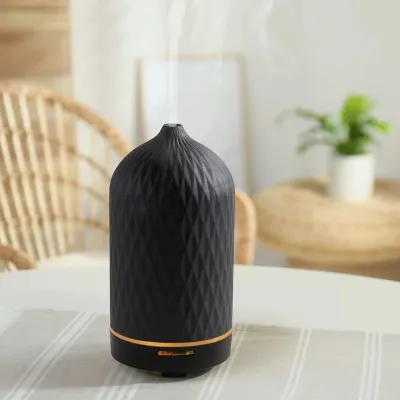
Prices are valid at publication and may change. Please refer to the product page for the latest price.
Another critical metric is the ultrasonic frequency and mist output volume. Ultrasonic diffusers use a small ceramic disc vibrating at high frequencies to break water and essential oils into a fine mist. Check the manufacturer’s specification sheet for the mist output rate, usually measured in milliliters per hour (ml/h), which determines how effectively the mist disperses throughout a space.
Safety mechanisms are equally important when choosing an electrical device that handles water. Essential safety features include an automatic shutoff mechanism that turns off the device when the water level drops below a certain threshold. This waterless protection prevents the ultrasonic plate from overheating, ensuring safe operation overnight.
Evaluating Hanky House Against Popular Alternatives
To make a fair comparison between Hanky House and other prominent brands available in Singapore, it is helpful to break down the evaluation into physical design, mist performance, usability features, and overall value. This structured approach ensures you focus on verifiable product traits rather than subjective brand appeal.

Design, Materials, and Aesthetics
The material composition of a diffuser affects both its durability and how well it integrates into your home decor. Many popular diffusers are constructed from BPA-free plastics, such as polypropylene (PP) or acrylonitrile butadiene styrene (ABS), which resist corrosion from essential oils. Some premium alternatives feature outer covers made of ceramic, glass, or real wood. You can verify these material claims by checking the product labels or manufacturer specifications before purchasing.
Physical footprint and weight are practical considerations for different room layouts. A compact, lightweight plastic diffuser is easy to move between rooms but may be more susceptible to being knocked over. Conversely, a heavier ceramic or glass model offers greater stability on a bedside table but requires careful handling. Additionally, examine the cord management system; some models have the power input located underneath the base, requiring careful routing to keep the device level.
Light emission is another design element that varies across brands. Many diffusers include integrated LED lights that serve as nightlights or ambient decor. If you plan to use the device in a bedroom, verify whether the light function can be completely disabled while the mist continues to run. Note that decorative style, perceived color temperature, and spatial lighting effects are conditional preferences rather than indicators of superior performance.
Mist Output, Coverage, and Acoustic Performance
When comparing performance, cross-reference the manufacturer’s stated coverage area with your actual room dimensions. In Singapore, a standard bedroom might measure between 10 to 15 square meters, while open-concept living areas are significantly larger. A diffuser designed for a small study may struggle to disperse scent effectively in a spacious living room, so matching the coverage rating (usually specified in square meters) to your space is essential.
Acoustic performance is a key factor for quiet environments. Check the decibel (dB) ratings on the product’s specification sheet to determine its suitability for bedrooms. A quiet diffuser typically operates below 35 dB, producing only a gentle water-dripping sound or a faint hum. If a brand does not disclose its decibel rating, it is safer to assume it may be more suitable for living areas rather than a quiet sleeping space.
Observing the mist dispersion pattern can also help you assess the device’s efficiency. High-quality ultrasonic plates produce a fine, dry mist that rises high into the air and disperses evenly, rather than settling quickly and leaving damp residue on surrounding furniture. Look for models that offer adjustable output settings, such as high and low modes, which allow you to customize the mist volume based on the room’s humidity levels.
Feature Set and Daily Usability
The convenience of a diffuser often comes down to its control interface and available settings. Look for models that offer flexible timer intervals, such as 1-hour, 3-hour, or 6-hour settings, as well as intermittent misting modes. Intermittent modes cycle the mist on and off at set intervals, which can prolong the runtime of a smaller water tank and prevent the scent from becoming overpowering in a confined space. Some advanced models also feature a memory function that retains your last used settings when powered back on.
Integrated LED lighting options can enhance the spatial effect of a room, though this remains a matter of personal preference. Many brands offer color-cycling modes, the ability to lock onto a single color, or adjustable brightness levels. Ensure these controls are independent of the misting function so you can customize the ambient lighting without being forced to run the diffuser.
Maintenance is a critical aspect of daily usability that directly impacts the lifespan of the device. Over time, essential oil residues and mineral deposits can accumulate in the water tank and on the ultrasonic plate. You should always consult the user manual for approved cleaning agents and methods. Typically, manufacturers recommend wiping the tank with a soft cloth and using a diluted solution of white vinegar or a mild dish soap, while avoiding abrasive scrubbers or harsh chemicals that could permanently damage the ultrasonic transducer. Always isolate the power source by unplugging the device before cleaning or refilling to ensure safety.
Pricing, Value, and Purchasing Channels
To assess the true cost-effectiveness of a diffuser, compare the upfront purchase price against the included accessories. Some brands package their devices with useful extras such as measuring cups, cleaning brushes, or starter sets of essential oils. These additions can offset a slightly higher initial cost compared to standalone units that require you to purchase all accessories separately.
When shopping in Singapore, verify the authenticity of the product and the reliability of the seller. Look for authorized retailers, official brand stores, or reputable online marketplaces that offer clear product descriptions and customer support. Purchasing from unverified third-party sellers increases the risk of receiving counterfeit goods or models that do not comply with local electrical standards.
Additionally, review the warranty terms and return policies before completing your purchase. Reputable brands typically offer a local warranty period ranging from 6 to 12 months. Having access to local after-sales support is a significant advantage, as it ensures you can easily obtain a replacement or repair if the device experiences a manufacturing defect, without the hassle of shipping the item internationally.
Decision Framework: Choosing the Right Diffuser
Making your final decision involves weighing your specific household needs against the verified features of each brand. You might choose a Hanky House diffuser if you prefer a minimalist aesthetic, straightforward functionality, and budget-friendly bundle options that fit standard Singapore bedroom sizes. Their compact designs are often well-suited for localized use on desks or bedside tables.
On the other hand, you should consider alternative brands if your space requires advanced features such as smart home integration (including mobile app control or compatibility with voice assistants), exceptionally large water capacities for open-concept living areas, or premium materials like hand-crafted ceramics or hand-blown glass. These specialized features often come at a higher price point but offer greater customization for larger homes.
Regardless of the brand you choose, always prioritize electrical safety and compatibility. Verify that the diffuser’s voltage matches Singapore’s standard 230V supply and that it comes with a suitable plug type, such as a 3-pin Type G plug, or a certified USB power adapter. Check for relevant safety certifications, such as the local Safety Mark, documented by the seller to ensure the device has undergone proper testing for safe residential use.
Frequently Asked Questions (FAQ)
Can I use tap water in a Hanky House or other ultrasonic diffusers?
You should always check the specific manufacturer’s instruction manual for exact water recommendations. While some brands allow the use of tap water, others recommend distilled or purified water. In Singapore, tap water contains minerals that can gradually build up on the ultrasonic plate over time. This mineral buildup can reduce mist efficiency, clog the mechanism, and require more frequent cleaning to maintain optimal performance.
Do Hanky House diffusers come with essential oils included?
Package contents vary significantly depending on the retailer, current promotions, or the specific bundle selected at the time of purchase. Standard standalone diffuser packages typically do not include essential oils, meaning you will need to purchase compatible, high-quality essential oils separately to suit your personal scent preferences and ensure safe operation with the device.

Community discussion
Share your experience or ask a question. Comments are reviewed before publication.