
Selecting the perfect Heart Sutra wall art for your home is a deeply personal decision that balances spiritual resonance with interior design. Choosing between traditional calligraphy and modern minimalist styles depends primarily on your room’s existing decor, lighting conditions, and the desired visual weight of the artwork. While both styles convey the same sacred text, they create vastly different atmospheres within a living space.
Traditional ink calligraphy brings an expressive, heritage-rich presence that commands attention, making it ideal for spaces that celebrate history and organic textures. In contrast, modern minimalist typography offers a clean, structured tranquility that integrates seamlessly into contemporary, uncluttered environments. By evaluating how these styles interact with your home’s architecture, framing options, and lighting setups, you can select a piece that serves as both a spiritual anchor and a design highlight.
Defining the Aesthetics: Traditional Calligraphy vs. Modern Minimalist
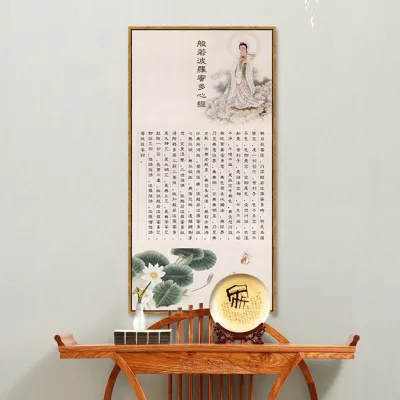
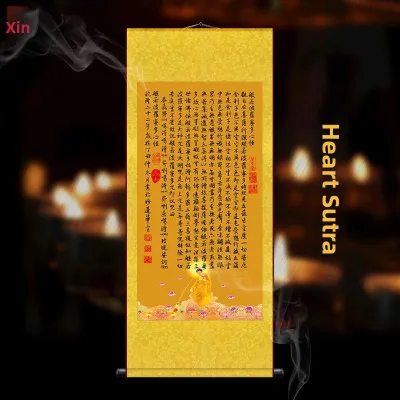
To make an informed choice, it is essential to understand the distinct visual languages of these two design movements. Traditional calligraphy is rooted in centuries of artistic heritage, where the physical act of writing is itself a form of meditation. These pieces showcase dynamic brushstrokes, varying ink densities, and natural ink wash gradients that reveal the hand of the artist. They are often adorned with classical red seals, which add a striking contrast to the black ink, and are typically executed on organic substrates like Xuan paper or silk scroll backings. The resulting aesthetic is rich, textured, and deeply connected to historical craftsmanship.
Products mentioned in this guide
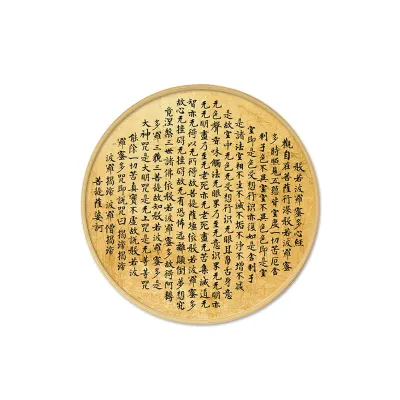
Prices are valid at publication and may change. Please refer to the product page for the latest price.
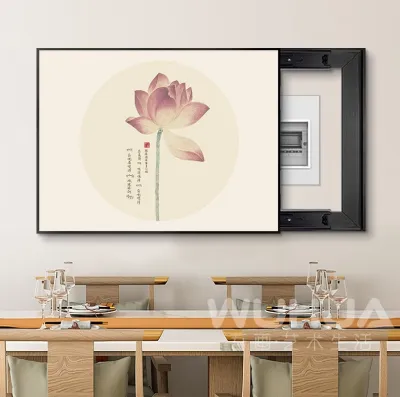
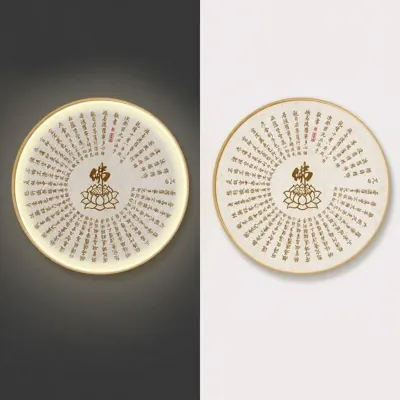
Modern minimalist designs, on the other hand, reframe the sacred text through the lens of contemporary graphic design. This style prioritizes clean, standardized typography, structured grid layouts, and a generous use of negative space. Instead of expressive brushstrokes, you will find precise sans-serif or simplified serif fonts arranged in geometric blocks or elegant single columns. The color palette is often strictly monochromatic, utilizing stark blacks, muted grays, or soft off-whites to create a sense of quiet order.
Ultimately, while the profound words of the Heart Sutra remain entirely unchanged, the visual delivery shifts dramatically. Traditional calligraphy acts as an active cultural expression that invites close inspection of its fluid forms. Modern minimalism functions as a subtle, architectural element that fosters a sense of spaciousness and quiet contemplation.
How Each Style Integrates with Existing Home Decor
Integrating sacred art into your home requires a thoughtful audit of your current interior design to ensure visual harmony. Traditional calligraphy thrives in spaces that embrace natural materials, warm color palettes, and historical character. If your home features rich wood tones, antique furniture, or Zen-inspired elements like indoor bamboo or stone accents, a traditional ink piece will feel right at home. It also works surprisingly well in eclectic spaces, where the historic weight of the calligraphy provides a grounding contrast to modern furniture.

Conversely, modern minimalist Heart Sutra art is highly compatible with contemporary design philosophies that prioritize simplicity and clean lines. If your home is styled around Scandinavian, Japandi, or industrial themes, a minimalist print will complement the existing architecture without overwhelming it. These pieces align beautifully with low-profile furniture, metal accents, and neutral color schemes, acting as a gentle extension of the wall rather than a loud focal point.
Before making a purchase, take a moment to evaluate your room’s dominant elements. Look at the textures of your walls, the color of your flooring, and the style of your largest furniture pieces. If your room is already filled with busy patterns and diverse colors, a minimalist piece can introduce a welcome sense of calm. If your space feels slightly cold or empty, the rich texture of a traditional scroll can inject warmth and character.
Sizing, Framing, and Visual Weight Considerations
The physical presence of your artwork is determined by its size, framing, and inherent visual weight. Visual weight refers to how much attention an object demands within a room. Because traditional calligraphy features dense, complex brushstrokes and often includes dark ink washes, it carries a heavy visual weight. This means a traditional piece requires more empty wall space around it to prevent the room from feeling cluttered. Minimalist designs, with their sparse text and vast negative space, carry a lighter visual weight, allowing them to fit into tighter spaces or larger walls without dominating the room.
Framing choices should also align with the artwork’s style and your home’s structural capacity. Traditional pieces are often mounted on hanging scrolls or housed in substantial natural wood frames, sometimes featuring ornate corner details. These frames can be heavy, requiring secure wall anchors. Minimalist pieces are typically paired with sleek, thin metal frames, modern acrylic panels, or even frameless canvas wraps.
When sizing your art, measure your wall space carefully, especially if hanging the piece above a console table, sofa, or bed. As a general rule, the artwork should span approximately two-thirds to three-quarters of the width of the furniture below it. Additionally, always verify the structural limits of your walls before hanging heavy, glass-fronted frames. For concrete walls common in Singapore apartments, proper masonry drilling and wall plugs are essential, whereas drywall installations require locating studs or using specialized hollow-wall anchors to support suspended loads safely.
Lighting and Placement Strategies for Heart Sutra Art
Proper lighting and strategic placement are crucial to unlocking the full aesthetic and spiritual potential of your Heart Sutra art. The color temperature of your lighting plays a significant role in how the artwork is perceived. Warm lighting, typically between 2700K and 3000K, is highly recommended for traditional calligraphy, as it enhances the natural, warm undertones of Xuan paper and wooden frames. For modern minimalist pieces, neutral lighting around 4000K highlights the crisp contrast of the typography and keeps the white spaces looking clean and bright.
When positioning your light fixtures, take care to avoid direct glare, which can obscure the text and cause eye strain. If your artwork is protected by standard glass or acrylic, direct sunlight from windows or overhead lights can create distracting reflections. To counter this, consider using angled picture lights or adjustable track lighting. If you are installing new fixed wiring for these fixtures, always isolate the power at the main distribution board before starting, follow the manufacturer’s installation instructions, and engage a qualified professional to ensure compliance with local electrical safety standards.
For spatial placement, choose quiet, low-traffic zones where you can appreciate the artwork in peace, such as a reading nook, study, or dedicated meditation corner. Hang the piece so that the center of the artwork sits at eye level—typically about 1.5 meters from the floor. Finally, avoid placing delicate paper or canvas art in high-humidity areas like bathrooms or unventilated kitchens, as moisture can cause paper to warp, ink to bleed, or mold to develop over time.
Decision Framework: Which Style Should You Choose?
To finalize your decision, consider this straightforward framework based on your design goals and home environment.
Choose Traditional Calligraphy if you value deep cultural heritage, want a bold focal point that sparks conversation, and have a home filled with warm wood tones, vintage accents, or Zen-inspired decor. This style is perfect for those who want the artwork to feel like a historic artifact with tangible texture and artistic soul.
Choose Modern Minimalist if you prefer a serene, uncluttered living space, want the sacred text to integrate subtly into the background, and have a contemporary, Japandi, or Scandinavian interior. This style suits those who find peace in clean lines, geometric order, and quiet simplicity.
Before purchasing, always verify your physical installation requirements. Check if your chosen wall can support the weight of a heavy frame, and ensure you have the correct mounting hardware. If you plan to add dedicated lighting to illuminate the piece, verify the compatibility of your existing electrical setup and consult a professional installer if fixed wiring is required.
Frequently Asked Questions (FAQ)
How should I clean and maintain my Heart Sutra wall art?
Maintaining the pristine condition of your Heart Sutra wall art depends heavily on its materials and framing. For pieces protected by glass or acrylic, use a dry, lint-free microfiber cloth to gently wipe away dust from the surface. If the artwork is unglazed—such as an open canvas or an exposed paper scroll—avoid all liquids and instead use a soft-bristled brush to gently sweep away dust without applying pressure. Never use harsh chemical cleaners, glass sprays, or excessive moisture directly on unglazed art, as these can permanently dissolve the ink or warp the paper fibers. Always check the manufacturer’s specific care labels or consult the seller for material-specific maintenance instructions to ensure your artwork remains beautiful for years to come.

Community discussion
Share your experience or ask a question. Comments are reviewed before publication.