
Evaluating how Hetrás compares to other essential oil diffuser brands in Singapore requires looking beyond aesthetic appeal to examine diffusion technology, material safety, and long-term operational reliability. While Hetrás has gained visibility on online marketplaces for its minimalist design and lifestyle integration, choosing the right diffuser for a Singaporean home involves matching these features against established aromatherapy brands. The ideal choice depends on your specific room size, humidity preferences, and how much maintenance you are willing to perform.
In Singapore’s tropical climate, where homes often alternate between humid outdoor air and dry, air-conditioned indoor environments, a diffuser does more than just disperse fragrance. It interacts directly with your indoor air quality and humidity levels. Understanding the technical differences between brands ensures you select a device that is safe, durable, and effective for your specific living space.
Key Specifications to Compare Across Diffuser Brands
To make an objective comparison between Hetrás and other diffuser brands, you must first understand the core technologies and specifications that govern their performance.
Products mentioned in this guide
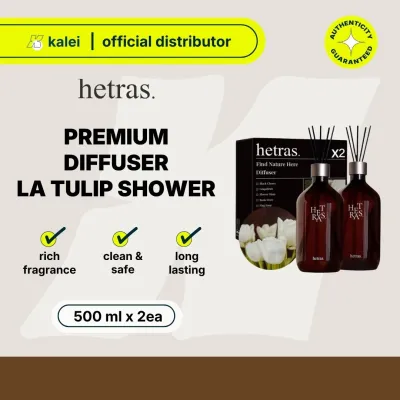
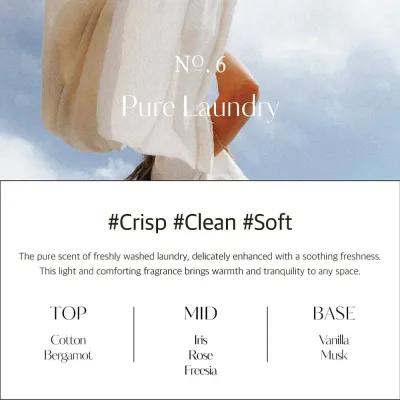
![Hetras Premium Fragrance Diffuser 500ml x 2pcs [5 Variations] - Beureka](https://img.lazcdn.com/g/p/d723db083d6563673b56ada12cc6b92d.jpg_400x400q80.jpg_.webp)
![[hetras] Premium Large Capacity Diffuser 500ml | Hotel Scent Home Fragrance Air Freshener Interior Object](https://img.lazcdn.com/g/p/3be69950fdb576e665c750184b799904.jpg_400x400q80.jpg_.webp)
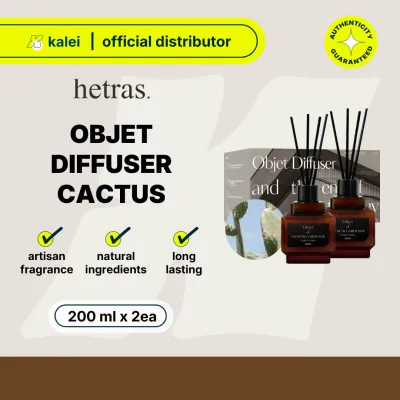
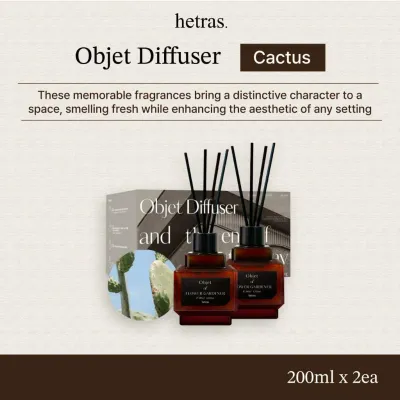
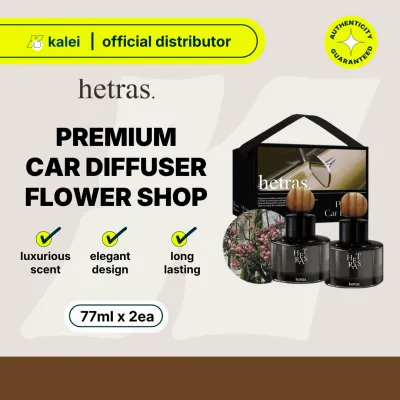

Prices are valid at publication and may change. Please refer to the product page for the latest price.
The primary factor to consider is the diffusion technology. Most lifestyle brands, including Hetrás, utilize ultrasonic technology. Ultrasonic diffusers use a small ceramic disc vibrating at high frequencies to break down a mixture of water and essential oil into a fine, cool mist. This method is highly suitable for air-conditioned bedrooms or offices because it adds a subtle amount of moisture to the dry air. However, if you prefer a highly concentrated scent without altering room humidity, a waterless nebulizing diffuser might be a better alternative. Nebulizers use pressurized air to atomize pure essential oil directly, though they typically consume oil at a faster rate and operate with slightly more noise. Heat-based diffusers are generally not recommended, as high temperatures can alter the chemical structure and therapeutic properties of essential oils.
Material safety is another critical benchmark. Essential oils, particularly citrus-based varieties, contain natural compounds that can degrade standard plastics over time. High-quality diffusers are constructed using BPA-free plastics, such as polypropylene (PP), or inert materials like ceramic, glass, and sustainably sourced wood. When comparing brands, verify the material composition of the water reservoir. A reservoir made from low-grade plastic can degrade, crack, or leach chemical compounds into the mist, compromising both the device’s lifespan and your indoor air quality.
Finally, examine the operational specifications listed on the product packaging or manufacturer website. Key metrics include the water tank capacity, the continuous run time, and the noise level rating. A larger tank capacity, such as 300ml to 500ml, allows for longer operation without refills, which is ideal for overnight use. However, a larger tank also requires a sufficiently powerful ultrasonic transducer to maintain a consistent mist output throughout the entire cycle.
Inspecting Hetrás Build Quality and Operational Features
When evaluating a Hetrás diffuser or comparing it to other brands in person or upon delivery, a physical inspection can reveal a lot about the device’s build quality and operational safety.

Begin by verifying the manufacturer’s stated operational features. Check the mist output volume, which indicates how much moisture and fragrance the device can disperse per hour. Look for adjustable timer settings—such as one-hour, three-hour, or continuous modes—which allow you to customize the diffusion to match your room size and personal sensitivity to scents. An automatic shutoff mechanism is a non-negotiable safety feature for any water-based diffuser. Verify that the device is designed to power down automatically when the water level drops below the minimum threshold, preventing the ultrasonic plate from running dry and overheating.
Next, inspect the physical construction of the unit. A stable, weighted base with non-slip rubber feet is essential to prevent the diffuser from tipping over on bedside tables or desks. Examine the seal of the water tank and the fit of the outer cover; a loose or poorly aligned cover can cause condensation to pool around the base of the device, potentially damaging wooden furniture or the surface beneath.
Electrical safety is paramount for small appliances operating in Singapore’s domestic environment. Inspect the power adapter and cord for compliance with local regulations. In Singapore, power adapters must carry the Safety Mark, which indicates the component has been tested and certified safe for the local 230V, 50Hz electrical grid. Avoid using uncertified third-party adapters or plugs, as incorrect voltage or current delivery can damage the internal circuitry of your diffuser or pose an electrical hazard.
Evaluating Long-Term Value and Maintenance Requirements
The true value of an essential oil diffuser is determined by its long-term durability, ease of maintenance, and the ongoing cost of ownership.
When comparing Hetrás to other brands, evaluate the warranty terms and the availability of local customer support. Brands with an established local presence in Singapore often offer straightforward warranty claims and readily available replacement parts, such as power adapters, tank lids, or replacement ceramic discs. If a brand lacks local representation, you may face high shipping costs and long waiting times if the device requires repair or replacement under warranty.
Maintenance is another crucial factor that affects both performance and longevity. Over time, essential oil residues and mineral deposits from water can accumulate on the delicate ultrasonic plate, reducing mist efficiency or causing the motor to fail. Look for diffusers with wide, easily accessible water tanks that allow you to wipe down the interior surfaces without obstruction. Complex tank designs with hard-to-reach crevices can harbor mold and bacteria, which are then dispersed into the air during operation.
Additionally, consider oil compatibility. While most ultrasonic diffusers are compatible with standard essential oils, highly viscous oils—such as vetiver, patchouli, or sandalwood—can clog the ultrasonic plate more quickly than lighter citrus or herbal oils. Check the manufacturer’s guidelines to see if there are specific restrictions on oil types or recommended dilution ratios to prevent premature wear on the vibrating components.
Decision Framework: Matching Diffuser Specs to Your Needs
To choose the right diffuser, you must match the technical specifications of Hetrás and its competitors to your specific living space, lifestyle, and usage habits.
Choose a Hetrás diffuser if you prioritize a minimalist, modern aesthetic that complements contemporary Singaporean home decor, and if you require a reliable ultrasonic system for standard-sized rooms like bedrooms, study rooms, or small living areas. Ensure that the model’s verified tank capacity and mist output align with your daily routine, such as providing continuous diffusion throughout the night while you sleep in an air-conditioned room.
Choose an alternative brand if you require specialized waterless nebulizing technology for large, open-concept living spaces, or if you want advanced smart-home integrations, such as mobile app control, scheduling, or compatibility with voice assistants. Furthermore, if long-term peace of mind is your primary concern, look for brands that offer extended local warranties and a proven track record of local after-sales service in Singapore.
Before finalizing your purchase, verify that the physical dimensions, water tank opening size, and power cord length are suitable for your intended placement. Ensure the diffuser is placed on a flat, water-resistant surface with adequate clearance from walls, electrical outlets, and delicate fabrics to prevent moisture buildup and potential water damage.
Frequently Asked Questions (FAQ)
Can I use tap water in a Hetrás ultrasonic diffuser?
While tap water can be used in most ultrasonic diffusers, Singapore’s tap water contains trace minerals that can accumulate on the ultrasonic plate over time. This mineral buildup can reduce the efficiency of the misting mechanism and may leave a fine white dust on nearby furniture. To prolong the lifespan of your diffuser and maintain optimal mist output, it is highly recommended to use distilled or filtered water. Always consult the specific Hetrás user manual for the manufacturer’s water recommendations and suggested cleaning intervals.
How do I clean the ultrasonic plate without voiding the warranty?
To clean the ultrasonic plate safely, first unplug the diffuser from the power outlet and empty any remaining water from the side opposite the air vent to prevent water from entering the internal electronics. Use a soft cotton swab dipped in a solution of mild dish soap or diluted white vinegar to gently wipe the ceramic ultrasonic disc at the bottom of the tank. Avoid using metal tools, abrasive sponges, or harsh chemical cleaners, as these can scratch or crack the delicate plate, permanently damaging the misting mechanism and voiding your warranty. Rinse the tank gently with clean water and dry it thoroughly with a soft cloth before operating the device again.

Community discussion
Share your experience or ask a question. Comments are reviewed before publication.