
A pristine reed diffuser refill offers an elegant way to maintain a continuous, welcoming fragrance throughout your living space without the safety concerns of an open flame. However, determining exactly how long a single refill will last is not a one-size-fits-all calculation. The lifespan of your diffuser liquid depends heavily on the volume of the bottle, the physical environment of your home, and your personal setup preferences.
While manufacturers provide general estimates for their products under controlled conditions, your real-world experience will vary. By understanding the mechanics of liquid evaporation and capillary action, you can accurately predict when you will need a replacement. This knowledge allows you to budget your home fragrance expenses effectively and ensure your rooms never lose their signature scent.
Understanding the Baseline Lifespan of Your Refill
To establish a realistic expectation for your home fragrance setup, start by consulting the manufacturer’s packaging or official product specifications. Most brands provide a baseline duration estimate based on standard bottle sizes, such as 90ml or 180ml. These estimates assume ideal testing conditions, which typically feature a stable room temperature, moderate humidity, and minimal air disturbance.
Products mentioned in this guide
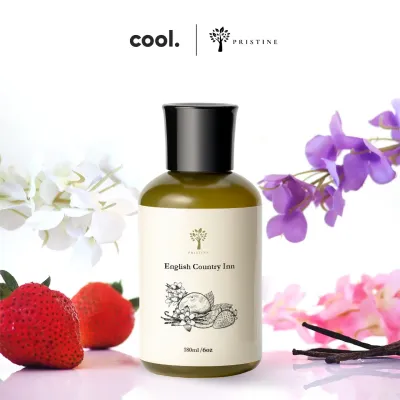

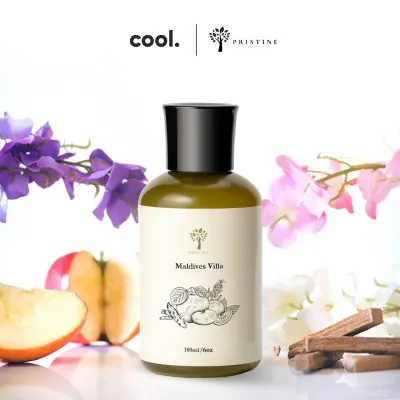

Prices are valid at publication and may change. Please refer to the product page for the latest price.
However, these laboratory baselines rarely translate directly to a dynamic household environment. The volume of the room where you place the diffuser plays a significant role in how quickly the scent disperses and how fast the liquid evaporates. A large living room with high ceilings requires more fragrance molecules to fill the air, which often prompts homeowners to use more reeds, thereby accelerating evaporation.
Airflow is another critical variable that alters the baseline lifespan. In a closed room with stagnant air, the air surrounding the reeds becomes saturated with fragrance molecules, slowing down further evaporation. In contrast, a room with active ventilation or high foot traffic constantly sweeps away the saturated air, encouraging the liquid to climb and evaporate at a much faster rate.
Ultimately, you should view the manufacturer’s baseline as a helpful starting point for planning rather than a guaranteed expiration date. If a refill is rated to last up to three months, treat this as the maximum potential duration under conservative usage. Tracking your actual usage over the first few weeks will give you a much more accurate timeline tailored to your specific living conditions.
Environmental and Setup Factors That Alter Evaporation
Your home’s microclimate is one of the most influential factors governing how quickly a diffuser refill disappears. In tropical climates like Singapore, homes often cycle between hot, humid natural air and cool, dry air-conditioned environments. Air conditioning units act as dehumidifiers, stripping moisture from the air and significantly increasing the evaporation rate of the oil base in your refill.

Conversely, placing a diffuser in highly humid areas like bathrooms might seem like it would slow down evaporation, but the high moisture content can sometimes affect how the reeds draw up the oil. In warm, high-traffic zones like kitchens, elevated temperatures lower the viscosity of the fragrance oil. Thinner oil travels up the reeds more rapidly, leading to a stronger scent throw but a noticeably shorter refill lifespan.
Beyond the environment, the physical configuration of your diffuser directly controls the rate of consumption. The number of reeds you insert into the bottle acts as a valve for the fragrance. Each additional reed increases the total surface area available for the liquid to evaporate into the air. If you use eight reeds instead of four, you double the evaporation surface, which can cut the lifespan of your refill in half.
The frequency with which you flip the reeds also plays a major role. Flipping the reeds draws fresh oil to the top, providing an immediate burst of fragrance but also exposing more wet liquid to the air, accelerating consumption. Finally, the design of the bottle itself matters; a vessel with a wide neck allows more ambient air to contact the liquid surface directly, leading to passive evaporation that bypasses the reeds entirely.
Practical Steps to Extend Your Refill's Usage Time
Maximizing the value of your diffuser refill does not mean you have to sacrifice the strength of your home fragrance. Smart reed management is the first line of defense against premature evaporation. Instead of flipping your reeds daily, establish a balanced routine of flipping them once every one to two weeks, or only when you notice the scent beginning to fade. This keeps the fragrance consistent without unnecessarily wasting the oil.
Over time, reeds inevitably become clogged with airborne dust, pet dander, and microscopic debris. When this happens, the capillary action slows down, and the reeds can no longer draw the oil efficiently, leading to a weak scent throw even though the bottle is full. To prevent this, replace your reeds entirely whenever you open a new refill bottle. Using fresh, high-quality fiber or rattan reeds ensures optimal performance and prevents you from wasting oil on clogged channels.
Strategic placement is another highly effective way to conserve your diffuser liquid. Avoid placing your diffuser in direct sunlight, such as on a sunny windowsill, as solar heat warms the bottle and accelerates evaporation while potentially degrading the fragrance notes. Keep the vessel away from direct drafts, including air conditioning vents, electric fans, and open doors, which strip the oil from the reeds faster than necessary.
Proper handling practices also contribute to longevity. Ensure the diffuser bottle sits on a flat, stable surface where it cannot be easily knocked over or subjected to constant vibrations. Avoid shaking the bottle to “mix” the fragrance, as this introduces excess air into the liquid, accelerating oxidation and potentially altering the scent profile. If you plan to travel or leave your home empty for an extended period, temporarily remove the reeds and seal the bottle with its original travel stopper to pause evaporation entirely.
Clear Signals That Your Diffuser Needs a Refill
Recognizing when your diffuser has reached the end of its functional life prevents gaps in your home’s fragrance profile. The most obvious olfactory cue is a significant drop in scent throw. If you find yourself needing to stand directly over the diffuser to smell the fragrance, or if the scent has lost its complex top notes and smells flat or slightly chemical, the active fragrance oils have likely fully evaporated, leaving behind only the heavier carrier liquids.
Visual indicators provide clear physical proof that it is time for a replacement. The most straightforward sign is a low liquid level in the bottle. However, even if some liquid remains, look closely at its appearance. If the oil has turned dark, cloudy, or discolored, it has undergone significant oxidation and light exposure, meaning it will no longer diffuse effectively.
Examine the condition of the reeds as well. Reeds that have turned brittle, excessively dark, or show signs of mold growth in high-humidity areas are no longer capable of drawing liquid upward. When these signs appear, it is time to discard the old materials and start fresh.
When disposing of old diffuser components, safety and environmental responsibility are paramount. Never pour residual fragrance oil down household drains or sinks, as the concentrated oils can damage plumbing and harm local aquatic ecosystems. Instead, pour any leftover liquid into a sealable container and dispose of it with your general household waste. Wrap old, oil-soaked reeds in newspaper or a plastic bag before placing them in the trash to prevent oil from staining your waste bin or leaking onto other surfaces.
Calculating True Value and Planning Your Repurchase
To determine whether your home fragrance setup is cost-effective, you can calculate the true monthly cost of your diffuser. Use a simple formula: divide the purchase price of the refill in S$ by the number of months the liquid actually lasted in your specific environment. For example, if a refill costing S$35 lasts for three months, your monthly investment is approximately S$11.67. This calculation helps you compare different scents and brands on an objective financial basis.
When planning your repurchases, consider the balance between convenience and freshness. Buying refills in bulk or opting for subscription services can offer better value per milliliter, but you must ensure you can store the excess inventory correctly. Before purchasing, verify current stock levels, shipping times, and return policies on the brand’s official website or authorized online marketplaces to avoid unexpected delays.
If you do choose to stock up on refills, proper storage is essential to preserve the integrity of the fragrance oils. Store unopened refill bottles in a cool, dark, and dry place, such as a closed pantry, closet, or drawer. Keep them away from areas prone to temperature spikes, like laundry rooms or cabinets near kitchen appliances. Proper storage prevents the delicate aromatic compounds from breaking down, ensuring that your backup refills smell just as pristine as the day they were bottled.
Frequently Asked Questions (FAQ)
Can I mix different Pristine refill scents in the same bottle?
Mixing different fragrance oils in a single diffuser vessel is generally not recommended. Each scent profile is carefully formulated with a balance of top, middle, and base notes, along with compatible carrier liquids. Combining different refills can result in an unbalanced, unpredictable aroma that may not diffuse properly. Furthermore, mixing different chemical compositions can sometimes cause the liquids to separate or become cloudy. If you want to switch to a new scent, it is best to use a clean bottle and a fresh set of reeds to experience the fragrance exactly as intended.
Do I need to wash the glass bottle before adding a new refill?
Yes, thoroughly cleaning your glass diffuser bottle before adding a new refill is highly recommended, especially if you are changing scents. Residual oil from the previous fragrance can cling to the glass walls and contaminate the new liquid, altering its scent profile. To clean the bottle, rinse it with warm water and a mild dish soap to break down the oil residue. Avoid using harsh chemical cleaners or abrasive scrubs that could damage any decorative finishes on the glass. Ensure the bottle is completely dry inside and out before pouring in the new refill, as water droplets can interfere with the diffusion process.

Community discussion
Share your experience or ask a question. Comments are reviewed before publication.