
When setting up a reed diffuser with Bioaire essential oils, the exact duration the fragrance will last depends on a combination of bottle volume, the specific carrier base used, and the environmental conditions of the room. While a standard 100ml diffuser setup often provides continuous fragrance for several weeks to a few months, there is no single universal duration that applies to every home. To determine how long your specific bottle will last, you must evaluate your room’s microclimate and verify the manufacturer’s formulation details.
Understanding the longevity of your home fragrance setup is essential for managing both your sensory experience and your household budget. Passive diffusion is highly convenient, but without a clear understanding of what drives oil consumption, you may find your oils evaporating much faster than expected. By analyzing the physical and environmental variables at play, you can make informed adjustments to extend the life of your essential oils without sacrificing the strength of the scent throw.
Variables That Affect Reed Diffuser Longevity
The tropical climate of Singapore plays a massive role in how quickly reed diffuser oils evaporate. High ambient temperatures naturally increase the kinetic energy of the liquid molecules, causing them to transition into gas and escape into the air at an accelerated rate. If you place your diffuser in a room that relies on natural ventilation, the constant airflow from open windows and doors will disperse the scent beautifully, but it will also deplete the oil much faster than in a sealed space. Conversely, in a room with constant air conditioning, the dry air can draw moisture and oil out of the reeds rapidly, meaning both hot, humid air and dry, cool air present unique challenges to oil preservation.
Products mentioned in this guide
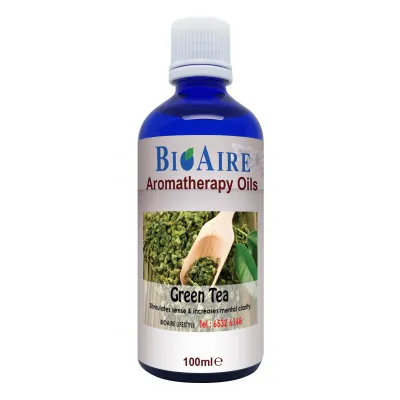
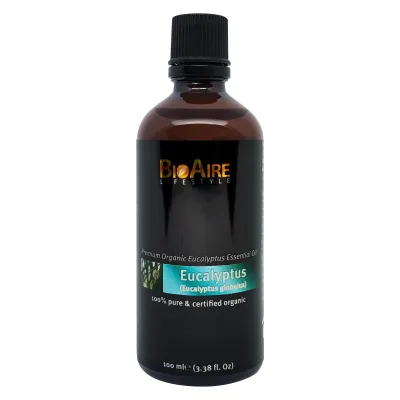


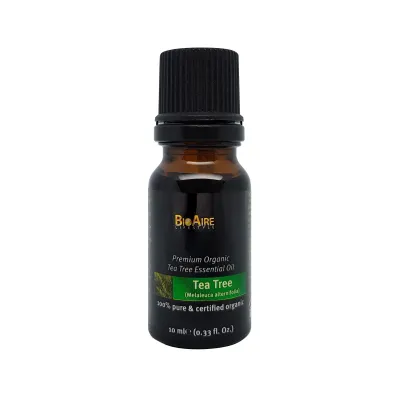
Prices are valid at publication and may change. Please refer to the product page for the latest price.
The physical configuration of your diffuser is another primary driver of oil consumption. Every reed you insert into the bottle acts as an active capillary channel, drawing liquid upward to evaporate from its exposed surface. While using a larger number of reeds produces a more robust and noticeable scent throw, it also increases the surface area available for evaporation, thereby shortening the overall lifespan of the oil. Similarly, the frequency with which you flip the reeds affects consumption; flipping introduces fresh, fully saturated wood to the air, which boosts the immediate fragrance but accelerates the rate at which the liquid is drawn from the vessel.
The chemical composition of the diffuser liquid itself is a critical, often overlooked factor. Pure essential oils are highly volatile and will evaporate almost instantly if exposed to the air without a stabilizing agent, which is why they must be blended with a carrier base. Bases formulated with high alcohol content evaporate at a much faster rate than those utilizing specialized synthetic or natural glycol-based solvents. Checking the ingredient list or product specifications helps you understand whether your oil is designed for rapid, intense dispersion or a slower, more sustained release over time.
How to Verify the Expected Lifespan of Bioaire Oils
To establish a realistic expectation for your Bioaire essential oils, start by examining the product packaging, label, or official documentation. Manufacturers typically print estimated lifespans based on specific bottle volumes—such as 50ml, 100ml, or 200ml—under standard testing conditions. These estimates serve as a helpful baseline, though your real-world results will vary based on your home’s unique microclimate and how many reeds you choose to use.

It is essential to identify the recommended diffuser base or solvent for your specific oil formulation. Some essential oils are pre-mixed and ready for immediate use in reed diffusers, while others are pure concentrates meant for water-based humidifiers, burners, or electronic nebulizers. Attempting to use a pure, undiluted essential oil in a reed diffuser without the correct carrier base will result in poor capillary action; the heavy oil molecules will clog the reeds, preventing them from drawing the liquid upward and leaving you with no scent throw at all.
If the packaging does not specify an expected duration, consult the official store or contact customer support for formulation-specific guidance. Inquiring about the specific carrier base—whether it is water-soluble, oil-based, or alcohol-based—will give you a clearer picture of its evaporation rate. Customer service representatives can also provide guidance on the ideal reed-to-volume ratio recommended for their specific blends, helping you avoid wasting premium oils through improper setup.
Practical Steps to Extend Your Diffuser's Scent Throw
Maximizing the lifespan of your diffuser oil requires a strategic approach to maintenance rather than passive neglect. Instead of flipping your reeds daily, establish a moderate schedule, such as once every one to two weeks, or only when you notice the scent beginning to fade. Flipping them too frequently wastes oil by exposing fully saturated ends to rapid airflow before they have had a chance to naturally and slowly diffuse their fragrance into the room.
Placement is key to preventing premature evaporation and ensuring safety. Keep your reed diffuser away from direct sunlight, radiators, air conditioning vents, and drafty hallways, as direct heat and constant air currents pull the oil out of the bottle at an unsustainable rate. Additionally, ensure the diffuser is placed on a stable, flat surface out of reach of children and pets to prevent accidental spills, which can damage furniture surfaces and waste your oil instantly. Avoid placing the diffuser in high-humidity zones like bathrooms unless the formulation is specifically designed to handle moisture without degrading.
Over time, reeds inevitably become clogged with dust, lint, and microscopic particles from the air, which blocks the capillary channels and stops the oil from traveling upward. When this happens, you might be tempted to add more oil or flip the reeds more often, which only wastes product. Instead, replace the reeds entirely every two to three months; fresh reeds will restore efficient diffusion and maintain a consistent scent throw without requiring you to increase the volume of oil in the vessel.
Clear Signs It Is Time to Replace the Oil
The most obvious indicator that your diffuser oil has run its course is a significant drop in scent throw that cannot be resolved by flipping the reeds. If you flip the reeds and still cannot smell the fragrance in a room where it was previously prominent, the volatile aromatic compounds have likely fully evaporated. This leaves behind only the heavier, scentless carrier base, which will remain in the bottle but offer no aromatic benefit.
Visual changes in the liquid inside the bottle also signal that it is time for a replacement. If the oil appears cloudy, discolored, or noticeably thicker than when you first opened it, it has likely oxidized or accumulated dust from the surrounding environment. Thickened oil cannot travel up the reeds efficiently, rendering the remaining liquid ineffective for fragrance dispersion and indicating that the entire setup needs to be cleaned and refilled.
Inspect the reeds themselves for physical signs of degradation and dust accumulation. If you notice a layer of dust, lint, or a sticky residue on the exposed parts of the reeds that cannot be easily wiped clean, the channels are permanently blocked. At this stage, even if there is still liquid left in the bottle, the system will no longer function correctly, and both the reeds and the remaining oil should be replaced to maintain a fresh and healthy home environment.
Evaluating Value and Planning Repurchases
To manage your home fragrance budget effectively, track the actual lifespan of your first bottle of Bioaire oil. Note the date you opened the diffuser and the date the scent became unnoticeable, keeping in mind the number of reeds you used. This personalized baseline accounts for your specific home environment, airflow, and reed count, giving you an accurate timeline for future repurchases rather than relying on generic estimates.
With this baseline, you can calculate the monthly cost of running your reed diffuser. For example, if a bottle lasting two months costs S$30, your monthly cost is S$15. Compare this figure against alternative home fragrance methods, such as electric diffusers, scented candles, or room sprays, taking into account both the cost of refills and the safety risks involved. While reed diffusers require an upfront investment in the vessel and reeds, their passive, continuous, and electricity-free operation often makes them highly cost-effective over several months.
You can easily adjust your setup to align with your budget and scent preferences. If you find the oil is depleting too quickly, reduce the number of reeds by one or two to slow down evaporation and extend the bottle’s lifespan. Conversely, if you prefer a stronger scent and do not mind repurchasing more frequently, you can increase the reed count, ensuring you always maintain the perfect balance between fragrance strength and longevity.
Frequently Asked Questions (FAQ)
Can I mix Bioaire essential oils with other brands in a reed diffuser?
Mixing different brands of essential oils or carrier bases is generally not recommended unless you have verified their compatibility. Different manufacturers use distinct solvents, alcohols, or glycol bases, and mixing them can cause chemical reactions that lead to separation, cloudiness, or an unpleasant scent profile. Always check the manufacturer guidelines before blending products to ensure they disperse safely and effectively without clogging your reeds.
Does the type of reed affect how fast the oil evaporates?
Yes, the material and thickness of the reeds significantly influence evaporation rates. Natural rattan reeds contain open channels that draw oil up slowly and steadily, making them ideal for oil-based diffusers. Synthetic fiber reeds, on the other hand, are highly porous and draw liquid up much faster, which provides a stronger immediate scent throw but causes the oil to evaporate more quickly. Choosing the right reed type allows you to control how fast your oil is consumed.

Community discussion
Share your experience or ask a question. Comments are reviewed before publication.