
Pristine reed diffusers generally provide a continuous, flame-free scent for one to four months. The exact duration depends on the bottle volume, the number of reeds used, and the specific environmental conditions of your room. Because these home fragrance systems rely on natural evaporation and capillary action rather than heat or electricity, managing the surrounding atmosphere is the most effective way to control how quickly the fragrance oil is consumed.
By adjusting simple variables such as placement, airflow, and reed maintenance, you can significantly extend the lifespan of your favorite scents. This guide outlines the key environmental factors that affect oil depletion, the physical signs that indicate your diffuser is exhausted, and practical strategies to maximize your fragrance investment before purchasing your next refill.
Factors That Influence Reed Diffuser Longevity
The rate at which fragrance oil evaporates is directly tied to the temperature and humidity of the room. In Singapore, homes often alternate between high tropical humidity and dry, cool air-conditioned environments. When a room is air-conditioned, the lower humidity can cause the carrier liquid to evaporate more rapidly, while the cooler temperature might reduce the immediate scent throw. Conversely, in warm, naturally ventilated spaces, the heat accelerates the evaporation of the volatile fragrance compounds, leading to a stronger initial scent but a shorter overall lifespan.
Products mentioned in this guide



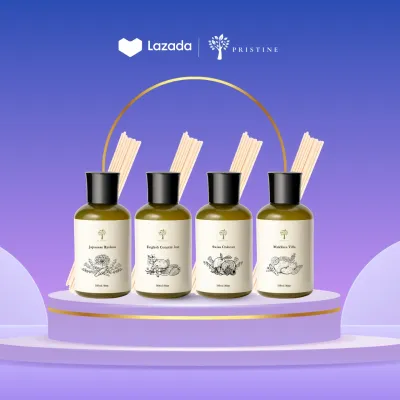
Prices are valid at publication and may change. Please refer to the product page for the latest price.
Bottle size and total oil volume establish the baseline expectation for how long a diffuser will last. A compact 50ml bottle is designed for smaller, enclosed zones such as bathrooms, typically lasting between three to six weeks. Larger vessels containing 180ml of oil are formulated for spacious living areas, with enough volume to sustain consistent scent dispersion for up to four months under normal conditions.
The material and porosity of the reeds play a critical role in how quickly the oil is drawn out of the bottle. Pristine reed diffusers utilize high-performance polyester fiber reeds rather than traditional rattan sticks. Fiber reeds feature uniform, straight pores that wick the fragrance oil upward much faster and more consistently than natural wood. While this engineering provides a more robust and immediate scent throw, it also means the oil can be consumed more rapidly if too many reeds are used at once.
Finally, placement and physical exposure affect the evaporation rate. Positioning a diffuser near high-traffic pathways, open windows, ceiling fans, or direct sunlight increases the airflow and heat around the reeds, stripping the fragrance from the tips of the reeds faster and accelerating depletion.
How to Tell When Your Diffuser Needs a Refill
Recognizing when your reed diffuser has reached the end of its functional cycle involves monitoring both olfactory and visual cues. The most immediate indicator is a noticeable reduction in scent throw. Over time, as the active aromatic compounds dissipate, the scent will become faint or localized only to the immediate vicinity of the bottle.

Visual changes in the remaining liquid also signal that the diffuser is losing its effectiveness. As the oil is exposed to oxygen and ambient light, it may begin to discolor, turning a darker amber hue, or appear cloudy and noticeably thicker. This thickening occurs because the lighter carrier solvents evaporate first, leaving behind a dense, viscous residue of fragrance concentrates that the reeds cannot easily wick.
The physical condition of the reeds themselves is another clear indicator of exhaustion. Over time, the exposed portions of the reeds collect airborne dust and cooking grease, which clogs the microscopic pores of the fiber. If the reeds appear dusty, feel greasy, or have turned a dark, saturated color without releasing any scent, they are likely clogged and fully spent.
Finally, pay attention to the liquid level threshold inside the glass vessel. When the oil level drops below one-quarter of the bottle’s capacity, the remaining liquid often lacks the hydrostatic pressure required to climb the full length of the reeds. At this stage, the wicking action stalls, indicating that it is time to clean the vessel and add a fresh refill.
Practical Tips to Maximize Fragrance Longevity
To get the most out of your home fragrance, strategic placement is the first line of defense against premature evaporation. Position your diffuser in a shaded area of the room that experiences moderate, natural air circulation rather than direct drafts. Avoid placing the glass bottle on window sills where direct sunlight can heat the oil, and keep it away from heat-generating household appliances, radiators, or the direct path of air conditioning vents.
Establishing a disciplined reed flipping routine is essential for maintaining a consistent scent profile without wasting oil. Many users flip their reeds daily in search of a stronger scent, but this practice exposes wet oil to the air constantly, accelerating evaporation. Instead, aim to flip the reeds only once every one to two weeks, or when you notice the fragrance beginning to soften. When flipping, always use a paper towel to grip the reeds to avoid getting oil on your skin or dripping it onto delicate furniture surfaces.
Adjusting the number of reeds in the bottle is a highly effective way to customize both the scent intensity and the lifespan of the diffuser. You do not need to use the entire pack of reeds that comes with the product. For smaller rooms, such as a home office or a powder room, start with just two or three reeds. This limited count slows down the wicking rate and extends the life of the oil while still providing an appropriate level of fragrance for a compact space. You can always add more reeds if you find the scent too subtle.
Regular maintenance and dust prevention will keep the wicking process running smoothly. Dust the exterior of the glass bottle during your weekly cleaning routine to prevent debris from falling into the oil. If you notice a layer of dust settling on the reeds, gently blot them with a dry paper towel to remove the surface buildup. If the reeds become completely clogged before the oil is fully depleted, replace them with fresh fiber reeds to instantly restore the diffuser’s performance.
Refill vs. Replace: Planning Your Next Purchase
When your diffuser finally runs dry, you must decide whether to purchase a complete new set or opt for a fragrance refill bottle. Assessing the condition of your existing glass vessel is the first step in this decision. Glass is highly durable, non-porous, and easy to clean, meaning a high-quality decorative bottle can be reused almost indefinitely. If the glass is free of cracks and chips, keeping the vessel and purchasing a refill is the most sustainable path.
From a financial perspective, choosing refills is highly cost-effective for homeowners in Singapore. A dedicated refill bottle typically offers a larger volume of fragrance oil at a lower price point in S$ compared to buying a brand-new starter kit that includes another glass container. By reusing your original vessel and simply purchasing refills along with a fresh pack of reeds, you reduce packaging waste and maximize the value of your initial investment.
If you decide to switch to a completely different fragrance profile, proper preparation is crucial to avoid scent cross-contamination. Never pour a new fragrance oil into a bottle that still contains residue from a previous scent, as the mixing of different aromatic notes can produce an unbalanced and unpleasant aroma. To switch scents successfully, empty any remaining oil, wash the glass bottle thoroughly with warm, soapy water, rinse it with rubbing alcohol to dissolve residual oils, and allow it to dry completely before pouring in the new refill.
Always consult the manufacturer’s guidelines on the product packaging for specific instructions regarding refill compatibility and safety. Ensure that the refill oil you purchase is compatible with fiber reeds, and always use brand-new reeds with every fresh batch of oil. Placing the diffuser on a coaster or a decorative tray is also recommended to protect your wooden tables or stone countertops from accidental oil spills during the refilling process.
Frequently Asked Questions (FAQ)
Can I reuse the same reeds when refilling with a new fragrance?
No, you should always use fresh reeds when refilling your diffuser, especially if you are changing to a different scent. Reeds become completely saturated with the previous fragrance oil and accumulate airborne dust over time. Reusing old reeds will mix the old and new scents, resulting in a distorted fragrance profile, and the clogged pores of the old reeds will severely restrict the wicking and dispersion of the fresh oil.
Does flipping the reeds more often make the scent last longer?
No, flipping the reeds more frequently actually shortens the overall lifespan of your diffuser. While flipping provides an immediate, intense burst of fragrance by bringing the wet ends of the reeds to the top, it exposes a larger surface area of wet oil to the air. This constant exposure accelerates the evaporation rate, causing the oil in the bottle to deplete much faster than it would with a standard bi-weekly flipping schedule.
Why does my reed diffuser smell weaker in an air-conditioned room?
Air-conditioned environments feature lower temperatures and reduced humidity, both of which slow down the natural evaporation process of the fragrance oil. When the air is cool and dry, the oil wicks more slowly, and the volatile scent molecules do not disperse as widely through the space. To improve performance in an air-conditioned room, place the diffuser in an area with gentle, indirect air movement, or slightly increase the number of reeds to boost the scent throw.

Community discussion
Share your experience or ask a question. Comments are reviewed before publication.