
A standard reed diffuser typically lasts anywhere from several weeks to a few months, but its actual lifespan is highly variable. Rather than relying on a single, universal expiration date, you must look at a combination of liquid volume, base ingredients, and the specific environment where the vessel is placed. Understanding the variables that accelerate or slow down evaporation allows you to set realistic expectations, optimize placement, and recognize when the product needs maintenance or replacement.
When you bring a new reed diffuser into your home, the expectation is often a set-and-forget fragrance experience. However, the rate at which the liquid level drops is governed by physics and chemistry rather than a fixed calendar date. The interaction between the liquid formulation, the physical design of the bottle, and the ambient air conditions in your room determines how long the scent remains active. By learning how these elements interact, you can transition from passive observation to active management of your home fragrance.
Understanding Reed Diffuser Lifespan Expectations
The starting volume of your diffuser liquid is the most obvious indicator of its potential lifespan. A small bottle containing 50 milliliters of fluid will naturally deplete much faster than a larger 200-milliliter vessel under identical conditions. However, volume alone does not tell the whole story. The surface area of the liquid exposed to the air—primarily determined by the width of the bottle’s neck—plays a critical role in how quickly the fluid turns to vapor. A bottle with a wide opening allows more rapid evaporation, whereas a narrow-necked bottle restricts air contact, helping to preserve the liquid for a longer duration.
Products mentioned in this guide
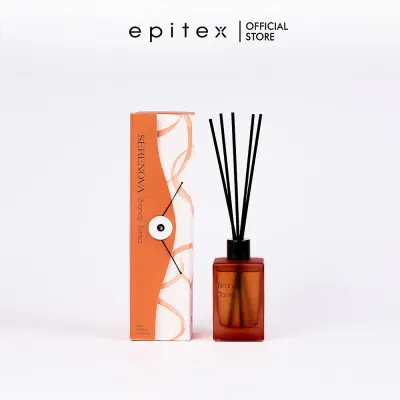
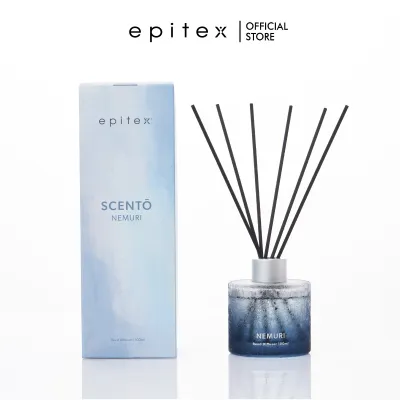
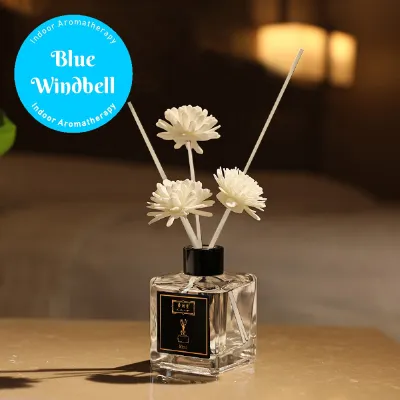


Prices are valid at publication and may change. Please refer to the product page for the latest price.
Manufacturer estimates printed on packaging are almost always calculated under highly controlled laboratory conditions. These environments typically feature stable temperatures, moderate humidity, and minimal air movement. In a real-world home, however, conditions fluctuate constantly. Opening a window, turning on an air-conditioning unit, or experiencing seasonal weather shifts will immediately alter the evaporation rate. Consequently, a diffuser rated for three months might last only half that time in a drafty hallway, or stretch longer in a closed, cool spare room.
To manage your expectations and avoid sudden loss of fragrance, you can implement simple visual tracking methods. Marking the initial liquid level with tape or a pencil line on the label allows you to monitor consumption over the first two weeks. By measuring how many millimeters the level drops during this initial period, you can project a highly accurate estimate of the remaining lifespan based on your home’s unique microclimate. This proactive approach ensures you are never caught off guard by an empty vessel and can plan your replacements or refills accordingly.
Key Factors That Influence Scent Longevity
Environmental factors are the primary drivers of liquid consumption in any home fragrance setup. High ambient temperatures increase the kinetic energy of the liquid molecules, causing them to transition into gas at an accelerated rate. Placing a diffuser near a sunny window exposes the vessel to direct solar radiation, warming the liquid and speeding up evaporation. Similarly, placing the unit directly in the path of active airflow—such as near a ceiling fan, an air-conditioning vent, or a frequently opened doorway—constantly strips away the saturated air layer around the reeds, forcing the system to draw up and evaporate more liquid to compensate.

The physical characteristics of the reeds themselves act as the mechanical engine of the diffuser. Reeds are typically made of natural rattan, bamboo, or synthetic fiber, each possessing distinct capillary properties. Rattan reeds contain tiny channels that draw liquid upward through capillary action, while synthetic fiber reeds pull liquid at a highly consistent, faster rate. The thickness and total number of reeds inserted into the bottle directly control the diffusion rate; adding more reeds increases the total surface area available for evaporation, which intensifies the scent but accelerates liquid depletion. Conversely, using fewer reeds slows down consumption but results in a more subtle fragrance throw.
The chemical composition of the carrier base liquid is another critical variable in determining longevity. Diffuser liquids generally utilize either an alcohol-based carrier or a synthetic glycol- or oil-based carrier to dissolve the fragrance oils. Alcohol-heavy formulations evaporate rapidly, providing a strong, immediate burst of scent but depleting the bottle quickly. In contrast, oil-heavy or specialized glycol-ether bases have a much lower volatility, meaning they release the fragrance at a slower, more sustained pace over a longer period. Checking the ingredient list or product specifications for the carrier type helps you predict whether the product is formulated for immediate intensity or long-term endurance.
How to Maximize Your Reed Diffuser's Lifespan
Maximizing the lifespan of your diffuser requires strategic placement away from active environmental stressors. To prevent premature evaporation, position the vessel in a zone with stable temperatures and gentle, indirect air circulation. Avoid placing the bottle on top of radiators, near kitchen stoves, or in direct sunlight. While tempting to place diffusers in bathrooms, high humidity can saturate natural reeds with water vapor, blocking capillary channels and preventing the fragrance oil from rising effectively. Instead, opt for interior walls, entryways, or shelving units that sit away from direct drafts.
Proper reed maintenance is essential for sustaining a consistent scent throw without wasting the liquid. Over time, the exposed tops of the reeds can become dry, clogged with airborne dust, or oversaturated with heavy fragrance molecules. To refresh the scent, you can flip the reeds so the wet, submerged ends are exposed to the air. Always use a paper towel or gloves to protect your skin from direct contact with the concentrated oils, and wipe any drips off the vessel immediately to prevent surface damage. Flipping the reeds once every one to two weeks is generally sufficient to maintain a steady fragrance presence.
Eventually, reeds will lose their efficiency entirely, even if there is still plenty of liquid left in the bottle. Dust accumulation and microscopic clogs cannot always be resolved by flipping. If you notice that the fragrance has faded significantly but the liquid level has stopped dropping, the reeds have likely become completely blocked. Instead of discarding the remaining liquid, you should replace the old reeds with a fresh set of identical size and material. This simple intervention restores the capillary action and revives the scent projection, allowing you to utilize every last drop of the original fragrance oil.
Signs It Is Time to Replace or Refresh
Recognizing when your diffuser has reached the end of its functional life involves both sensory observation and visual inspection. The most immediate indicator is a shift in the olfactory profile of the room. As the lighter, more volatile top notes of a fragrance evaporate over the weeks, the remaining liquid often becomes concentrated with heavier, less pleasant base notes. If the scent begins to smell stale or significantly different from its original profile, the liquid has likely degraded. A complete lack of scent, even after flipping the reeds or moving the vessel to a different room, is a clear sign that the active fragrance compounds have been exhausted.
Visual changes in the liquid and the reeds provide further confirmation that a refresh is necessary. Over time, exposure to light and oxygen can cause the carrier liquid to discolor, turning yellow, brown, or cloudy. This discoloration often indicates chemical breakdown or contamination from dust and airborne particles that have traveled down the reeds into the bottle. Additionally, if the reeds appear visibly dark, greasy, or coated in a layer of household dust, they can no longer draw liquid efficiently. When the fluid level refuses to budge over several weeks despite the presence of liquid, the system has ceased to function.
Once a diffuser is spent, proper disposal and cleaning are necessary before you can reuse the components or introduce a new scent. Saturated reeds should be wrapped in paper and disposed of in standard household waste; they should never be washed or recycled due to the concentrated oils they hold. To reuse the glass vessel, wash it thoroughly with warm, soapy water to remove oily residue, followed by an isopropyl alcohol rinse to neutralize lingering scent molecules. Allow the bottle to dry completely before pouring in new liquid and inserting a fresh set of reeds, ensuring a pure and uncontaminated fragrance experience.
Frequently Asked Questions (FAQ)
Can I reuse the reeds for a new fragrance?
Reusing old reeds for a new fragrance is highly discouraged because the porous channels of the material permanently absorb and retain the original fragrance oil at a cellular level. If you place these saturated reeds into a different scent, the old oil will slowly leach out, contaminating the new fragrance and creating an unpleasant olfactory blend. Furthermore, used reeds are already partially or fully clogged with dust and degraded oil, meaning they will not draw up the new liquid efficiently. For a clean, true scent profile, always pair a new fragrance or a fresh refill with a brand-new set of reeds.
Does flipping the reeds more often make the scent last longer?
Flipping the reeds more frequently does not make the scent last longer; in fact, it has the exact opposite effect. While flipping provides an immediate, intense burst of fragrance by exposing wet oil directly to the air, it significantly accelerates the overall evaporation rate of the liquid. Each flip exposes a fresh layer of oil to air currents, forcing the liquid to deplete much faster than it would under a standard schedule. To balance scent presence with longevity, limit flipping to once every one to two weeks, or reserve it only for occasions when you want to refresh the room before guests arrive.

Community discussion
Share your experience or ask a question. Comments are reviewed before publication.