
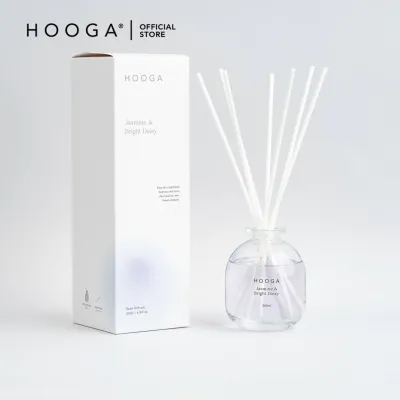
A Hooga reed diffuser typically lasts between one to three months, depending on the bottle size, the number of reeds used, and the specific environmental conditions of your home. While a standard 100ml bottle generally provides fragrance for four to six weeks, larger 200ml options can extend this period up to twelve weeks or more under optimal conditions. Understanding the variables that govern evaporation rates allows you to manage your home fragrance effectively and get the most value out of your purchase.
In Singapore’s tropical climate, factors such as high humidity, ambient indoor temperatures, and the frequent use of air conditioning or ceiling fans play a significant role in how quickly the diffuser oil depletes. By adjusting where you place your diffuser and how often you flip the reeds, you can balance scent intensity with longevity.
Baseline Expectations for Reed Diffuser Longevity
The lifespan of any reed diffuser is fundamentally determined by the volume of the fragrance oil and the physical characteristics of the delivery system. Most commercial diffusers are formulated with a mixture of essential oils, fragrance compounds, and a carrier base solvent that facilitates capillary action. The rate at which this liquid evaporates is steady but highly sensitive to the surface area exposed to the air.
Products mentioned in this guide
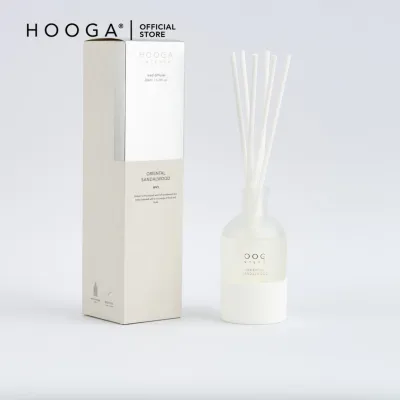
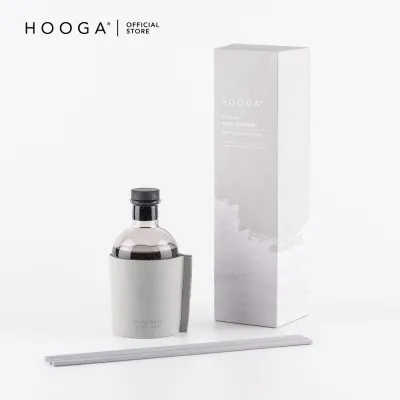
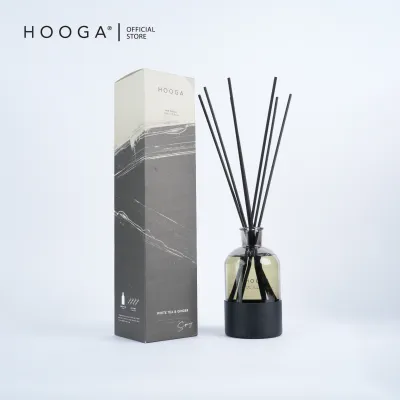
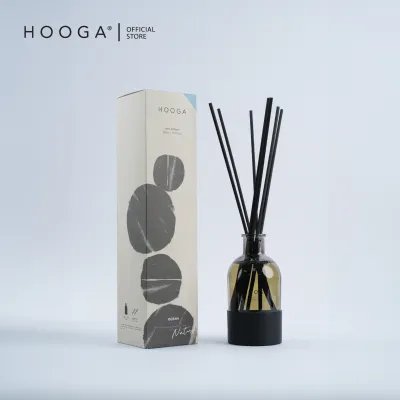
![[6 NEW SCENTS] Hooga Black Series Reed Diffuser 200ml](https://img.lazcdn.com/g/p/1ffd8c3f6be39df0f302c26adff3be23.jpg_400x400q80.jpg_.webp)
![Hooga Black Series Diffuser [Refill 500ml]](https://img.lazcdn.com/g/p/e2b5159470b1a0e72efe039c34941e95.jpg_400x400q80.jpg_.webp)
Prices are valid at publication and may change. Please refer to the product page for the latest price.
Bottle size is the most direct indicator of expected longevity. A smaller vessel containing 100ml of oil has less volume to draw from and will naturally deplete faster than a larger 200ml or 250ml bottle. However, the rate of depletion is not solely dependent on volume; the neck opening of the bottle also dictates how much air makes contact with the oil surface, influencing passive evaporation.
The number and thickness of the reeds inserted into the bottle act as the primary control mechanism for scent diffusion. Each reed contains microscopic channels that draw the oil upward via capillary action to release the fragrance into the room. Inserting more reeds increases the total surface area from which the oil can evaporate, resulting in a stronger scent throw but a shorter lifespan for the oil. Conversely, using fewer reeds slows down consumption but reduces the fragrance presence in the space.
When purchasing a diffuser, always check the manufacturer’s packaging or product labels for specific volume measurements and estimated duration guidelines. These estimates are typically based on average indoor conditions and a standard number of reeds. They serve as a helpful baseline, but your actual real-world experience will vary depending on the specific room dynamics and placement choices.
Environmental and Usage Factors That Shorten or Extend Lifespan
The microclimate of your living space is one of the most influential factors governing how quickly diffuser oil disappears. In Singapore, homes often experience a mix of high natural humidity and dry, cooled air from air conditioning units. When air conditioning is running, the relative humidity indoors drops, which can accelerate the evaporation rate of the carrier solvent in the diffuser oil, causing the liquid level to fall more rapidly.

Airflow is another critical variable. Placing a diffuser directly in the path of a ceiling fan, an air conditioning vent, or a frequently opened window increases the rate of air exchange over the reeds. While this creates a highly noticeable and widespread scent throw, it also strips the oil from the reeds at an accelerated pace, forcing the capillary action to work overtime and depleting the bottle much faster than expected.
Temperature and light exposure also play major roles in oil degradation and evaporation. Direct sunlight shining through a window onto your diffuser bottle warms the glass and the oil inside, increasing the kinetic energy of the molecules and speeding up evaporation. Furthermore, prolonged exposure to ultraviolet (UV) light and heat sources—such as placing the diffuser near kitchen appliances—can break down the chemical structure of the fragrance compounds, altering the scent profile and causing the oil to discolor.
Your physical interaction with the diffuser also dictates its lifespan. Flipping the reeds turns the saturated bottom ends upward, providing an immediate boost in fragrance intensity. However, every time you flip the reeds, you expose a fresh layer of wet oil to the air, which increases the overall evaporation rate. Flipping them daily will exhaust the oil much faster than flipping them once a week or only when the scent begins to fade.
Practical Steps to Maximize Your Diffuser's Lifespan
To extend the life of your diffuser without sacrificing scent quality, establish a consistent and mindful maintenance routine. When flipping the reeds, do so over a sink or a protected surface to prevent oil droplets from landing on wooden furniture, plastics, or delicate fabrics, which can cause permanent staining or chemical damage. A frequency of once every one to two weeks is generally sufficient to maintain a steady fragrance throw in most rooms.
Strategic placement is key to balancing scent distribution and oil preservation. Position your diffuser in a high-traffic area of the home, such as a hallway, entryway, or the center of a living room, where natural foot traffic creates gentle air currents that disperse the scent naturally. Avoid placing the bottle in drafty corners, directly under air conditioning units, or near heat-emitting appliances. Ensure the vessel sits on a stable, level surface, preferably on a decorative tray or coaster, to catch any accidental drips and protect your furniture’s finish.
Over time, reeds can become saturated with dust, airborne grease, and dried oil particles, which clogs the microscopic channels and halts capillary action. If you notice the oil level has stopped dropping but there is no scent in the room, the reeds are likely clogged. Instead of discarding the remaining oil, simply replace the old reeds with a fresh set of rattan or fiber reeds. This restores the capillary flow and allows you to enjoy the remaining fragrance to its very last drop.
Clear Signs Your Diffuser Needs a Refill or Replacement
Recognizing when your reed diffuser has reached the end of its functional life helps you maintain a consistent sensory environment in your home. The most obvious sign is a complete loss of scent throw, even after you have flipped the reeds or moved the bottle to a different location. When the active fragrance compounds have fully evaporated, any remaining liquid in the bottle may lose its aromatic properties entirely.
Visual changes in the diffuser oil are also highly telling. As the oil is exposed to air, dust, and light over several months, it may undergo oxidation. This often manifests as a noticeable change in color—typically darkening or turning a yellowish-brown hue—or the appearance of cloudiness and sediment at the bottom of the bottle. If the liquid looks thick, syrupy, or separated, the carrier solvent has evaporated, leaving behind a concentrated residue that can no longer travel up the reeds.
Dust accumulation on the exposed portions of the reeds is another physical indicator. In any household, airborne dust settles on flat and vertical surfaces alike. When dust coats the porous reeds, it blocks the microscopic pores, preventing the oil from reaching the air. If the reeds feel dry to the touch or look visibly dusty and gray, they can no longer function effectively, signaling that it is time to either replace the reeds or completely refresh the diffuser setup.
Assessing Value: Is a Hooga Reed Diffuser Worth the Investment?
Evaluating the cost-effectiveness of a Hooga reed diffuser involves looking at the initial purchase price relative to its active lifespan. In Singapore, these diffusers are typically priced in a highly accessible range, often between S$15 and S$35 depending on the bottle size and the specific aesthetic collection. If a 200ml diffuser lasts approximately three months, the ongoing cost breaks down to roughly S$5 to S$12 per month, making it a highly economical option for continuous home fragrancing.
To further maximize value and reduce environmental waste, look for compatible refill options. Purchasing larger refill bottles of your favorite scent allows you to top up your existing glass vessels at a lower cost per milliliter than buying a completely new diffuser set each time. You can check official brand channels, authorized home decor retailers, or reputable online marketplaces to find these refills, ensuring you also purchase a fresh pack of reeds to go with the new oil.
When compared to alternative home fragrance methods, reed diffusers offer distinct advantages in terms of safety and maintenance. Unlike scented candles, they do not require an open flame, making them safe for continuous, unattended use in HDB flats or apartments. Unlike electrical diffusers or plug-ins, they do not consume electricity, require no wiring, and carry no risk of mechanical failure. While they may not offer the instant, high-intensity scent burst of a room spray, their ability to provide a constant, passive background fragrance makes them an exceptionally practical and low-maintenance investment for modern homes.
Frequently Asked Questions (FAQ)
Can I reuse the same reeds for a new bottle of diffuser oil?
Reusing old reeds for a fresh bottle of diffuser oil is generally not recommended. Over weeks of use, the porous channels within rattan or fiber reeds become permanently clogged with dust, airborne particles, and dried oil residue, which severely limits their ability to draw up new liquid. Furthermore, if you are changing to a different fragrance, the residual oil trapped in the old reeds will mix with the new scent, resulting in a distorted and unpleasant olfactory profile. For the best performance and scent purity, always use a fresh set of reeds with every new bottle or refill.
Does adding water or alcohol to the oil make it last longer?
Attempting to dilute commercial diffuser oil with water or alcohol is highly counterproductive and can ruin the product. Water and oil do not mix naturally; adding water will cause the solution to separate, turn cloudy, and potentially encourage mold growth inside the bottle. While adding rubbing alcohol or ethanol might thin the oil, it drastically alters the evaporation rate, causing the fragrance to flash off too quickly and unpredictably while diluting the actual scent throw. To ensure safety and optimal performance, always use the diffuser oil exactly as formulated by the manufacturer.
Why does my reed diffuser smell stronger in the first week?
A reed diffuser typically smells strongest during its first week due to the initial saturation phase of the reeds. When dry reeds are first placed into the oil, they rapidly absorb a large volume of liquid through capillary action, leading to a high rate of evaporation from the freshly saturated wood or fiber. Once the reeds reach full saturation, the evaporation rate stabilizes into a slower, more consistent release. Additionally, human senses naturally adapt to constant environmental scents—a phenomenon known as olfactory fatigue or nose blindness—making the fragrance seem weaker over time even though the diffuser is still actively working.

Community discussion
Share your experience or ask a question. Comments are reviewed before publication.