
A home’s scent shapes its entire atmosphere, making a reed diffuser a popular choice for effortless, continuous fragrance. If you have welcomed a Hooga scent into your living space, you are likely wondering how long that elegant glass bottle will continue to disperse its comforting aroma before you need to purchase a refill. While many factors influence the rate of evaporation, understanding how your specific environment interacts with the diffuser liquid is key to managing your home fragrance budget and keeping your rooms smelling fresh. Rather than relying on a rigid timeline, you can learn to read the physical signs of your diffuser’s lifespan and take practical steps to extend its longevity.
Factors That Determine Your Reed Diffuser's Lifespan
The rate at which your home fragrance evaporates is primarily governed by the physical environment of the room in which it is placed. Air circulation plays a massive role in this process. In a room with high airflow, such as a hallway with open windows or a space directly in the path of an air-conditioning unit, the moving air constantly pulls fragrance molecules from the exposed tips of the reeds. This accelerated circulation forces the liquid to climb up the reeds faster to replace what was lost, resulting in a much quicker depletion of the bottle’s contents. Conversely, a closed, stagnant room will slow down evaporation, though it may also limit how effectively the scent spreads.
Ambient temperature and humidity levels, particularly in a tropical climate like Singapore’s, heavily dictate the behavior of diffuser oils. High temperatures increase the kinetic energy of the liquid molecules, causing them to evaporate at a rapid pace. If your home experiences dramatic shifts between hot, humid daytime conditions and cool, dry air-conditioned evenings, the fluctuating environment can cause the reeds to draw up liquid inconsistently. High humidity can also saturate the reeds with moisture from the air, which sometimes blocks the oil from evaporating efficiently, while dry air-conditioned environments act like a sponge, pulling the moisture and oil out of the bottle much faster.
Products mentioned in this guide
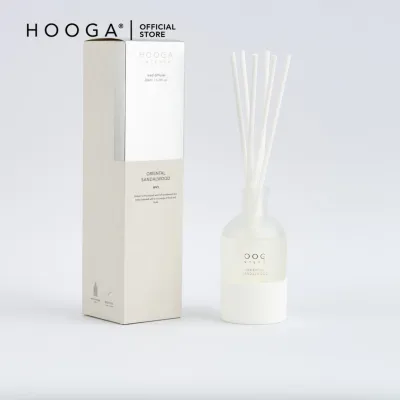

![[6 NEW SCENTS] Hooga Black Series Reed Diffuser 200ml](https://img.lazcdn.com/g/p/1ffd8c3f6be39df0f302c26adff3be23.jpg_400x400q80.jpg_.webp)
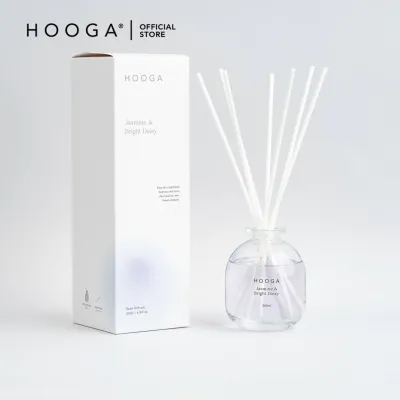
Prices are valid at publication and may change. Please refer to the product page for the latest price.
The physical setup of your diffuser is another variable you can directly control. Every reed you add to the bottle acts as an extra straw, drawing liquid upward and exposing more surface area to the air. If you insert the entire bundle of reeds that came with your starter set, the liquid level will drop far more rapidly than if you only use a select few. Similarly, flipping the reeds frequently to get an immediate burst of fresh scent introduces wet oil directly to the open air, accelerating the overall consumption rate of the fragrance.
Finally, the chemical composition and viscosity of the fragrance oil itself dictate how easily it travels up the reeds. Some scent profiles rely on heavier, denser base notes like amber, patchouli, or vanilla, which naturally have a higher viscosity and evaporate more slowly. Lighter, more volatile scents, such as citrus, eucalyptus, or green tea, consist of smaller molecules that travel quickly up the fibers and disperse rapidly into the air. Understanding these natural differences helps explain why two different scents from the same brand, placed in identical rooms, might empty at noticeably different rates.
How to Tell When Your Hooga Diffuser Needs a Refill
Recognizing when your diffuser is reaching the end of its functional life requires a mix of visual and olfactory observations. The most obvious indicator is the physical level of the liquid inside the glass vessel. Once the fluid drops to the bottom third of the bottle, the remaining oil may become slightly thicker and darker. This color change occurs because the lighter, more volatile fragrance components have evaporated first, leaving behind a more concentrated base. When the liquid level is extremely low, the reeds can no longer draw enough oil upward to sustain a consistent scent throw.

Beyond the liquid level, you must inspect the condition of the reeds themselves. Over weeks of exposure to the open air, the porous channels within the reeds can become clogged with airborne dust, pet dander, and microscopic debris. If you notice that the exposed tops of the reeds look dusty, gray, or dry despite being submerged in liquid, the fibers are likely blocked. Saturated reeds that have been in use for several months can also lose their capillary action entirely, meaning they remain wet but no longer actively draw or disperse the fragrance.
Your sense of smell is the ultimate guide to determining when a refill or maintenance is overdue. A clear sign of a declining diffuser is a weakened scent throw that no longer fills its usual radius. You might find yourself needing to stand directly next to the bottle to detect any fragrance, or noticing a delayed release of scent when you enter the room. In some cases, the scent profile itself may shift, smelling less balanced or slightly stale as the top notes fade away.
It is crucial to distinguish between a diffuser that simply needs a liquid refill and one that requires a complete replacement of the reed sticks. Pouring fresh oil into a bottle containing old, dusty, or fully saturated reeds will result in a very weak scent throw, wasting your new liquid. As a general rule of thumb, whenever you purchase a new refill bottle, you should also replace the reeds entirely to ensure the fresh oil can travel through clean, unobstructed pathways.
Practical Tips to Extend the Life of Your Scent
To maximize the value of your home fragrance purchase, you can implement several simple maintenance habits that slow down evaporation without sacrificing scent quality. One of the most effective strategies is to establish a mindful reed-flipping schedule. While flipping the reeds provides an instant boost of fragrance, doing it daily will drain your bottle prematurely. Instead, aim to flip them only once every one to two weeks, or reserve flipping for special occasions when you are expecting guests. Always handle the reeds carefully over a protected surface to avoid spilling oil on delicate wooden furniture or countertops, as the concentrated oils can strip finishes.
Placement is another critical factor in controlling how fast your diffuser empties. To prevent rapid, wasteful evaporation, keep your glass bottle away from direct sunlight, radiators, and the direct path of air-conditioning vents or fans. Placing the diffuser in a shaded, stable area with gentle, natural air movement—such as on a console table near an interior doorway—allows the scent to disperse naturally throughout the room without being aggressively pulled from the bottle by harsh drafts.
You should also customize the number of active reeds based on the specific room size and your personal scent sensitivity. For smaller, enclosed spaces like bathrooms, powder rooms, or compact study areas, three to four reeds are usually more than enough to create a pleasant aroma. Using fewer reeds restricts the pathways for evaporation, significantly extending the lifespan of the liquid. You can always start with a small number of reeds and gradually add more if you find the scent throw too subtle for your liking.
Evaluating Value and Planning for Refills
When planning your home fragrance budget, evaluating the cost-effectiveness of your setup helps you make smarter purchasing decisions. Starter sets, which include a decorative glass vessel, a bundle of reeds, and the initial fragrance oil, carry a higher upfront cost in S$. However, once you own the glass bottle, switching to standalone refill bottles is a highly economical choice. Refill bottles typically offer a much lower cost per milliliter of fragrance oil, allowing you to reuse your existing decorative glassware indefinitely while reducing packaging waste.
To manage your refills efficiently, it is helpful to track your personal usage rates over time. When you first open a new bottle, note the date on your calendar or set a digital reminder. By checking the liquid level after a month, you can estimate how many weeks of fragrance remain and plan your next purchase accordingly. This proactive approach ensures you always have a fresh refill on hand before your current bottle runs completely dry, maintaining a seamless scent experience in your home.
Before committing to a specific scent line, verify the ongoing availability of its official refills. Some seasonal or limited-edition fragrances may not have dedicated refill bottles available, meaning you would need to purchase a completely new starter set or transition to a different scent once the bottle is empty. Sticking to signature, year-round fragrance profiles ensures you can easily source compatible refills and fresh reeds whenever your home needs a scent refresh.
Frequently Asked Questions (FAQ)
Can I mix different scent refills in the same bottle?
Mixing different fragrance oils in the same vessel is generally not recommended. Each scent formulation is carefully balanced with specific carrier solvents and essential oils to ensure stable evaporation and a clean scent profile. Blending two different liquids can cause unpredictable chemical interactions, resulting in an unpleasant aroma, uneven evaporation, or a cloudy mixture that clogs your reeds. If you want to switch to a new scent, it is best to thoroughly wash the glass bottle with warm water and dish soap, let it dry completely, and use a fresh set of reeds with your new refill oil.
Why does my reed diffuser smell weak even when the bottle is full?
If your diffuser has plenty of liquid but fails to throw a strong scent, the issue is likely related to reed clogging or room placement. Over time, dust and airborne particles settle on the exposed parts of the reeds, blocking the microscopic pores that allow the oil to evaporate. Try flipping the reeds to expose the wet, unclogged ends to the air, or replace them entirely if they have been in use for several months. Additionally, ensure the diffuser is placed in an area with gentle air circulation; in a completely stagnant corner or an excessively large room with high ceilings, the fragrance molecules may struggle to disperse effectively.

Community discussion
Share your experience or ask a question. Comments are reviewed before publication.