
A Pristine ball diffuser typically provides a consistent scent experience for several weeks to a few months, depending on the volume of fragrance oil and the specific environmental conditions of your room. Because evaporation is a continuous physical process, there is no single fixed expiration date. Instead, the overall longevity of your home fragrance setup is determined by how quickly the oil evaporates and how well you maintain the physical components, such as the glass ball vessel and the fiber or rattan reeds. By understanding the variables that control oil depletion, you can accurately estimate how long your diffuser will last and implement simple adjustments to extend its lifespan.
Understanding Scent Duration and Vessel Lifespan
To evaluate the longevity of a pristine ball diffuser, it is essential to separate the lifespan of the consumable fragrance oil from the durability of the hardware. The scent duration refers strictly to the time it takes for the liquid fragrance mixture to evaporate completely from the vessel. This is directly tied to the initial fluid volume. Before setting up your diffuser, check the manufacturer’s packaging or product label to identify the exact volume, which is typically measured in milliliters (such as 50ml, 100ml, or 180ml). A larger volume naturally provides a longer baseline duration, but the actual daily consumption rate is highly variable.
In contrast, the hardware lifespan refers to the physical durability of the glass ball vessel and the functional life of the reed sticks. The glass vessel itself is highly durable and can last indefinitely if handled carefully, making it an excellent candidate for long-term reuse. However, the reeds are consumable items. Over time, the porous channels within the reeds become clogged with dust, microscopic airborne particles, and heavy oil residues. This clogging slows down or completely stops the capillary action required to draw the fragrance upward, meaning the reeds will need to be replaced long before the glass vessel itself becomes unusable.
Products mentioned in this guide

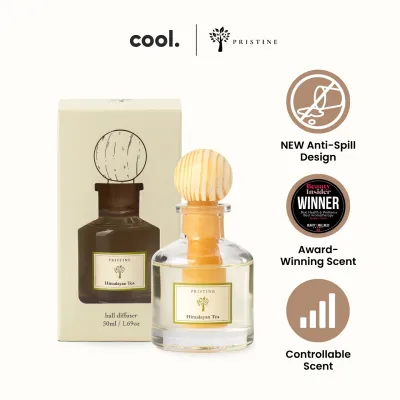
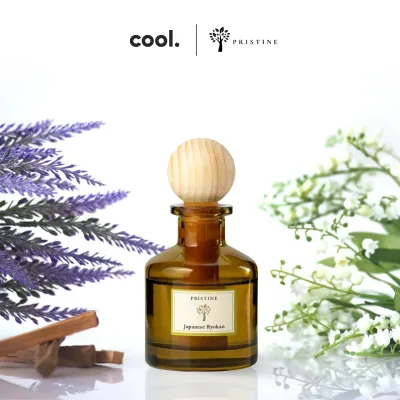
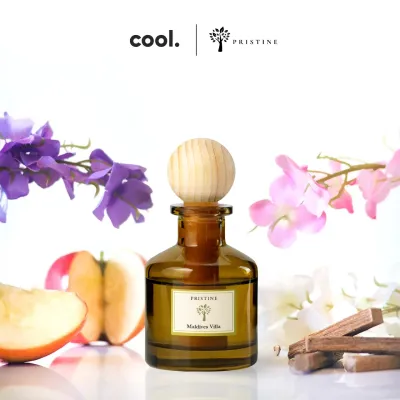
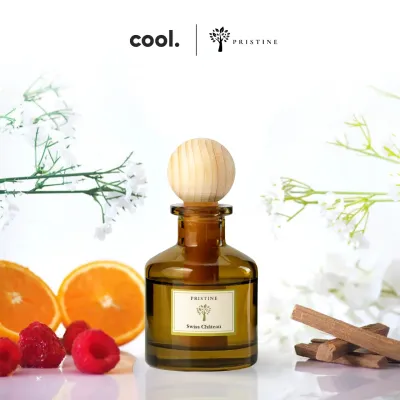
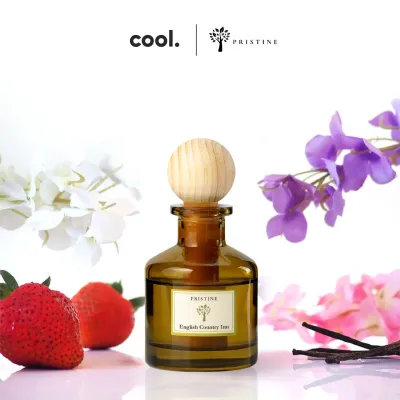
Prices are valid at publication and may change. Please refer to the product page for the latest price.
Environmental and Usage Factors That Affect Longevity
The rate at which fragrance oil evaporates from a pristine ball diffuser is heavily influenced by the surrounding indoor climate and your daily household habits. In tropical environments like Singapore, high ambient temperatures naturally accelerate the kinetic energy of the liquid molecules, causing the fragrance oil to evaporate faster than it would in cooler, temperate climates. While high humidity can sometimes slow down the evaporation of water-based liquids, many premium diffuser oils are formulated with alcohol or synthetic solvent bases that vaporize steadily regardless of moisture levels, meaning warm indoor spaces will consistently experience faster oil depletion.

Airflow is another critical factor that dictates how quickly the liquid level drops. Placing a ball diffuser directly in the path of active air currents—such as beneath a ceiling fan, near an air conditioning unit, or adjacent to an open window—increases the rate of evaporation. While this high airflow enhances the immediate scent throw by dispersing the fragrance molecules rapidly throughout the room, it also pulls the oil out of the vessel at an accelerated pace, shortening the overall lifespan of the scent.
Finally, the number of reeds you choose to insert into the glass ball directly controls the consumption rate. Each additional reed acts as an extra straw, drawing more liquid out of the vessel and exposing a larger surface area to the air. If you fill the narrow neck of the ball vessel with the maximum number of reeds, you will achieve a highly intense fragrance, but the oil will disappear much faster. Reducing the number of reeds is one of the most effective ways to slow down consumption and extend the duration of the fragrance.
Daily Maintenance to Maximize Scent Duration
Implementing a consistent, low-risk maintenance routine is the most effective way to manage the evaporation rate of your pristine ball diffuser while maintaining a pleasant fragrance level. One of the most common maintenance tasks is flipping the reeds to refresh the scent. To prevent wasting oil and avoid premature clogging, flip the reeds only when you notice the fragrance beginning to fade. When flipping, hold the reeds over a paper towel to catch any stray droplets, and gently insert the dry ends back into the glass vessel. Avoid flipping them too frequently, as this exposes wet oil to rapid air movement and accelerates depletion.
Strategic placement of the glass ball vessel is equally important for preserving the oil. Direct sunlight is a major catalyst for rapid evaporation and chemical degradation. Ultraviolet rays and solar heat can break down the fragrance compounds, altering the scent profile and causing the oil to vaporize prematurely. Keep your diffuser on a stable, flat surface away from windows that receive direct sun, and avoid placing it near heat-emitting appliances, radiators, or electronic equipment.
Additionally, routine cleaning of the exterior of the glass ball helps maintain its aesthetic appeal and prevents dust from settling into the oil. Dust accumulation on the exposed portions of the reeds can clog their microscopic pores, hindering the capillary action. Gently wipe the glass vessel with a damp microfiber cloth during your regular cleaning routine, and ensure the area immediately surrounding the diffuser remains free of dust to protect the integrity of the exposed reeds.
Observable Signs It Is Time to Refill or Replace
Recognizing when your pristine ball diffuser has reached the end of its effective lifespan requires monitoring both olfactory and visual cues. The most obvious sign is a significant, persistent drop in scent throw. If you find that flipping the reeds no longer revives the fragrance in the room, even though there is still liquid remaining in the glass vessel, the system is no longer functioning efficiently. This usually indicates that the reeds have become fully saturated with dust or heavy base oils, preventing the lighter fragrance molecules from escaping into the air.
Visual changes in the remaining liquid also provide clear evidence of degradation. Over several weeks of exposure to air and light, the fragrance oil may undergo chemical changes. Look for signs of cloudiness, physical separation of the ingredients, or a distinct darkening of the liquid color. These changes suggest that the volatile aromatic compounds have evaporated, leaving behind a thick, non-volatile residue that will not diffuse effectively.
Lastly, inspect the physical condition of the reeds. Over time, reeds can become discolored, brittle, or visibly coated with a sticky layer of dust and oil. When the capillary channels are completely blocked, the reeds lose their ability to draw liquid upward. If the bottom of the reeds remains submerged in oil but the top sections feel completely dry and scentless, it is time to discard the old reeds, clean the vessel, and add a fresh refill.
Evaluating Refill Options and Long-Term Value
When your diffuser oil is depleted, evaluating whether to purchase a completely new set or opt for a refill is key to maximizing long-term value. Many home fragrance brands offer official refill pouches or bottles specifically designed for their signature vessels. Purchasing these refills is generally more cost-effective and environmentally friendly than buying a brand-new glass ball set every time, as it reduces packaging waste and leverages the indefinite lifespan of the original glass container.
If you are considering using third-party fragrance oils or alternative refill brands, you must verify physical compatibility. Check the neck diameter of your glass ball vessel to ensure that any replacement reeds will fit comfortably without overcrowding or leaving too much open space, which could lead to excessive natural evaporation. Additionally, ensure the viscosity of the alternative oil is compatible with the type of reeds you plan to use, as thicker oils require wider capillary channels to travel upward effectively.
To determine the true long-term value, calculate the cost per milliliter of the official refill options versus a complete new set. In most cases, a refill bottle provides a lower cost per milliliter, allowing you to enjoy your preferred home fragrance continuously without paying a premium for redundant glass packaging.
Frequently Asked Questions (FAQ)
How often should I flip the reeds in a ball diffuser?
For a standard ball diffuser, flipping the reeds once every one to two weeks is generally sufficient to maintain a consistent scent throw. If you prefer a stronger fragrance, you can flip them more frequently, but be aware that this will accelerate the evaporation of the oil. If the reeds become heavily saturated or coated in dust, flipping them may no longer produce the desired effect, indicating that the reeds have reached the end of their usable life and need to be replaced entirely.
Can I reuse the glass ball vessel for a different fragrance?
Yes, the glass ball vessel can be reused for a different fragrance, provided it is thoroughly cleaned first to prevent scent mixing. To clean the vessel, pour out any remaining oil and wash the interior with warm water and a mild dish soap to dissolve the oily residue. Allow the glass vessel to dry completely before pouring in the new fragrance oil, as any trapped moisture can cause the new oil mixture to cloud or separate. Always discard the old reeds and use a fresh set of reeds with the new fragrance to ensure optimal diffusion.

Community discussion
Share your experience or ask a question. Comments are reviewed before publication.