
A premium reed diffuser is an effortless way to elevate your home’s ambiance, providing a continuous, flame-free scent that welcomes you the moment you step through the door. If you are considering investing in an Euvella reed diffuser, understanding its longevity helps you determine if the product aligns with your home styling budget and lifestyle expectations.
While many high-quality diffusers are designed to last for several weeks or even months, the actual lifespan of any specific unit is not set in stone. It depends on a complex interplay of environmental factors, room placement, and how you maintain the reeds. By learning how these variables affect the evaporation rate, you can make an informed purchasing decision and get the absolute most out of your home fragrance investment.
Factors That Determine How Long an Euvella Reed Diffuser Lasts
The climate inside your home is the most influential factor governing how quickly fragrance oil evaporates. In Singapore’s tropical climate, high ambient temperatures naturally speed up the molecular movement of liquids, causing them to turn into vapor more rapidly. However, the use of indoor climate control introduces another layer of complexity. Running an air conditioner dries out the air, creating a low-humidity environment that aggressively draws moisture and oil out of the exposed reeds. This accelerated evaporation means your diffuser may deplete faster in an air-conditioned bedroom or office than in a naturally ventilated space.
Products mentioned in this guide
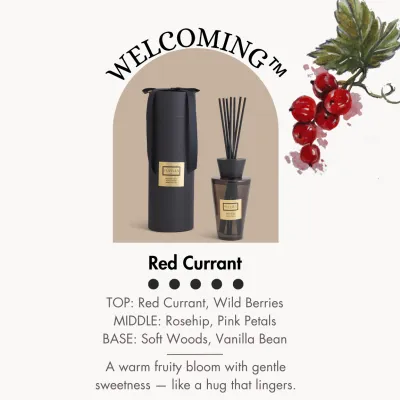
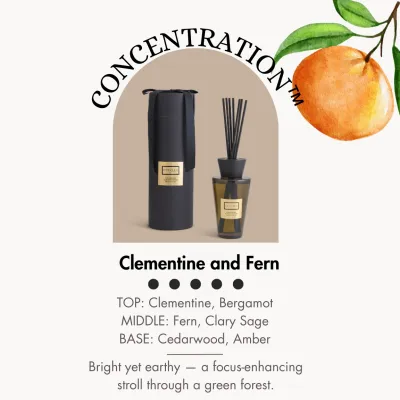
Prices are valid at publication and may change. Please refer to the product page for the latest price.
Airflow and ventilation also play a massive role in determining oil consumption. When a diffuser is placed in a high-traffic area, near an open window, or directly under a ceiling fan, the constant movement of air sweeps the fragrance molecules away from the reeds. While this creates a highly noticeable and pleasant scent throw throughout the room, it also forces the reeds to draw up more oil to replace what was lost. Placing your vessel in a drafty corridor will inevitably shorten its lifespan compared to placing it in a quiet, sheltered corner of a room.
The physical setup of your diffuser—specifically the number of reeds you insert—directly controls the rate of consumption. Each reed acts as a microscopic channel, pulling the oil upward via capillary action to disperse it into the air. If you use the entire pack of reeds provided with your diffuser, you maximize the surface area available for evaporation, resulting in a powerful scent throw but a much faster depletion of the liquid. Conversely, using fewer reeds slows down the evaporation rate, extending the lifespan of the oil at the cost of a more subtle, localized fragrance.
Finally, your maintenance habits, particularly how often you flip the reeds, dictate the daily oil draw. Flipping the reeds introduces the saturated ends directly to the air, causing an immediate burst of intense fragrance. However, this action also forces the dry ends back into the liquid, restarting the saturation process and pulling more oil out of the vessel. Frequent flipping might keep the scent strong, but it acts as an accelerator that can cut the expected lifespan of your diffuser in half.
Practical Steps to Extend Your Diffuser's Lifespan
To strike the perfect balance between a beautifully scented home and a long-lasting product, you can implement a few simple maintenance routines. First, establish a disciplined reed-flipping schedule. Instead of flipping the reeds every day or two, aim for a frequency of once every one to two weeks. This is generally sufficient to keep the fragrance fresh without causing excessive oil consumption. When you do flip them, always perform the task over a sink or a protective cloth to prevent accidental oil drips from damaging your wooden tables, stone countertops, or delicate decor surfaces.

Another highly effective strategy is managing reed clogs rather than discarding the entire setup. Over time, the tiny pores in rattan or fiber reeds become clogged with airborne dust, pet hair, and microscopic household debris. When this happens, the reeds lose their ability to draw oil upward, causing the scent to fade even though the vessel is still half-full. Instead of assuming the fragrance oil has lost its potency, simply remove the clogged reeds and replace them with a fresh set of matching reeds. This simple swap restores the capillary action immediately, allowing you to enjoy the remaining oil to its very last drop.
Proper placement is also key to preserving your diffuser’s liquid volume. Avoid placing the glass vessel in direct sunlight, such as on a sunny windowsill, as solar heat warms the glass and the oil, causing rapid, unproductive evaporation. Similarly, keep the diffuser away from heat-emitting electronics, radiators, or kitchen appliances. If you plan to leave your home for an extended vacation, you can pause the diffusion process entirely. Simply remove the reeds, place them on a clean, non-porous surface, and seal the glass vessel with its original travel stopper or cap to keep the oil airtight until you return.
Clear Signs Your Euvella Reed Diffuser Needs Replacing
Recognizing when your diffuser has reached the end of its functional life helps you maintain a consistent sensory experience in your home. The first indicators are visual. As the oil level depletes, you may notice that the remaining liquid becomes darker, cloudier, or thicker. This is a natural consequence of oxidation and prolonged exposure to light and dust. Eventually, a sticky, viscous residue may settle at the bottom of the glass vessel. This residue consists of the heavier base notes and carrier elements that do not evaporate easily. Once the liquid reaches this state, it can no longer travel up the reeds, signaling that the active fragrance is spent.
Olfactory changes are equally telling. A clear sign of depletion is a significantly weakened scent throw that does not improve even after you flip or replace the reeds. You might also notice that the fragrance profile itself has altered, losing its bright top notes and leaving behind a flat, stale, or slightly chemical aroma. This occurs because the lighter, more volatile scent molecules evaporate first, leaving only the heavier, less aromatic compounds behind at the end of the diffuser’s life cycle.
However, before you discard your diffuser, it is important to rule out olfactory fatigue, commonly referred to as nose blindness. The human brain naturally acclimes to constant environmental scents to avoid sensory overload, making you temporarily unable to smell a fragrance that is still actively dispersing. To test this, move the diffuser to a completely different room and close the door for a few hours. Step outside for some fresh air, then walk into the test room. If you can clearly smell the fragrance again, your diffuser is still working, and your nose simply needed a break. If the scent remains undetectable, the product is ready for a replacement.
Assessing the Long-Term Value for Money
When evaluating whether a premium home fragrance product like an Euvella reed diffuser is worth the investment, it helps to look at the cost-per-month of continuous scent. While the initial purchase price of a high-quality diffuser set is higher than that of mass-market synthetic aerosols, its longevity often makes it a highly economical choice over time. To calculate this, divide the retail price by the estimated number of months the diffuser remains active in your specific home environment. For example, if a diffuser set costs S$45 and lasts for three months, your monthly cost is S$15, which is highly competitive when compared to the cost of burning multiple scented candles over the same period.
To maximize this value, look for sustainable purchasing options such as official refill bottles and replacement reed packs. Reusing the original, beautifully designed glass vessel and simply purchasing refill oil is far more cost-effective than buying a brand-new glass set every time. This approach not only reduces your ongoing home styling expenses but also minimizes packaging waste, making it a more environmentally conscious choice for your household.
It is also valuable to compare the convenience and safety of reed diffusers against alternative home fragrance methods. Scented candles offer a lovely ambiance but require constant supervision, present a fire hazard, and can release soot into your living space. Electronic or ultrasonic diffusers require a nearby electrical outlet, regular water refills, and meticulous cleaning to prevent mold and mineral buildup. A reed diffuser, by contrast, operates completely passively. It requires no electricity, no open flame, and virtually no daily maintenance, providing a safe, continuous, and reliable scent throw that works around the clock to keep your home smelling inviting.
Frequently Asked Questions (FAQ)
Can I reuse the Euvella glass vessel for a new fragrance?
Yes, you can easily reuse the glass vessel for a new fragrance, provided you clean it thoroughly first. To prevent the leftover notes of the previous scent from blending with and spoiling your new fragrance, wash the empty glass bottle with warm, soapy water. For stubborn oil residue, rinse the inside with a small amount of rubbing alcohol, which effectively dissolves the oil. Allow the vessel to dry completely before pouring in your new refill oil, and always use a brand-new set of reeds, as old reeds will still hold the previous scent.
Does flipping the reeds more often make the scent last longer?
No, flipping the reeds more frequently will actually shorten the overall lifespan of your diffuser. Each time you flip the reeds, you expose a fully saturated end to the air, which causes a rapid, intense burst of evaporation. This process draws the oil out of the vessel much faster than normal passive diffusion. To maintain a steady, pleasant scent throw without prematurely depleting your oil, limit flipping to once every week or two, or only when you notice the fragrance has significantly diminished.

Community discussion
Share your experience or ask a question. Comments are reviewed before publication.