
Arranging an altar table for the Hungry Ghost Festival requires a thoughtful combination of cultural respect, traditional spatial hierarchy, and modern safety practices. To set up your altar correctly, you must organize your offerings in a front-to-back sequence that places ritual tools closest to the front edge and substantial food offerings toward the center and back. This structured layout ensures that prayers can be offered smoothly while maintaining a safe, organized space that minimizes fire hazards.
Whether you are setting up a temporary altar in a high-rise apartment or preparing a communal display in a shared residential area, understanding the placement of each item is essential. By following traditional guidelines and integrating modern safety alternatives, you can honor the customs of the festival while keeping your living space secure.
Preparing the Altar Table and Essential Items
Selecting the right foundation is the first step in preparing for the Hungry Ghost Festival. A sturdy, stable table made of solid wood or metal is ideal, as it must support the weight of multiple heavy bowls, liquids, and ritual items. Before placing any offerings, clean the table thoroughly with a damp cloth to remove dust and debris, establishing a clean, respectful surface for the ritual. Ensure the table legs are fully locked and the surface is completely level to prevent any liquids or round fruits from rolling off.
Products mentioned in this guide
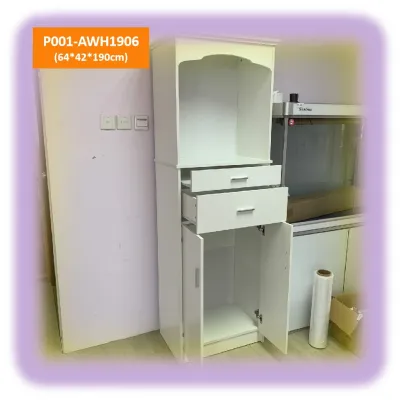
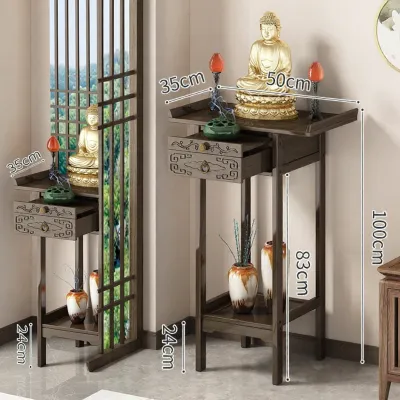
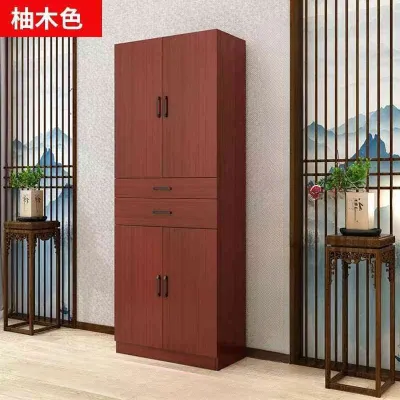
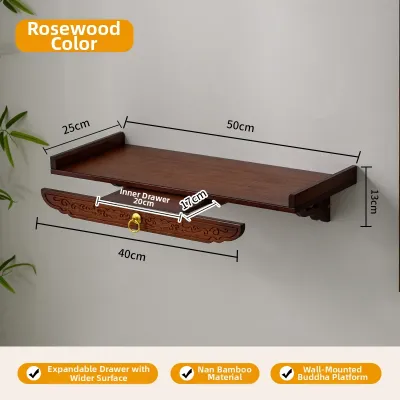
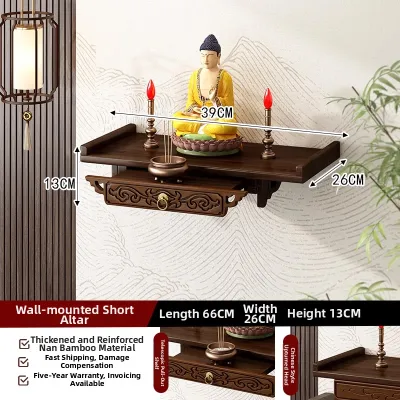
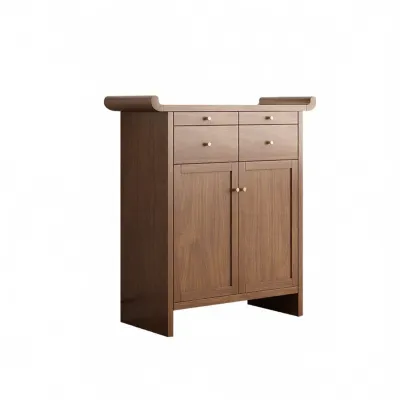
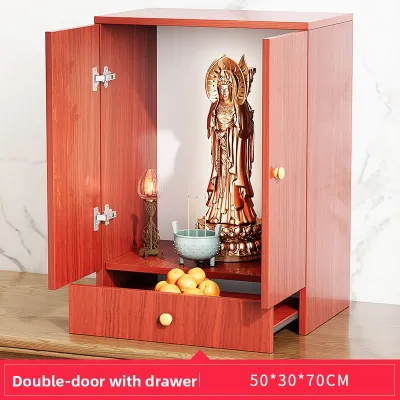
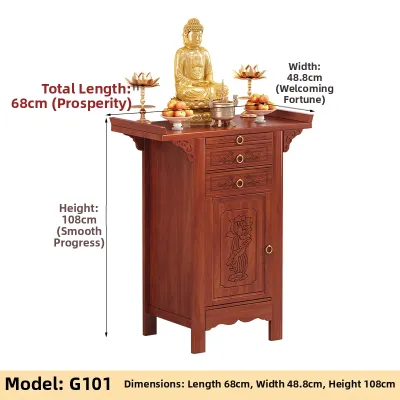
Prices are valid at publication and may change. Please refer to the product page for the latest price.
The selection of food and beverage offerings should represent a balanced meal. Traditional setups typically include a mix of savory dishes, bowls of white rice, fresh fruits, and small cups of tea or wine. When choosing savory dishes, many families prepare roasted meats, steamed fish, or vegetarian alternatives, ensuring that the food is fully cooked and allowed to cool slightly before placement to prevent condensation from damaging nearby paper items. Rice bowls should be filled to the brim, symbolizing abundance and prosperity for the household.
Ritual essentials form the core of the ceremony and must be gathered beforehand. These items include incense sticks, joss paper, candle holders, and a dedicated incense burner filled with clean ash or sand. If you are setting up the altar indoors, consider modern alternatives such as flameless LED candles and electronic incense burners to eliminate smoke and open flames in enclosed spaces. Traditional tablecloths, often in bright red or yellow, should also be prepared to cover the table surface.
The physical environment where you place the altar table requires careful evaluation. Choose a well-ventilated area away from heavy foot traffic, open windows with strong drafts, or flammable household items like curtains and upholstery. If you are setting up the table in a shared corridor or outdoor residential space, ensure it does not obstruct emergency escape routes or cause inconvenience to neighbors. The location should allow you to monitor the altar easily throughout the duration of the prayers.
Step-by-Step Arrangement of the Altar Table
The arrangement of the altar table follows a strict spatial hierarchy, moving from the back of the table forward to the front edge. Begin by setting the base layer, which involves draping a clean, traditional red or yellow tablecloth over the surface. At the very back of the table, place any background decorations, ancestral tablets, or deity representations, ensuring they are elevated slightly if tradition dictates. This back row represents the spiritual realm and serves as the anchor for the entire setup.

Directly in front of the background elements, arrange the main food offerings in the center and back rows. Place the bowls of white rice side-by-side, accompanied by chopsticks laid neatly across the bowls or placed flat on the table. Symmetrically arrange the savory dishes and plates of fresh fruit around the rice, creating a balanced visual layout that represents abundance and order. When placing chopsticks, never stick them vertically into the rice bowls, as this closely resembles incense offered to the deceased and is considered a major cultural taboo.
The middle section of the table is reserved for the incense burner, which serves as the central focal point of the altar. Ensure the burner is completely stable and placed on a heat-resistant mat or ceramic tile to catch falling ash and protect the table surface from heat damage. If you are using traditional wax candles, position them symmetrically on the left and right sides of the incense burner, keeping them aligned with the center of the table.
At the very front edge of the table, place the items that require active handling during the ritual. This includes the small cups for tea and wine, arranged in a neat horizontal row of three or five cups. Position the joss paper stacks neatly to one side of the front edge, keeping them easily accessible for the ritual burning phase while ensuring they remain dry and away from any liquid spills. This front-to-back arrangement allows you to pour beverages and handle ritual items without reaching over open flames or disturbing the food offerings.
Lighting and Decor Setup for the Altar
Illuminating the altar table properly is crucial for creating a solemn and respectful atmosphere. While traditional wax candles have been used for generations, modern indoor environments, particularly high-rise apartments, benefit significantly from flameless LED candles. These electronic alternatives mimic the warm flicker of real flames without producing smoke, soot, or fire hazards, making them a highly practical choice for indoor use. The choice of a warm, flickering glow or a steady light is a matter of personal preference, allowing you to customize the spatial effect of the altar.
If you choose to use LED candles or decorative electronic lanterns, verify their electrical specifications before installation. Check that the voltage matches your household supply, inspect the base or interface compatibility, and ensure that any power adapters carry recognized safety certifications. Inspect the electrical cords for signs of wear or fraying, and route them carefully along the back of the table to prevent tripping hazards or accidental pulling. If you plan to install permanent overhead lighting or fixed wiring in damp outdoor areas, always isolate the power at the main breaker and consult a qualified professional to handle the installation safely.
For setups that utilize traditional wax candles, select heavy, stable candle holders that will not tip over easily. Position these holders on heat-resistant surfaces and keep them away from the edges of the table. Ensure that the height of the candles does not bring the open flame close to hanging decorations, paper lanterns, or low-hanging ceilings. Keep a safe distance between the candles and any combustible materials on the table, such as paper offerings or dry floral arrangements.
Decorative elements such as paper lanterns, floral arrangements, and traditional paper art can be added to enhance the solemnity of the altar. When incorporating these items, treat their placement as a matter of conditional preference rather than strict necessity. Keep all paper decorations and dry floral arrangements at a safe distance from any heat sources, incense burners, or open flames to prevent accidental ignition. Fresh flowers, such as chrysanthemums or lilies, should be placed in heavy, stable vases on the outer left and right edges of the table to avoid blocking the central offerings.
Important Taboos and Safety Precautions
Observing cultural taboos is an essential part of showing respect during the Hungry Ghost Festival. Avoid offering foods that are traditionally considered inappropriate, such as dishes containing beef or dog meat. Additionally, exclude fruits with sharp thorns, such as durians, or those with negative symbolic associations, such as pears, which sound like the word for “separation” in certain dialects. Opt instead for round, brightly colored fruits like oranges and apples, which symbolize safety, harmony, and prosperity.
Physical safety must remain the highest priority throughout the preparation and execution of the ritual. Maintain a strict safety perimeter of at least one meter around any open flames, including incense sticks and wax candles. Keep all loose joss paper, dry decorations, and flammable liquids far away from the active burning areas to prevent sudden flare-ups. If you are burning joss paper, always use the designated metal burners or bins provided by residential estates, and never burn paper directly on the grass, pavement, or common corridors.
When adapting the altar setup for outdoor or semi-outdoor shared spaces, wind management becomes a critical factor. Use heavy paperweights or ceramic plates to secure stacks of joss paper and prevent them from blowing away. Ensure that incense burners and candle holders are sufficiently weighted or shielded from drafts to prevent them from tipping over onto dry grass or concrete surfaces. Be mindful of sudden weather changes, and be prepared to move the setup to a sheltered area if rain or strong winds occur.
Never leave an active altar table unattended, especially when using traditional burning incense or open candle flames. If you must leave the area or before you go to sleep, ensure that all flames are completely extinguished and any burning incense sticks are safely put out. If using electronic LED alternatives, turn off the power supply or unplug the adapters to conserve energy and prevent electrical overheating. Once the ritual is complete, clear the food offerings promptly to avoid attracting pests such as ants, rodents, or stray animals, maintaining a clean and hygienic environment.
Frequently Asked Questions (FAQ)
Can I use artificial fruits or flowers on the altar table?
Yes, using high-quality artificial fruits or flowers on the altar table is acceptable, particularly in modern households where practicality and safety are key concerns. While fresh offerings are traditionally favored for their symbolic vitality, artificial alternatives offer a clean, reusable option that does not attract pests or spoil in warm, humid climates. If you choose to use artificial decor, ensure the items are kept clean, dust-free, and placed safely away from any heat sources or open flames.
How long should the offerings remain on the table?
Traditionally, offerings remain on the altar table until the incense sticks have burned down completely, which typically takes about thirty to forty-five minutes. This duration signifies that the spirits have symbolically consumed the essence of the food. From a food safety perspective, perishable dishes left in warm or humid environments should be cleared promptly after the ritual to prevent spoilage and maintain hygiene, especially if you plan to consume the food afterward.

Community discussion
Share your experience or ask a question. Comments are reviewed before publication.