
To determine if an LED transformer is compatible with a dimmer switch, you must verify three key elements: the transformer must be explicitly labeled as dimmable, its dimming protocol (such as TRIAC or 0-10V) must match the control technology of the dimmer switch, and the total wattage of your LED fixtures must sit within the minimum and maximum load limits of both devices. Ensuring these electrical parameters align prevents common performance issues and protects your lighting system from permanent damage.
Why Mismatched LED Transformers and Dimmers Fail
LEDs operate on low-voltage direct current (DC), whereas household mains power in Singapore delivers 230V alternating current (AC). An LED transformer—often referred to as an LED driver—acts as an intermediary, converting and regulating this high-voltage AC into a stable 12V or 24V DC supply. When you introduce a dimmer switch, it alters the incoming electrical wave to reduce the power delivered to the lights, thereby lowering their brightness.
If the transformer is not engineered to interpret these modified power waves, the system fails to function smoothly. The most immediate symptoms of incompatibility include visible, rapid flickering or strobing, and an audible buzzing or humming sound emanating from the transformer casing. You might also experience a highly restricted dimming range, where the lights drop from full brightness to completely off with no gradual transition, or they may refuse to turn on entirely.
Products mentioned in this guide
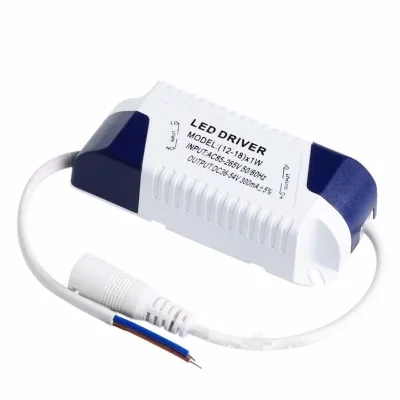
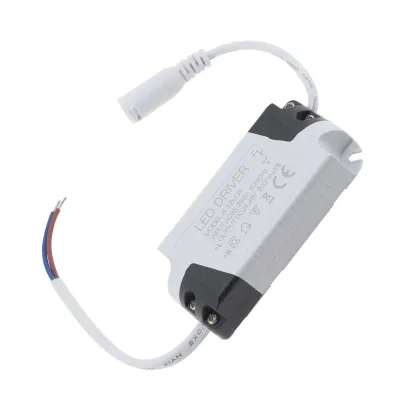
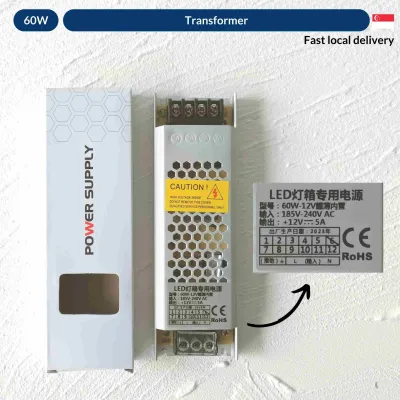
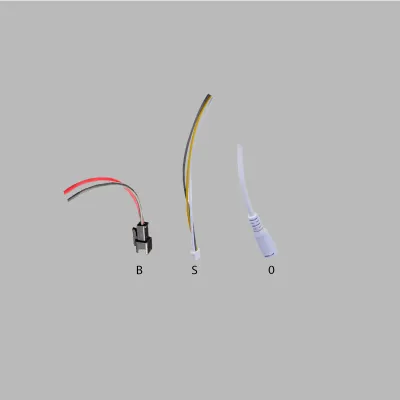
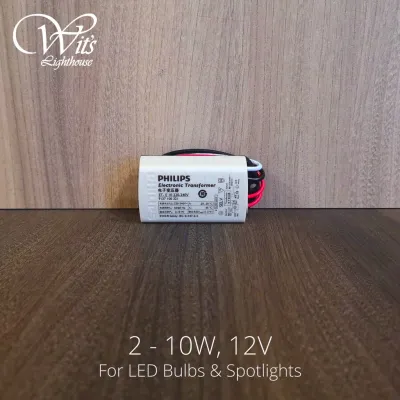
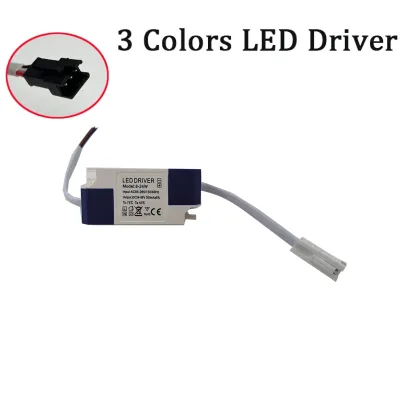
Prices are valid at publication and may change. Please refer to the product page for the latest price.
Beyond these immediate frustrations, operating mismatched components introduces serious long-term risks. Incompatible setups force internal components to work harder, leading to excessive heat buildup within the transformer and the dimmer switch. This thermal stress drastically shortens the lifespan of your LED fixtures and can cause permanent component failure, presenting a potential electrical hazard.
Step 1: Check Your LED Transformer Specifications
Before buying a dimmer switch or attempting installation, inspect the physical casing of your LED transformer. Manufacturers print critical electrical specifications directly on the product label, which serve as your primary guide for compatibility.

First, verify that the unit is designed for dimming. Look for the explicit word “Dimmable” or a dimming symbol on the label. If the label lacks this designation, or if it states “Non-Dimmable,” the transformer cannot be safely paired with any dimmer switch.
Next, check the input and output ratings to ensure compatibility with your local environment:
- Input Voltage and Frequency: For installations in Singapore, confirm the input rating matches the standard utility grid supply of 230V AC at 50Hz.
- Output Voltage: Ensure the output voltage matches your LED fixtures, typically 12V DC or 24V DC.
- Maximum Wattage: Note the maximum output power (expressed in watts, W) that the transformer can safely deliver.
Finally, identify the specific dimming protocol printed on the casing. Modern LED transformers use various methods to adjust light output. Look for terms like TRIAC (often labeled as phase-cut or mains dimming), 0-10V, Pulse Width Modulation (PWM), or Digital Addressable Lighting Interface (DALI). This protocol dictates the exact type of dimmer switch you must source.
Step 2: Identify Your Dimmer Switch Technology
Dimmer switches are not universal. To achieve smooth, flicker-free dimming, the technology inside the wall switch must align with the control method of your LED transformer.
The most common residential dimming technologies include:
- Leading Edge (TRIAC) Dimmers: These are traditional dimmers historically used for incandescent and halogen bulbs. They cut off the front edge of each AC power wave. While some modern LED transformers are designed to work with TRIAC dimmers, older models often cause LEDs to flicker because their minimum load requirements are too high for low-wattage LED circuits.
- Trailing Edge (ELV) Dimmers: Often labeled as electronic low-voltage dimmers, these cut off the trailing edge of the power wave. They provide a much smoother dimming curve, gentler voltage transitions, and are generally the preferred choice for modern dimmable LED transformers.
- Low-Voltage Control Systems (0-10V and DALI): These systems do not alter the 230V mains power wave. Instead, they use dedicated low-voltage signal wires to communicate dimming instructions directly to a compatible transformer. These are highly stable and are frequently used in smart home integrations and commercial spaces.
Always check the dimmer switch packaging or manufacturer datasheet for its minimum and maximum load ratings. Traditional dimmers might require a minimum load of 40W or 60W to operate, whereas a small chain of LED lights might only draw 15W, leading to instability if paired incorrectly.
Step 3: Match the Load and Dimming Protocol
Achieving reliable performance requires precise matching of both the control protocol and the electrical load. Never mix protocols; a Trailing Edge dimmer must only be paired with a transformer specified for trailing-edge phase dimming, and a 0-10V controller must connect strictly to a 0-10V dimmable transformer.
Once the protocols are matched, you must calculate the total electrical load of your lighting system. Add up the wattage of all individual LED strips or light fixtures connected to the transformer. For example, if you are running five LED cabinet lights rated at 4W each, your total load is 20W.
Ensure this total load sits comfortably within the operating limits of both the transformer and the dimmer switch:
- Dimmer Load Compatibility: The total LED wattage must exceed the dimmer's minimum load rating and remain below its maximum LED load rating (which is often much lower than its incandescent rating).
- Transformer Safety Margin: To prevent overloading, apply a 20% safety margin to the transformer. Calculate this by multiplying the transformer’s maximum rated wattage by 0.8. The total wattage of your connected LEDs should not exceed this adjusted figure. This headroom ensures the transformer runs cooler and handles minor voltage fluctuations without flickering at low dimming levels.
Electrical Safety and Professional Installation Boundaries
Working with residential electrical systems carries inherent risks of severe shock, fire, and equipment damage. Before inspecting any wiring, opening junction boxes, or handling transformer terminals, you must isolate the power by switching off the main circuit breaker at your home’s distribution board (DB box). Never rely solely on the wall switch to turn off the power.
In Singapore, strict regulatory boundaries govern electrical work. Modifying fixed electrical wiring, installing new circuits, or connecting a transformer directly to the 230V mains supply must be performed by a Licensed Electrical Worker (LEW). Attempting DIY installations on fixed mains wiring is not only unsafe but may also void your home insurance and violate local electrical safety regulations.
Always prioritize safety by checking the manufacturer instructions of both the dimmer switch and the LED transformer before beginning. If the instructions are unclear, or if you are dealing with unidentified wiring, stop immediately and consult a qualified professional.
Frequently Asked Questions (FAQ)
Can I use a non-dimmable LED transformer with a dimmer switch?
No, you should never attempt to use a non-dimmable LED transformer with any dimmer switch. Non-dimmable transformers are designed to deliver a constant, unyielding voltage to the LEDs. When a dimmer switch limits or chops the incoming power wave, the internal circuitry of a non-dimmable transformer will struggle to compensate. This mismatch leads to severe, rapid flickering, extreme heat buildup, and eventual permanent damage to both the transformer and the dimmer switch.
Why do my compatible LED lights still flicker on a dimmer?
Even when the components are technically compatible, flickering can still occur due to several common issues. The most frequent culprit is under-loading, which happens when the total wattage of your LED fixtures falls below the minimum load threshold required by the dimmer switch. Other common causes include loose wiring connections at the terminal blocks, significant voltage drops over excessively long cable runs, or mixing different brands of LED fixtures on the same circuit, which can cause erratic electrical behavior.

Community discussion
Share your experience or ask a question. Comments are reviewed before publication.