
Sharing a bed shouldn’t mean compromising on your nighttime reading routine or your partner’s sleep quality. The ideal bedside reading light achieves this balance by combining a highly directional beam with precise brightness controls and physical shielding. By focusing on fixtures that concentrate light strictly on your page, you can enjoy your favorite books late into the night while your partner sleeps undisturbed in darkness. Selecting the right light involves evaluating physical design, illumination quality, mounting styles, and control mechanisms to match your specific bedroom layout and habits.
Key Design Features to Minimize Light Spill and Glare
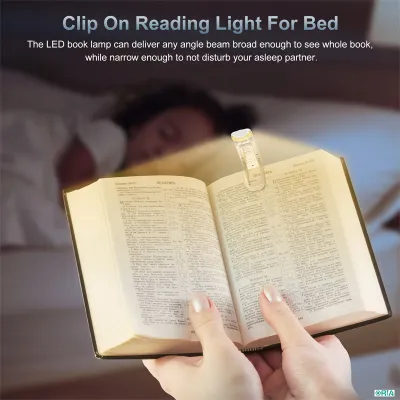
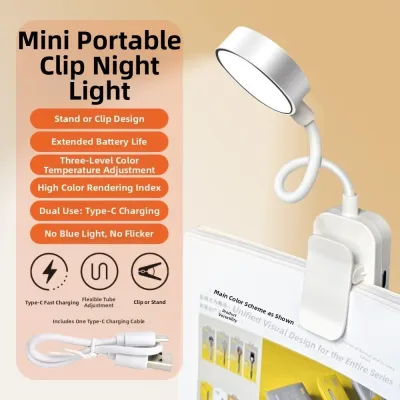
To keep light from spilling across the bed, the physical design of the fixture is your first line of defense. A standard lamp disperses light in a wide, ambient cone, which inevitably illuminates the entire room. For shared sleeping spaces, look for a fixture with a narrow, focused beam angle—ideally 30 degrees or less. This directional focus is best achieved through adjustable components, such as highly flexible goosenecks or multi-jointed swing arms. These features allow you to position the light source just inches from your book, angling the beam downward and away from your partner’s eyes.
The construction of the lamp head plays an equally critical role in containing stray light. Opaque shades made of metal, thick plastic, or dense fabric prevent light from escaping sideways. Additionally, fixtures with deep-recessed bulb placements or internal baffles physically block the light source from direct line-of-sight visibility at wider angles. This means that even if your partner rolls over to face your side of the bed, they will not be exposed to the direct glare of a bare bulb.
Products mentioned in this guide
![[SG Local Stock] 2000mAh LED Table Lamp Study Foldable Desk Light Bedroom Bedside Touch Control Dimmable USB Rechargeable 台灯 CNY Gift Present](https://img.lazcdn.com/g/p/254b9aa79170e7ac80d5ab37505c1212.jpg_400x400q80.jpg_.webp)

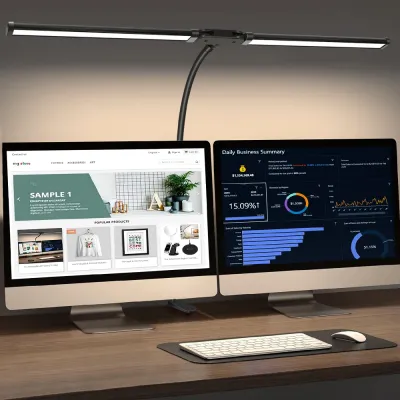
Prices are valid at publication and may change. Please refer to the product page for the latest price.
Protecting your own eyes from glare is also essential for a comfortable reading experience. When reading in an otherwise dark room, the contrast between the bright page and the surrounding darkness can cause eye strain. To mitigate this, look for reading lights equipped with anti-glare finishes, frosted diffusers, or honeycomb louvers. These design elements soften the light beam without reducing its directional effectiveness, ensuring that the illumination on your page remains even, gentle, and free of harsh hotspots.
Illumination Settings for Eye Comfort and Sleep Hygiene
Beyond physical design, the quality and adjustability of the light itself are vital for maintaining healthy sleep hygiene. Exposure to bright, cool light in the evening can suppress melatonin production, making it harder for you to fall asleep once you close your book. To prevent this, prioritize reading lights that offer adjustable color temperatures. Opting for warm light settings, such as those between 1800K and 2700K, mimics the soft glow of candlelight and has a minimal impact on your circadian rhythm. Avoid cool, blue-rich light settings during your nighttime wind-down routine, as these promote alertness.

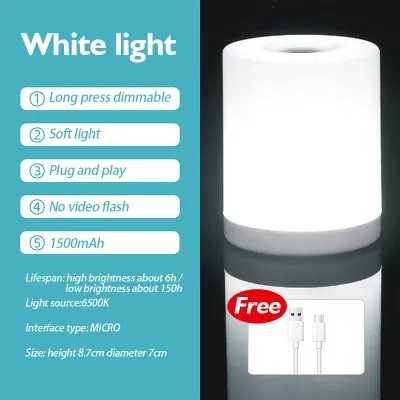
Brightness control is another indispensable feature for shared bedrooms. A single, fixed high-brightness setting is rarely suitable for late-night reading. Look for fixtures that offer multi-level dimming or, ideally, stepless dimming. Stepless dimming allows you to fine-tune the light output to the exact level required for your eyes to focus comfortably without straining, which is often much lower than you might expect once your eyes have adapted to the dark.
When shopping, always review the product specifications and labels for task lighting output and dimming compatibility. Ensure the fixture’s minimum lumen output is low enough for comfortable close-up reading in complete darkness. If you are purchasing a fixture that uses replaceable bulbs, verify that the bulb and the fixture’s dimming method are fully compatible to prevent flickering, which can be highly distracting to both you and your sleeping partner.
Form Factors and Placement Options for Your Nightstand
The physical format of your reading light should align with your bedroom layout, nightstand space, and personal habits. Traditional table lamps are a popular choice, but they often have a larger footprint and may disperse light too widely unless specifically designed with a narrow-beam shade. If you choose a table lamp, pay close attention to the base weight and stability. A heavy, well-balanced base prevents the lamp from tipping over when you reach to adjust it in the dark, reducing the risk of sudden noises that could wake your partner.
For bedrooms with limited nightstand space, wall-mounted sconces or clip-on reading lights offer excellent space-saving alternatives. Wall-mounted sconces with adjustable swing arms keep your bedside table completely clear. However, because these fixtures often involve fixed wiring, safety must be a priority. Always isolate the mains power at the distribution board before attempting installation, follow the manufacturer’s instructions carefully, and hire a qualified professional electrician to handle the wiring. For a non-permanent option, clip-on lights can be attached directly to your headboard or a nearby shelf, though you must verify that the clamp is strong enough to hold the light securely without damaging your furniture.
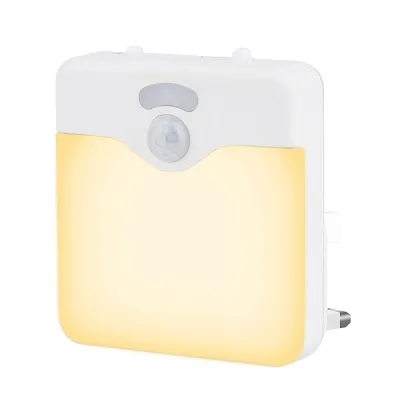
Regardless of the form factor, consider cord management and plug accessibility to maintain a safe, uncluttered bedside environment. Ensure that power cords are routed safely behind furniture to prevent tripping hazards in the dark. Additionally, verify that the fixture’s voltage matches your local electrical standards (such as 230V in Singapore) and look for recognized electrical safety certifications on the product label to ensure safe, long-term operation.
Controls and Convenience Features for Effortless Nighttime Use
The ease with which you can operate your reading light directly impacts how quietly and seamlessly you can transition to sleep. Reaching for a hard-to-find inline cord switch in the dark can lead to fumbling, knocking over bedside items, and waking your partner. Touch-sensitive bases or easily accessible switches located directly on the lamp head are highly preferable, as they allow you to turn the light off with minimal movement from a reclined position.
Another highly convenient feature is an integrated memory function. This technology automatically recalls your last-used brightness and color temperature settings when you turn the light back on. Without a memory function, the lamp may default to its brightest setting upon startup, sending a sudden flash of light across the bedroom that could startle your sleeping partner.
Finally, consider fixtures that offer auto-off timers or gradual dimming features. An auto-off timer can be set to turn the light off after 30 or 60 minutes, providing peace of mind if you occasionally fall asleep while reading. Gradual dimming features slowly reduce the light intensity over several minutes, allowing your eyes to adjust naturally to the darkness and helping you ease into sleep without a sudden, jarring transition from light to complete dark.
Frequently Asked Questions (FAQ)
Can a standard desk lamp work as a bedside reading light?
While a standard desk lamp can provide sufficient illumination, it is rarely ideal for a shared bedside environment. Desk lamps are typically engineered to flood a wide workspace with bright, cool light to promote focus and productivity. This broad light distribution makes it difficult to prevent light from spilling onto your partner’s side of the bed. Additionally, desk lamps often have larger footprints that can clutter a small nightstand, and their switches may not be easily accessible from a lying position, making them less convenient for nighttime use.
Is it necessary to buy a smart light for bedside reading?
Buying a smart light is not strictly necessary, but it offers distinct conveniences depending on your preferences. Smart lights allow you to adjust brightness, color temperature, and timers via a smartphone app or voice commands, which can be useful if your lamp is positioned just out of arm’s reach. However, for most readers, a high-quality manual light with physical touch controls, a flexible arm, and built-in memory functions is simpler, more reliable, and provides immediate responsiveness without the need to navigate an app or speak aloud in a quiet bedroom.

Community discussion
Share your experience or ask a question. Comments are reviewed before publication.