
Selecting a reliable, high-output torch light is a foundational step in preparing your Housing & Development Board (HDB) flat for unexpected power outages or building-wide emergencies. While Singapore enjoys an exceptionally stable electrical grid, localized blackouts, electrical riser trips, or emergency evacuations require immediate, dependable illumination. A standard smartphone flashlight is rarely sufficient to light up an entire living space or safely navigate dark, unlit common stairwells during a utility failure.
To find the right big torch light, you must look beyond basic brightness claims and evaluate how a device performs under specific environmental and spatial conditions. Factors such as battery chemistry, heat dissipation, moisture resistance, and physical storage compatibility play critical roles in ensuring your emergency gear remains functional when you need it most. By understanding these technical specifications, you can build a practical emergency kit tailored to the unique layout and tropical climate of a Singapore home.
Core Specifications for High-Output Emergency Lighting
When evaluating a big torch light for emergency preparedness, understanding the relationship between lumens and beam distance is essential. Lumens measure the total volume of light emitted by the device in all directions, which determines how effectively the torch can illuminate a broad area like a living room or kitchen. For HDB interiors, a torch offering a high lumen output allows light to bounce off walls and ceilings, transforming a single point source into soft, ambient room lighting. Conversely, beam distance measures how far the light projects before dropping to an intensity equivalent to full moonlight, which is critical when navigating long, windowless common corridors or descending multiple flights of emergency stairs.
Products mentioned in this guide
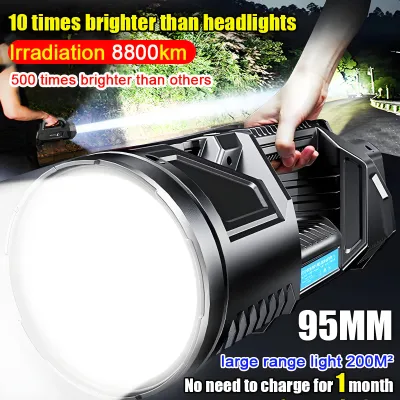
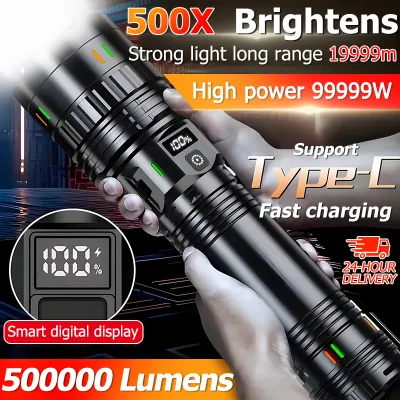
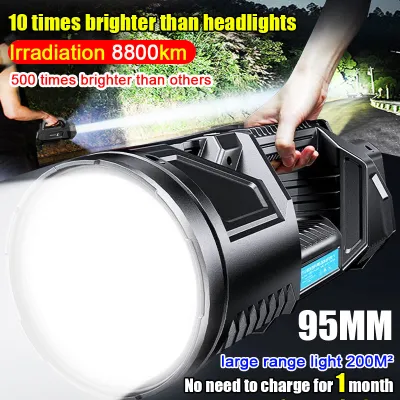
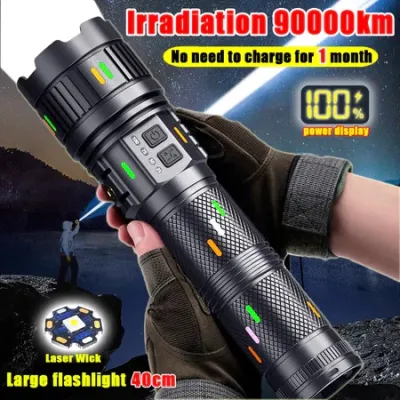
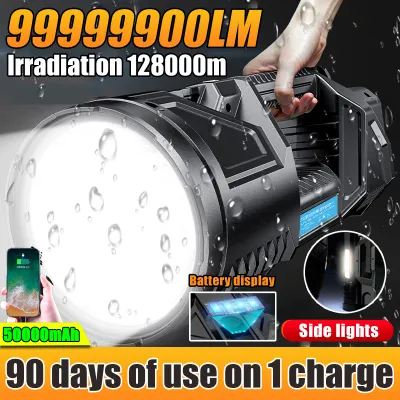
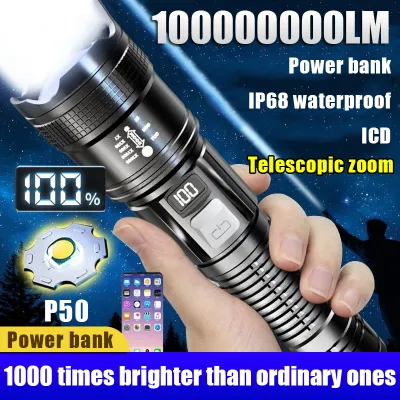
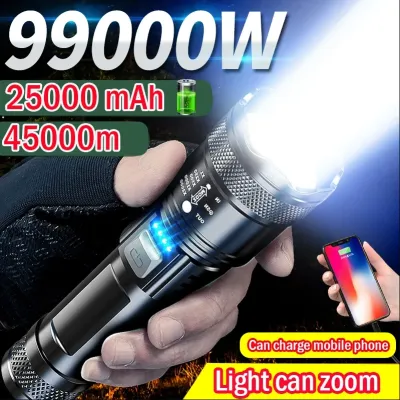
Prices are valid at publication and may change. Please refer to the product page for the latest price.
Beam patterns generally fall into two categories: flood beams and spot beams. A flood beam disperses light over a wide angle, making it the preferred choice for close-up tasks, searching through utility cupboards, or lighting up a shared family space without creating harsh, blinding glare. A spot beam concentrates the light into a tight, intense column, allowing you to project light far down a corridor or signal for assistance from a window. For comprehensive emergency preparedness, look for versatile torch lights that feature adjustable focus bezels or multiple mode settings, allowing you to switch between wide flood and focused spot patterns as the situation demands.
Singapore’s tropical climate introduces high relative humidity, which can easily degrade internal electrical components and cause premature device failure. To safeguard your investment, check the Ingress Protection (IP) rating on the product packaging or manufacturer specification sheet. An IP rating consists of two digits: the first represents protection against solid particles like dust, and the second represents protection against liquids. For indoor and occasional outdoor emergency use, a minimum rating of IPX4 (resistant to water splashes from any direction) is recommended, while an IP65 or IP66 rating provides robust protection against dust ingress and low-pressure water jets, ensuring the torch remains operational even during heavy monsoon downpours.
Build quality and impact resistance are equally vital when selecting a heavy-duty torch. Emergency situations increase the risk of accidental drops on hard surfaces, such as the ceramic tiles or polished screed floors common in HDB flats. High-quality torches are typically constructed from aircraft-grade aluminum alloy with a Type III hard-anodized finish, which offers excellent scratch resistance and structural integrity. Review the manufacturer’s specifications for drop-test ratings, aiming for a device certified to withstand impacts from a height of at least one to two meters onto a hard surface without losing electrical connectivity or cracking the lens.
Power Sources and Runtime Management
The choice of power source directly impacts how long your torch will run during an extended blackout and how much maintenance it requires during storage. Built-in rechargeable lithium-ion batteries (such as 18650 or 21700 cells) offer high energy density, consistent voltage output, and the convenience of recharging via standard USB ports. However, they require active monitoring to prevent deep discharge. On the other hand, torches powered by standard disposable alkaline batteries (such as AA or D cells) are highly convenient because you can store spare batteries separately for years. The primary drawback of alkaline cells is their lower energy density and the high risk of corrosive chemical leakage, which can permanently ruin the internal contacts of an expensive torch if left inside the device during long-term storage.

Understanding manufacturer runtime claims requires a careful reading of the provided runtime charts. High-output torches often advertise impressive maximum lumen figures alongside long runtimes, but these two specifications rarely occur simultaneously. A torch running on its highest “turbo” or “high” mode will drain the battery rapidly, often stepping down to a lower brightness level within minutes to prevent overheating. Review the runtime curves to see how long the device can sustain a usable medium or low output (typically between 50 and 150 lumens), which is more than adequate for navigating a dark home and can extend battery life to dozens of hours.
Some emergency torches feature auxiliary power options, such as integrated hand-cranks or small solar panels. While these features sound appealing for disaster scenarios, they have significant practical limitations in an HDB context. Hand-cranking is physically demanding and typically yields only a few minutes of low-power light for every several minutes of vigorous winding. Solar panels integrated into small devices require direct, intense sunlight to charge efficiently. Because HDB corridors are often shaded and window glass filters out a significant portion of ultraviolet light, relying on solar charging as a primary power source is impractical. These auxiliary systems should only be viewed as absolute last-resort backups rather than primary charging methods.
To manage battery degradation over time, establish a clear storage protocol based on battery chemistry. Lithium-ion batteries degrade fastest when stored completely empty or fully charged at high temperatures. For long-term storage, manufacturers generally recommend keeping lithium-ion cells charged to approximately 40% to 60% of their capacity and storing them in a cool, dry place. If you choose a torch that utilizes disposable batteries, always store the batteries in their original packaging outside of the torch body, inserting them only when an emergency arises or during scheduled testing.
Storage Solutions for Compact HDB Spaces
HDB flats are designed with efficiency in mind, meaning storage space is often at a premium. Bulky, heavy-duty torches can easily become cluttered obstacles if not stored systematically. To maximize space, look for torches that incorporate smart physical design features such as magnetic flat tail-caps, integrated lanyard loops, or dedicated wall-mounting brackets. A magnetic base allows you to mount the torch securely to the side of a metal utility shelf, refrigerator, or metal door frame, keeping it off valuable drawer space while ensuring it remains highly visible and instantly accessible.
Identifying the optimal storage location within your flat is crucial for preserving the lifespan of the torch’s battery and electronics. Avoid storing your emergency lighting in areas prone to high heat or humidity fluctuations, such as service yards, balconies, or cabinets directly adjacent to kitchen stoves. Instead, designate a cool, dry, and centralized location. The household shelter (bomb shelter) or a central utility closet is an ideal spot. If you keep an emergency “grab-to-go” bag, ensure the torch is packed in an easily accessible outer pocket rather than buried at the bottom of the bag.
Before purchasing a big torch light, verify its physical dimensions and weight against your intended storage setup. A torch that is too long or has an excessively wide bezel may not fit into standard emergency kit boxes or drawer organizers. If the torch is intended to be carried during an evacuation, ensure its weight is manageable for all members of the household. A heavy, multi-battery searchlight might offer incredible runtime, but it can quickly become exhausting to carry down twenty flights of stairs during a building evacuation.
Accessibility is the final, critical component of emergency storage. A sudden power failure will plunge your home into complete darkness, making it incredibly difficult to locate items hidden deep within cluttered drawers. Ensure that every member of the household, including older children and elderly relatives, knows exactly where the emergency torch is stored. Consider applying a small strip of high-grade photoluminescent (glow-in-the-dark) tape to the handle of the torch or directly onto its storage bracket, allowing anyone to locate the device instantly when the lights go out.
Creating Your Emergency Lighting Shortlist
Before purchasing a big torch light, compile a conditional checklist to evaluate different models against safety standards and your household’s specific needs. This systematic approach ensures you invest in a reliable tool rather than a low-quality novelty item. Use the following verification steps to guide your decision:
- Verify Electrical Safety Certifications: Ensure any charging adapters or built-in charging circuits comply with local safety regulations. Look for recognized safety marks on the packaging, which indicate the device has been tested for electrical safety and overcharge protection.
- Assess Physical Dimensions and Weight: Compare the physical specifications of the torch with your available storage space and the physical capabilities of your family members. Ensure the handle diameter allows for a secure grip, even when wet.
- Review Warranty and Support Terms: Check the manufacturer's warranty duration and what it covers. Reliable brands often provide multi-year warranties and offer replacement parts, such as replacement O-rings, lenses, or battery carriers, extending the overall service life of the device.
- Examine the User Manual: Before operating, read the manufacturer's instructions regarding voltage limits, compatible battery types, and thermal regulation. Understanding these operational boundaries prevents accidental damage to the driver board or LED module.
By systematically checking these parameters, you can eliminate substandard models that rely on exaggerated performance claims. A high-quality emergency torch should be treated as a long-term safety investment for your home.
Maintenance and Safe Operation
An emergency torch is only useful if it works reliably the moment a crisis occurs. To guarantee readiness, establish a strict quarterly maintenance schedule. Every three months, retrieve the torch from its storage location and perform a comprehensive functional check. Turn the light on and cycle through all brightness modes to ensure the switch and driver board are functioning correctly. Inspect the physical casing for any signs of corrosion, hairline cracks in the lens, or wear on the rubber seals.
Proper charging habits are essential for maintaining the health of rechargeable batteries. Avoid leaving a rechargeable torch permanently connected to a charger, as continuous trickle charging can accelerate battery degradation and increase the risk of thermal runaway. Once the charging indicator signals a full charge, disconnect the device from the power source. If the torch has remained unused in storage for six months, perform a partial discharge and recharge cycle to keep the battery chemistry active, always following the manufacturer’s specific guidelines.
High-output LED torches generate significant heat during operation, especially when run on high or turbo modes. Never leave a high-output torch turned on and unattended on a flat surface, as the heat radiating from the bezel can scorch or ignite flammable materials like bedsheets, tablecloths, or paper. Additionally, avoid looking directly into the beam or pointing it directly at another person’s eyes. The intense light output can cause temporary blindness or permanent retinal damage.
If you observe any signs of malfunction, cease using the torch immediately. Warning signs include a swollen battery compartment, a hot casing during charging, a flickering beam, or a persistent chemical odor. Do not attempt to disassemble sealed battery packs or modify the internal circuitry yourself. Instead, consult the manufacturer’s customer service department or a qualified electronics technician to assess the damage or arrange for a safe replacement.
Frequently Asked Questions (FAQ)
Can I use a big torch light as a primary room light during a blackout?
Yes, a high-output torch light can serve as an effective temporary room light, but it should not be pointed directly at people due to the intense glare. To illuminate a room safely and comfortably, point the torch upward at a light-colored ceiling. This technique, known as ceiling bouncing, diffuses the concentrated beam and scatters light evenly across the entire space. Be mindful of heat generation; high-output LEDs produce significant heat when run continuously. Ensure the torch is placed securely on a stable, non-flammable surface in a well-ventilated area, or use a dedicated silicone diffuser accessory to soften the light.
How often should I test my emergency torch light?
It is highly recommended to test your emergency torch light at least once every three months. During this quarterly check, verify that the battery holds a charge, inspect the physical casing for damage, and cycle through all light modes to ensure the switch operates smoothly. If your torch uses removable batteries, check the battery compartment for any signs of white powdery residue or corrosion, which indicates battery leakage. For rechargeable models, perform a quick charge cycle if the battery level has dropped during storage, ensuring the device is always at optimal capacity.
Are solar-powered big torch lights effective for HDB corridors?
Solar-powered torches are generally not recommended as a primary charging solution for HDB residents. Because HDB corridors are often shaded by neighboring units, overhead concrete ledges, or lift landings, obtaining the direct, intense sunlight required for efficient solar charging is extremely difficult. Furthermore, window glass blocks a significant portion of the ultraviolet light needed by solar panels, drastically reducing charging efficiency indoors. While a solar panel can serve as an auxiliary backup during a prolonged outdoor emergency, you should rely on standard wall chargers or USB power banks as your primary method for keeping your emergency torch charged.

Community discussion
Share your experience or ask a question. Comments are reviewed before publication.