
Selecting a brass diya for your prayer altar is a decision that blends spiritual tradition with practical home safety. A diya is more than a decorative ornament; it is the focal point of daily worship, symbolizing the removal of darkness and the invitation of positive energy into the living space. Because it holds an active flame and liquid fuel, choosing the right diya requires careful attention to material quality, structural stability, and spatial compatibility. Whether you are setting up a new altar in a compact apartment or upgrading an existing family shrine, understanding what makes a brass diya durable and safe ensures that your daily rituals remain peaceful and hazard-free.
Understanding Brass Quality and Authenticity
To ensure your diya withstands the test of time and daily exposure to high temperatures, verifying the quality of the brass is the first and most crucial step. Genuine brass is an alloy primarily composed of copper and zinc, valued for its durability, warm golden luster, and resistance to corrosion. However, the market is filled with cheaper alternatives, such as brass-plated iron, zinc alloys, or thin sheet metal, which do not offer the same longevity or safety profiles.
One of the simplest ways to verify authenticity is through a tactile and weight check. Solid cast brass is remarkably heavy for its size. When you hold a genuine brass diya, it should feel substantial and well-balanced in your hand. In contrast, plated or alloy alternatives often feel surprisingly light or hollow. You can also perform a simple magnet test: pure brass is non-magnetic, so a magnet will not stick to it. If a magnet clings firmly to the surface, the item is likely made of iron or steel with a thin brass plating that will eventually wear off, rust, or peel under the heat of a flame.
Products mentioned in this guide
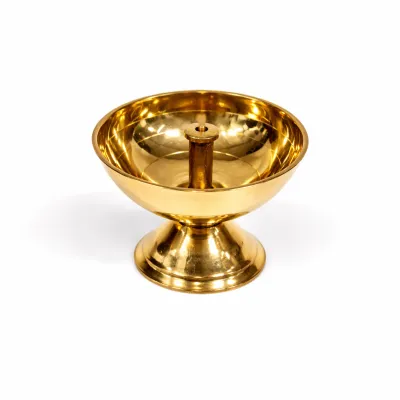
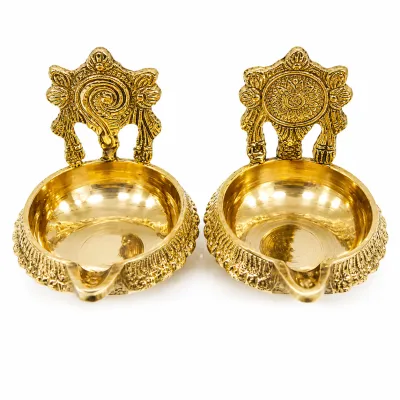
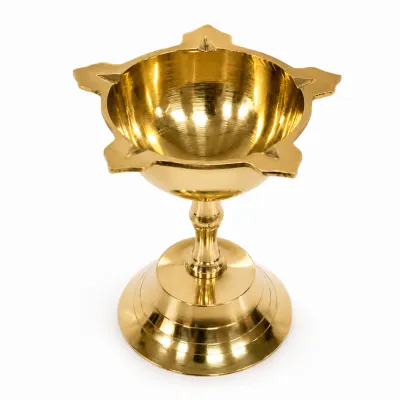
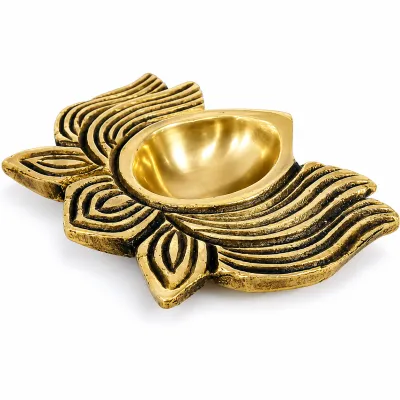
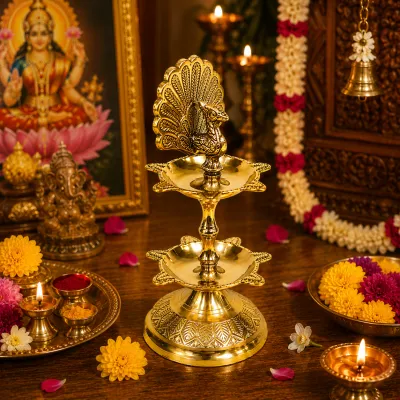
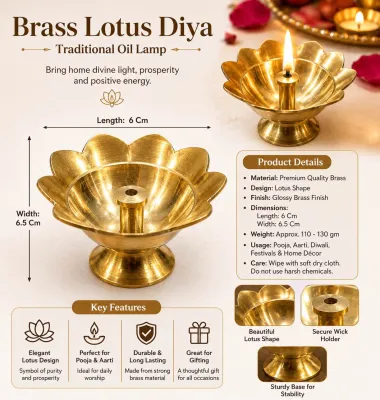
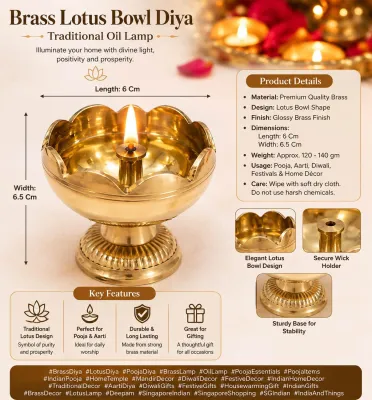
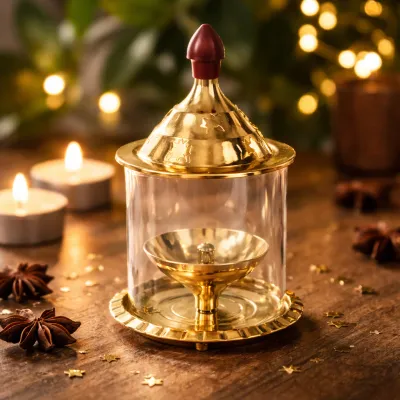
Prices are valid at publication and may change. Please refer to the product page for the latest price.
Another reliable indicator is the acoustic resonance of the metal. If you gently tap a solid brass diya with a small wooden mallet or another metal object, it will produce a clear, deep, and lingering ringing sound. Plated metals or inferior alloys tend to produce a dull, flat, and short-lived thud. Additionally, inspect the surface for consistency in color. Genuine brass has a rich, warm yellow hue that runs through the entire piece. If you notice silver, grey, or reddish undertones in areas with minor scratches or on the underside of the base, the metal is likely an alloy or has been plated.
The presence of protective coatings is another critical factor to consider. Many decorative brass items are finished with a clear lacquer to prevent natural tarnishing and keep them shiny on store shelves. While lacquer is suitable for purely decorative pieces, it is highly problematic for functional diyas. When exposed to the direct heat of a burning wick, lacquer coatings will blister, blacken, peel, and release unpleasant chemical fumes. For an active prayer altar, always choose uncoated, solid brass. Although uncoated brass will naturally oxidize and darken over time, it can be easily polished back to its original luster and is entirely safe to use with open flames.
Evaluating Design and Functional Features
The design of a brass diya directly influences how safely and efficiently it functions during your daily prayers. Diyas come in a wide variety of shapes, ranging from simple single-wick bowls to elaborate multi-tiered structures. Understanding how these designs perform in daily use will help you select the most practical option for your specific routine.

The number of wicks a diya accommodates is a primary design consideration. Single-wick (ek mukhi) diyas are the most common and practical choice for daily morning or evening prayers. They consume a modest amount of oil or ghee and generate a controlled, manageable amount of heat. Multi-wick designs, such as five-wick (panch mukhi) or seven-wick diyas, are typically reserved for festive occasions, weekly prayers, or larger altar spaces. These multi-wick configurations produce a much larger, brighter flame, but they also consume fuel rapidly and generate significant heat, requiring a larger safety perimeter and more frequent monitoring.
Base stability and weight distribution are paramount for fire safety on any altar. A safe diya must have a wide, heavy, and perfectly flat base that prevents it from tipping over if the altar table is accidentally bumped or nudged. Avoid top-heavy designs or those with narrow, spindly stems unless the base is exceptionally heavy to compensate. When evaluating a diya in a store, place it on a flat surface and gently tap the upper rim; it should remain firmly planted without wobbling or rocking.
The design of the wick holder, or the groove where the cotton wick rests, also requires close inspection. The groove should be deep and angled in a way that keeps the wick secure and prevents it from sliding down into the oil reservoir. If a wick slips entirely into the oil, the flame will be extinguished, or worse, it could ignite the entire pool of oil. The tip of the wick holder should extend slightly outward from the main bowl so that any dripping oil or soot falls back into the reservoir rather than spilling onto your altar surface. Additionally, ensure the wick channel is wide enough to accommodate the thickness of the cotton wicks you plan to use, allowing for smooth capillary action of the fuel.
Sizing and Spatial Considerations for Your Altar
Before purchasing a brass diya, it is essential to measure your prayer altar to ensure the vessel fits safely and proportionally within the designated space. In many modern urban homes, such as apartments in Singapore, prayer altars are often integrated into compact wooden cabinets, wall-mounted shelves, or dedicated corners where space is at a premium.
Vertical clearance is the most critical spatial measurement to consider. A burning flame generates a rising column of hot air and soot. If a diya is placed too close to the shelf above it, the heat can dry out, discolor, or even ignite wooden panels, laminates, or decorative backdrops. As a general safety guideline, ensure there is at least 30 to 50 centimeters of clear vertical space above the tip of the flame. If your altar has limited overhead clearance, opt for a low-profile, shallow diya rather than a tall, stemmed model, or consider using a protective heat shield on the underside of the shelf above. If you are considering an electric brass diya instead of a traditional oil-burning model, ensure you verify the voltage compatibility, wattage limits, and electrical safety certifications suitable for your home’s power outlets before installation.
Horizontal clearance and proportion are equally important for maintaining a safe and visually balanced altar. The diya should not be placed too close to deity statues (murtis), framed pictures, incense holders, or decorative fabrics. Keep a safe distance of at least 10 to 15 centimeters between the diya and any flammable materials, including paper decorations, artificial flowers, and cotton drapes. A crowded altar increases the risk of accidental contact with the flame when you reach in to offer flowers or incense.
Because brass is an excellent conductor of heat, the base of the diya can become extremely hot during extended burning sessions. To protect your altar’s surface from heat damage, discoloration, or oil stains, never place a hot diya directly onto wood, glass, or laminate. Always place the diya on a dedicated heat-resistant barrier, such as a thick brass or stainless steel plate (thali), a marble tile, or a ceramic coaster. This tray not only dissipates the heat safely but also catches any accidental oil spills or falling soot, making cleanup much easier.
Maintenance and Long-Term Care Requirements
Maintaining a brass diya is a regular part of altar upkeep that preserves both the beauty of the metal and the safety of the vessel. Because uncoated brass naturally reacts with oxygen, moisture, and heat, it will develop a dark patina over time. Regular cleaning prevents excessive tarnish and ensures the wick holder remains free of carbon buildup.
For routine polishing of uncoated solid brass, traditional and natural cleaning methods are highly effective and gentle on the metal. A classic mixture of lemon juice and salt, or tamarind paste, works exceptionally well. The mild natural acids in these ingredients react with the copper carbonate tarnish, dissolving it without scratching the brass. Simply apply the paste over the surface, let it sit for a few minutes, and then scrub gently with a soft sponge or microfiber cloth. Rinse the diya thoroughly with clean water and dry it immediately with a soft towel to prevent water spots or streaks from forming.
If your diya has an antique finish or a decorative dark patina, avoid using acidic cleaners or abrasive polishing powders, as these will strip away the intentional finish and expose the bright yellow brass underneath. For these items, a simple wipe-down with a damp, soft cloth followed by immediate drying is sufficient to remove dust and light oil residue. Never use steel wool, metal scouring pads, or harsh chemical abrasive cleaners on any brass diya, as they will leave permanent, unsightly scratches that ruin the smooth finish and make future cleaning more difficult.
Removing hardened ghee or sticky, oxidized oil residue from the reservoir is a common maintenance challenge. To clean a heavily soiled diya, soak it in a basin of warm water mixed with a few drops of mild dishwashing liquid for 10 to 15 minutes. The warm water will soften the hardened fats and oils, allowing you to wipe them away easily with a soft nylon brush or a cotton cloth. Pay special attention to the wick groove, as accumulated carbon and old wick fibers can clog the channel and restrict the flow of fresh oil, leading to an uneven or smoky flame.
Building Your Shortlist: A Pre-Purchase Checklist
When you are ready to purchase a brass diya, having a structured checklist will help you evaluate the craftsmanship and structural integrity of the item, whether you are shopping in a local boutique or browsing online marketplaces.
First, carefully inspect the construction of the diya. Many traditional brass diyas are cast in multiple pieces—such as the base, the stem, and the oil bowl—and then screwed together. Check the threaded joints to ensure they are clean, deep, and align perfectly without cross-threading. A loose or poorly threaded joint can cause the diya to wobble, or worse, allow oil to slow-leak down the stem and pool on your altar. If you are buying a single-piece cast diya, inspect the entire surface for casting defects, such as tiny pinholes (porosity) or hairline cracks, which can cause slow oil leaks over time.
Second, verify the seller’s material descriptions and weight specifications. If shopping online, look for listings that explicitly state the weight of the item in grams or kilograms. Compare the weight of similar-sized items to identify potential red flags; an unusually light diya advertised as “solid brass” is likely made of a thin sheet metal or a lighter zinc alloy. Read customer reviews to see if other buyers have reported issues with leaking, wobbling, or rapid discoloration that indicates a cheap plating.
Finally, review the seller’s return and exchange policies before making your purchase. Because brass casting is a hand-finished process, minor cosmetic variations are normal, but structural defects like an uneven base or a leaking joint are unacceptable. Ensure you can easily return or exchange the item if it does not meet basic quality and safety standards upon arrival. Investing in a well-crafted, solid brass diya from a reputable seller guarantees a beautiful, safe, and durable addition to your prayer altar that will serve your family for generations.
Frequently Asked Questions (FAQ)
Can I use both ghee and oil in the same brass diya?
Yes, you can use both ghee and oil in the same brass diya, but they require different handling and maintenance. Ghee (clarified butter) has a higher viscosity and solidifies at cooler temperatures, especially in air-conditioned rooms. To burn ghee efficiently, you need a thicker, hand-rolled cotton wick that can draw the heavy fuel upward to sustain the flame. Standard puja oils, such as sesame, coconut, or specialized five-oil blends, remain liquid at room temperature and flow easily through thinner, machine-made wicks. If you decide to switch between ghee and oil, it is essential to wash the diya thoroughly with warm, soapy water first. Mixing residue from both fuels can clog the wick channel, cause sputtering, and produce excess soot.
Why does my brass diya darken quickly after lighting?
The rapid darkening of a brass diya is a natural chemical reaction caused by heat and oxidation. Brass contains copper, which reacts with oxygen in the air when exposed to high temperatures, forming a dark layer of copper oxide on the surface. This process is accelerated by the intense heat of the flame. Additionally, incomplete combustion of the oil or ghee produces carbon soot, which naturally settles on the metal surrounding the wick holder. This darkening is not a sign of poor quality; rather, it is a characteristic of genuine, uncoated brass. If you prefer a bright, golden shine, you can easily restore the metal by polishing it regularly with a mild acidic cleaner like lemon and salt. Alternatively, many practitioners choose to leave the natural patina untouched, as it lends a traditional, antique appearance to the altar.

Community discussion
Share your experience or ask a question. Comments are reviewed before publication.