
Selecting a Buddhist altar table for your home in Singapore is a deeply personal and significant decision. It is not merely about finding a piece of furniture; it is about creating a sacred, tranquil space for daily reflection, chanting, and offerings. In Singapore’s unique housing landscape, where space optimization and safety are paramount, choosing the right altar table requires a careful balance of spiritual traditions, material durability, and practical design. By understanding what to look for in terms of dimensions, materials, safety features, and build quality, you can select an altar table that serves as a beautiful, enduring focal point for your home worship.
Key Features and Dimensions to Evaluate
The physical dimensions of your altar table must be chosen with both your ritual items and your room’s layout in mind. Before browsing, measure the height, width, and depth of the designated area. The tabletop must comfortably accommodate your primary Buddha statue, water offering cups, incense burner, flower vases, and fruit plates without looking cluttered. In traditional practices, some homeowners prefer dimensions that align with auspicious measurements on a Lu Ban ruler, but the practical priority should always be stability and proportion. Ensure there is enough clearance around the main statue so that daily offerings can be placed and removed easily without risk of tipping over other items.
Storage is a critical functional aspect of an altar table. Daily worship involves various accessories, including incense sticks, lighters, candles, sutra books, prayer beads, and cleaning cloths. An altar table with integrated drawers or lower cabinets helps keep these items organized and out of sight, preserving the clean, serene aesthetic of the sacred space. Many modern altar tables also feature a pull-out tray directly beneath the main tabletop. This tray is highly practical, providing temporary extra surface area for food offerings or prayer books during special chanting sessions, and can be slid back when not in use to save space.
Products mentioned in this guide
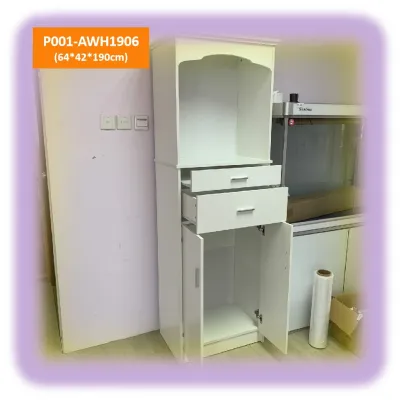
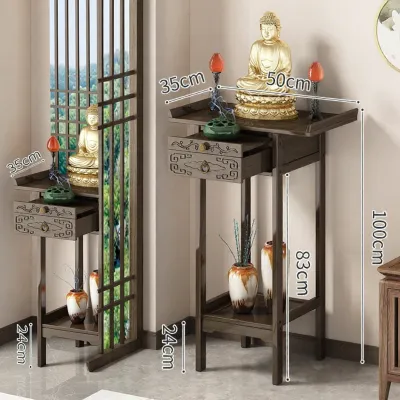
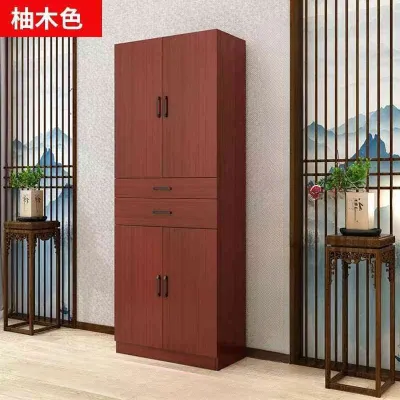
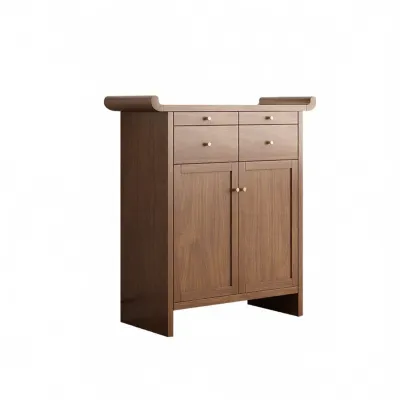
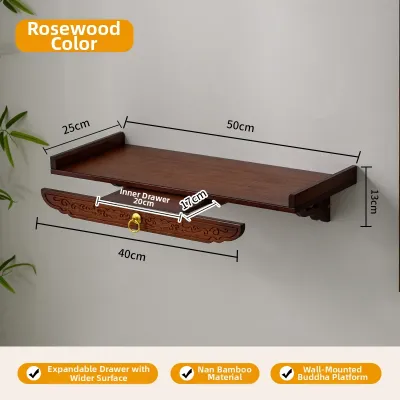
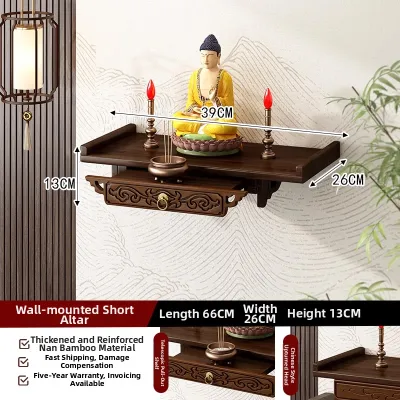
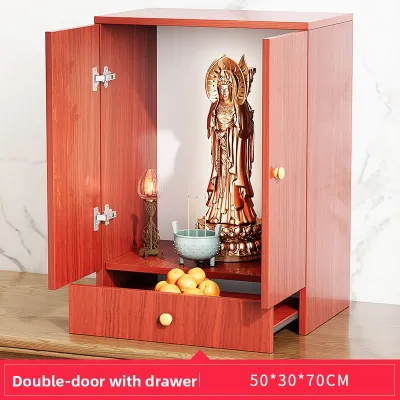
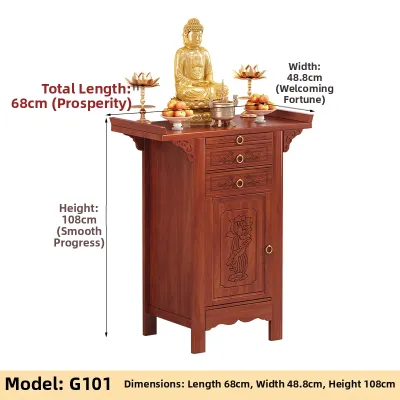
Prices are valid at publication and may change. Please refer to the product page for the latest price.
The choice of material significantly impacts the longevity, appearance, and maintenance of your altar table. Solid hardwoods, such as teak, rosewood, and mahogany, are highly favored for traditional altar tables. These woods are naturally dense, durable, and resistant to warping under normal indoor conditions. They also carry a natural warmth and grain pattern that enhances the solemnity of the altar. While solid wood tables represent a higher initial investment, their structural integrity ensures they can support heavy bronze or stone statues for decades, often becoming cherished family heirlooms.
For those seeking a lighter or more budget-friendly option, engineered wood alternatives like high-density fiberboard or plywood with wood veneers are widely available. These materials can be finished to mimic the look of solid wood quite closely. However, they require careful evaluation. Engineered wood is more susceptible to moisture damage if water from offering cups is spilled and left unwiped, and it may not support exceptionally heavy statues over time without bowing. If choosing engineered wood, ensure it has a high-quality, moisture-resistant sealant and check the manufacturer’s weight limits.
Space Planning and Safety for Singapore Homes
Living in HDB flats or condominiums requires creative space planning. Floor-standing altar tables are ideal if you have a dedicated corner or a spare room, but they may occupy too much footprint in smaller apartments. In such cases, wall-mounted altars or compact, multi-tiered tables are excellent alternatives. Wall-mounted units elevate the sacred space, keeping the floor clear, but they must be securely anchored to concrete walls rather than drywall. Multi-tiered tables allow you to stack the statue, incense, and offerings vertically, maximizing the use of vertical space while keeping the overall footprint minimal.

Proper ventilation is crucial when burning incense or candles indoors, particularly in air-conditioned or enclosed apartments. Smoke and soot can accumulate on ceilings and walls over time, causing discoloration and affecting indoor air quality. When planning your altar’s position, ensure there is sufficient clearance between the top of the incense burner and the ceiling or any overhanging shelves. Placing the altar near a window or in a well-ventilated living area helps disperse smoke naturally. For tight spaces, consider installing a heat-resistant glass or metal shield on the ceiling directly above the altar to protect the paint from soot and heat.
Fire safety must be a primary consideration when setting up any home altar. The table must be placed on a perfectly level, stable surface away from high-traffic areas where children or pets might accidentally bump into it. Avoid placing the altar near drafty areas, such as directly under air conditioning vents or next to high-speed ceiling fans, as strong drafts can blow hot ashes onto nearby flammable materials or cause candle flames to flicker dangerously. Keep curtains, blinds, and other fabrics at a safe distance. Always use stable, non-flammable holders for candles and incense, and never leave open flames unattended.
Quality Indicators and Build Checks
When inspecting an altar table in person, pay close attention to the joinery. High-quality wooden furniture often utilizes traditional mortise and tenon joints, which provide exceptional strength and stability without relying solely on metal screws or glue. Give the table a gentle shake to test its stability; there should be no wobbling, creaking, or flexing. This structural integrity is vital because a fully dressed altar—complete with heavy ceramic or metal statues, water vessels, and flower vases—can exert significant downward pressure. A weak frame or poorly joined legs pose a serious safety hazard over time.
The surface finish of the altar table must be durable enough to withstand the daily realities of worship. Inspect the lacquer or varnish for smoothness, bubbles, or uneven patches. A high-quality finish should be resistant to mild heat from nearby candles and moisture from accidental spills during water offerings. It should also be easy to wipe clean of fallen incense ash. Additionally, take note of any strong chemical odors emanating from the wood. A strong, pungent smell often indicates the use of cheap, high-volatile organic compound finishes, which can off-gas in your home and irritate your respiratory system.
If the altar table includes drawers, cabinets, or a pull-out tray, test the hardware thoroughly. Drawers should slide smoothly and quietly on their tracks without sticking or squeaking. Cabinet doors should align perfectly and close securely, preferably with soft-close hinges or magnetic catches. Quiet, smooth-operating hardware is not just a sign of good craftsmanship; it also respects the quiet, meditative atmosphere of your worship space, allowing you to retrieve incense or prayer books without disruptive noise.
Where to Source and How to Verify Sellers
In Singapore, you can source altar tables from specialized religious decor showrooms, custom carpentry workshops, or general online marketplaces. Specialized showrooms are highly recommended because they allow you to physically inspect the build quality, feel the materials, and receive guidance from staff who understand religious protocols. Custom carpentry is an excellent option if you have a specific niche or want the altar to match your home’s built-in cabinetry seamlessly. Online marketplaces offer convenience and a wide variety of designs, but they require extra diligence since you cannot inspect the physical product before it arrives.
Before making a purchase, especially from an online seller or a custom maker, ask specific questions to verify the product’s suitability. Inquire about the exact material origin—confirm whether the table is made of solid wood throughout or if it uses engineered wood cores with veneers. Ask about the maximum weight capacity of the tabletop and the pull-out tray. For heavy solid wood tables, ask if the delivery service includes carrying the item up stairs if your building lacks lift access, and whether they provide professional assembly and leveling upon delivery.
Because an altar table is a significant investment and holds deep cultural value, clarify the seller’s warranty and return policies. A reputable seller should offer a warranty against manufacturing defects, wood splitting, or warping within a reasonable timeframe. Understand the process for reporting damage sustained during transit, especially for delicate glass panels or intricate carvings. Ensure you receive a clear, itemized receipt detailing the materials used and the agreed-upon delivery terms, which protects your purchase and ensures peace of mind.
Frequently Asked Questions (FAQ)
Can I place a Buddhist altar table directly on the floor?
In Buddhist tradition, it is highly preferred to elevate the altar table rather than placing it directly on the floor. Elevating the Buddha statue is a sign of respect and helps keep the sacred space clean and distinct from daily household activities. Ideally, the statue should be positioned at or above eye level when you are standing or kneeling during practice. If you are dealing with extreme space constraints and must use a low-profile setup, place the altar table on a dedicated, clean platform or low cabinet rather than the bare floor, ensuring it remains stable and free from foot traffic.
How do I maintain the wood finish of my altar table?
To preserve the beauty and structural integrity of your wooden altar table, dust it regularly with a soft, dry microfiber cloth. Avoid using harsh chemical cleaners, abrasive pads, or wax polishes containing silicone, as these can strip the protective lacquer or leave a sticky residue that attracts dust and ash. Wipe up any water spills from offering cups immediately to prevent water rings or wood swelling. To protect the wood from Singapore’s high humidity and intense sunlight, position the table away from direct sunlight, which can cause the wood to fade, dry out, or crack over time.
What electrical precautions should I take if adding altar lights?
When integrating electrical lighting into a wooden altar setup, safety is paramount. Use low-wattage LED bulbs instead of traditional incandescent bulbs, as LEDs generate minimal heat and significantly reduce the risk of scorching the wood or igniting nearby fabrics. Ensure all wiring is neatly managed, kept away from water offering cups, and free from pinch points. Verify that any electrical components, adapters, or light fixtures carry recognized safety certifications, such as the Safety Mark in Singapore. If your setup requires complex fixed wiring, custom light installations, or modifications to your home’s electrical outlets, always isolate the power source and hire a licensed electrician to perform the work safely.

Community discussion
Share your experience or ask a question. Comments are reviewed before publication.