
Selecting a camping light that doubles as an emergency backup for your HDB flat requires balancing rugged outdoor utility with practical indoor usability. While a camping trip demands weather resistance, dust protection, and long-range illumination, a sudden power outage in a high-rise apartment calls for stable, glare-free ambient light that can sit safely on a dining table or hang from a household fixture. By focusing on adjustable brightness, versatile power options, and compact mounting designs, you can secure a single, reliable device that transitions seamlessly from the campsite to the living room.
Having a dependable dual-purpose light ensures you are always prepared for localized power trips—which are often caused by faulty household appliances or distribution board issues—without needing to purchase and maintain separate emergency equipment. A well-chosen camping lantern provides peace of mind, serving as a fun companion for outdoor adventures and a critical safety tool when the lights unexpectedly go out at home.
Understanding Dual-Purpose Needs: Camping vs. Indoor Emergency
To find the ideal dual-purpose light, you must first understand how outdoor lighting requirements differ from indoor emergency needs. When you are camping, your light source is exposed to the elements. It needs to withstand wind, rain, and accidental drops on rough terrain. Outdoor lights also require a wide, powerful beam spread to illuminate open campsites, dark trails, or pitch-black tent surroundings. High water-resistance ratings and rugged, shock-absorbing casings are non-negotiable for these environments.
Products mentioned in this guide
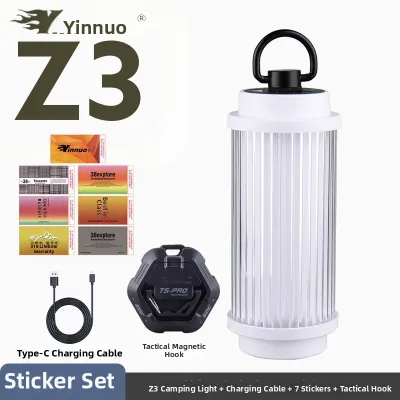
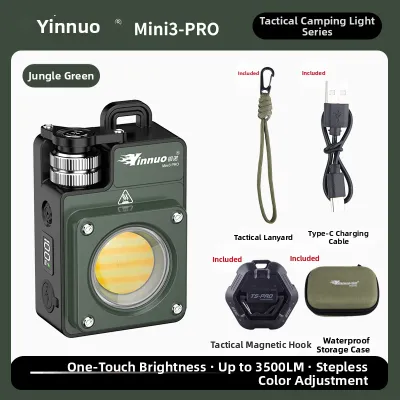
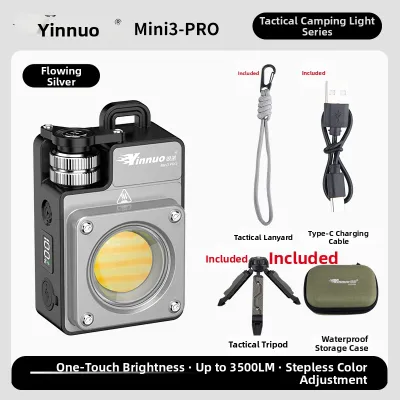
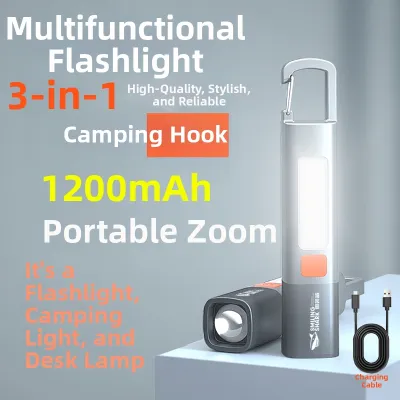
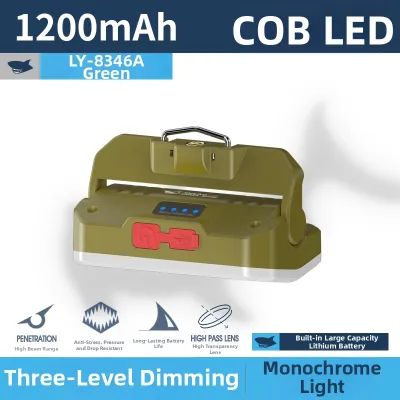
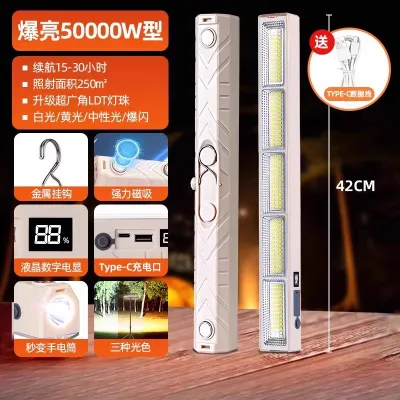
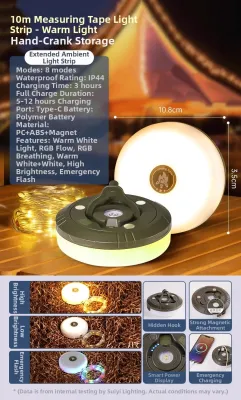
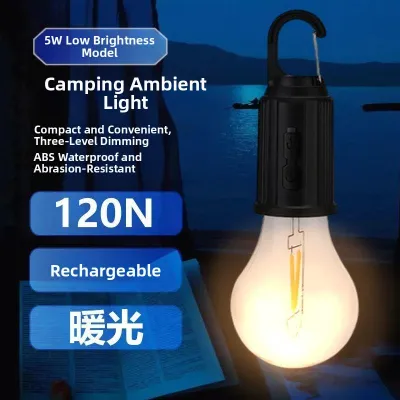
Prices are valid at publication and may change. Please refer to the product page for the latest price.
Indoors, the priorities shift toward comfort, safety, and controlled illumination. A high-power outdoor beam that easily lights up a forest clearing will be blindingly harsh when reflected off the white walls of a compact HDB living room. Indoor emergency lighting requires excellent diffusion to prevent glare, along with adjustable color temperatures. A warm, soft light is far more comforting and less disruptive to family members—especially young children or the elderly—during a stressful blackout than a cold, clinical blue-white beam.
Balancing these needs requires looking at the trade-offs between rugged durability and indoor aesthetics. Heavy-duty tactical lanterns with thick rubber armor and bright orange accents might look out of place sitting on a Scandinavian-style sideboard, but they offer unmatched resilience. Conversely, sleek, minimalist lanterns designed primarily for home decor may lack the necessary ingress protection (IP) ratings to survive a sudden tropical downpour during an outdoor trek. The key is to find a middle ground: a clean, compact design that features robust weatherproofing without looking overly industrial.
Key Features to Evaluate for Dual-Use Camping Lights
When evaluating potential lights, brightness control and beam versatility should be your first considerations. Look for lights that measure their output in lumens and offer multiple brightness settings or stepless dimming. For general indoor use in a standard HDB room, an output of 100 to 300 lumens is typically sufficient to read, cook, or navigate safely. Outdoors, you may want the option to boost the output to 500 lumens or more. A light that allows you to switch between a cool white light (useful for task work or searching for items) and a warm yellow light (ideal for relaxing in a tent or dining at home) provides the ultimate versatility.

Power sources and charging methods dictate how reliable your light will be during an extended outage. USB-C charging has become the modern standard, allowing you to quickly recharge the light using your existing phone chargers, wall outlets, or portable power banks. However, for true emergency readiness, consider “dual-fuel” models. These devices feature a built-in rechargeable lithium-ion battery but also accept standard alkaline batteries (such as AA or AAA). This design ensures that if your rechargeable battery runs flat during a prolonged blackout, you can simply pop in a fresh set of store-bought batteries to keep the light running.
Mounting and placement flexibility are equally critical for both campsites and high-rise apartments. A versatile light should feature a flat, weighted base so it can stand securely on a kitchen counter, dining table, or bedside cabinet without tipping over. Integrated folding hooks or carabiner clips are essential for hanging the light from tent loops, curtain rods, or even clothes drying racks. Additionally, a magnetic base is an incredibly useful feature for HDB flats, allowing you to snap the light directly onto metal surfaces like the refrigerator, metal shelving units, or the steel door frame of your household shelter.
Adapting to HDB Living: Storage, Space, and Readiness
Space is at a premium in most Singapore apartments, meaning your emergency gear should not take up half a closet. Collapsible or folding camping lights are highly advantageous for HDB living. Many modern lanterns can compress down to the size of a small disc or a slim wand, allowing them to slide easily into standard utility drawers, shoe cabinets, or compact emergency grab-and-go bags. Choosing a space-efficient design ensures your light is always stored in an accessible location rather than buried deep in a storage room.
Maintaining battery health during long periods of inactivity is a common challenge for emergency equipment. Lithium-ion batteries naturally self-discharge over time, and storing them completely empty or permanently at 100% charge can accelerate degradation. To maximize battery lifespan, store your rechargeable lights at approximately 50% to 70% capacity in a cool, dry place. Singapore’s high tropical humidity can also affect electronic components and battery contacts, so keeping your light in a sealed container with a few silica gel packets is an excellent preventive measure.
Establishing a simple readiness routine ensures you are never left in the dark when a power failure occurs. Mark your calendar to perform a quick check of your emergency lights once every three to six months. During this check, turn the lights on to verify they are functioning, inspect the casings for any signs of damage, and top up the charge to the recommended storage level. If your light uses replaceable alkaline batteries, store the batteries outside the device in a separate organizer to prevent corrosive chemical leaks from ruining the light’s internal circuitry.
Building Your Shortlist: Matching Features to Your Profile
To narrow down your choices, match the specifications of the light to your household’s lifestyle and camping habits.
Profile A: The Active Adventurer
If you camp frequently, hike in wet conditions, or spend entire weekends outdoors, prioritize ruggedness and high performance. Look for a light with an IPX6 water-resistance rating or higher, a drop-resistant housing certified to withstand falls of at least one meter, and a high-capacity battery (5,000 mAh or more). This profile benefits from a light that can handle a heavy downpour at a campsite but still offers a low-lumen, warm-light mode suitable for indoor emergency use.
Profile B: The Prepared Homeowner
If your outdoor trips are limited to occasional family picnics or light glamping, prioritize compact storage, ease of use, and aesthetic integration. Look for a lightweight, collapsible lantern with a clean design that blends in with your home decor. A battery capacity of 2,000 to 3,000 mAh is usually sufficient for this profile, provided the light features a reliable USB-C charging port and can be easily tucked away in a living room drawer.
Final Verification Checklist
Before finalizing your purchase from an online marketplace or local retailer, run through a quick verification checklist. Ensure the product specifications clearly state the battery type, runtime on various brightness levels, and charging requirements. If the light comes with an integrated wall plug or charger, verify that it carries the appropriate local safety certifications. Finally, check the manufacturer’s warranty terms and return policies so you can easily exchange the unit if you detect any battery or charging anomalies right out of the box.
Safety, Maintenance, and Battery Care
Operating high-output LED lights in enclosed spaces requires basic safety precautions. While LEDs are far safer than traditional gas or candle lanterns because they do not produce open flames or carbon monoxide, they can still generate significant heat at the light source and battery compartment. When running a high-lumen light inside a small HDB room, ensure the device is placed in a well-ventilated area. Avoid covering the light with fabrics, paper, or placing it in tight, unventilated corners where heat can build up.
Proper battery care is essential to prevent hazardous failures, such as swelling, leakage, or thermal runaway. Never leave your rechargeable camping lights plugged into a charger indefinitely; disconnect them once they reach full charge to avoid overstressing the battery cells. If you are using lights that rely on alkaline batteries, always use high-quality, brand-name batteries and replace them as a complete set. Mixing old and new batteries, or mixing different battery brands, can cause rapid discharge and increase the risk of acid leakage.
Knowing when to retire and replace your light is crucial for maintaining a safe household. Inspect your devices regularly for physical warning signs. If you notice a swollen or bulging casing, a battery that becomes unusually hot during charging, a significant drop in runtime, or persistent flickering that cannot be resolved, stop using the light immediately. Dispose of the degraded device safely by taking it to a designated e-waste recycling point, which can be found at various community centers and electronics retailers across Singapore.
Frequently Asked Questions (FAQ)
Can I use a camping lantern with a built-in power bank to charge my phone during an HDB blackout?
Yes, many modern camping lanterns feature a USB-A or USB-C output port designed to charge external devices. However, using this feature comes with a major trade-off: charging a smartphone will rapidly deplete the lantern’s battery, potentially leaving you without light before the power is restored. Always check the milliampere-hour (mAh) capacity of your lantern. If the capacity is relatively low, it is best to reserve the lantern strictly for illumination and rely on dedicated portable power banks to keep your mobile phones charged.
Are solar-powered camping lights reliable for indoor emergency use in an HDB flat?
Solar-powered lights are highly useful for outdoor trips, but they are generally unreliable as a primary charging method inside an HDB flat. Standard residential window glass, especially the tinted or double-glazed glass found in modern flats, filters out a significant portion of the solar spectrum, which drastically slows down charging times. Furthermore, high-rise apartments may not receive direct, unobstructed sunlight for long enough periods to achieve a full charge. For reliable indoor emergency readiness, always choose a light that supports USB charging as its primary power source, treating solar panels only as a secondary, last-resort backup.

Community discussion
Share your experience or ask a question. Comments are reviewed before publication.