
Finding the right candle stand is more than a matter of matching your home decor; it is a critical decision that affects both the safety of your living space and the performance of your scented candles. Whether you collect luxury single-wick vessels or burn large multi-wick jars, a stand must provide physical compatibility, thermal protection, and structural stability. Choosing an inappropriate stand can lead to uneven burning, damaged furniture surfaces, or tipping hazards. By systematically evaluating your candle collection’s dimensions, weights, and materials, you can select a stand that elevates your sensory experience while keeping your home secure.
Measure Your Candle Jars Before Shopping
To find a compatible candle stand, you must first establish a precise baseline of your candle collection’s physical dimensions. Many enthusiasts make the mistake of purchasing a stand based on visual estimation, only to find that their favorite jar overhangs the edge or sits unevenly on the platform. Start by measuring the exact bottom diameter of the jar. It is essential to measure the very base that will make contact with the stand, rather than the widest point of the glass or the outer edge of the lid, as many vessels taper downward or flare outward. Use a firm ruler or a caliper to capture this measurement in millimeters or inches for accuracy.
Next, determine the total weight of the candle, especially when dealing with large-format or multi-wick options. A full glass jar filled with wax can be surprisingly heavy, and some delicate or elevated stands may not be engineered to support substantial loads. Check the product packaging or use a simple kitchen scale to find the combined weight of the wax and the vessel before matching it to a stand’s rated capacity.
Products mentioned in this guide
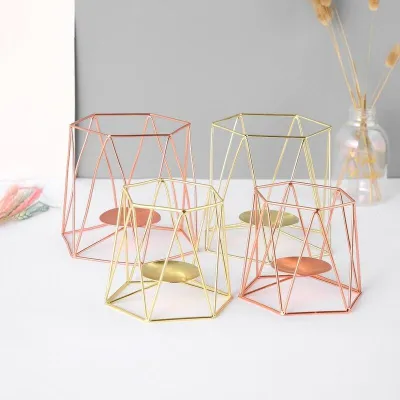
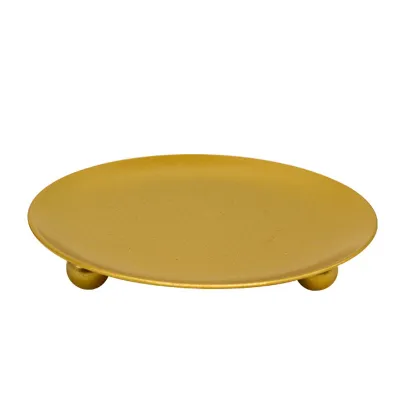
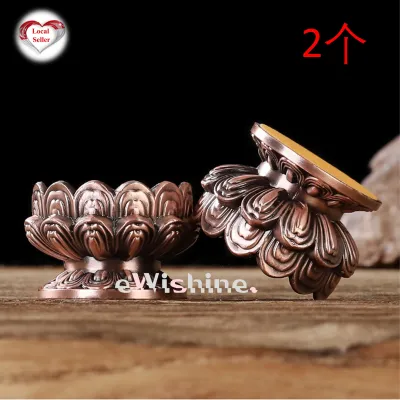
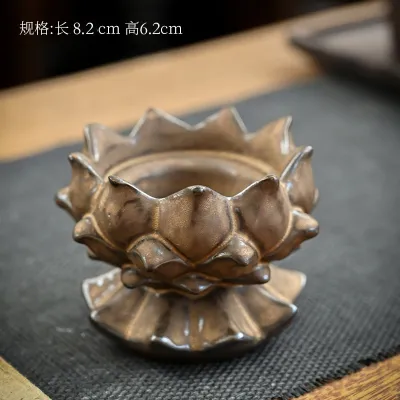
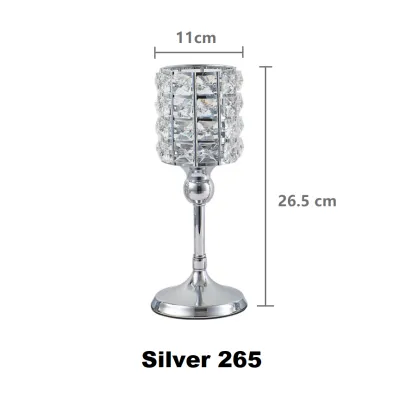
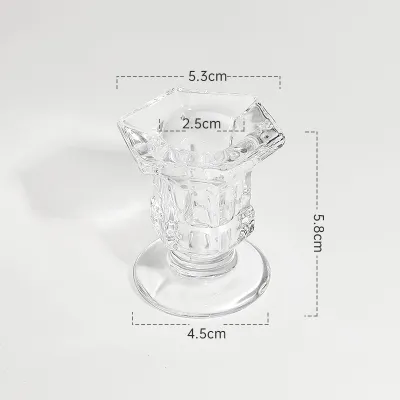
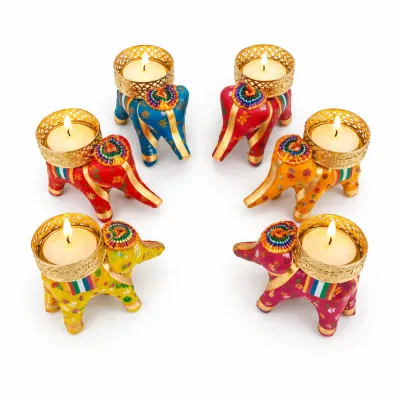

Prices are valid at publication and may change. Please refer to the product page for the latest price.
Finally, inspect the bottom of the jar for any unique base shapes, such as deep concave recesses, raised glass rims, or uneven decorative moldings. A perfectly flat stand might not support a jar with a highly contoured base securely, whereas a stand with a recessed well or a cushioned surface can accommodate these irregularities, preventing the candle from shifting or wobbling during use.
Match the Stand to Specific Brand Profiles
Different home fragrance brands utilize distinct vessel designs, which directly influence the type of stand structure and weight capacity you require. For standard cylindrical glass jars, such as those commonly found in classic single-wick collections, look for flat trays or plates equipped with non-slip padding or slightly raised outer lips. These features prevent the smooth glass base from sliding off the stand if the table is accidentally bumped. The raised lip should be just high enough to secure the jar without obscuring any beautiful label designs or glass detailing.

For heavy, wide-base multi-wick candles—such as the popular three-wick jars found at major bath and body retailers—you must verify the stand’s maximum weight limit and surface width. These candles have a much larger footprint and generate a significant amount of heat across a wider surface area. The stand must feature a broad, stable base that prevents any overhang. Overhanging glass can lead to uneven heat distribution and increases the risk of the jar tipping over if nudged.
Premium fragrance houses often present their scents in heavy, artisanal glass, ceramic, or concrete vessels that require specialized support. For these unique shapes, seek out stands with custom recesses, adjustable holders, or reinforced pedestals. A heavy ceramic vessel, for instance, benefits from a low-profile pedestal stand with a wide footprint, which balances the top-heavy nature of the thick-walled container. By matching the structural integrity of the stand to the specific physical profile of your preferred brand’s jars, you ensure a secure fit that preserves both the vessel and the supporting furniture.
Evaluate Material and Heat Resistance
Heat resistance is a paramount safety consideration when selecting any candle accessory. Scented candles generate substantial thermal energy, which transfers down through the wax and the bottom of the jar as the candle burns low. Before purchasing a stand, check the manufacturer’s label or product specifications for explicit heat-resistance indicators and material treatments. High-quality stands are typically constructed from dense, non-flammable materials such as treated metal, natural stone, thick ceramic, or tempered glass.
Inspect the bottom of the stand to ensure it features adequate thermal barriers or protective feet. Silicone pads, cork backings, or raised felt feet serve a dual purpose: they shield your delicate wooden tables or stone countertops from direct heat transfer and prevent scratches when moving the stand. In warm and humid climates, wooden furniture can be particularly sensitive to localized heat exposure, making these thermal barriers essential to prevent warping or discoloration of table finishes.
Avoid stands made from untreated flammable materials, low-grade plastics, or thin acrylics that may warp, discolor, or degrade under prolonged thermal exposure. Even if a plastic stand is marketed as decorative, it should never be used to support an active, burning candle. Always prioritize materials that can withstand continuous exposure to elevated temperatures without structural compromise.
Check Stability and Safety Features
A candle stand must provide uncompromising stability to prevent accidental tipping, wax spills, or fire hazards. When evaluating a stand, assess its center of gravity and base footprint. A stand with a wide, heavy base and a low center of gravity is inherently more stable than a tall, top-heavy pedestal. Gently touch the stand when it is empty to check for any wobble; if it sways or tilts easily, it is not suitable for supporting a heavy, hot glass jar filled with liquid wax.
Examine the edge designs of the stand’s platform. Features such as raised lips, deep wells, or recessed channels are highly effective at catching any dripping wax or condensation that might run down the side of the jar. This not only protects your furniture from stubborn wax stains but also simplifies cleanup.
Additionally, evaluate the overall height of the stand in relation to its placement context. Elevated stands raise the flame closer to eye level, which can enhance the visual appeal but also increases vulnerability to drafts. Ensure that the combined height of the stand and the candle does not position the open flame near breezy windows, air conditioning vents, curtains, or within the reach of pets and children. A stable, low-profile stand is generally the safest choice for high-traffic areas.
Style and Placement Considerations
Once safety and structural requirements are met, you can focus on how the stand integrates with your interior design and room layout. Choose between single-tier trays or tiered grouping stands based on your available surface area and visual goals. A single-tier tray is excellent for minimalist setups, such as a bedside table or a compact study desk, where space is limited. Tiered or grouping stands, on the other hand, allow you to create a curated focal point on a spacious living room console or dining table, combining candles of varying heights to add depth to the space.
Coordinate the stand’s finish and color with your candle labels and existing room textiles or hardware. For instance, a matte black metal stand complements modern, industrial interiors and dark candle labels, while a polished brass or warm marble stand pairs beautifully with classic, elegant decor and gold-accented vessels.
Plan your placement heights carefully to ensure the candle remains a visual highlight without obstructing sightlines. On a dining table, keep the stand and candle low enough so guests can easily converse across the table. On an entryway console, a slightly elevated pedestal stand can create a welcoming statement, drawing attention to the fragrance as soon as guests enter your home.
Frequently Asked Questions (FAQ)
Can I use a wooden candle stand for heavy jar candles?
Yes, but you must perform several safety checks first. Verify if the wood has been treated with a fire-retardant or heat-resistant coating by checking the product label or manufacturer specifications. It is highly recommended to ensure there is a thermal barrier, such as a metal plate, stone insert, or thick silicone pad, between the jar and the wood surface to prevent heat damage. Always monitor the burn closely, and avoid letting the candle burn down to the very bottom of the jar, as the intense heat at the base can scorch or crack untreated wood.
How do I clean wax residue off a metal candle stand?
To clean wax off a metal stand without damaging its finish, allow the wax to cool and harden completely first. You can place the stand in the freezer for a few minutes to shrink the wax, making it easier to pop off. Use a gentle, non-abrasive scraping tool, such as a plastic spatula or an old credit card, to lift the bulk of the residue. Wash the remaining film with warm, soapy water and a soft microfiber cloth. Avoid using abrasive scouring pads or harsh chemical solvents, which can strip protective coatings and lead to rust.
Do I need a specific stand for 3-wick candles?
Yes, 3-wick candles require a stand designed to handle their unique dimensions and weight. You must measure both the wide base diameter and the heavy overall weight of the jar to ensure a proper fit. Look for stands with wide, low-profile bases that distribute the weight evenly and prevent a top-heavy, unstable setup. Additionally, prioritize stands with deep catch basins or wide trays, as 3-wick candles create a large liquid wax pool and generate more heat, increasing the need for robust containment and thermal protection.

Community discussion
Share your experience or ask a question. Comments are reviewed before publication.