
Selecting the right flower vase involves balancing your home’s existing architectural lines, color palettes, and material textures. Rather than choosing a vase solely for its individual appeal, the most cohesive design outcomes occur when the vessel acts as a deliberate extension of the room’s established aesthetic. Whether your space leans toward the clean simplicity of Scandinavian design or the rugged textures of an industrial loft, matching your vase to your interior style creates a polished, intentional look.
To make an informed purchase, you must evaluate how the physical properties of a vase—such as its silhouette, material, and finish—interact with your surrounding furniture and lighting. This guide outlines how to audit your current interior style, identify key vase characteristics, and select the ideal vessel to complement your living space.
How to Identify Your Existing Home Interior Aesthetic
Before browsing for a new flower vase, take a systematic look at the room where you plan to display it. An easy way to audit your space is to observe the dominant lines of your furniture. Modern and minimalist spaces typically feature straight, sharp geometric lines and flat surfaces, whereas traditional or bohemian rooms often incorporate softer, curved edges and ornate details. Note the primary materials in the room, such as polished metal, light-toned oak, dark walnut, or exposed concrete, as these elements set the stylistic foundation.
Products mentioned in this guide
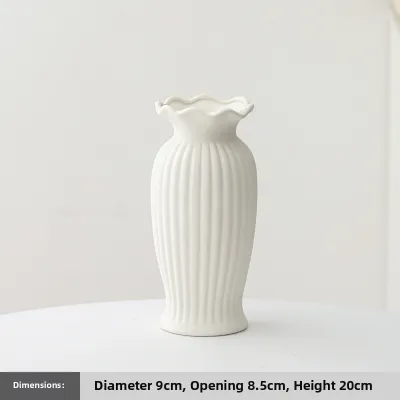
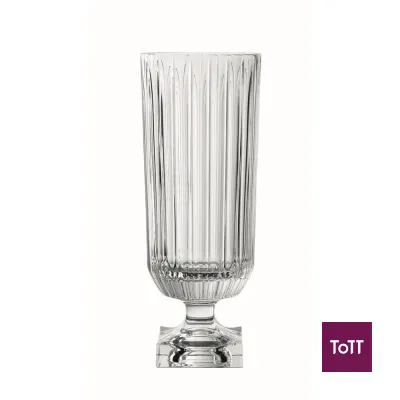
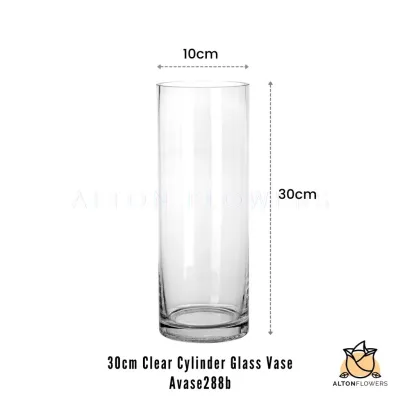
![[Local Stock] Elegant Transparent Glass Plant Flower Vase Pot](https://img.lazcdn.com/g/p/7bf4a85e45340c7fb55ec566cbed6128.jpg_400x400q80.jpg_.webp)
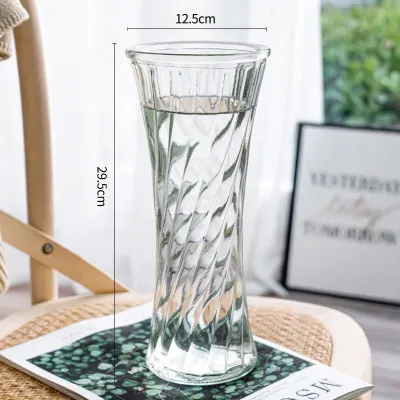
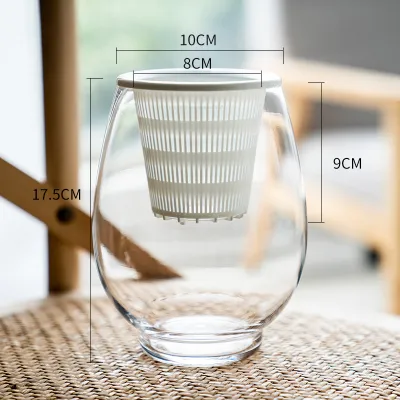
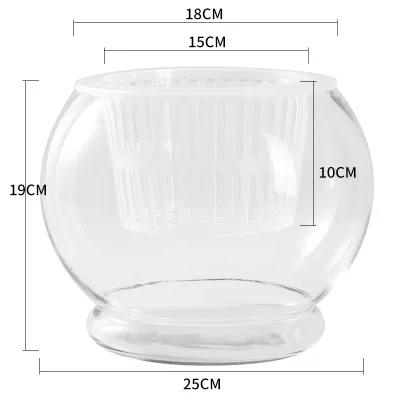
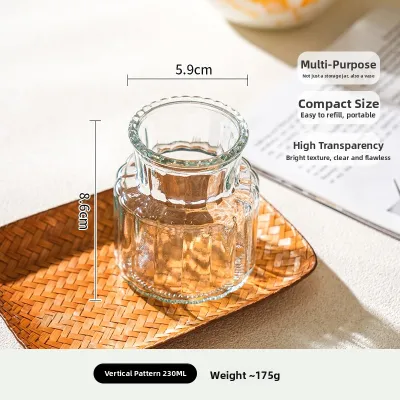
Prices are valid at publication and may change. Please refer to the product page for the latest price.
Color is another critical factor in your spatial audit. Identify the dominant color palette by looking at your walls, large rugs, and upholstery. Minimalist spaces often rely on a monochromatic or highly restricted neutral palette, while Scandinavian interiors introduce warm wood tones and soft, muted pastels. In contrast, bohemian and traditional spaces frequently embrace warmer earth tones or deep, saturated jewel colors.
It is also important to distinguish between closely related design styles to avoid buying a mismatched accessory. For example, while both minimalist and Scandinavian designs value simplicity, minimalism focuses on stark, clean lines and hidden storage, whereas Scandinavian style emphasizes cozy warmth, natural textures, and organic forms. Knowing where your room falls on this spectrum helps you choose a vase that reinforces, rather than disrupts, the existing atmosphere.
Finally, look at the “anchor pieces” in your room, such as a solid wood dining table, a structured linen sofa, or a stone-topped console. Because these large furniture items draw the eye first, any decorative accent placed on or near them must align with their visual weight and style. A delicate, highly ornate crystal vase may look out of place on a heavy, raw-edge wooden table, whereas a matte ceramic vessel would feel perfectly balanced.
Key Vase Attributes That Define Interior Styles
To choose a flower vase that fits your home, you must look past generic marketing labels and analyze the physical attributes of the product. Manufacturers often label items with broad style terms that may not match your specific interpretation of a design. By evaluating three core physical characteristics—material, shape, and color—you can accurately predict how a vase will look in your home.

Material and Texture The material of a vase determines its tactile and visual weight within a room. Matte ceramics and unglazed stoneware offer a rustic, artisanal feel that brings warmth and texture to flat surfaces. Raw concrete and brushed metals convey a sense of structural permanence and industrial utility, making them ideal for modern settings. Clear, polished glass or delicate porcelain provides a sense of lightness and transparency, allowing light to pass through and preventing a small tabletop from feeling cluttered.
Shape and Silhouette The silhouette of a vase influences the energy of a room. Sharp geometric shapes, such as perfect cylinders, cubes, and sharp-angled polygons, create a sense of order, structure, and contemporary sophistication. Conversely, organic, asymmetrical curves, bulbous bases, and hand-thrown shapes evoke a relaxed, natural, and comfortable mood. The shape you choose should either mirror the dominant lines of your furniture or serve as a deliberate, contrasting statement piece.
Color and Finish The finish of a vase dictates how it interacts with the light in your home. High-gloss, metallic, or mirrored finishes reflect light, drawing immediate attention and adding a sense of luxury or modern polish. Matte, satin, or powdery finishes absorb light, offering a subtle, understated elegance that blends seamlessly into the background. Neutral tones like beige, charcoal, and off-white provide maximum versatility, while vibrant or deeply saturated colors turn the vase into a distinct focal point.
When shopping online or in-store, always review the product specifications, material details, and close-up images. Pay attention to the texture of the glaze and the precision of the edges rather than relying on the product title. This ensures the physical reality of the vase matches the design requirements of your space.
Style-Specific Vase Pairings for Popular Aesthetics
Matching your vase to your specific interior design style simplifies the buying process and ensures a cohesive look. Below are practical guidelines for pairing flower vases with four of the most common home aesthetics.
Minimalist and Scandinavian
Minimalist and Scandinavian interiors prioritize light, simplicity, and functionality. To maintain these clean, uncluttered environments, choose vases with simple silhouettes, such as slender cylinders, gentle teardrops, or basic spherical shapes.
- Materials: Clear glass, matte white ceramic, light-toned stoneware, or vessels with subtle light-wood bases.
- Finishes: Matte, satin, or completely transparent finishes that do not compete with natural light.
- Avoid: Ornate patterns, heavy gold filigree, complex multi-colored glazes, or bulky, visually dense shapes.
These choices ensure that the vessel contributes to the calm, airy feel of the room without adding unnecessary visual noise.
Industrial and Modern
Industrial and modern spaces celebrate structure, raw materials, and architectural forms. Vases in these environments should feature bold geometric shapes, sharp angles, and strong, defined silhouettes that complement exposed brick, concrete, or metal fixtures.
- Materials: Brushed steel, matte black iron, cast concrete, tinted or smoked glass, and dark, textured charcoal ceramics.
- Finishes: Matte, oxidized, or subtly metallic finishes that highlight the raw quality of the material.
- Styling Tip: Use the structural lines of a modern metal vase to contrast with soft, organic floral arrangements, which helps soften the hard edges of industrial decor.
Selecting materials with a tactile, slightly rugged surface prevents modern spaces from feeling sterile.
Traditional and Classic
Traditional and classic interiors rely on symmetry, refined elegance, and historical design cues. Vases for these spaces should feature timeless, balanced proportions and sophisticated details that align with rich wood furniture and classic architectural moldings.
- Materials: Fine glazed porcelain, heavy cut crystal, polished brass, and smooth, high-quality ceramics.
- Silhouettes: Symmetrical urns, classic ginger jars, fluted trumpet shapes, and gently tapered necks.
- Details: Subtle hand-painted patterns, delicate floral motifs, or fine metallic rim accents (such as gold or silver leaf).
These classic vessels ground the room’s decor, offering a sense of heritage and formal balance.
Bohemian and Eclectic
Bohemian and eclectic spaces are defined by their relaxed, layered, and globally inspired character. Here, you have the freedom to embrace irregular, hand-crafted, and highly textured vases that showcase individuality and warmth.
- Materials: Terracotta, raw clay, woven rattan, seagrass sleeves, and recycled bubble glass.
- Silhouettes: Asymmetrical, hand-thrown, bulbous, or multi-necked bud vases that look unique from every angle.
- Color Palette: Warm earth tones, rich ochre, terracotta red, deep olive green, or vibrant, contrasting glazes.
Displaying a collection of mixed-material vases of varying heights creates an inviting, collected-over-time look that defines the bohemian aesthetic.
Adjusting Scale and Proportion for Your Space
Choosing a vase style that matches your aesthetic is only half the battle; you must also select the correct physical dimensions for your specific display location. In Singapore’s typical residential layouts, such as HDB flats and condominiums, spatial efficiency is key. A vase that is too large can overwhelm a compact console table, while a vase that is too small will look lost and insignificant.
When selecting a vase, consider the relationship between the height of the vessel and the stems you plan to display. As a general rule of thumb, the vase should make up approximately one-third to one-half of the total height of your floral arrangement. Tall, slender cylinder vases are ideal for long-stemmed flowers like lilies or eucalyptus branches, as they keep the stems upright. Conversely, wide-mouthed bowls or low, bulbous vases are better suited for short, heavy blooms like hydrangeas or roses, which need a wider base of support to prevent crowding.
You must also distinguish between tabletop and floor vases to maintain clear walkways and functional surfaces. Tabletop vases placed on dining tables, coffee tables, or entry consoles should not obstruct sightlines or daily movement. For dining tables, keep the combined height of the vase and flowers below eye level (typically under 30 centimeters) to allow easy conversation across the table. Floor vases, which work beautifully in empty corners or beside TV consoles, should stand at least 50 to 80 centimeters tall to establish a presence. Ensure floor vases are heavy enough or weighted at the bottom to prevent them from being accidentally knocked over by foot traffic or pets.
In compact homes, use visual weight to manage tight spaces. If you are styling a narrow floating shelf or a small study desk, select vases made of clear, thin glass or those with slender, open wire frames. These designs occupy minimal visual space, allowing light to pass through and preventing the area from feeling cramped. For heavier ceramic or stone vases, verify the load-bearing capacity of your shelves before installation. If you plan to install hanging planters or wall-mounted vases, always follow the manufacturer’s mounting instructions, use appropriate wall anchors, and consult a professional installer if you are drilling into concrete walls or suspended ceilings to ensure safety.
Final Buying Checks and Common Styling Mistakes
Before finalizing your purchase, run through a few practical checks to ensure your chosen vase is both beautiful and functional. First, verify the watertight integrity of the material. Many trendy, artisanal ceramic vases are unglazed or made of porous terracotta, which can slowly weep moisture onto your wooden tabletops or veneered shelves, causing permanent water damage. If you fall in love with a porous decorative vessel, always check the product description to see if it is rated as watertight; if it is not, plan to use a plastic or glass inner liner, or reserve it strictly for dried botanical arrangements.
Another common error is creating a cluttered focal point by placing too many competing vase styles on a single surface. While grouping vases can look highly stylish, mixing a glossy modern ceramic vase, a rustic terracotta pot, and a cut-crystal urn on the same sideboard creates visual chaos. Instead, stick to a single unifying theme. If you want to display multiple vases together, group them by a shared element—such as three matte ceramic vases in different heights and shapes, or three clear glass vessels in varying silhouettes. This approach creates a curated, intentional display rather than an accidental collection of clutter.
Finally, always check the physical weight and base stability of the vase. A top-heavy vase with a very narrow base is highly prone to tipping over once filled with water and heavy floral stems. Look for vases with a flat, broad base and a low center of gravity, especially if you plan to style them with tall, woody branches. If you are placing a heavy glass or stone vase on a delicate glass tabletop, consider adding small felt pads to the underside of the vase base to prevent accidental scratches and damp dampness.
Frequently Asked Questions (FAQ)
Can I mix different vase styles in the same room?
Yes, you can successfully mix different vase styles in the same room if you establish a unifying visual thread. To prevent the space from looking chaotic, tie the disparate styles together using a consistent color palette, a shared material family, or similar textures. For example, you can pair a modern geometric ceramic vase with a curved, organic ceramic piece if both feature a similar matte white finish. Avoid mixing too many highly ornate, visually heavy, or contrasting styles in a single room, as this can dilute the design identity of your space.
Does the vase color need to match the wall color exactly?
No, your flower vase color does not need to match your wall color exactly. In fact, an exact match can often cause the vase to disappear entirely into the background, losing its decorative value. Instead, choose between two color strategies: blending or contrasting. To blend, select a vase that is a few shades lighter or darker than your wall color, or choose a complementary neutral tone that softly harmonizes with the room. To contrast, select a bold, saturated color that stands out against your wall, turning the vase into a striking focal point that draws the eye.

Community discussion
Share your experience or ask a question. Comments are reviewed before publication.