
Creating a warm, inviting living room atmosphere with a Nordic floor lamp requires balancing soft light diffusion, natural materials, and proper spatial placement. In Singapore’s urban apartments, where concrete walls and bright daylight dominate, the right floor lamp acts as a visual anchor that softens the environment during the evening. It is not merely about choosing a stylish fixture; it is about understanding how light interacts with your living space to foster a sense of comfort and relaxation. By selecting a lamp that harmonizes with your existing decor and provides the right quality of light, you can transform a sterile room into a cozy sanctuary.
Defining the Nordic Aesthetic for a Cozy Living Room
The Nordic design philosophy is deeply rooted in simplicity, functionality, and a connection to nature. When applied to lighting, this aesthetic translates into clean lines, organic shapes, and materials that bring a sense of the outdoors inside. Minimalist structures made from light-toned woods like oak, ash, or beech are common, often paired with matte metals such as powder-coated steel or brushed brass. These materials do not just look appealing; they introduce tactile warmth and texture to a room, even when the lamp is switched off during the day. The juxtaposition of cool metal and warm wood creates a balanced visual interest that defines modern Scandinavian interiors.
At the heart of any cozy Nordic living room is the concept of hygge—a Danish term that encapsulates coziness, contentment, and well-being. Achieving this feeling relies heavily on the color temperature of your lighting. Cool, bright white lights can make a home feel clinical and sterile, reminiscent of an office space. In contrast, warm color temperatures, typically ranging from 2700K to 3000K, mimic the gentle glow of sunset or candlelight. This warm illumination signals to the brain that it is time to wind down, helping you relax after a long day. In Singapore’s tropical climate, where air conditioning is frequently running, this warm visual glow provides a psychological sense of comfort and shelter.
Products mentioned in this guide
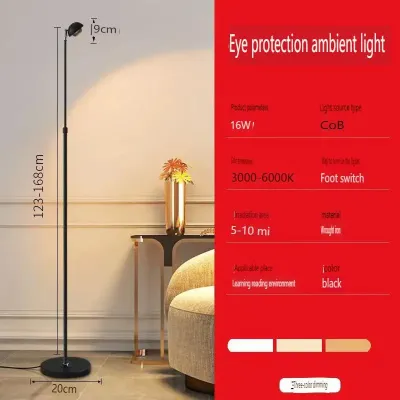
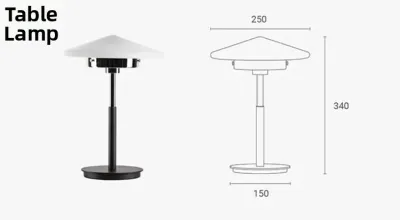
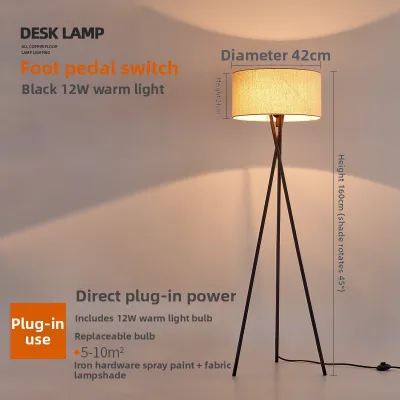
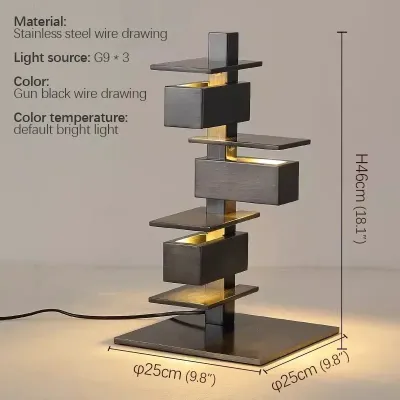
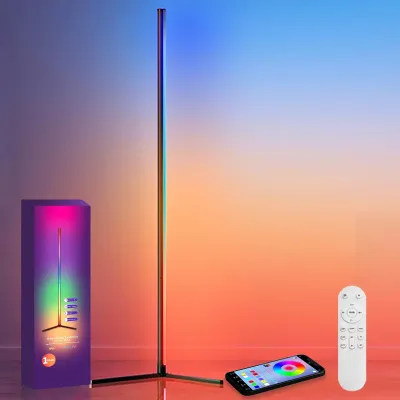
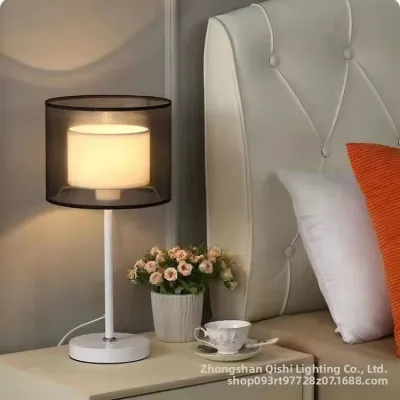
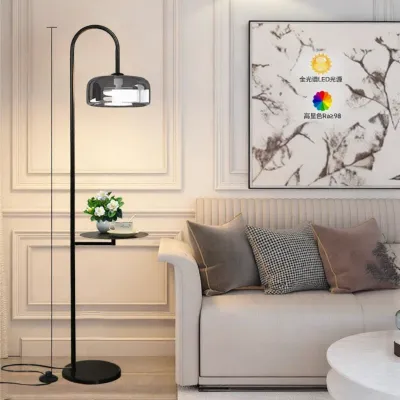
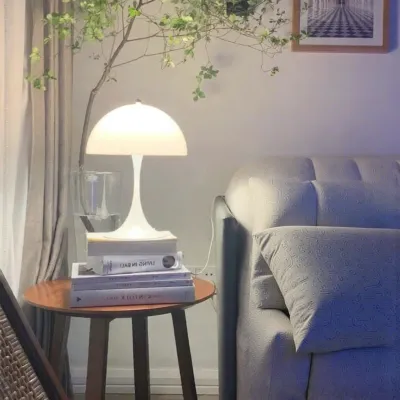
Prices are valid at publication and may change. Please refer to the product page for the latest price.
Another essential aspect of Nordic lighting is the balance between ambient and task lighting. A single, bright overhead light source often flattens a room and creates harsh shadows. Nordic interiors instead rely on multiple, lower-intensity light sources scattered throughout the space. A well-chosen floor lamp plays a pivotal role in this strategy, offering localized illumination that can serve as a reading light next to an armchair or a soft background glow that fills an empty corner. By layering your light sources, you create depth and a more dynamic, inviting atmosphere that can be adjusted depending on whether you are hosting guests or winding down for sleep.
Key Features to Look for in a Nordic Floor Lamp
When shopping for a Nordic floor lamp, the material of the lampshade is one of the most critical factors governing how light is dispersed. Fabric shades, particularly those made from linen or cotton, are excellent for creating a soft, ambient glow. The weave of the fabric gently diffuses the light, preventing harsh glare while casting a warm, textured pattern onto surrounding surfaces. Frosted glass shades offer a more modern, clean look, distributing light evenly in all directions without exposing the bare bulb. For a highly organic, sculptural feel, paper shades—often associated with the fusion of Japanese and Scandinavian design, known as Japandi—provide a delicate, diffused light that feels incredibly soft and natural, though they require more careful maintenance.

Adjustability and control are equally important for tailoring the atmosphere to different times of day and activities. Look for floor lamps that feature built-in dimming capabilities, whether through a continuous rotary dimmer or a step-dimming switch. This allows you to transition seamlessly from a bright setting suitable for reading to a low, atmospheric glow perfect for watching a movie. Additionally, consider the placement of the switch. A foot-pedal switch located on the power cord is highly convenient for quick, hands-free operation, while an integrated switch on the lamp pole or shade offers easy access when seated. Some modern designs also feature touch-sensitive poles, allowing you to adjust brightness with a simple tap.
The physical structure of the lamp must also suit your living room’s layout and traffic patterns. A stable, heavy base is essential to prevent the lamp from tipping over, especially in homes with pets, children, or high foot traffic. Bases made from solid marble, cast iron, or heavy steel provide the necessary ballast. Furthermore, consider the lamp’s footprint. If your living room is compact, a slim, vertical post lamp or a tripod lamp with a narrow leg span will maximize floor space. Conversely, if you want to position the light over a coffee table or sectional sofa without installing ceiling fixtures, an adjustable arc lamp with a wide reach can be an excellent solution, provided you have the clearance.
How to Evaluate Lamp Brands and Design Authenticity
Navigating the market for Nordic lighting can be challenging, given the abundance of options ranging from high-end heritage design houses to budget-friendly mass-market alternatives. To make an informed decision, it helps to understand the distinction between heritage brands and contemporary minimalist designers. Heritage Nordic design houses often produce licensed, iconic mid-century modern fixtures designed by legendary architects. These pieces are treated as functional art, characterized by meticulous craftsmanship, premium materials, and timeless appeal. Contemporary brands, on the other hand, focus on modern interpretations of minimalist design, often incorporating integrated LED technology, sustainable manufacturing practices, and modular components.
When evaluating a brand, look closely at material transparency and build quality. Reputable manufacturers provide detailed specifications about the materials used in their products, such as the specific type of solid wood, the grade of metal, and the origin of the textiles. They also offer clear warranty terms and accessible after-sales support, which are strong indicators of a product’s durability and the brand’s commitment to quality. If a brand is vague about its materials or offers no warranty, it may be a sign of lower-quality construction, such as thin plastic components painted to look like metal, which might not withstand daily use.
Verifying design authenticity is also crucial if you want to invest in a piece that retains its value and structural integrity. The market is flooded with cheap replicas of classic Nordic designs. While these replicas may look similar in photos, they often use inferior materials, lack proper safety certifications, and suffer from poor stability or uneven light distribution. To ensure you are purchasing a genuine product, buy directly from official brand channels or authorized local retailers. Authorized dealers can provide documentation of authenticity and ensure that the product meets all local quality and safety standards, protecting your investment over the long term.
Electrical and Spatial Requirements for Singapore Homes
Before finalizing your purchase, you must ensure the floor lamp is compatible with the electrical standards and spatial characteristics of Singapore homes. Singapore operates on a standard mains voltage of 230V at a frequency of 50Hz. Many imported lamps, particularly those designed for North American markets (which use 110V), are not directly compatible without a transformer. Always verify that the lamp’s electrical specifications match local requirements to prevent short circuits, overheating, or damage to the fixture. Additionally, the lamp should come equipped with a Type G (three-pin) plug, which is the standard plug type used in Singapore, ensuring a secure and grounded connection.
Safety is paramount when introducing any electrical appliance into your home. Look for products that carry recognized safety certification labels, such as the Enterprise Singapore Safety Mark. This mark indicates that the product, or its critical components like the plug and adapter, has been tested by an accredited laboratory and found to comply with local safety standards. Purchasing certified products significantly reduces the risk of electrical fires or shocks, providing peace of mind for you and your family. If you are importing a lamp directly from overseas, you may need to have a qualified electrician inspect the wiring or replace the plug to ensure it meets local safety regulations.
Spatial constraints are another vital consideration, especially in HDB flats and modern condominiums where space and ceiling heights may be limited. Standard ceiling heights in Singapore residential properties typically range from 2.6 to 2.8 meters. A floor lamp that is excessively tall can make the ceiling feel lower and visually crowd the room. For most living rooms, a lamp height between 1.5 and 1.8 meters is ideal, as it aligns well with standard seating heights and does not dominate the vertical space. If you choose an arc lamp, ensure the curve of the arm leaves sufficient clearance for people to walk underneath without bumping their heads, and that the base can be tucked securely behind or beside furniture to maintain a smooth traffic flow.
Placement Tips for Layering Warm Light
The placement of your floor lamp plays a decisive role in how effectively it warms up your living room. One of the most effective techniques is corner placement. Positioning a floor lamp in a dark, underutilized corner helps eliminate shadows that can make a room feel smaller and colder. The light emitted from the lamp bounces off the adjacent walls, creating a soft, indirect glow that visually expands the space while adding a layer of warmth. This technique works particularly well with lamps that have semi-translucent shades or upward-facing diffusers, as they wash the walls with gentle illumination.
To create a truly cozy atmosphere, you should avoid relying on the floor lamp as the sole light source. Instead, use it to layer light at different heights throughout the room. Pair your floor lamp with lower-level light sources, such as a small table lamp on a sideboard, a low-wattage reading light next to your favorite chair, or subtle wall sconces. By turning off harsh overhead ceiling lights and relying on this combination of mid-level and low-level lighting, you can create a warm, intimate ambiance that is perfect for relaxing, socializing, or winding down in the evening. This layered approach also allows you to customize the lighting levels based on the time of day or your mood.
When positioning your lamp, be mindful of potential glare and reflections. Placing a lamp directly opposite a television screen or a large mirror can cause distracting reflections that disrupt your viewing experience or create uncomfortable bright spots. Position the lamp slightly to the side or behind your seating area to ensure the light source remains out of your direct line of sight. If your lamp features an exposed bulb, ensure it is positioned at a height where the filament is shielded from view when you are sitting down, preventing direct glare from straining your eyes and disrupting the relaxing atmosphere.
Frequently Asked Questions (FAQ)
How do I clean fabric or paper lampshades safely?
Cleaning delicate shade materials requires a gentle touch to avoid tearing, staining, or warping the fibers. For regular dust removal, use a soft-bristled brush, a clean microfiber cloth, or a lint roller to gently sweep away loose particles. Alternatively, you can use a vacuum cleaner fitted with a soft brush attachment on its lowest suction setting, holding the shade securely to prevent damage. Avoid using water, liquid cleaners, or harsh chemical sprays on unsealed paper or natural fabric shades, as moisture can cause water spots, color bleeding, or structural weakening. If you encounter stubborn stains, it is best to stop and consult the manufacturer’s specific care instructions to avoid ruining the shade.
Are smart bulbs compatible with minimalist floor lamps?
Yes, most minimalist floor lamps can be integrated with smart bulbs, provided you check a few compatibility requirements first. Start by verifying the lamp’s maximum wattage rating and socket type (such as E27 or E14) to ensure the smart bulb fits and operates safely within those limits. If your floor lamp features a built-in physical dimmer switch, standard smart bulbs may flicker or buzz; in this case, you should use a non-dimmable lamp fixture or ensure the smart bulb is compatible with external dimmers. Once installed, you can use the smart bulb’s companion app to adjust the color temperature, keeping it within the warm 2700K to 3000K range to preserve the cozy Nordic aesthetic while enjoying the convenience of automation and voice control.

Community discussion
Share your experience or ask a question. Comments are reviewed before publication.