
Selecting the perfect plant vase is more than just finding a container to hold water and soil; it is about establishing a harmonious visual dialogue between your indoor greenery and your home’s architectural style. The right vessel acts as a design anchor, seamlessly bridging the organic, unpredictable forms of nature with the structured lines of your living space. To choose a plant vase style that elevates your interior, you must look beyond the shelf appeal of an individual item and evaluate how its form, material, and texture interact with your existing decor. By analyzing your room’s dominant design elements, you can select a vase that either blends effortlessly into the background or stands out as a sophisticated focal point.
Diagnose Your Current Interior Aesthetic
Before browsing local home decor boutiques or online marketplaces, take a step back and analyze the visual language of the room where your plant vase will reside. Start by identifying the dominant lines and shapes of your furniture. If your space features sharp angles, clean-lined sofas, and geometric shelving, it leans toward a structured, modern, or minimalist aesthetic. Conversely, if your furniture boasts soft curves, rounded edges, and organic silhouettes, your space is more aligned with transitional, bohemian, or classic design styles. Matching or intentionally contrasting these shapes with your vase selection is the first step toward a cohesive look.
Next, evaluate your room’s color palette. Note the primary wall colors, large furniture upholstery, and prominent accent tones. A room dominated by soft neutrals, such as beige, cream, and light wood, benefits from a plant vase that either maintains this calm, low-contrast palette or introduces a singular, deliberate pop of color. If your room already features bold accent walls or vibrant textiles, a neutral, understated vase will prevent the space from feeling visually chaotic.
Products mentioned in this guide
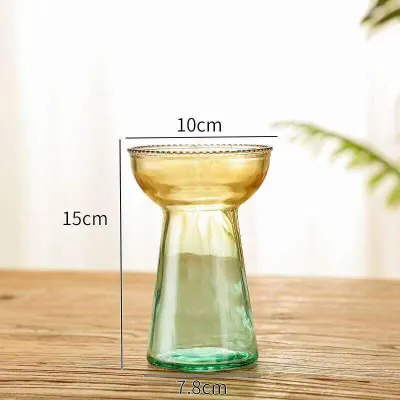
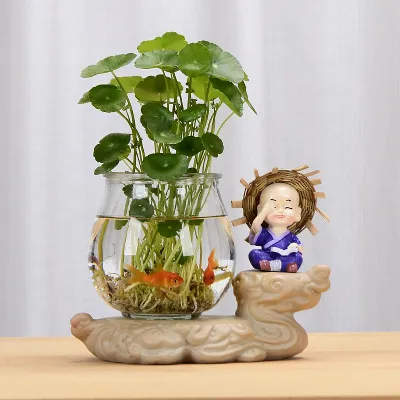
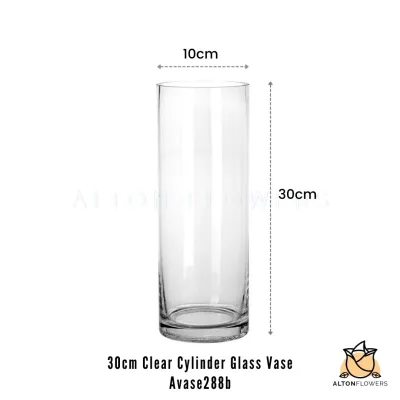
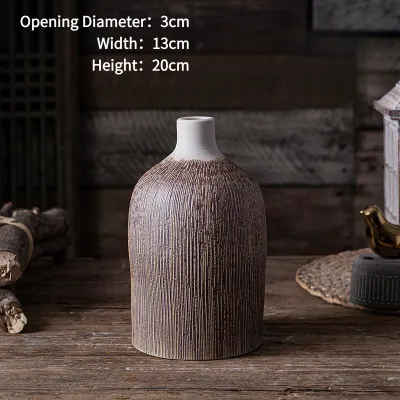
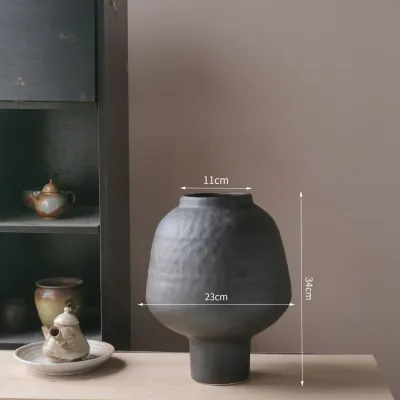
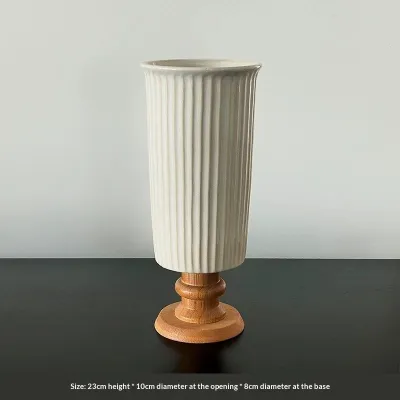
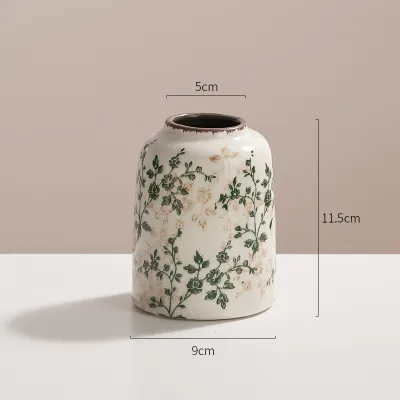
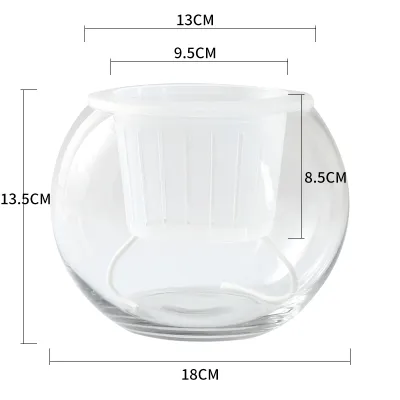
Prices are valid at publication and may change. Please refer to the product page for the latest price.
Finally, observe the existing textures in your space. Take note of the materials used in your rugs, curtains, cushions, and tabletop surfaces. A room filled with matte fabrics, raw wood, and flat-painted walls often needs a touch of contrast, which can be introduced through a glossy, glazed ceramic or polished glass plant vase that catches and reflects light. On the other hand, if your room is dominated by sleek, reflective surfaces like polished marble, metal fixtures, and glass tabletops, a matte, unglazed clay or concrete vase will add essential depth and a grounding, tactile quality.
Match Plant Vase Styles to Your Identified Decor
Once you have diagnosed your interior’s baseline aesthetic, you can pair it with a complementary plant vase style. Different design movements favor specific materials, finishes, and silhouettes that reinforce their overall atmosphere.

Minimalist and Scandinavian Interiors
Minimalist and Scandinavian designs prioritize simplicity, functionality, and an abundance of natural light. To complement this clean and airy aesthetic, choose a plant vase with simple geometric shapes, such as perfect cylinders, spheres, or soft, tapered cones. Stick to a neutral color palette featuring chalky whites, warm creams, soft greys, and muted earth tones.
The ideal materials for these spaces are unglazed ceramics, matte-finished stoneware, and smooth, light-colored concrete. These materials offer a subtle, tactile texture without introducing unnecessary visual noise. A simple matte white ceramic cylinder holding a single monstera leaf or a bunch of dried eucalyptus leaves perfectly captures the “less is more” philosophy, allowing the natural beauty of the plant to remain the primary focus.
Rustic, Bohemian, and Farmhouse Spaces
If your home embraces the warmth of rustic, bohemian, or farmhouse styles, your decor relies heavily on natural materials, handcrafted details, and a cozy, lived-in feel. For these spaces, look for plant vases that exhibit organic shapes, slight imperfections, and rich, earthy textures.
Terracotta pots, textured clay vessels, and hand-thrown ceramic vases with visible brushstrokes or speckled glazes are excellent choices. You can also utilize woven seagrass or rattan baskets as decorative outer covers (cachepots) for your plants to introduce warmth and natural fiber textures. These styles celebrate imperfection and pair beautifully with lush, wild plants like ferns, trailing pothos, or cascading string of pearls, enhancing the relaxed, nature-inspired vibe of the room.
Modern and Industrial Environments
Modern and industrial spaces are characterized by sleek surfaces, raw architectural elements, and bold, high-contrast designs. To make an impact in these settings, choose plant vases with strong, architectural silhouettes, sharp angles, or dramatic, oversized proportions.
Materials such as tinted glass, brushed metal (like brass, copper, or matte black steel), and polished concrete fit seamlessly into these settings. A smokey-grey glass vase or a brushed brass container provides a striking contrast against industrial elements like exposed brick walls, concrete screed floors, or matte black metal fixtures. These materials reflect the contemporary nature of the space while adding a sophisticated, polished edge to your indoor jungle.
Evaluate Spatial Proportions and Plant Requirements
While aesthetic alignment is vital, a plant vase must also function effectively within your physical space and support the health of your greenery. In typical Singaporean homes, such as compact HDB apartments or cozy condominiums, spatial scale is a critical consideration. An oversized floor vase can easily overwhelm a narrow entryway or crowd a small living room, making the space feel cramped. Measure your tabletop, shelf, or floor area before purchasing, and ensure the vase’s height and width leave comfortable breathing room around it. For tight spaces, consider utilizing slender pedestal stands or wall-mounted vessels to draw the eye upward and save valuable floor space.
You must also match the structural design of the vase to the growth habit of your chosen plant. Tall, top-heavy plants like fiddle-leaf figs, snake plants, or indoor palms require a wide, heavy-bottomed vase made of solid ceramic, terracotta, or stone to prevent tipping. On the flip side, trailing or cascading plants like English ivy or heartleaf philodendron look best when placed in elevated pedestal vases, hanging planters, or tall, slender vessels that allow their vines to drape elegantly. If you choose a hanging style, always verify the maximum weight capacity of your ceiling hooks and anchors to prevent structural damage or accidents.
Additionally, prioritize drainage and material safety to protect your home’s surfaces. Most highly decorative plant vases do not feature drainage holes, meaning they are designed to be used as “cachepots.” This method involves keeping your plant in its plastic nursery pot and placing it inside the decorative outer vase. When watering, always remove the inner plastic pot, let the excess water drain completely in the sink, and then return it to the decorative vase. If you choose to plant directly into a vase with a drainage hole, always check the manufacturer’s care instructions for your furniture. To protect wooden tables or sideboards from condensation or water leaks, always use a waterproof liner, saucer, or protective coaster underneath your decorative plant vase.
Coordinate Materials and Textures with Your Space
To truly refine your plant styling, consider how different vase materials interact with the ambient lighting and surrounding surfaces of your room. The play of light on a vessel can dramatically alter the mood of a space.
Glossy surfaces, such as glazed ceramic, polished porcelain, and clear or colored glass, act as mirrors for natural light. Placing a glossy or translucent glass plant vase near a window allows it to catch the sunlight, casting beautiful reflections and brightening up darker corners or narrow corridors. This makes glossy materials highly effective in smaller rooms where you want to maximize the perception of light and openness. Conversely, matte, unglazed, or rough stone textures absorb light rather than reflecting it. These materials create a grounded, serene, and calming effect, making them ideal for bedrooms or quiet study areas where you want to foster relaxation.
Consider also the concept of visual weight. Heavy, solid materials like marble, thick-walled stoneware, and cast concrete have a high visual mass. They draw the eye downward and act as excellent anchors for large, open floor spaces or empty corners. On the other hand, lightweight materials like thin-gauge metal, wirework, or clear glass have low visual mass. They are perfect for styling crowded bookshelves, delicate glass tables, or floating shelves because they allow light to pass through, preventing the display from looking cluttered or top-heavy.
Troubleshoot Common Vase Styling Mistakes
Even with beautiful items, styling missteps can make a space feel disorganized. Use this quick troubleshooting guide to diagnose and correct common plant vase pairing errors.
Mistake 1: Clashing focal points. If your room already features busy patterned wallpaper, colorful artwork, or highly detailed decor, placing an ornate, multi-colored, or intricately patterned plant vase in the center can create visual chaos. The vase and the room’s existing elements will compete for attention. The Fix: Switch to a solid, neutral-toned matte ceramic or simple clear glass vase. This allows the organic shape and green foliage of the plant to act as a soft, calming visual rest against the busy background.
Mistake 2: Ignoring the plant’s visual weight. Pairing a large, leafy, dramatic plant like a monstera or a bird of paradise with a delicate, narrow-necked, or lightweight glass vase looks unstable and visually unbalanced. The top-heavy plant makes the base look inadequate. The Fix: Match the visual mass of the plant with a substantial, wide-mouthed vase. Choose thick stoneware, heavy terracotta, or concrete vessels that physically and visually anchor the large foliage.
Mistake 3: Over-matching. Placing a white ceramic vase on a white painted sideboard against a white wall makes the entire arrangement blend together, rendering your beautiful plant and vessel virtually invisible and flat. The Fix: Introduce subtle contrast in either color, texture, or shape. If you want to keep a monochromatic white theme, choose a white vase with a highly textured, ribbed, or rough unglazed surface to catch shadows. Alternatively, opt for a contrasting charcoal, terracotta, or warm wood-toned vase to break up the flat plane and add depth to the room.
Frequently Asked Questions (FAQ)
Can I mix different plant vase styles in the same room?
Yes, you can successfully mix different plant vase styles in the same room by establishing a unifying element to tie them together. To prevent visual clutter, ensure your varied vases share at least one common characteristic, such as a consistent color palette (e.g., all earth tones), a single material family (e.g., all ceramics), or a repeating geometric shape. This creates a curated, eclectic look that feels intentional rather than accidental.
How do I transition my plant vases when I change my room decor?
Transitioning your plant vases to a new home aesthetic does not require buying an entirely new collection. Invest in highly versatile, neutral bases—such as simple white ceramic cylinders or clear glass vessels—as your permanent core collection. When you update your room’s style, you can easily adapt these neutral vases by placing them inside decorative woven sleeves, wrapping them in textured fabrics, or simply swapping the surrounding accent pieces to match your new design theme.

Community discussion
Share your experience or ask a question. Comments are reviewed before publication.