
Selecting the right prayer oil lamp for your home altar in Singapore requires balancing spiritual tradition with the practical realities of modern apartment living. Whether you are setting up a new sacred space in a newly renovated HDB flat or upgrading an existing family shrine, the choices you make regarding materials, fuel, and placement directly impact both the atmosphere of your home and the safety of your household. A well-chosen lamp not only serves as a beautiful focal point for daily devotions but also ensures peace of mind through robust construction and stable performance.
In Singapore’s urban environment, where living spaces are compact and often fully air-conditioned or ventilated by ceiling fans, selecting altar decor involves unique considerations. Traditional open-flame lamps offer an authentic sensory connection to age-old rituals, while modern electronic alternatives provide unmatched safety for busy households. By evaluating your daily routine, spatial constraints, and safety requirements, you can find a prayer lamp that harmonizes beautifully with your home decor while honoring your spiritual practices.
Key Material and Design Features to Evaluate
The material of your prayer oil lamp determines its durability, ease of maintenance, and overall safety during extended burning sessions. Brass and copper are among the most traditional choices, highly favored for their weight, stability, and excellent heat resistance. These metals develop a rich, natural patina over time, which many practitioners appreciate as a sign of a well-used and blessed altar. If you prefer a bright, polished look, brass can be easily restored with specialized metal polishes, though this does require regular upkeep to prevent tarnishing.
Products mentioned in this guide
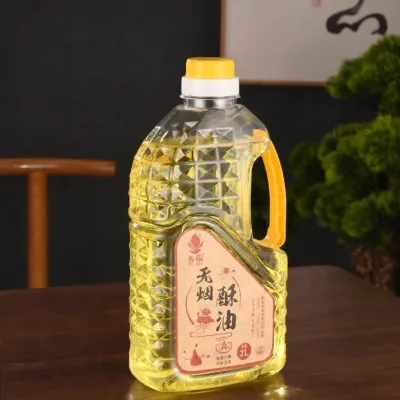
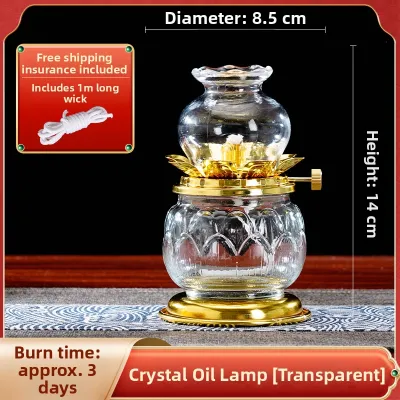
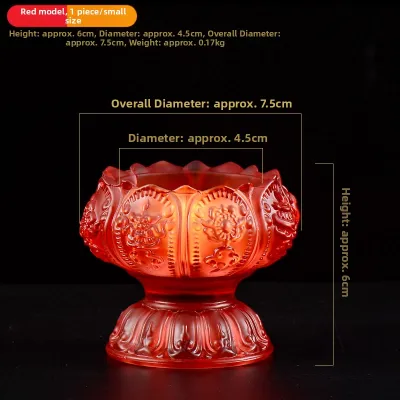
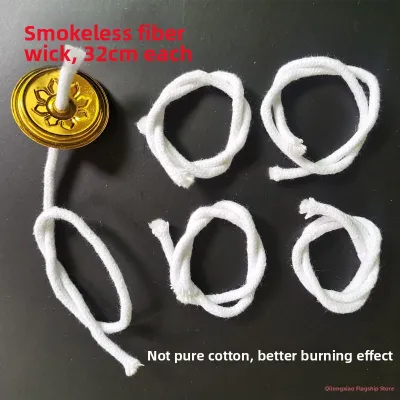
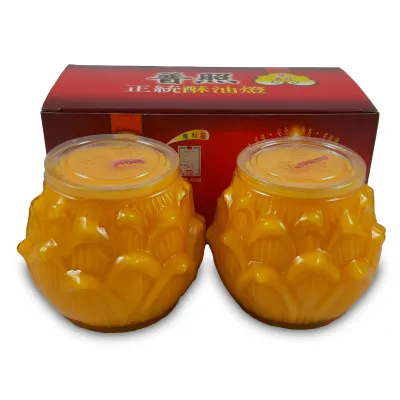
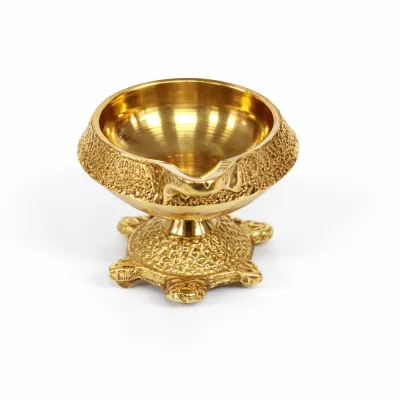
Prices are valid at publication and may change. Please refer to the product page for the latest price.
Ceramic and porcelain lamps offer a different aesthetic, often featuring intricate hand-painted motifs, sacred symbols, or elegant glazes that complement classic ceramic incense burners. Ceramic is highly heat-resistant and does not tarnish, making it incredibly easy to wipe clean of oil residue. However, ceramic is inherently fragile; a accidental knock during cleaning or refilling can cause it to chip or shatter, meaning it must be handled with steady hands and placed on a highly stable surface.
Glass lamps have grown significantly in popularity because they allow you to monitor the oil level at a glance. This transparency is highly practical, as it prevents the wick from dry-burning and producing unpleasant smoke when the fuel runs low. When choosing a glass lamp, it is crucial to verify that it is made from high-quality borosilicate glass, which is engineered to withstand rapid temperature changes without cracking. Standard glass can easily fail under the localized heat of a continuous flame, posing a severe safety risk.
Beyond the material, the capacity of the oil reservoir is a critical design feature to evaluate before purchasing. A larger reservoir allows for longer burn times, which is ideal if your rituals require the lamp to remain lit for several hours or throughout the day. However, larger reservoirs also take up a wider footprint on the altar shelf and hold a greater volume of flammable liquid. For compact altars, a smaller reservoir is often more appropriate, even if it requires more frequent refilling.
Finally, pay close attention to the wick holder mechanism and its adjustability. A high-quality wick holder should sit securely in the neck of the lamp without wobbling, preventing the wick from slipping down into the reservoir or tilting to one side. Adjustable wick holders, often featuring a small metal dial or screw mechanism, allow you to control the height of the exposed wick with precision. This control is essential for managing the flame size, minimizing soot production, and ensuring a steady, even burn.
Traditional Oil vs. Flameless LED Alternatives
Deciding between a traditional oil-burning lamp and a modern flameless LED alternative is one of the most important choices you will make for your home altar. Traditional oil lamps offer an irreplaceable sensory experience, characterized by the gentle warmth of a real flame, the soft crackle of the burning wick, and the mindful ritual of measuring and pouring the oil. For many, the act of preparing the lamp, trimming the wick, and striking the match is an integral part of their daily meditative practice, fostering a deep sense of mindfulness and connection.

Despite these traditional benefits, open flames present inherent risks, particularly in modern, high-rise apartments where space is premium. Flameless LED prayer lamps have emerged as a highly practical alternative, eliminating the risk of accidental fires, hot oil spills, and indoor air pollution. Modern LED lamps are designed to mimic the warm, gentle flicker of a real flame so convincingly that they blend seamlessly into traditional altar setups without looking out of place.
LED alternatives are exceptionally convenient for busy families, working professionals, or homes with young children and curious pets. They produce absolutely no soot, meaning your altar backdrop, ceiling, and nearby walls remain clean and free from dark discoloration over time. Furthermore, many high-quality LED lamps come equipped with automated timer functions, allowing them to turn on and off at designated times daily without requiring any manual intervention.
When choosing an LED prayer lamp, it is essential to verify its power source and electrical specifications to ensure compatibility with your home setup. If the lamp plugs directly into a wall outlet, check that the voltage matches Singapore’s standard 230V system and look for recognized safety certifications, such as the Safety Mark, to ensure the internal wiring is safe for continuous use. For battery-operated models, consider using rechargeable batteries to minimize waste, or look for units that offer a convenient USB power interface.
Ultimately, your choice should depend on your living situation and daily habits. If you have a dedicated, well-ventilated prayer room where the lamp can be closely monitored while lit, a traditional oil lamp remains a beautiful and authentic choice. However, if your altar is located in a high-traffic living room, near open windows with strong drafts, or in a household where the altar is left unattended for long periods, transitioning to a high-quality LED alternative is a highly responsible and safe decision.
Safety Clearances and Placement Guidelines
If you choose to burn traditional oil, establishing strict safety clearances around your home altar is paramount to preventing accidental fires. A burning lamp must always be treated as an active heat source that requires adequate physical isolation from combustible materials. Ensure there is a minimum vertical clearance of at least 50 centimeters above the flame, as rising heat can easily scorch or ignite low-hanging wooden frames, paper decorations, or decorative fabric hangings.
Horizontal clearances are equally critical, especially if your altar is positioned near windows or doorways where drafts are common. Keep the lamp at least 30 centimeters away from curtains, window blinds, and any lightweight decorative items that could blow into the flame. It is also wise to position the lamp toward the back or center of the altar shelf, well out of reach of passing sleeves, bags, or household pets that might brush against the edge of the platform.
To protect your altar furniture from heat damage and inevitable oil drips, always place the lamp on a stable, heat-resistant base. A dedicated tray made of polished stone, ceramic, or heavy metal serves as an excellent protective barrier. This tray not only catches any accidental spills during refilling but also dissipates the heat radiating from the bottom of the lamp, preventing the wood of your altar from warping, cracking, or developing unsightly heat rings.
Proper ventilation is another crucial factor when burning traditional oil indoors. While you want to avoid direct, harsh drafts from ceiling fans or air conditioning units—which can cause the flame to flicker wildly and produce excessive soot—you must ensure a steady, gentle flow of fresh air. Burning oil in a completely sealed, unventilated room can lead to a buildup of fine particulate matter and carbon monoxide, compromising your indoor air quality over time.
Sizing and Aesthetic Alignment for Your Altar
A home altar is a space of visual harmony and reverence, meaning every object placed upon it should be proportionally balanced. Before purchasing a prayer oil lamp, take precise measurements of your altar’s available depth, width, and height. A lamp that is too large can crowd the space, making it difficult to place incense holders, fruit offerings, or water cups, while a lamp that is too small may look insignificant and lost among larger statues.
Consider the height of the lamp in relation to your central deity statue or ancestral tablet. Traditionally, the flame of the lamp should not obstruct the face or central features of the deity; instead, it should sit lower, casting a warm, upward glow that illuminates the sacred figures respectfully. If your altar features a multi-tiered design, place the lamp on a lower tier where it can be easily reached for refilling and lighting without your hand passing dangerously close to other active flames or incense sticks.
Matching the finish and color palette of the lamp with your existing altar decor creates a cohesive, peaceful environment. If your altar is crafted from dark, rich woods like rosewood or teak, a polished brass or warm copper lamp provides a stunning, classic contrast. For modern, minimalist altars featuring light oak or white finishes, a clean ceramic lamp or a simple, clear borosilicate glass design can maintain a light, airy aesthetic without feeling visually heavy.
Pay attention to the visual weight of the lamp as well. A heavily ornamented, thick-walled brass lamp carries a lot of visual presence and pairs well with elaborate, traditional shrines. Conversely, a sleek, slender glass lamp has a lighter visual footprint, making it ideal for smaller, contemporary wall-mounted altars where space is limited and a clean, uncluttered look is desired.
Daily Maintenance and Upkeep Requirements
Maintaining your prayer oil lamp is not only a practical necessity for safety and performance but also a respectful extension of your daily devotional practice. For traditional oil lamps, the most frequent task is managing the wick. Before lighting the lamp each day, inspect the wick and use a pair of sharp scissors to trim away any charred, hardened ends. Keeping the wick trimmed to a short, clean edge ensures a smaller, more stable flame and significantly reduces the production of black soot.
When it comes to extinguishing the flame, never blow directly onto the lamp, as this can splash hot oil onto your face, hands, or the surrounding altar cloth. Instead, use a small metal candle snuffer, or gently use the adjustment dial to lower the wick until the flame goes out naturally. If your lamp uses a glass chimney to protect the flame, allow the glass to cool completely before touching it, as sudden temperature changes from damp cloths can cause hot glass to shatter.
Over time, glass chimneys will inevitably accumulate a thin layer of grey or black soot. To clean them safely, wash the cooled glass in warm, soapy water using a soft sponge; avoid abrasive scrubbing pads or harsh chemical cleaners that can scratch the surface. For brass or copper bases, a gentle wipe with a microfiber cloth after each use will prevent oil buildup, while a deeper polish with a dedicated metal care product every few months will keep the metal shining brilliantly.
Proper storage of your lamp oil is a critical safety practice that should never be overlooked. Always keep your fuel in its original, clearly labeled container, stored upright in a cool, dark cupboard away from direct sunlight and any potential heat sources. Never transfer lamp oil into unmarked plastic bottles or beverage containers, as this poses a severe poisoning hazard, particularly in households with young children or elderly family members.
Pre-Purchase Checklist and Sourcing Channels
Before making your final purchase, take a moment to run through a quick quality and compatibility checklist. Ensure the lamp’s base is perfectly flat and heavy enough to resist tipping over if the altar is accidentally bumped. Inspect the joints, seams, and wick holder threads for any signs of poor manufacturing, such as rough edges or loose fittings, which can lead to slow oil leaks or unstable flame control.
If you are buying a glass or ceramic lamp, examine the body closely under bright light to check for hairline cracks, air bubbles, or uneven glazing that could compromise its structural integrity under heat. For those opting for electronic models, double-check the power cord length, plug type, and safety certifications to ensure it can be safely integrated into your home’s electrical outlets without relying on overloaded extension cords.
When sourcing a high-quality prayer oil lamp in Singapore, visiting specialized religious goods stores in historic neighborhoods like Waterloo Street, Chinatown, or Geylang offers a valuable hands-on experience. Shopping in person allows you to feel the weight of the metal, test the smoothness of the wick adjustment dials, and visualize the lamp’s true proportions. Experienced local shopkeepers can also offer personalized advice on fuel compatibility and traditional placement rules.
If you prefer the convenience of online marketplaces, look for established local sellers with high ratings and positive customer reviews. When purchasing online, always verify the seller’s return and exchange policies so you can return the item if it arrives with shipping damage or manufacturing defects. Taking the time to select a well-made, safe, and beautiful lamp ensures that your daily rituals remain a source of peace, comfort, and spiritual connection for years to come.
Frequently Asked Questions (FAQ)
What type of oil is safest to use in a traditional prayer lamp?
For indoor home altars, the safest option is highly refined, smokeless, and odorless liquid paraffin oil or specialized mineral-based prayer oils. These fuels are specifically formulated to burn cleanly with minimal soot and no unpleasant odors, preserving your indoor air quality. Never use cooking oils, ghee, or unrefined fuels like kerosene in a modern prayer lamp, as they burn at unpredictable temperatures, produce heavy black smoke, clog the wick rapidly, and pose a significant fire hazard.
How often should I change the wick in my oil lamp?
You should replace the wick when it becomes heavily charred, stiff, or fails to draw oil efficiently, resulting in a weak, sputtering flame. Under normal daily use with clean paraffin oil, a cotton wick can last several weeks or even months if trimmed regularly. If you notice the flame flickering excessively, producing dark smoke, or if the wick has burned down too close to the holder to be adjusted, it is time to thread a fresh, clean wick into the lamp.
Can I leave a traditional oil lamp burning overnight?
It is strongly advised never to leave an open-flame traditional oil lamp burning overnight or unattended while household members are sleeping or away from home. Unattended flames present a severe fire risk, as unexpected drafts, falling decorative items, or active pets can easily cause a disaster. If your spiritual practice requires a continuous, uninterrupted light on your altar throughout the night, you should use a flameless LED prayer lamp equipped with a safe, low-voltage plug or battery timer.

Community discussion
Share your experience or ask a question. Comments are reviewed before publication.