
Selecting a crystal Buddha cup for a prayer altar is a meaningful process that combines spiritual devotion with practical home styling. In Buddhist traditions, water offerings represent purity, clarity, and the cultivation of a clean, undisturbed mind. Because these cups are handled daily during morning and evening rituals, choosing a high-quality vessel ensures that your offerings are presented with the utmost respect. A well-chosen crystal cup not only enhances the aesthetic beauty of your altar but also stands up to the physical demands of daily washing, filling, and handling.
To find a piece that truly elevates your sacred space, you must look beyond initial appearances. Evaluating the authenticity of the material, the stability of the base, the proportions relative to your other altar items, and the structural integrity of the crystal will help you make an informed decision. By focusing on these key quality indicators, you can select a beautiful, durable vessel that serves your spiritual practice for years to come.
Evaluating Crystal Clarity and Material Quality
When shopping for a crystal Buddha cup, the first step is to understand the material itself. Genuine crystal is highly valued for its ability to refract light, creating a bright, luminous presence on the altar. However, the market offers various materials, including natural quartz, high-quality lead-free crystal glass, standard glass, and synthetic alternatives like acrylic or resin. Knowing how to distinguish between these options is essential for finding a piece that aligns with your expectations.
Products mentioned in this guide
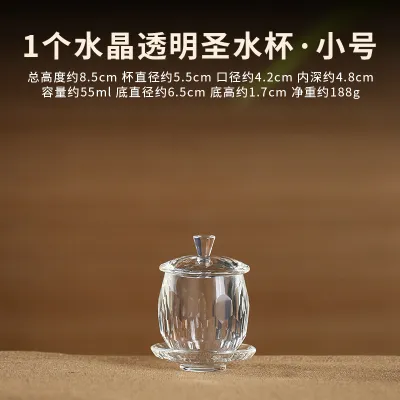


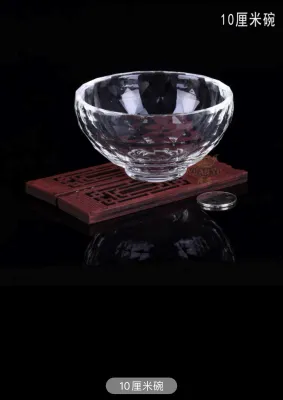
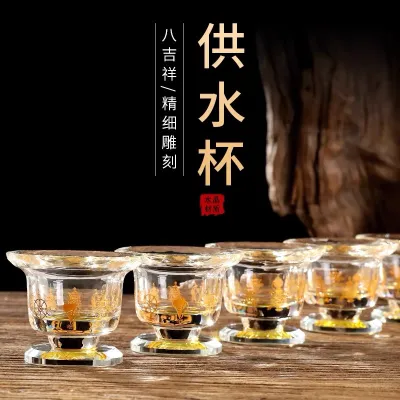
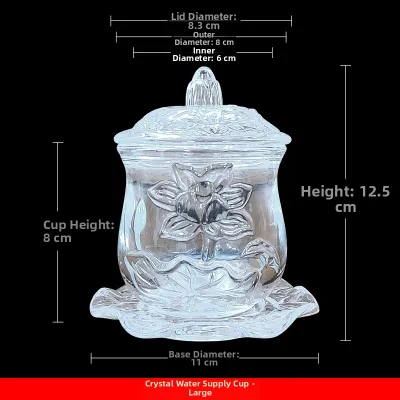
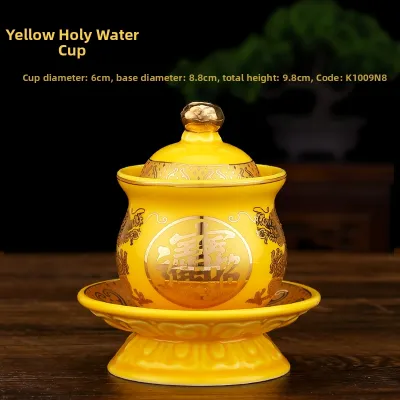
Prices are valid at publication and may change. Please refer to the product page for the latest price.
Natural crystal often contains unique internal characteristics, such as minor mineral inclusions, faint veining, or natural “ice cracks” that formed deep within the earth. These features are not manufacturing defects; rather, they are proof of the material’s natural origin and add unique character to each cup. In contrast, synthetic materials or cheap glass alternatives are often completely uniform but may contain tiny round air bubbles, uneven mold lines, or a dull surface finish that lacks the brilliant light refraction of genuine crystal.
To assess the quality of the material, observe how the cup interacts with light. Place the vessel under your altar’s lighting, whether you use natural sunlight, warm LED downlights, or traditional altar lamps. High-quality crystal will catch the light and split it into subtle, brilliant rainbows, casting a clean glow across the altar surface. If the material appears cloudy, yellowed, or fails to reflect light sharply, it may be made of low-grade glass or plastic resin.
Always verify the product descriptions, material labels, or manufacturer specifications before purchasing. Genuine crystal is significantly heavier than acrylic or resin and will feel noticeably cold to the touch, retaining its cool temperature even in warm room environments. If you are purchasing from an online marketplace or a specialty religious supply shop, look for clear declarations of the material type to ensure you are investing in solid, durable crystal rather than a lightweight imitation.
Checking Craftsmanship, Weight, and Base Stability
Because an offering cup is filled with water and moved daily, its physical construction directly impacts both safety and ease of use. A quality crystal cup must feel substantial and balanced in your hand. Inspecting the physical weight, wall thickness, and base design will help you avoid accidental spills and ensure the vessel remains secure on your altar.

Begin by assessing the overall weight and wall thickness of the cup. A high-quality crystal vessel should have a reassuring heft, indicating a dense, solid structure. Thicker walls not only make the cup more resistant to chipping during washing but also lower its center of gravity. This added weight is crucial for preventing the cup from tipping over if it is accidentally bumped during daily rituals or while lighting incense.
Next, examine the base of the cup for absolute flatness and stability. Place the empty cup on a completely flat surface, such as a glass table or a wooden countertop, and gently tap the rim from different angles. The cup should remain perfectly still without any wobbling, tilting, or rocking. An uneven base can cause water to sit at an angle, which detracts from the neat appearance of the altar and increases the risk of water spilling onto delicate altar cloths, wooden tables, or sacred texts.
Finally, run your fingers carefully along the rim, outer edges, and any decorative carvings. The polishing should be exceptionally smooth, with no sharp points, rough patches, or jagged edges. Smoothly polished rims are comfortable to hold and safe to handle during daily cleaning. Poorly finished edges can cause discomfort, catch on microfiber cleaning cloths, or even cause minor cuts during handling.
Selecting the Right Size and Proportions for Your Altar
An altar is a carefully balanced space where every object contributes to a sense of peace and harmony. Choosing a crystal Buddha cup that is proportional to your altar setup is essential for maintaining this visual balance. Before making a purchase, take the time to measure your space and consider how the cup will fit alongside your existing ritual items.
Start by measuring the available space on the specific tier or shelf where the cup will be placed. Ensure there is enough clearance around the vessel so it does not crowd other essential items, such as incense burners, flower vases, candle holders, or fruit plates. A crowded altar not only looks cluttered but also makes daily maintenance difficult, increasing the likelihood of accidentally knocking items over when reaching to retrieve the cup.
Consider the water capacity of the cup and how it fits into your daily routine. While larger cups can look grand and impressive, they hold a significant volume of water, making them heavy and more challenging to carry when full. Choose a size that you can comfortably carry from your sink to the altar without spilling. If your tradition involves offering multiple cups, such as a set of three or seven, ensure that the combined width of the cups fits comfortably within the designated space.
Match the visual scale and height of the cup proportionally with the main Buddha statue or the central focal point of your altar. A cup that is too large can overwhelm a small, delicate statue, while a tiny cup may look lost next to a large, ornate figure. Ideally, the height of the offering cup should sit harmoniously below the chest level of the main statue, creating a respectful, balanced visual hierarchy that draws the eye naturally to the center of worship.
Inspecting for Flaws and Structural Integrity
Before finalizing your choice, conduct a thorough physical inspection to ensure the cup is free from structural defects. Even high-quality materials can occasionally suffer damage during manufacturing, transit, or handling. Identifying these flaws early protects your investment and ensures the cup remains safe for long-term use.
Hold the cup up to a strong, direct light source and inspect the entire surface. Look closely for deep scratches, tiny chips along the rim, or areas where the polishing appears dull or unfinished. Surface chips not only detract from the beauty of the vessel but can also harbor dirt, dust, and bacteria over time, making the cup difficult to keep clean and hygienic.
Pay close attention to the interior of the crystal, searching for deep, sharp cracks or stress fractures. Unlike natural, rounded ice cracks, structural fractures often look like sharp, reflective lines that cut through the body of the crystal. These fractures are highly unstable and can expand rapidly when exposed to minor temperature changes, eventually causing the cup to split, leak, or break unexpectedly during use.
Perform a simple acoustic test to verify the structural density of the crystal. Hold the cup gently by its base and lightly tap the side of the rim with a wooden stick, a coin, or your fingernail. A solid, high-quality crystal cup without internal structural flaws will produce a clear, resonant, bell-like ring that sustains for a few seconds. If the tap produces a dull, flat, or muffled thud, it often indicates hidden internal cracks, poor material density, or low-quality construction.
Daily Care and Handling for Altar Offerings
To preserve the brilliant clarity of your crystal Buddha cup and show respect for your altar space, proper daily care and handling are essential. Crystal is a delicate material that requires gentle maintenance to prevent scratching, clouding, and structural damage over time.
Always dry the cup immediately after washing using a soft, lint-free microfiber cloth. Allowing water to air-dry inside the cup can lead to stubborn water spots and mineral buildup, especially in areas with hard tap water. Over time, these mineral deposits can create a cloudy film that ruins the crystal’s transparency. Avoid using rough paper towels or abrasive cloths, which can leave tiny micro-scratches on the polished surface.
Prevent thermal shock by avoiding extreme temperature changes. Crystal expands and contracts in response to temperature, and sudden shifts can cause the material to crack. Never pour boiling water directly into a cold crystal cup, and avoid placing a cold cup directly into hot dishwater. Always check the manufacturer’s care guidelines for specific temperature limits, and stick to room-temperature or lukewarm water for your daily offerings.
Establish a regular, gentle cleaning routine using mild, non-abrasive dish soap and a dedicated soft sponge. Keep a separate sponge specifically for your altar items to maintain ritual purity and prevent grease or food residue from transferring to the crystal. Avoid harsh chemical degreasers, bleach, or stiff scrubbing brushes, as these can permanently damage the polished finish and leave the crystal looking dull and scratched.
Frequently Asked Questions (FAQ)
Can I use warm water for offerings in a crystal cup?
Yes, you can use warm water, but you must exercise caution to prevent thermal shock. Crystal is highly sensitive to rapid temperature fluctuations, which can cause internal stress and lead to sudden cracking. Always check the manufacturer’s care instructions for specific temperature recommendations. As a safe default, use room-temperature or only slightly lukewarm water for your daily offerings. Never use boiling or extremely hot water, especially if the crystal cup is cold from being kept in an air-conditioned room.
How do I remove hard water stains from the crystal?
To safely remove stubborn hard water stains and mineral buildup without scratching the crystal, use a gentle, non-abrasive cleaning solution. Mix equal parts of white vinegar and warm water, then soak the cup in the solution for about ten to fifteen minutes to dissolve the mineral deposits. Afterward, rinse the cup thoroughly with clean, room-temperature water and dry it immediately with a soft, lint-free microfiber cloth. Avoid using harsh chemical cleaners, abrasive scrubbing pads, or steel wool, as these will permanently scratch and cloud the polished surface of the crystal.

Community discussion
Share your experience or ask a question. Comments are reviewed before publication.