
Selecting a reliable covered diya lamp for a home altar or prayer space requires balancing spiritual significance with practical safety and maintenance. A covered diya lamp offers distinct advantages for daily practice, protecting the flame from drafts while containing oil and soot. However, identifying a reliable design means looking beyond basic aesthetics to evaluate material durability, heat management, and structural stability. This guide outlines the essential criteria for choosing a covered diya lamp that safely and beautifully supports your daily spiritual routines.
Understanding the Role of Covered Diya Lamps in Daily Practice
The primary functional benefit of a covered diya lamp is its ability to shield the flame from external air currents. In modern homes, ceiling fans, air conditioning units, and open windows create constant drafts that can cause an open flame to flicker violently or extinguish prematurely. A covered design, typically featuring a glass chimney or a ventilated metal dome, ensures a steady and consistent burn. This stability is not only practical but also holds deep spiritual meaning, as an unwavering flame symbolizes a focused, undisturbed mind during meditation and prayer.
Beyond draft protection, a covered diya plays a crucial role in maintaining the cleanliness of your sacred space. Traditional open diyas can occasionally sputter, casting tiny droplets of hot oil onto altar cloths, wooden surfaces, or nearby religious texts. Over time, these oil splatters can cause permanent staining and attract dust. A well-designed cover acts as a protective barrier, containing any minor splatters within the lamp itself and keeping the surrounding altar pristine.
Products mentioned in this guide
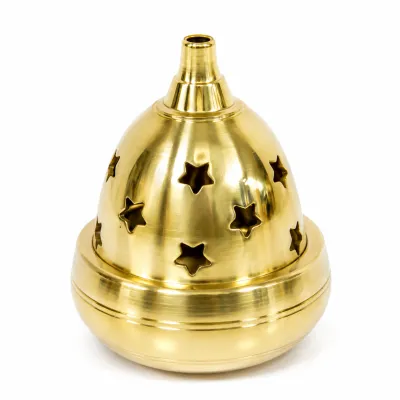

Prices are valid at publication and may change. Please refer to the product page for the latest price.
Furthermore, the cover helps manage the dispersion of soot and heat. While all oil lamps produce some level of combustion byproducts, a covered lamp channels the rising warm air and soot upward through a designated chimney or vent. This controlled airflow prevents soot from settling directly onto the sides of the lamp or adjacent walls, making it much easier to keep the entire prayer area clean.
When choosing between designs, it is helpful to understand the functional differences between traditional oil-burning covers and modern electric or LED-based enclosed variants. Traditional covered diyas rely on physical vents to draw in oxygen and release heat, requiring careful placement to ensure proper combustion. Modern electric covered diyas, on the other hand, use low-voltage bulbs or battery-powered LEDs enclosed in glass or acrylic domes. These electric options eliminate the risks associated with open flames and oil spills entirely, making them highly suitable for households with young children, pets, or strict building safety regulations.
Key Selection Criteria for Home Altars and Prayer Spaces
To find a covered diya lamp that fits seamlessly into your daily routine, you must first evaluate its physical dimensions relative to your home altar. Start by measuring the exact footprint of the space where you plan to place the lamp. Covered diyas often have wider bases or taller profiles than their open counterparts to accommodate the glass chimney or protective dome. Ensure there is ample clearance not only on the sides to prevent crowding other sacred items but also vertically, especially if your altar is housed within a cabinet or a recessed wall niche.

The capacity of the oil reservoir is another critical factor that dictates how the lamp fits into your daily practice. If your spiritual routine involves keeping a lamp lit for extended periods, such as during festivals or day-long prayers, look for a diya with a generous oil capacity. A larger reservoir reduces the need for frequent refilling, which can be disruptive and carries the risk of spilling oil on a hot lamp. Conversely, for brief daily prayers, a smaller, more compact reservoir is often sufficient and easier to clean.
Wick holder design and compatibility also warrant close inspection. The wick holder should keep the cotton wick centered and upright to ensure an even burn. In a covered diya, accessing the wick can sometimes be challenging due to the surrounding enclosure. Look for models that feature an adjustable wick holder or a design that allows you to easily thread and trim the wick through the top opening. If the opening is too narrow, you may find yourself having to completely disassemble the lamp every time you need to adjust the flame, which can become tedious.
Finally, consider how easily the entire assembly can be taken apart for routine maintenance. Oil residue, carbon buildup, and soot are inevitable parts of burning a traditional lamp. A covered diya that is difficult to disassemble will quickly become a chore to clean, leading to neglected maintenance and diminished performance. Opt for designs where the glass chimney lifts off smoothly or unscrews easily from the metal base, allowing you to wash each component thoroughly without risking damage to the fragile glass.
Material and Craftsmanship Considerations
The materials used in the construction of a covered diya directly impact its safety, durability, and aesthetic longevity. Heavy-gauge brass and copper are the traditional choices for the base and frame, valued for their weight, structural strength, and spiritual associations. A heavy metal base provides a low center of gravity, which is essential for preventing the lamp from tipping over if the altar is accidentally bumped. Ceramic bases are also available and offer excellent heat resistance, though they lack the shatterproof durability of metal.
The quality of the glass cover is paramount when dealing with open flames. Standard glass cannot withstand the intense, localized heat of a burning wick and is highly susceptible to cracking due to thermal shock. Ensure that the cover is made of high-quality borosilicate glass, which is specifically engineered to endure high temperatures and rapid temperature changes. Borosilicate glass remains clear longer and is much less likely to shatter during extended burning sessions.
Craftsmanship details such as cool-touch handles or heat-resistant knobs on the lid are highly beneficial for daily usability. These features allow you to safely lift the cover to adjust the wick or extinguish the flame without having to wait for the entire lamp to cool down. Inspect the joints, seams, and threads of the metalwork; high-quality diyas will have smooth, rounded edges and secure threading that aligns perfectly without sticking or rattling.
It is also important to understand how different materials age and the maintenance they require. Brass and copper naturally develop a dark patina over time as they react with oxygen, heat, and oil. While some appreciate this antique look, maintaining a bright, golden luster requires regular polishing with specialized metal cleaners or traditional mixtures of tamarind and salt. If you prefer a low-maintenance option, look for brass diyas that have been treated with a protective lacquer coating, though keep in mind that these coatings can wear off over time if exposed to high heat or harsh cleaning chemicals.
Safety and Placement Guidelines for Daily Use
Operating an oil lamp safely within a home environment requires strict adherence to placement guidelines. Always position your covered diya on a stable, level, and non-flammable surface, such as a marble slab, a ceramic tile, or a dedicated metal tray. This tray serves as an extra layer of protection, catching any accidental oil drips during refilling or minor spills if the lamp is moved. Keep the lamp well away from flammable materials, including paper decorations, fabric altar cloths, curtains, and wooden panels.
Adequate ventilation is crucial when burning oil lamps in enclosed spaces. Although a covered diya helps contain soot, the combustion process still consumes oxygen and releases trace gases. If your prayer space is located in a small, enclosed room or a closet altar, ensure that a door or window is kept slightly ajar to maintain healthy airflow. This not only prevents the accumulation of stale air but also helps the lamp burn more cleanly, reducing the rate of soot buildup on the glass cover.
For those utilizing electric or LED covered diyas, electrical safety must be prioritized. Inspect the power cord regularly for any signs of wear, fraying, or cracking, especially near the plug and the base of the lamp. Ensure that the plug and adapter carry recognized safety certification marks relevant to your region, indicating they have been tested for electrical safety and voltage compatibility. Avoid overloading extension cords or power strips if you have multiple electric items on your altar.
Establish clear criteria for when to stop using a covered diya lamp. If the glass chimney develops even a minor hairline crack, discontinue use immediately, as the heat from the flame can cause the crack to expand rapidly, leading to sudden shattering. Similarly, if the metal base becomes unstable, the threads strip, or the electrical components show signs of overheating, replace the affected parts or the entire unit to prevent accidents.
How to Evaluate Brands and Retailers for Reliability
When shopping for a covered diya lamp, especially on online marketplaces or at local specialty stores in Singapore, evaluating the reliability of the brand and retailer is essential. Start by carefully reviewing the manufacturer’s specifications. Reliable brands will clearly state the exact materials used, such as “solid brass” rather than “brass-plated metal,” and will specify the weight of the lamp. A heavier lamp generally indicates better material quality and greater stability on your altar.
Verified buyer feedback is an invaluable resource for assessing how a covered diya performs in real-world conditions. Look for reviews that specifically mention the durability of the glass cover over weeks or months of daily use. Pay attention to comments regarding how easy the lamp is to clean, whether the metal tarnishes excessively fast, and if the lid fits securely without wobbling. Consistent complaints about cracked glass or loose fittings are strong indicators of poor quality control.
Additionally, check the retailer’s customer service policies, particularly regarding return terms and the availability of replacement parts. Because glass chimneys are fragile, they can occasionally be damaged during shipping. A reliable retailer should offer a straightforward return or replacement policy for items damaged in transit. Furthermore, brands that sell replacement glass covers separately offer excellent long-term value, as you can easily replace a broken glass component without having to purchase an entirely new brass base.
Finally, budget realistically for your purchase. High-quality covered brass diyas in Singapore typically range from S$15 to S$60, depending on the size, weight, and complexity of the design. While it may be tempting to opt for cheaper alternatives, investing in a well-crafted lamp made of solid brass and borosilicate glass ensures a safer, more durable, and more beautiful addition to your daily spiritual practice.
Frequently Asked Questions (FAQ)
Can I use a covered diya lamp with LED bulbs instead of oil?
Many covered diya lamps can be adapted for use with LED bulbs, and some are designed specifically as electric units. If you wish to convert an oil-burning covered diya, you can place a battery-operated LED tea light inside the base, provided the dimensions allow it to sit flat and secure. When using electric variants, always ensure that any wiring or battery compartments are kept completely free of old oil residue to prevent damage. Electric covered diyas offer a convenient, flame-free alternative that is ideal for air-conditioned rooms or homes where an open flame is not practical.
How often should I clean the glass or metal cover of my diya?
To maintain optimal brightness and prevent permanent staining, you should clean the glass cover of your diya every two to three days of daily use, or as soon as you notice a visible layer of grey soot. Wash the glass gently using warm water, a mild dish soap, and a soft sponge to avoid scratching the surface. It is critical to let all components, especially the glass chimney, dry completely before reassembling and relighting the lamp, as any trapped moisture can cause uneven heating and lead to thermal cracking.

Community discussion
Share your experience or ask a question. Comments are reviewed before publication.