
Finding a reliable fragrance diffuser brand in Singapore requires looking beyond aesthetic packaging and marketing buzzwords. With the market flooded with options ranging from budget-friendly imports to high-end luxury boutique offerings, making an informed decision comes down to evaluating material quality, ingredient transparency, and mechanical suitability for your specific living environment. Singapore’s unique tropical climate—characterized by high ambient humidity punctuated by dry, air-conditioned indoor spaces—directly influences how scents disperse and how diffuser hardware performs over time. By establishing clear evaluation criteria, you can identify brands that offer genuine value, safe operation, and consistent performance.
To build a reliable shortlist, buyers must assess the chemical composition of the fragrances, the durability of the delivery systems, and the long-term operational costs. A diffuser is not merely a decorative piece; it is an active or passive delivery system that introduces microscopic particles into your breathing zone. Therefore, verifying safety certifications, understanding the mechanics of different diffusion technologies, and checking the availability of local customer support are essential steps before committing to a brand. This guide outlines a systematic approach to evaluating fragrance diffuser brands, helping you select a system that matches your home layout, lifestyle, and budget.
Core Criteria for Evaluating Fragrance Diffuser Brands
When evaluating fragrance diffuser brands, the first and most critical dimension to analyze is scent profile and ingredient transparency. Reliable brands openly disclose the nature of their fragrance formulations, distinguishing clearly between pure essential oils, synthetic fragrance oils, and the carrier bases used to dilute them. Pure essential oils are extracted directly from botanical sources and are highly volatile, whereas synthetic fragrance oils are engineered in laboratories to mimic natural scents or create complex, long-lasting profiles. Many commercial diffusers utilize a blend of both, but the key indicator of a trustworthy brand is the disclosure of the carrier liquid. Low-quality brands often use cheap solvents or undisclosed petrochemical bases that can emit volatile organic compounds (VOCs) into your home. Look for brands that specify the use of eco-friendly, bio-based, or alcohol-free carriers, which ensure a cleaner and safer evaporation process.
Products mentioned in this guide
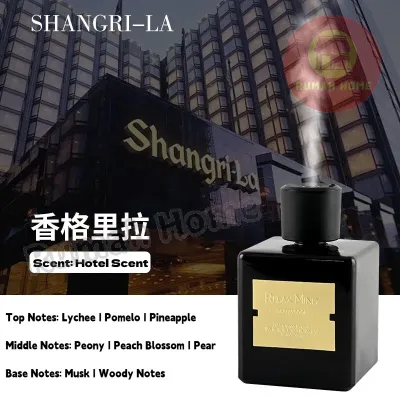
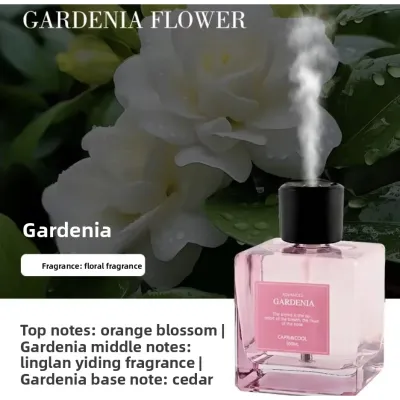
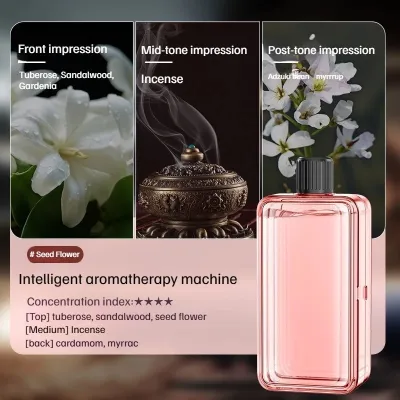
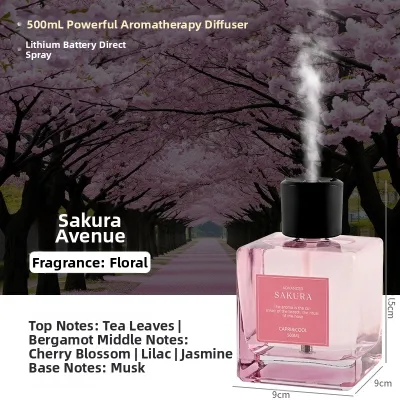
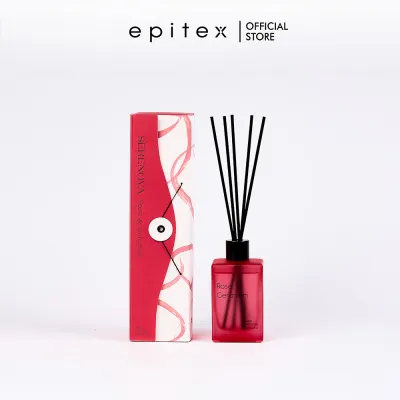
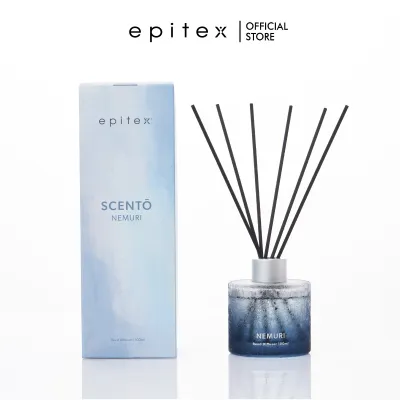
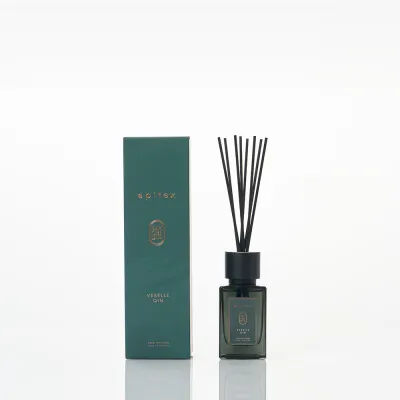
Prices are valid at publication and may change. Please refer to the product page for the latest price.
Build quality and material durability represent the second pillar of brand evaluation. For passive systems like reed diffusers, the material of the vessel and the reeds themselves determines the efficiency of the scent throw. Premium brands typically use heavy, UV-treated glass vessels that protect the fragrance oils from degrading due to sunlight exposure. They also supply high-porosity polyester or cotton fiber reeds, which draw up liquid consistently without clogging, unlike standard rattan reeds that often require frequent flipping and lose their capillary action over time. For electronic diffusers, such as ultrasonic or nebulizing units, the internal components must be constructed from corrosion-resistant materials. Essential oils are naturally corrosive to certain plastics; therefore, reliable brands construct their water tanks and nozzles from high-grade, oil-resistant plastics like polypropylene (PP) or use glass and ceramic chambers to prevent chemical degradation and leaching.
Finally, a comprehensive value assessment must look beyond the initial purchase price of the diffuser set. To calculate the true cost of ownership in Singapore, buyers should estimate the monthly expenditure required to run and maintain the system. This calculation involves checking the price and volume of proprietary oil refills, the lifespan and cost of replacement reeds, and the electricity consumption of electronic models. Some brands offer seemingly affordable starter kits but charge premium prices for proprietary refills, effectively locking consumers into an expensive ecosystem. A reliable brand provides clear estimates of oil consumption rates—such as how many weeks a 100ml bottle will last under standard usage—allowing you to calculate the S$ cost per month and make an objective financial comparison.
Matching Diffuser Mechanisms to Your Space and Needs
Selecting the right diffuser technology is a prerequisite to choosing a brand, as different mechanisms are suited to different spatial layouts and environmental conditions. Ultrasonic diffusers use high-frequency vibrations to break down a mixture of water and essential oils into a fine, cool mist. These devices are highly effective for active scent dispersion and allow users to adjust the mist intensity based on room size. In Singapore, where air conditioning is frequently used in bedrooms and home offices, ultrasonic diffusers double as localized humidifiers, adding a gentle moisture boost to dry indoor air. However, in naturally ventilated, high-humidity areas, adding extra moisture may not be desirable, making nebulizing diffusers a more suitable active alternative. Nebulizers use pressurized air to atomize pure essential oils directly into the air without water, delivering a highly concentrated scent profile ideal for larger living rooms or open-plan layouts.

For continuous, low-maintenance background fragrance, passive reed diffusers remain the preferred choice. These systems rely on natural capillary action to draw fragrance oil up through porous reeds, where it evaporates into the surrounding air. Because they do not require electricity or water, reed diffusers are exceptionally safe and can be left unattended in high-traffic zones, bathrooms, or entryways. However, their performance is highly dependent on airflow; they work best in well-ventilated spaces where natural air currents can distribute the evaporating scent. In contrast, heat and evaporative diffusers use gentle warmth or a small fan to accelerate oil evaporation. While these systems are useful for targeted, small-area use, such as a study desk, buyers should note that excessive heat can alter the chemical structure of delicate essential oils, potentially diminishing their therapeutic properties.
It is also important to distinguish continuous diffusion systems from room sprays. While both products introduce fragrance into a space, they serve entirely different purposes. Room sprays are designed for instant, temporary bursts of scent to mask odors or quickly refresh a room, but the droplets quickly settle onto surfaces. Diffusers, whether active or passive, provide ambient conditioning by maintaining a consistent, low-level concentration of fragrance molecules in the air over extended periods. Understanding this distinction prevents the common mistake of purchasing a passive diffuser for a large, drafty space and expecting the immediate, intense impact of a room spray.
Verifying Brand Reliability and Safety Standards
In Singapore, verifying the safety and electrical compliance of plug-in diffuser brands is a critical step that should never be overlooked. Any electronic diffuser that connects directly to a wall outlet or uses an external power adapter must comply with local electrical safety standards. When evaluating brands, check if their power adapters carry the safety certification marks recognized in Singapore, such as the Safety Mark issued by Enterprise Singapore. This certification ensures the device has been tested against electrical hazards, short circuits, and overheating. Brands that bypass these certifications or supply unapproved third-party adapters pose a genuine fire risk, especially since diffusers are often left running for hours or overnight.
Ingredient safety claims require similar scrutiny, as terms like “natural,” “organic,” or “pet-safe” are frequently used as marketing buzzwords without regulatory backing. To verify these claims, look for brands that provide accessible safety documentation, such as Safety Data Sheets (SDS) or certificates of analysis from independent testing laboratories. These documents verify that the fragrance oils are free from harmful phthalates, parabens, and heavy metals. If you have pets, young children, or family members with respiratory sensitivities, verifying these ingredient lists is paramount. For instance, certain essential oils like tea tree, eucalyptus, and lavender can be toxic to cats and dogs; a responsible brand will provide clear usage guidelines and warnings regarding pet safety on their product labels or official websites.
Furthermore, evaluate the brand’s commitment to customer service by examining their warranty terms and the availability of local support. Reliable electronic diffuser brands typically offer a warranty period of at least six to twelve months, covering manufacturing defects and electrical failures. Check whether the brand has a physical showroom, an authorized service center, or a responsive local customer support team in Singapore. Having a local point of contact makes troubleshooting, processing warranty claims, or purchasing replacement parts—such as power cords, ultrasonic chips, or glass chambers—significantly easier than dealing with overseas sellers who may offer limited post-purchase assistance.
Building Your Shortlist: A Pre-Purchase Verification Checklist
Before finalizing your purchase, compile a shortlist of candidate brands and subject them to a practical verification process. Start by cross-referencing the brand’s marketing claims with independent user reviews on established ecommerce platforms and local home decor forums. Pay close attention to recurring feedback regarding hardware durability and operational performance. For electronic diffusers, look for comments mentioning motor noise, leaking water tanks, or premature breakdown of the ultrasonic plate. For reed diffusers, check if users report rapid scent fading after the first week or if the liquid evaporates much faster than the manufacturer’s estimated lifespan. Consistent, independent reviews provide a more accurate picture of real-world performance than curated testimonials on a brand’s own website.
Next, verify the long-term availability and cost of proprietary refills and replacement parts. Some brands design their electronic diffusers to work only with specialized, pre-packaged oil cartridges or specific bottle sizes. If you choose such a brand, ensure that these refills are readily available in Singapore and are not frequently out of stock. Additionally, check if the brand sells individual replacement parts, such as replacement glass nebulizing nozzles or extra power adapters. A brand that supports its products with individual spare parts demonstrates a commitment to sustainability and product longevity, saving you from having to discard an entire electronic unit due to a single broken component.
Finalizing your checklist involves evaluating the brand’s packaging and shipping practices, particularly if you are purchasing online. Fragrance oils are highly concentrated and can damage finished wood, plastics, and fabrics if they leak during transit. Glass vessels are also highly susceptible to breakage. Reliable brands invest in robust, leak-proof packaging, utilizing secure seals, protective foam inserts, and sturdy outer boxes to ensure the product arrives intact. Checking user reviews specifically for shipping feedback can help you avoid the frustration of receiving a damaged, oil-soaked package.
Frequently Asked Questions (FAQ)
How often should I replace the reeds or clean an electronic diffuser?
For passive reed diffusers, the reeds generally need to be replaced every two to three months, or whenever you notice a significant drop in scent throw despite flipping them. Over time, the microscopic pores in the reeds become clogged with dust and heavy oil molecules, preventing efficient capillary action. For electronic ultrasonic diffusers, standard manufacturer guidelines recommend a quick cleaning after every five to six uses, or at least once a week. Empty any remaining water and wipe the tank with a soft, damp cloth and a few drops of mild dish soap or white vinegar to dissolve mineral buildup and oil residue. Never submerge the base in water, and ensure the ultrasonic chip is gently cleaned with a cotton swab to maintain optimal mist production.
Are expensive fragrance diffuser brands always better than affordable ones?
Not necessarily, as price does not always correlate directly with performance or safety. Premium pricing often reflects the use of rare, sustainably sourced natural essential oils, complex custom-blended fragrances created by professional perfumers, and high-end aesthetic materials like hand-blown glass or natural stone. If you value intricate scent profiles and premium home decor, these brands may justify the investment. However, for basic scenting needs, many mid-range and affordable brands offer highly reliable electronic hardware that utilizes standard, safe synthetic fragrances. The key is to ensure that even affordable brands provide transparent ingredient disclosures, use oil-resistant plastics, and supply certified safe electrical components.

Community discussion
Share your experience or ask a question. Comments are reviewed before publication.