
A reliable emergency headlamp for a Housing & Development Board (HDB) flat emergency kit must prioritize long-term battery stability, intuitive physical controls, and a balanced beam pattern. While many generic options populate online marketplaces, selecting a dependable tool requires evaluating specific engineering standards rather than relying on unverified marketing claims. In Singapore’s humid tropical climate, a headlamp stored for months or years faces unique environmental challenges that can degrade components before the device is ever turned on.
Core Functional Requirements for HDB Emergencies
Navigating an HDB flat and its surrounding common areas during a power outage requires a light source that adapts to different spatial scales. Inside the home, a wide, even flood beam is essential. It illuminates an entire room without creating harsh shadows or blinding hotspots, allowing you to locate emergency supplies, prepare food, or read instructions safely. Conversely, if you must evacuate down concrete stairwells or navigate dimly lit outdoor pathways, a focused spot beam becomes necessary to project light further ahead and identify potential tripping hazards. A headlamp that offers both beam types, or an adjustable lens system, provides the versatility needed for these distinct scenarios.
Weight distribution and strap comfort are critical factors that are often overlooked until an actual emergency occurs. During a prolonged blackout, you may need to wear the headlamp for several hours while managing household tasks or waiting for utility restoration. A heavy, front-loaded unit can cause forehead fatigue, headaches, and constant slipping, forcing you to adjust it repeatedly. Look for a balanced design where the total weight, including batteries, remains under 100 grams. The headband should be made of a high-quality, breathable elastic material with adjustable buckles that secure the light comfortably without binding.
Products mentioned in this guide
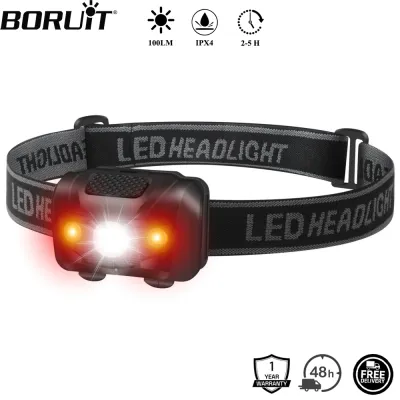
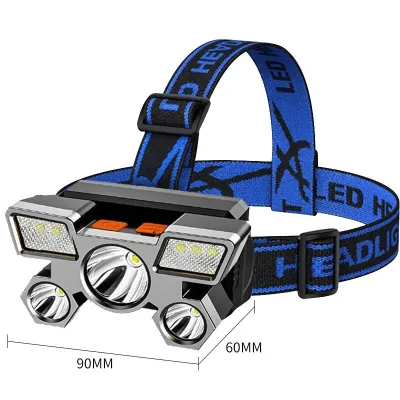
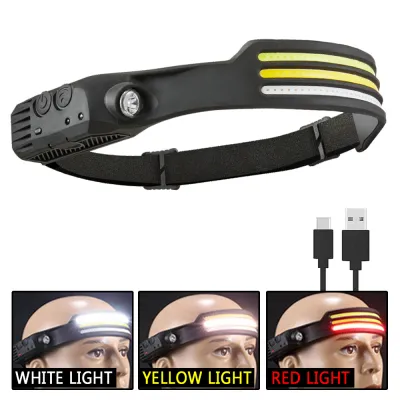
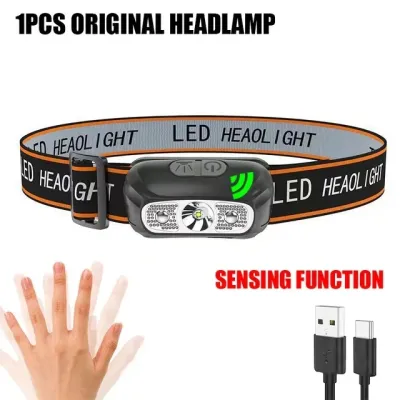
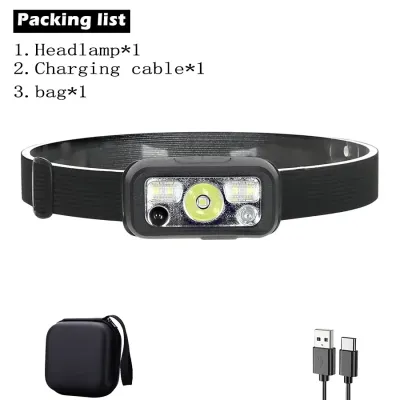
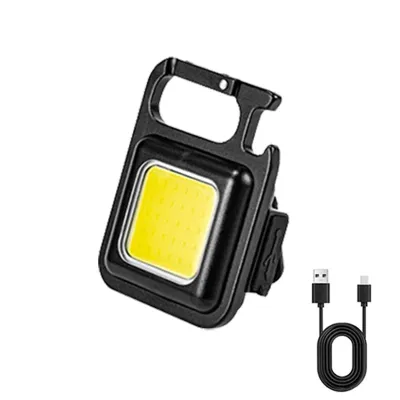
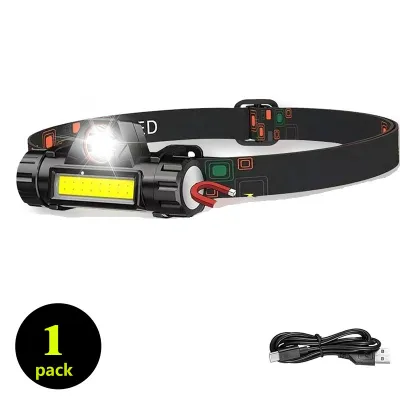
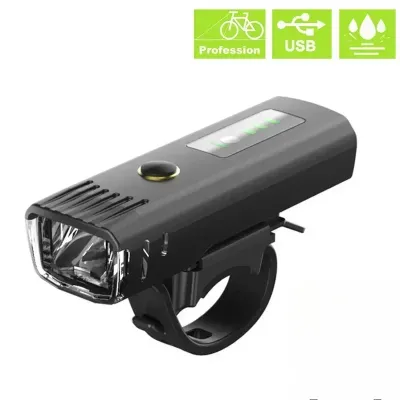
Prices are valid at publication and may change. Please refer to the product page for the latest price.
Interface simplicity is paramount when operating in complete darkness or under high-stress conditions. Complex touch-sensitive panels, gesture controls, or interfaces that require cycling through dozens of flashing modes can be incredibly frustrating and unreliable. Physical buttons with distinct tactile feedback are far superior, as they allow you to operate the light by feel alone. The switch mechanism should be recessed or feature a physical lockout to prevent accidental activation while stored in your emergency kit. A straightforward interface that turns on instantly in a low or medium mode is ideal, ensuring you do not accidentally blind yourself or others with maximum brightness upon activation.
Battery Chemistry and Long-Term Storage Reliability
The choice of battery chemistry directly determines whether your headlamp will function when a crisis occurs. Standard alkaline batteries are highly susceptible to potassium hydroxide leakage over time, especially when stored in warm, humid environments. This corrosive leakage can permanently ruin the electrical contacts and internal circuitry of your headlamp. Nickel-Metal Hydride (NiMH) rechargeable batteries are safer from leakage but suffer from high self-discharge rates, often losing up to 20% of their charge within the first month of storage. For emergency kits, disposable lithium batteries (such as lithium AA, AAA, or CR123A cells) are the gold standard. They offer an exceptional shelf life of up to 15 years, maintain their charge during long-term storage, and are highly resistant to leakage.

When selecting a headlamp, you must also weigh the trade-offs between built-in rechargeable lithium-ion batteries and removable battery compartments. Built-in rechargeable batteries are highly convenient for daily use but present a significant risk for emergency preparedness. If the internal battery degrades over years of storage, or if you lack a power source to recharge it during a multi-day blackout, the headlamp becomes useless. A headlamp with a removable battery compartment allows you to store the device completely empty, eliminating any risk of parasitic drain or corrosion. You can keep fresh, sealed lithium batteries alongside the unit, ready to be inserted at a moment’s notice. Some modern headlamps offer hybrid power options, accepting both a proprietary rechargeable pack and standard AAA batteries, providing the best of both worlds.
To guarantee your emergency kit remains operational, establish a practical battery rotation and inspection schedule. Mark the purchase date on all stored batteries with a permanent marker and replace them well before their printed expiration dates. A bi-annual inspection—perhaps aligned with routine household tasks like cleaning or air conditioner servicing—ensures that any rechargeable cells are topped up and disposable batteries are checked for physical integrity. This simple routine prevents the frustration of discovering dead or corroded power sources when you need illumination the most.
Evaluating Durability and Environmental Resistance
Evaluating the physical resilience of a headlamp requires looking past marketing buzzwords and focusing on verifiable manufacturer specifications. The primary standard for water and dust resistance is the Ingress Protection (IP) rating. An IP rating consists of two digits: the first represents protection against solid particles, and the second represents protection against liquids. For an emergency headlamp kept in an HDB flat, an IPX4 rating is the bare minimum, indicating protection against splashing water from any direction. However, aiming for an IPX7 rating is highly recommended. This certification ensures the headlamp can withstand temporary immersion in water up to one meter deep for 30 minutes, guaranteeing functionality even during heavy tropical downpours or plumbing emergencies.
Impact resistance is another critical specification to verify on the product packaging or manufacturer datasheet. Reliable manufacturers specify a drop-test rating, typically measured in meters onto a concrete surface. A headlamp rated to survive a 1-meter or 2-meter drop is far more likely to endure accidental falls onto hard HDB tiled floors. The choice of build materials plays a major role in this durability. While aircraft-grade aluminum alloy offers exceptional strength and heat dissipation, high-impact polycarbonate polymers provide a lightweight, shock-absorbing alternative that resists cracking upon impact.
Singapore’s high relative humidity, which frequently exceeds 80%, poses a silent threat to stored electronics. Over time, moisture in the air can accelerate the oxidation of copper and steel battery contacts, leading to poor electrical conductivity and intermittent light operation. Humidity can also cause cheap rubber seals to degrade, turn sticky, or lose their sealing capabilities, allowing moisture to penetrate the housing. When choosing a headlamp, look for models featuring gold-plated or nickel-plated battery contacts, which resist corrosion, and high-quality silicone O-rings that maintain their elasticity over years of storage.
Building a Trustworthy Headlamp Shortlist
To build a reliable emergency kit, you must distinguish between established lighting specialists and generic, unbranded alternatives. Reputable manufacturers design their products to comply with international standards, such as the ANSI/PLATO FL 1 standard. This standard defines specific testing protocols for measuring light output (lumens), beam distance, runtime, and impact resistance, ensuring that the specifications listed on the box are accurate and reproducible. Generic, unbranded headlamps often lack this standardized testing, resulting in highly inflated performance claims that fail to deliver in real-world scenarios.
Verifying local warranty coverage and after-sales support is another essential step in selecting a trustworthy brand. Purchasing your headlamp through authorized local distributors or reputable retail outlets in Singapore ensures that you receive a genuine product backed by a manufacturer’s warranty. This local support is invaluable if you need to source replacement parts, such as a degraded elastic headband or a lost battery cap, without having to import them at high cost. It also provides a clear channel for recourse if the device exhibits any manufacturing defects during your routine inspections.
When browsing online marketplaces, learning to identify common red flags can save you from purchasing substandard equipment. Be highly skeptical of listings claiming physically impossible light outputs, such as 10,000 lumens or more, from a compact, low-cost headlamp. A genuine light source of that intensity requires massive heat sinks and substantial battery power that cannot fit into a standard headlamp form factor. Other red flags include the absence of recognized safety certifications (such as CE, RoHS, or local safety marks for charging accessories), suspiciously low pricing (under S$15), and vague product descriptions that avoid mentioning specific battery requirements or testing standards.
Maintenance and Readiness Routines
Maintaining your headlamp is just as important as choosing the right model. Conduct a comprehensive functional check of your headlamp at least twice a year. During this check, insert fresh batteries and cycle through every brightness setting to ensure the LED and driver circuitry are functioning correctly. If your headlamp features a red-light mode, verify its operation as well. The red-light function is highly useful for preserving your night vision in dark environments and can serve as an emergency beacon without causing glare for family members.
Proper storage practices are essential to prevent accidental battery drain and corrosion. Never store your headlamp with batteries installed inside the compartment for long periods, as even turned-off devices can experience minor parasitic electrical drain. Instead, store the batteries in a dedicated, waterproof plastic case placed right next to the headlamp in your emergency kit. If your headlamp features a physical lockout mechanism—such as a tail-cap that can be unscrewed a quarter-turn to break the electrical connection—utilize this feature to ensure the light cannot be switched on accidentally by shifting gear in your kit.
Finally, take a few minutes during your bi-annual check to perform basic physical maintenance. Use a clean cotton swab dipped in a small amount of isopropyl alcohol to wipe down the battery contacts, removing any accumulated dust, grease, or minor oxidation. Inspect the rubber or silicone O-rings around the battery compartment door for any signs of cracking or dryness. Applying a tiny dab of silicone grease to these seals will keep them supple and maintain the headlamp’s water-resistant integrity, ensuring it is fully prepared to perform when called upon.
Frequently Asked Questions (FAQ)
Can I rely on my smartphone flashlight instead of a dedicated headlamp?
While a smartphone flashlight is a convenient temporary light source, it is not a reliable substitute for a dedicated headlamp during an emergency. Holding a phone limits you to one-handed operation, making it difficult to carry emergency supplies, navigate dark stairwells safely, or administer first aid to family members. Additionally, running the flashlight drains your phone’s battery rapidly, which can leave you without a vital communication tool when you need to contact emergency services or receive updates.
How many lumens are actually necessary for an HDB blackout?
For navigating inside an HDB flat during a blackout, a headlamp producing between 20 and 100 lumens is entirely sufficient. High-lumen outputs, such as 300 lumens or more, are unnecessary for close-up indoor tasks and can cause blinding glare when reflected off light-colored walls, mirrors, or glossy surfaces. Utilizing lower, more appropriate lumen settings also significantly extends the battery runtime of your headlamp, ensuring you have reliable illumination throughout a prolonged power outage.

Community discussion
Share your experience or ask a question. Comments are reviewed before publication.